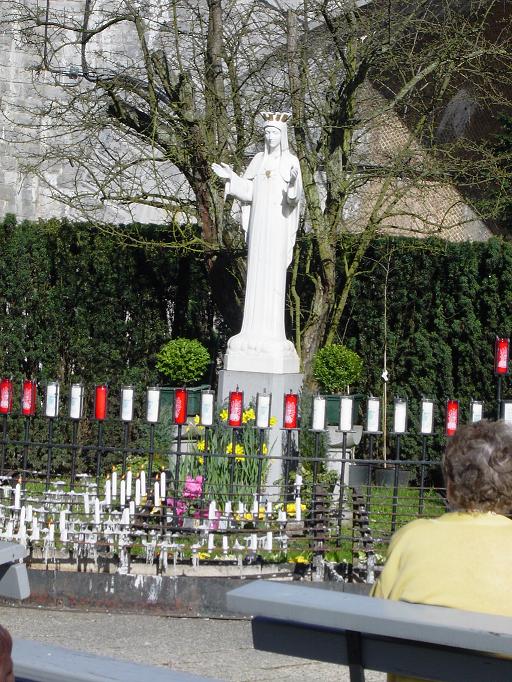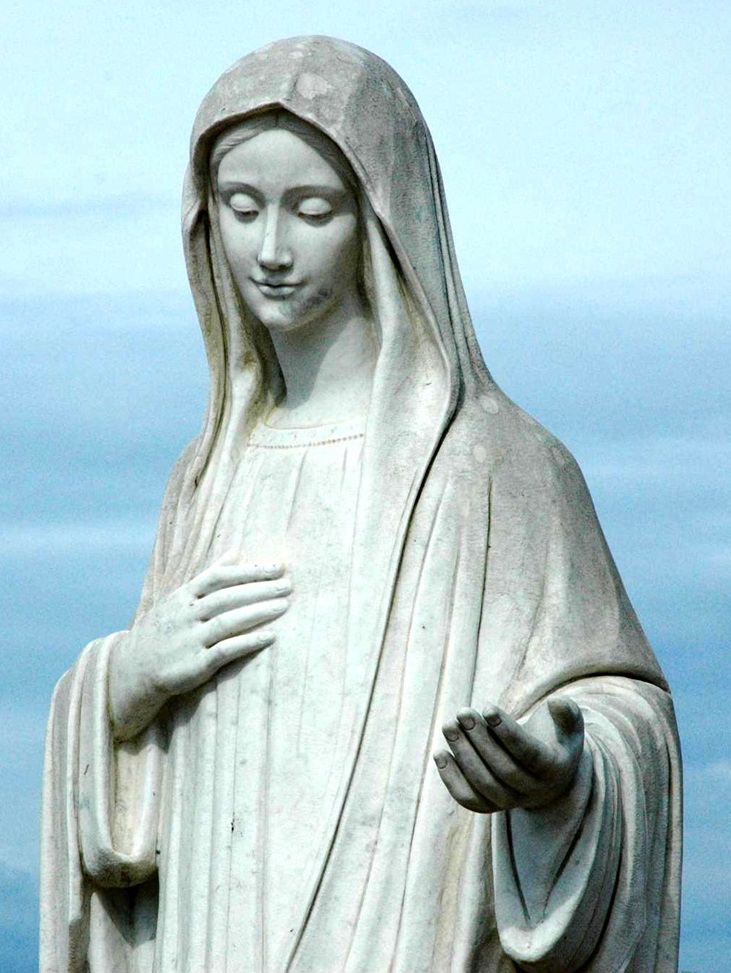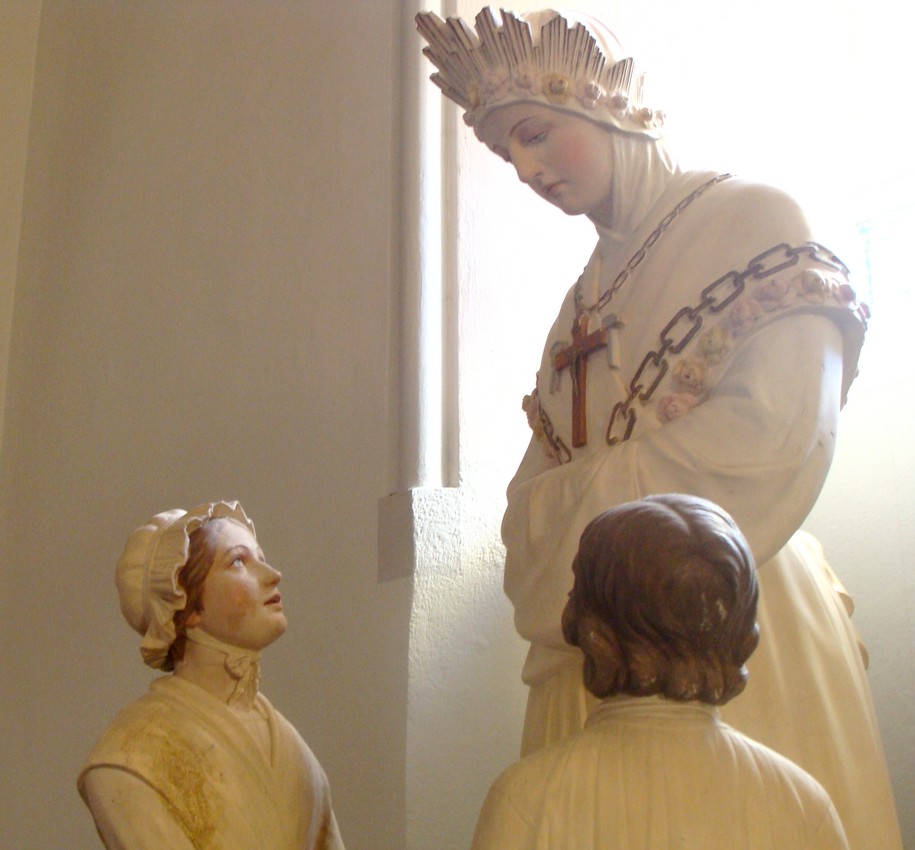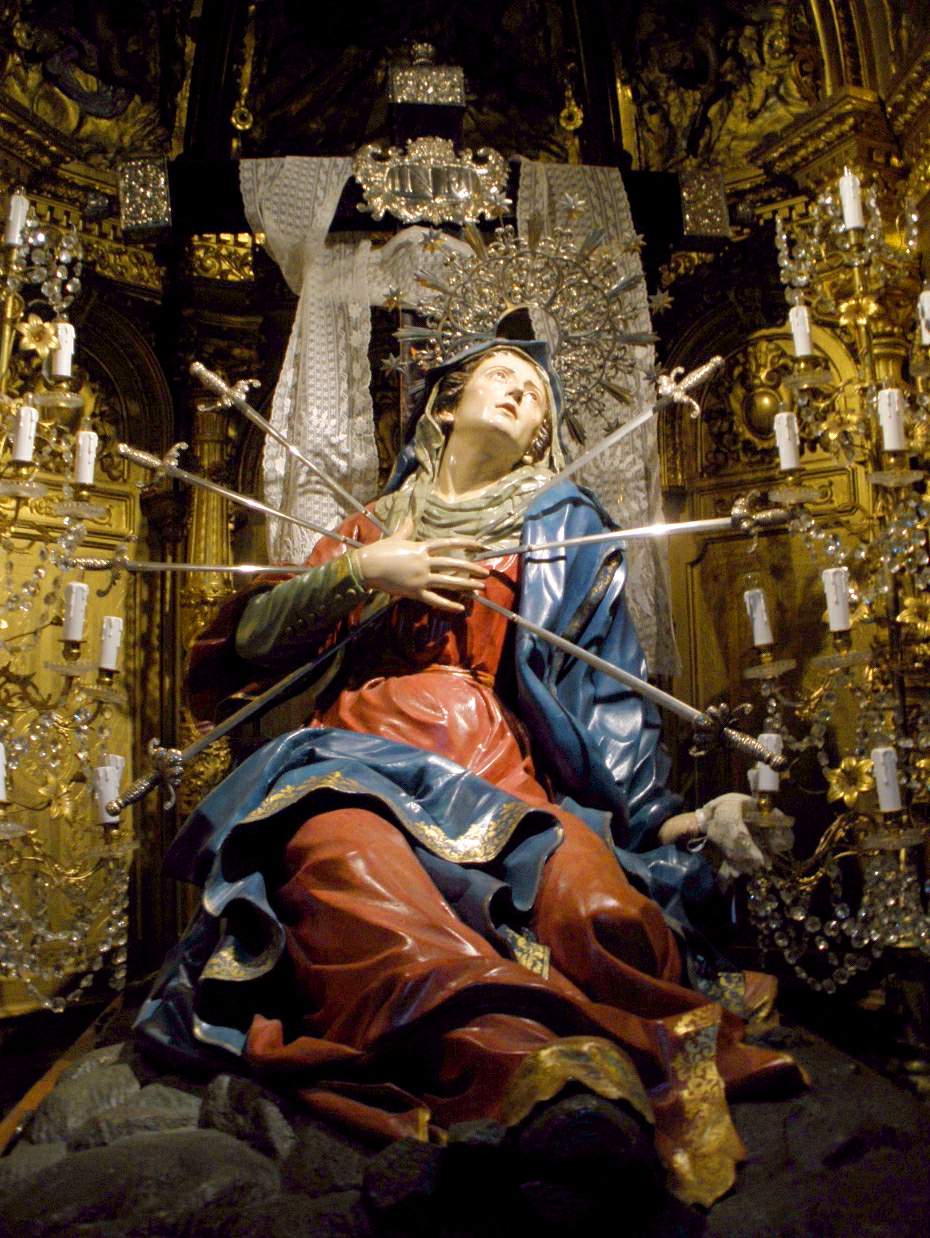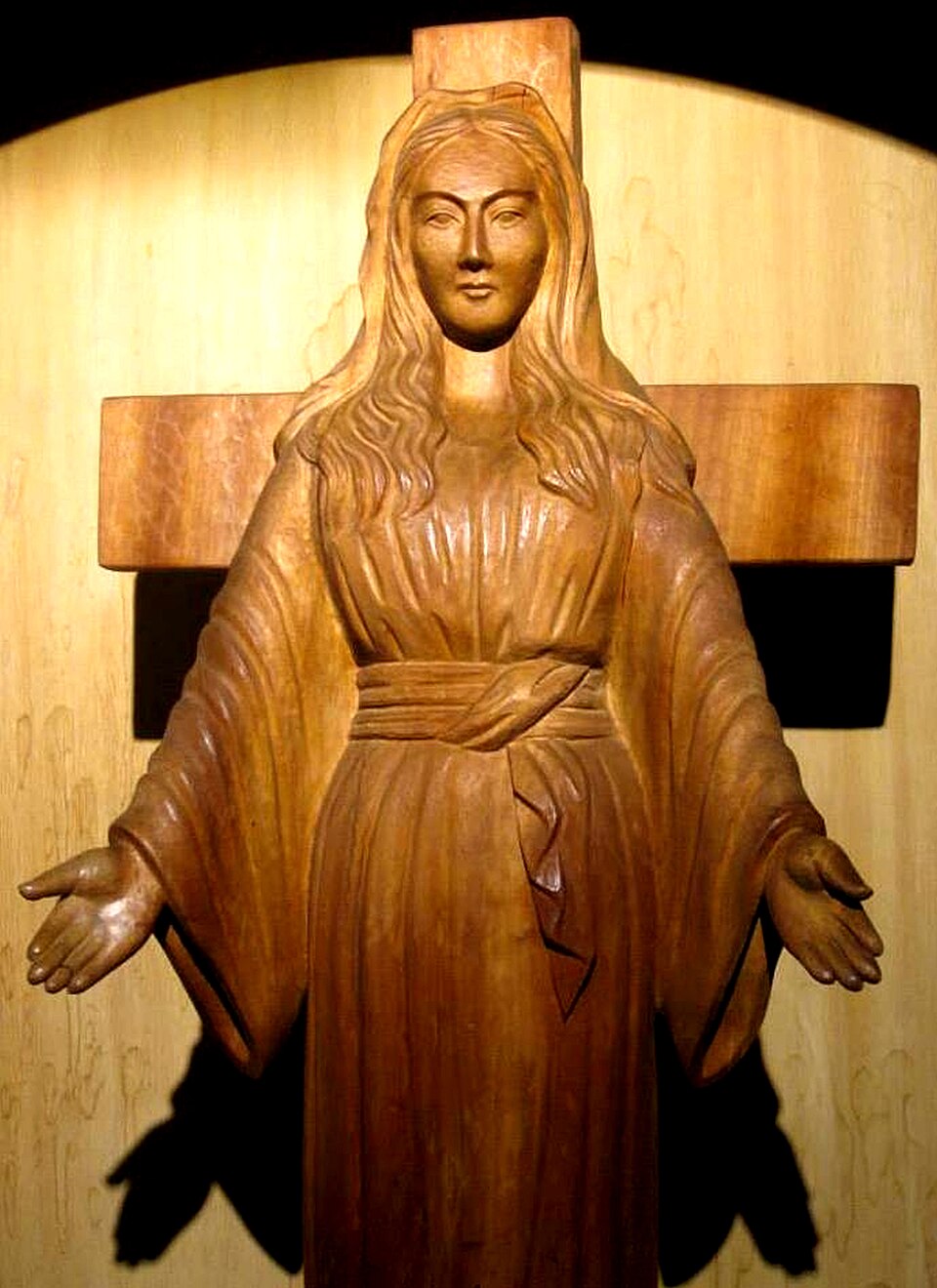
A wooden statue of the Blessed Virgin in a Japanese convent wept human tears 101 times over six years, witnessed by hundreds of people including Buddhist visitors and television crews. The tears were scientifically analyzed and confirmed as human.
History
Beginning on January 4, 1975, a wooden statue of the Blessed Virgin Mary in the chapel of the Handmaids of the Eucharist in Akita, Japan, began weeping. The phenomenon occurred 101 times over the next six years, witnessed by over 500 people. The tears were collected and analyzed by Professor Sagisaka of the Faculty of Legal Medicine at Akita University, who confirmed they were human tears of blood type B (the statue's creator was type B). Earlier, in 1973, Sister Agnes Sasagawa — who was deaf — received three messages from the statue. Bishop John Shojiro Ito of Niigata approved the apparition in 1984 after extensive investigation, and Cardinal Ratzinger (later Pope Benedict XVI) confirmed the approval.
Messages
The three messages of Akita warned of a great chastisement if humanity did not repent. The third message (October 13, 1973 — the anniversary of the Miracle of the Sun at Fatima) warned: 'If men do not repent and better themselves, the Father will inflict a terrible punishment on all humanity... Fire will fall from the sky and will wipe out a great part of humanity.' The messages also emphasized the importance of the Rosary and Eucharistic devotion.
Spiritual Significance
Akita is significant as the only major approved apparition in Asia and one of the few involving a weeping statue with scientifically verified human tears. The connection to Fatima is explicit — the third message was delivered on the Fatima anniversary, and the content echoes the third secret of Fatima. Cardinal Ratzinger reportedly stated that the message of Akita is essentially the message of Fatima.