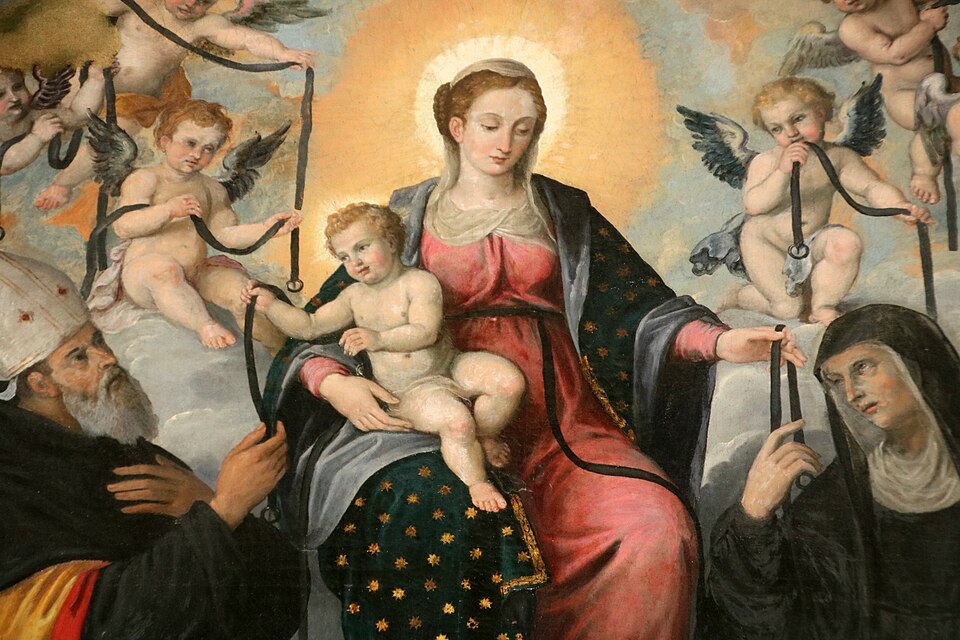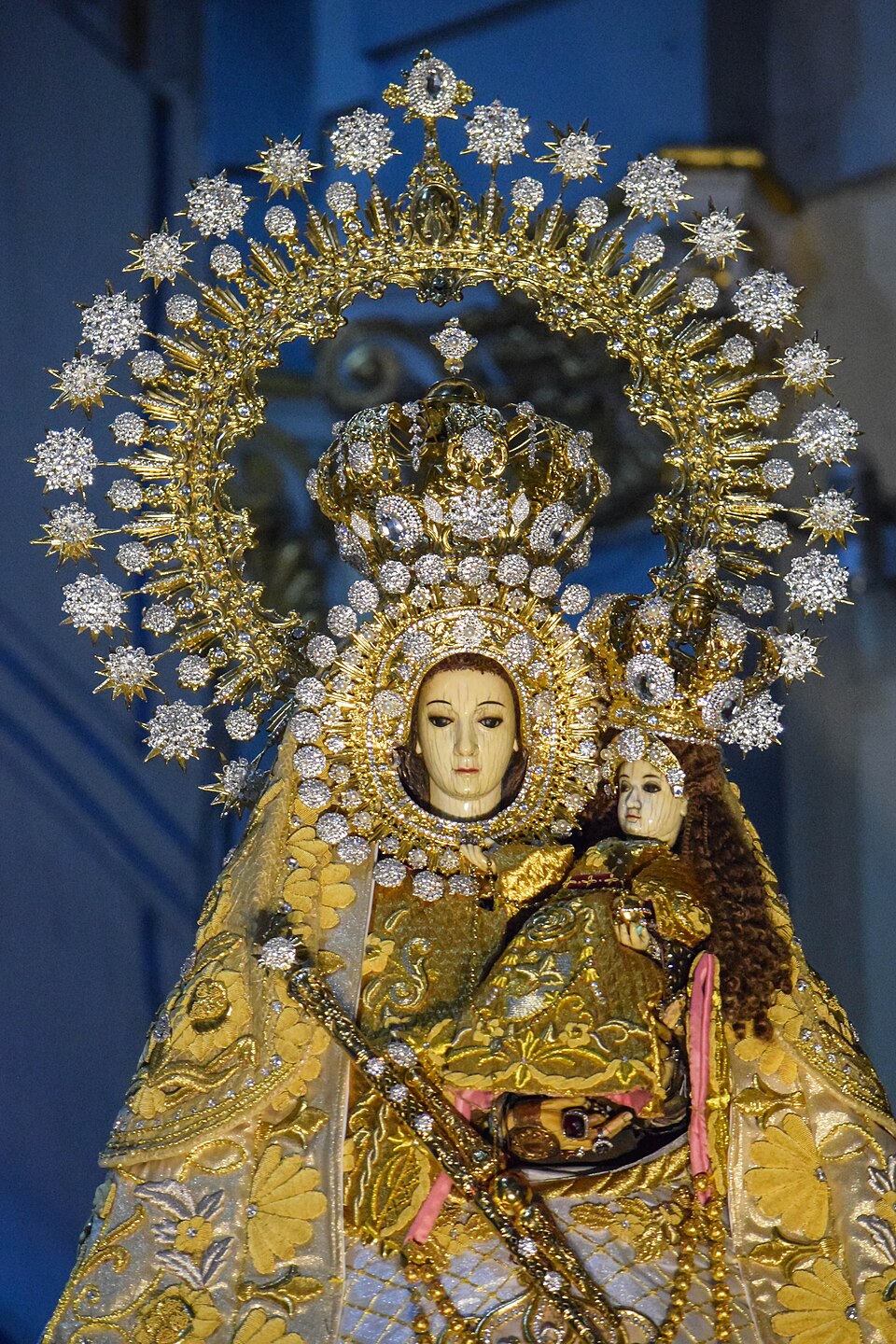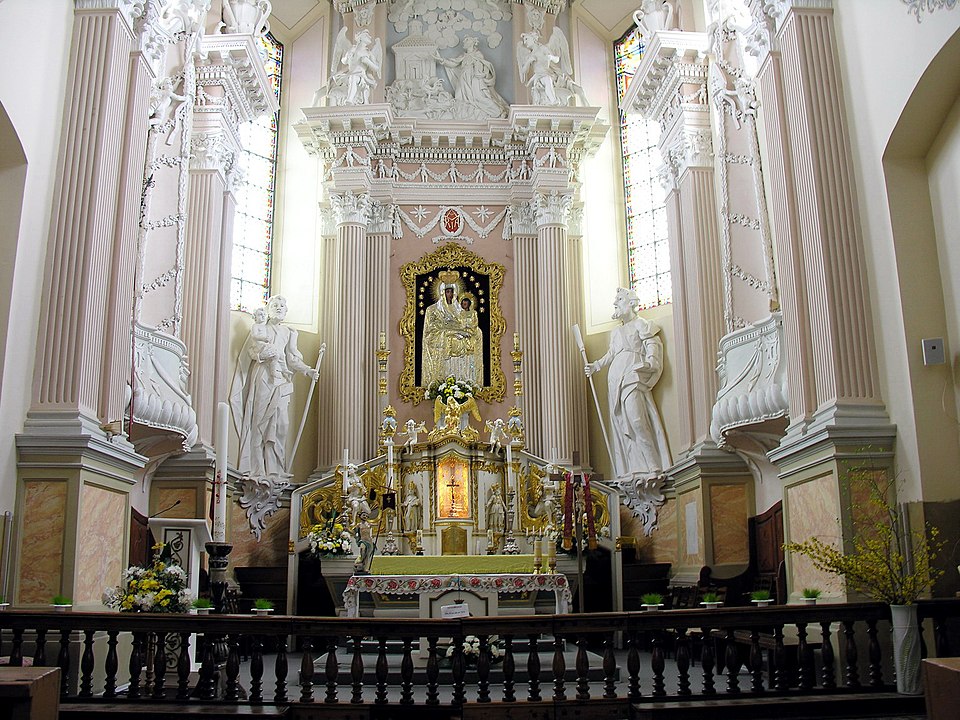
Our Lady appeared weeping on a large rock to shepherd children near the town of Siluva, Lithuania. She held the infant Jesus in her arms and wept because the land, once Catholic, had been taken over by Calvinists and the people had abandoned the true faith. The apparitions led to the restoration of Catholicism in the region and the recovery of a buried miraculous painting of the Virgin Mary.
History
In 1608, shepherd children tending their flocks near Siluva saw a beautiful young woman standing on a rock, weeping and holding a baby. When asked why she wept, she replied that formerly her Son was worshipped on this spot but now the people had given the land to plowmen. A Calvinist minister attempted to investigate but was struck by the vision himself. The apparitions led to a legal battle that resulted in the return of Catholic church properties. A buried iron chest containing a miraculous painting of the Virgin Mary was discovered, guided by the testimony of a blind man whose sight was restored. The apparitions are considered the first approved Marian apparitions in Europe.
Messages
Our Lady wept because the land where her Son was once worshipped had been given over to Calvinists. She called for the restoration of Catholic worship.
Associated Miracles
The healing of a blind man who led investigators to the buried painting; numerous subsequent healings at the shrine. The miraculous painting itself has been venerated for centuries.
Scientific Investigation
Church authorities investigated the apparitions beginning in 1608. The discovery of the buried painting and the miraculous healing of the blind man were key factors in the investigation. The apparitions were formally approved after thorough ecclesiastical review.
Spiritual Significance
The Siluva apparitions are historically significant as they are considered the first Marian apparitions in Europe to receive Church approval. They played a crucial role in the Counter-Reformation in Lithuania, leading to the restoration of Catholicism in the region. The shrine remains Lithuania's most important Marian pilgrimage site.