Catalog
Miracles
54 recognized signs — each with its history, witnesses, and scientific or medical evidence where available.
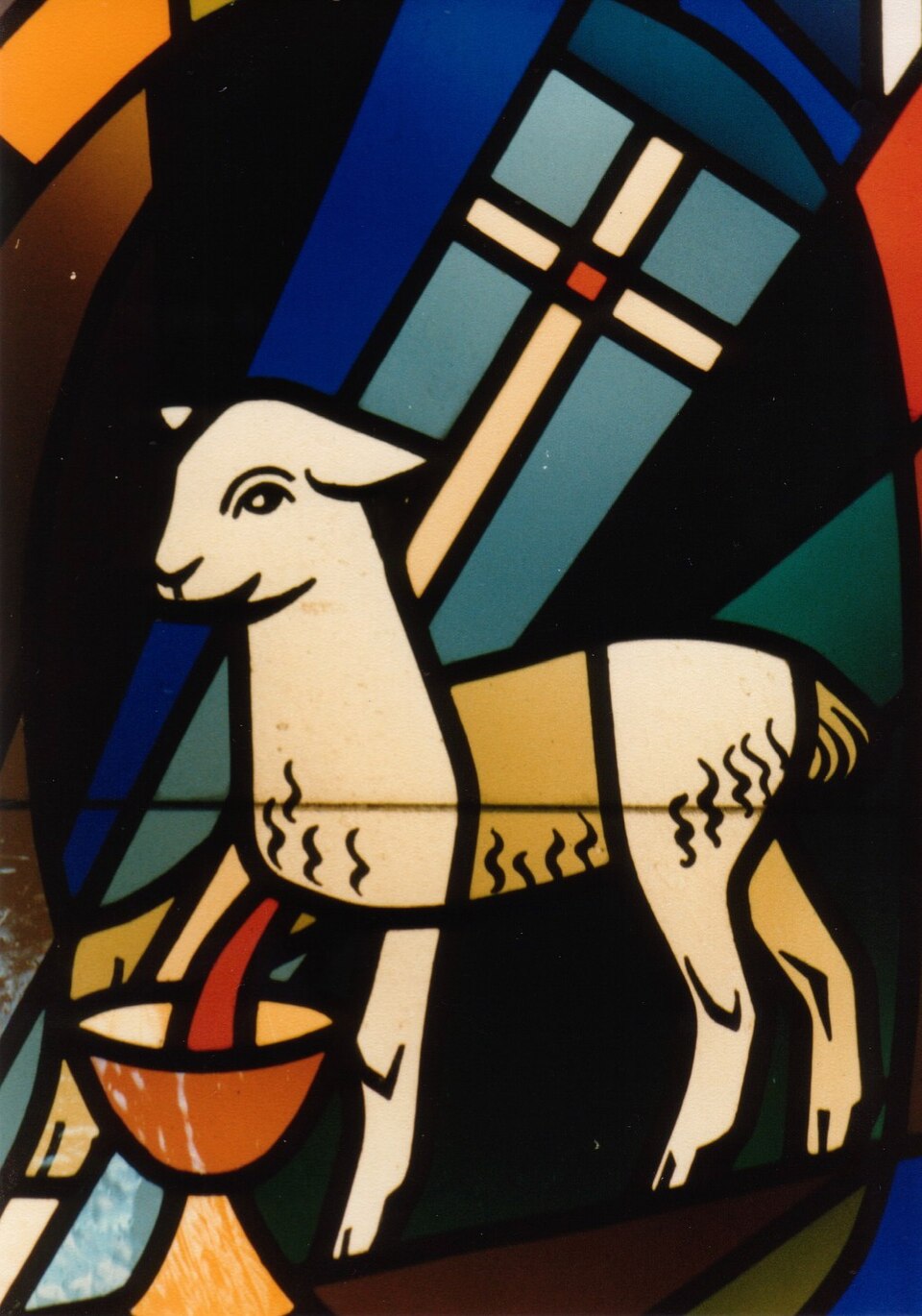
Eucharistic Miracle of Scete
Scetis (Wadi El Natrun), Egypt
In the 4th century, a monk in Scetis doubted the Real Presence. During Mass, he saw the consecrated bread transform into the Child Jesus, strengthening his faith.
Read →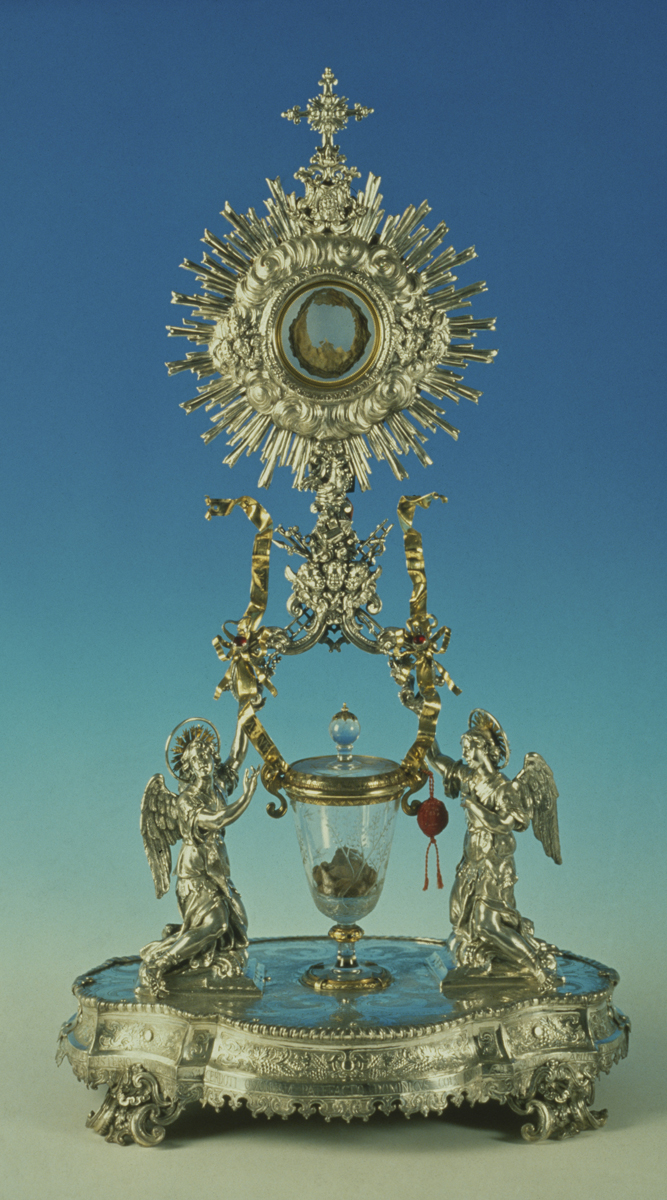
Eucharistic Miracle of St. Mary of Egypt
Sinai Desert, Egypt
St. Mary of Egypt, a repentant prostitute who lived as a hermit in the desert for 47 years, miraculously walked across the Jordan River to receive Holy Communion from St. Zosimas of Palestine. This event is a testament to her profound faith and the power of the Eucharist.
Read →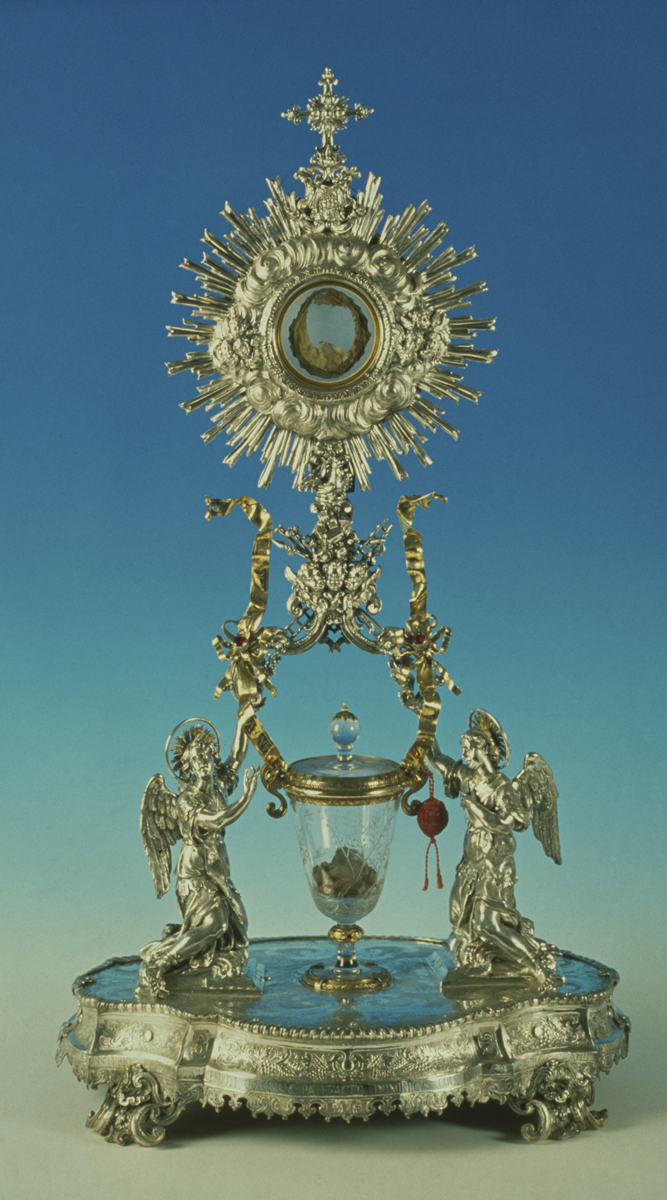
Miracle of Lanciano
Lanciano, Italy
During Mass, a Basilian monk who doubted the Real Presence witnessed the bread transform into flesh and the wine into blood. The flesh and blood have been preserved for over 1,270 years.
Read →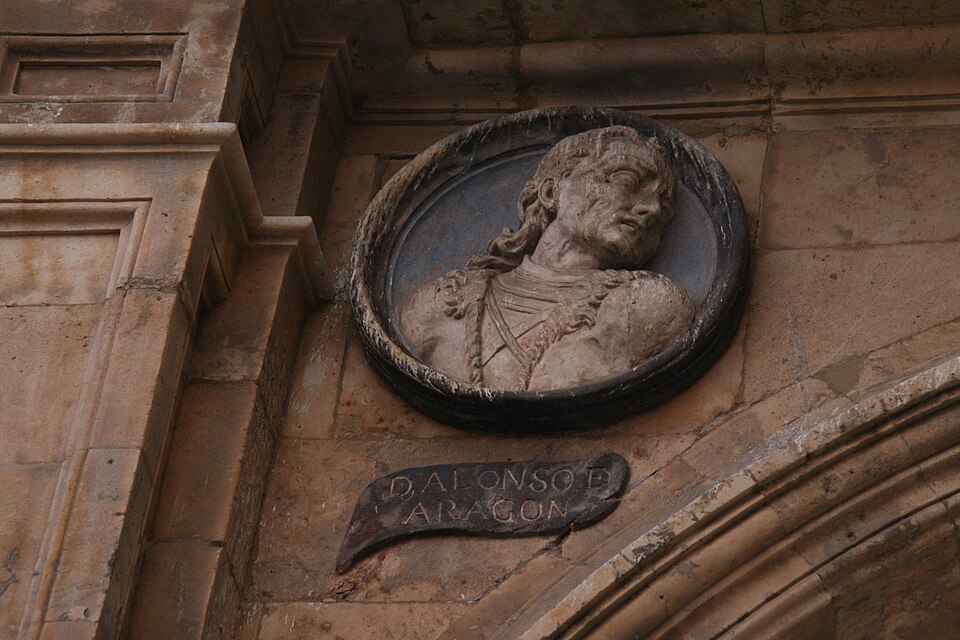
Miracle of Ivorra
Ivorra, Spain
A priest doubting the Real Presence saw the consecrated wine transform into blood that overflowed from the chalice. The blood was preserved and the site became known as the Sanctuary of the Holy Doubt (Santuari del Sant Dubte). It is one of the oldest documented Eucharistic miracles.
Read →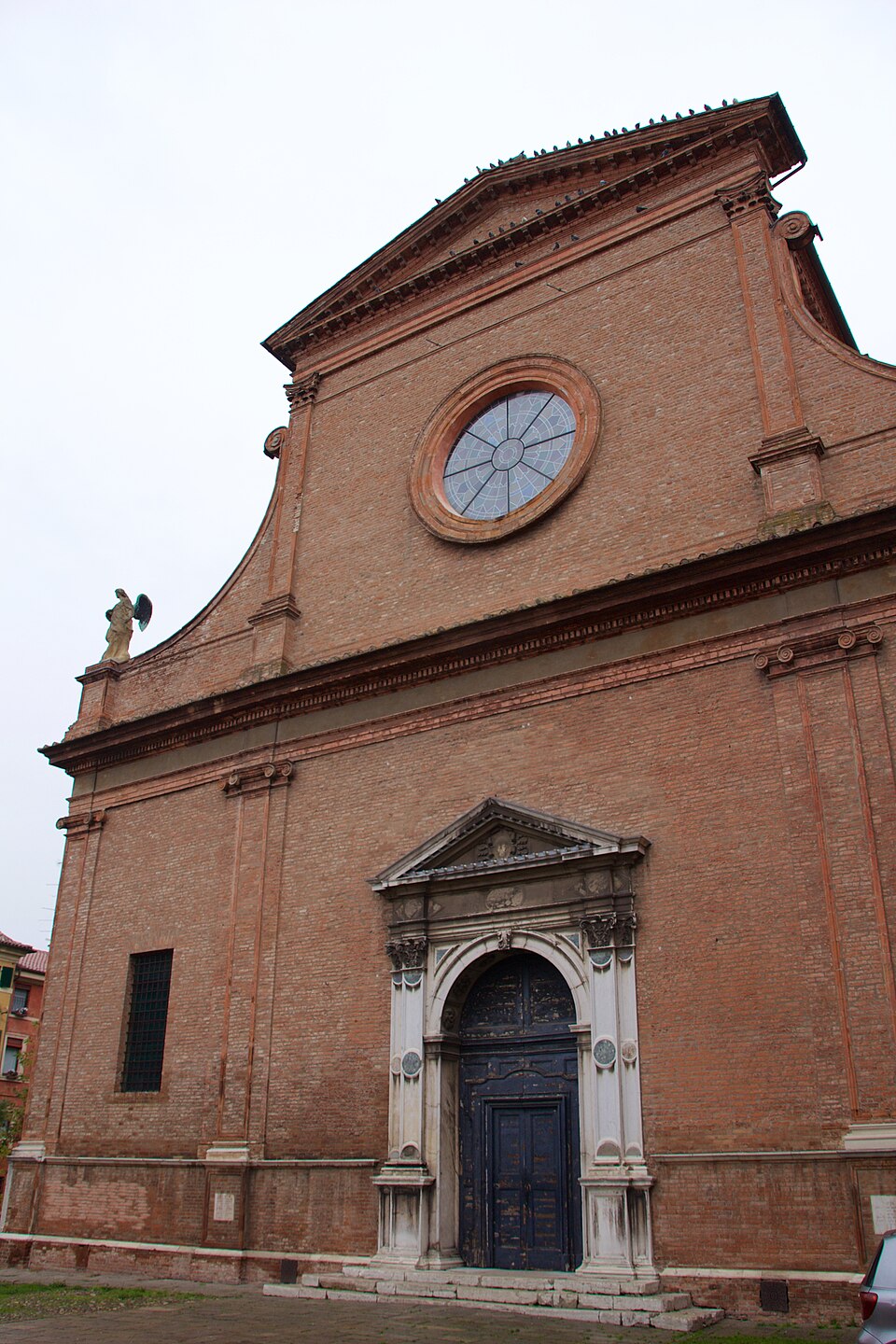
Miracle of Ferrara
Ferrara, Italy
On Easter Sunday 1171, as Father Pietro da Verona broke the consecrated Host during Mass, blood spurted from it with such force that it stained the vault of the small chapel above the altar. The bloodstains on the vault remain visible to this day, preserved behind glass in the Basilica of Santa Maria in Vado.
Read →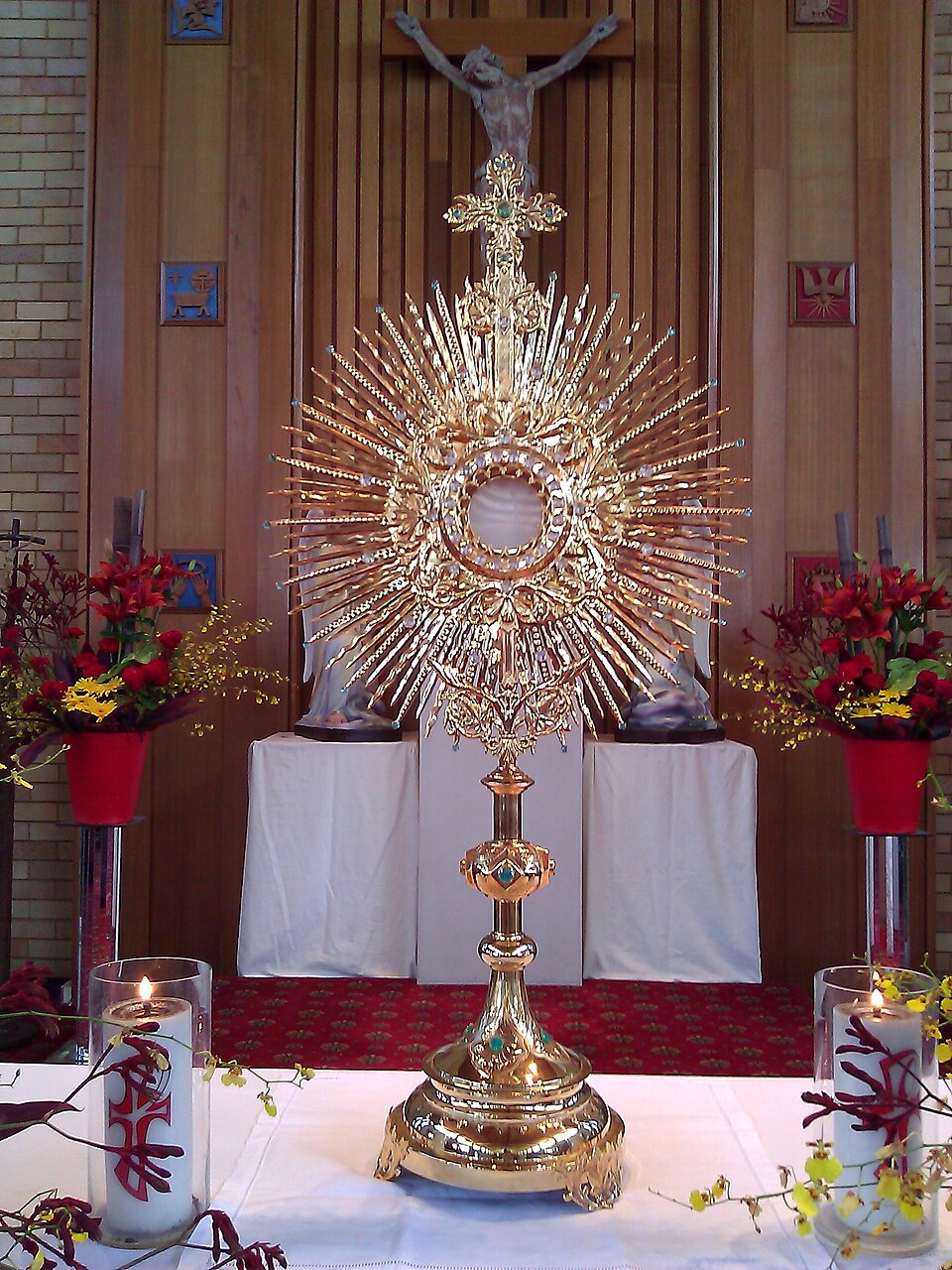
Miracle of Augsburg
Augsburg, Germany
A woman receiving Communion could not swallow the Host and removed it from her mouth. The Host was found to have transformed into flesh with visible blood. The relic was preserved and became an important pilgrimage object in Augsburg.
Read →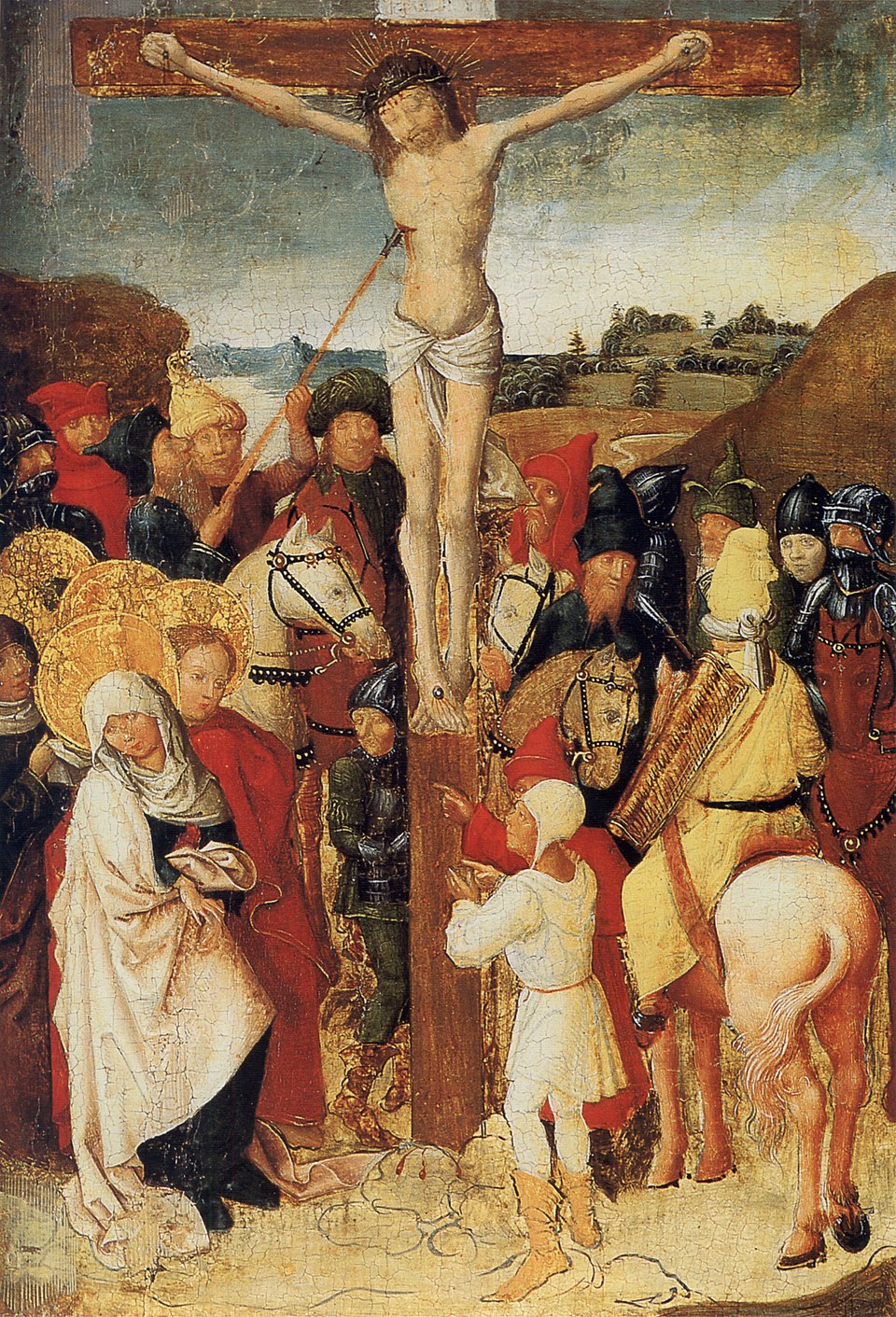
Miracle of Bruges
Bruges, Belgium
The Basilica of the Holy Blood in Bruges houses a venerated relic believed to contain the blood of Christ, brought from the Holy Land during the Crusades. The relic has been associated with miraculous events, including the blood reportedly liquefying on certain occasions. The annual Procession of the Holy Blood is a UNESCO-recognized tradition.
Read →
Miracle of Meerssen
Meerssen, Netherlands
A priest celebrating Mass saw the consecrated wine overflow from the chalice as blood. The bloodstained corporal and purificator were preserved. A second miracle occurred in 1465 when a stolen Host was found bleeding. The Basilica of the Holy Sacrament was built to house both relics.
Read →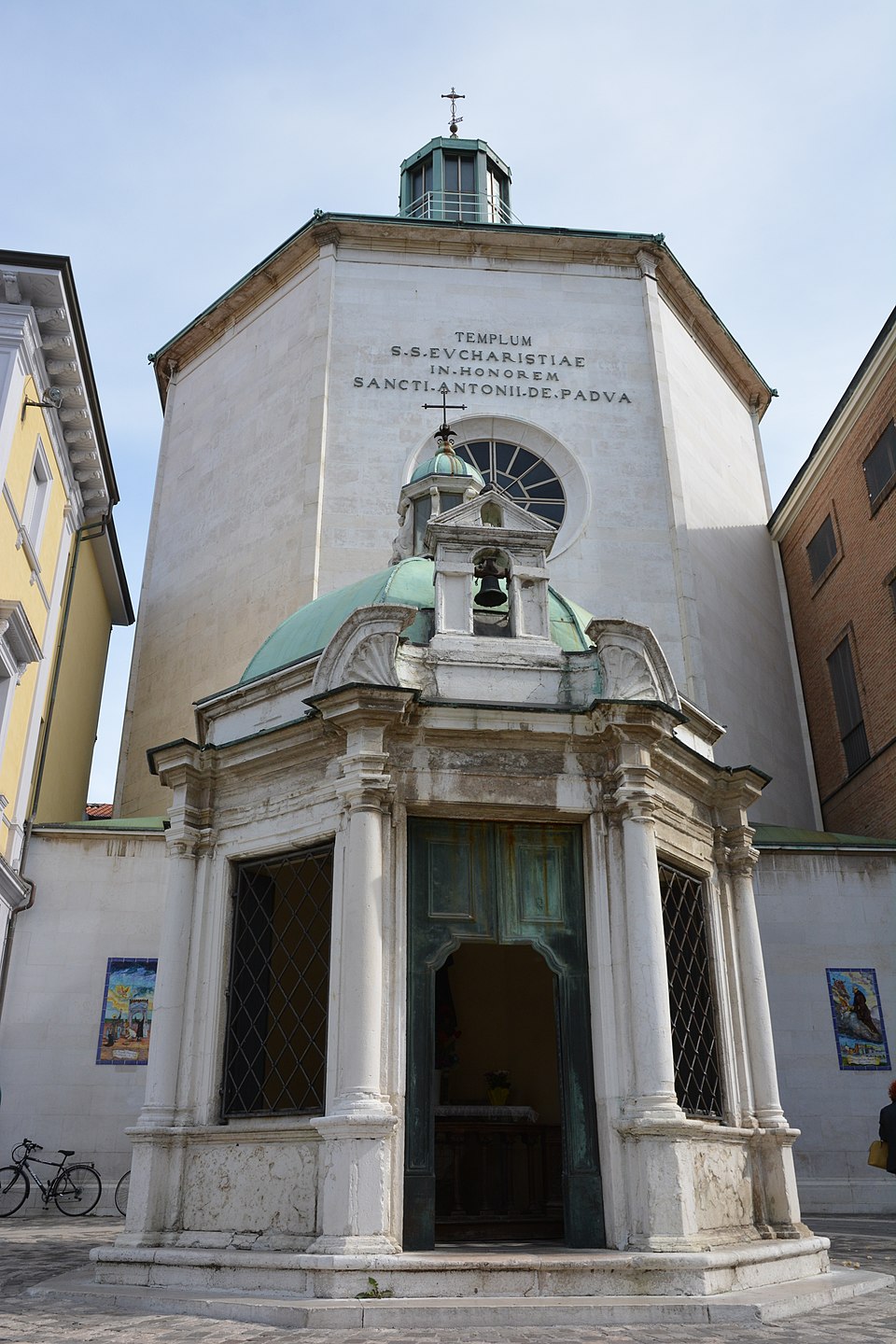
Miracle of Rimini
Rimini, Italy
St. Anthony of Padua challenged a heretic who denied the Real Presence. The heretic agreed that if his starving mule knelt before the Blessed Sacrament instead of eating, he would believe. The mule, despite being starved for three days, ignored the food and knelt before the Eucharist.
Read →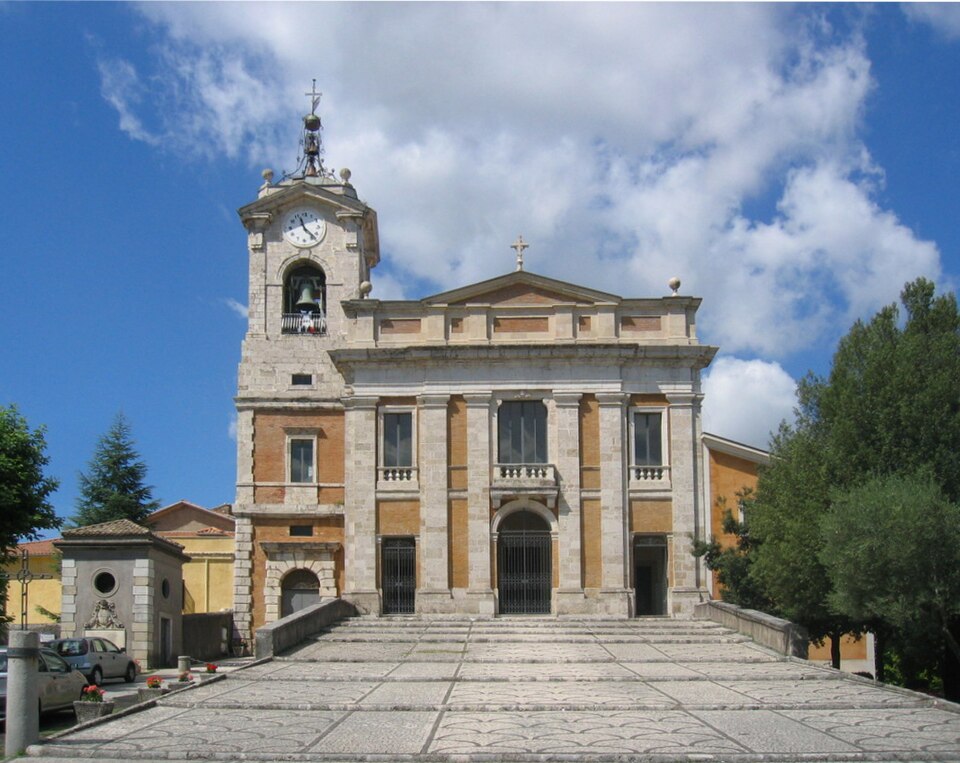
Miracle of Alatri
Alatri, Italy
A young woman stole a consecrated Host for use in a love spell. When she unwrapped it at home, the Host had transformed into flesh. Pope Gregory IX personally investigated the miracle and declared it authentic, ordering the relic to be preserved in the Cathedral of Alatri.
Read →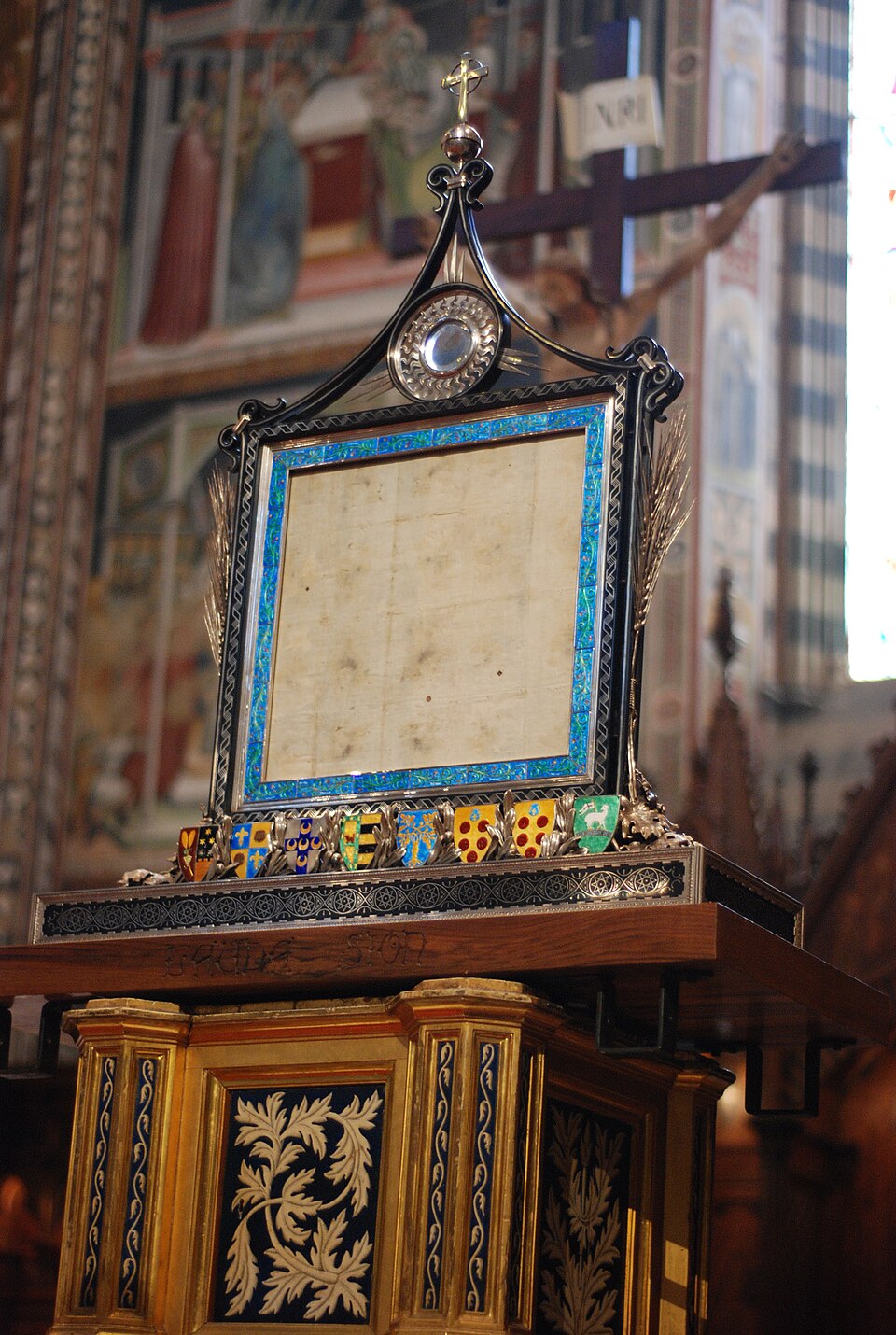
Miracle of Florence
Florence, Italy
A priest who had forgotten to clean the chalice after Mass found the remaining consecrated wine had transformed into blood, which then coagulated into visible clots. The blood was preserved and a second miracle occurred in 1595 when the blood was found to be still fresh after 365 years.
Read →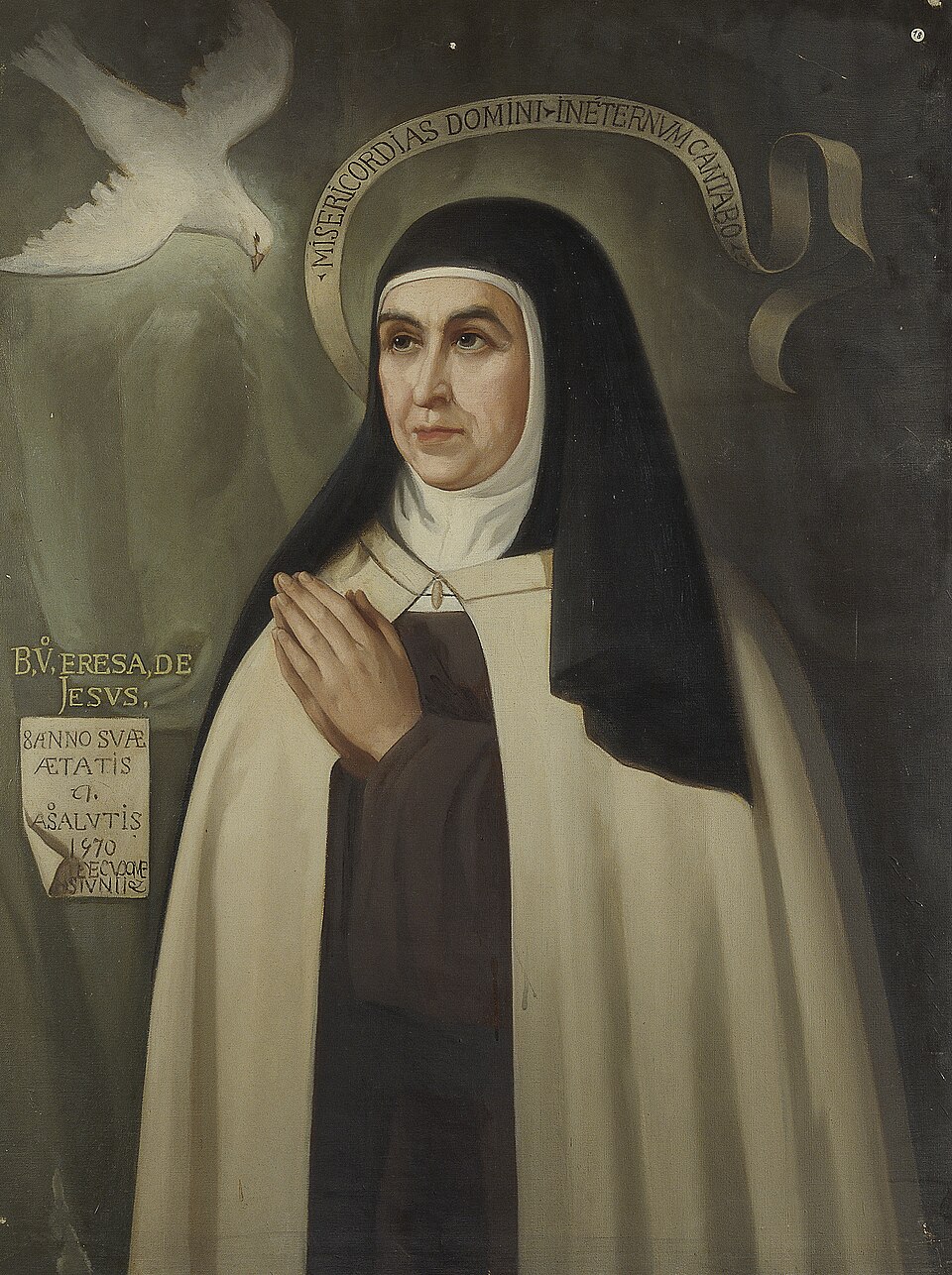
Miracle of Caravaca de la Cruz
Caravaca de la Cruz, Spain
According to tradition, while a priest was celebrating Mass for a Moorish king, two angels appeared carrying a cross containing a fragment of the True Cross. The cross has been venerated in Caravaca for nearly 800 years, and the city is one of five Holy Cities in Christianity.
Read →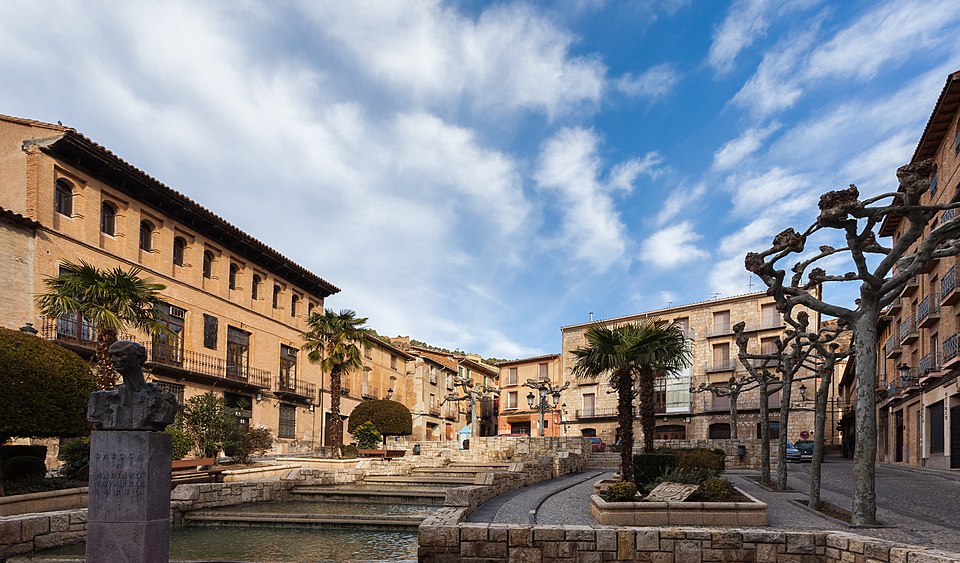
Miracle of Daroca
Daroca, Spain
During the Reconquista, six consecrated Hosts were hidden in a corporal to protect them during battle against the Moors. When the corporal was unwrapped after the battle, the Hosts were found to be stained with blood and fused to the cloth. The bloodstained corporal is preserved in the Basilica of Daroca.
Read →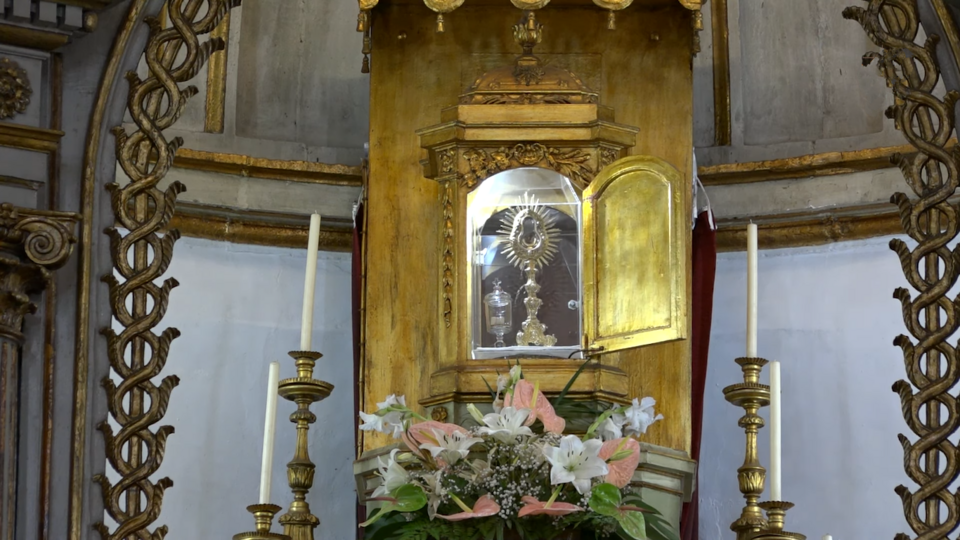
Miracle of Santarém
Santarém, Portugal
A woman stole a consecrated Host to use in a love spell. As she carried it home wrapped in a cloth, the Host began to bleed profusely. Frightened, she hid it in a trunk, but during the night a mysterious light emanated from the trunk. The Host has been preserved for over 750 years and continues to show traces of blood.
Read →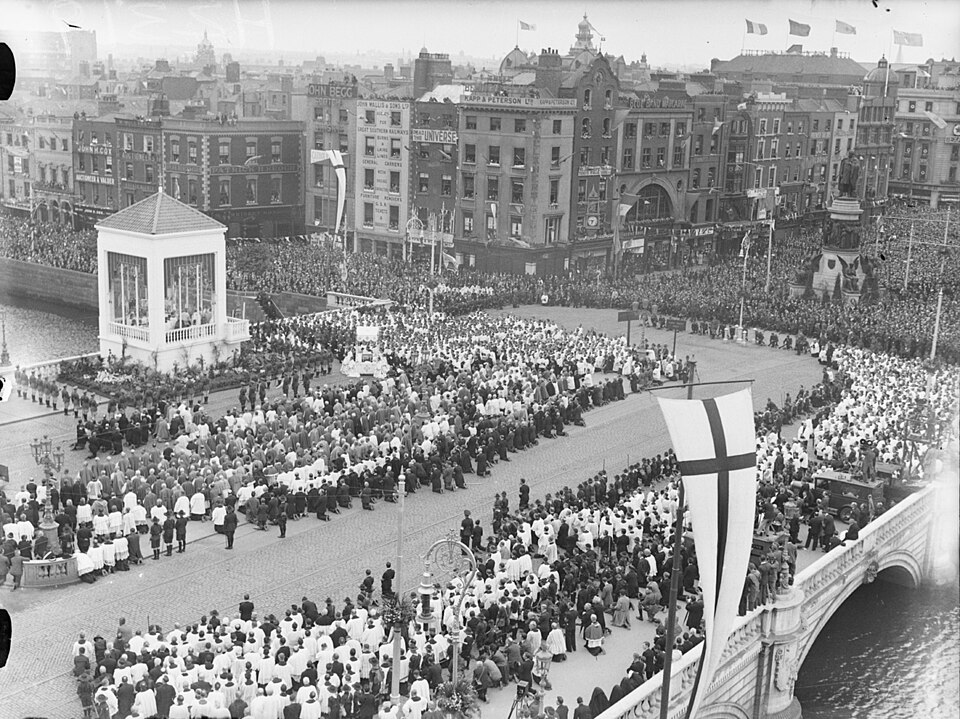
Miracle of Douai
Douai, France
A priest celebrating Mass saw the consecrated Host transform into the visible form of the Christ Child. Multiple witnesses confirmed the vision. The miracle was investigated and approved by Church authorities.
Read →
Miracle of Regensburg
Regensburg, Germany
A priest celebrating Mass saw the consecrated Host transform into the form of a beautiful child. The vision was witnessed by others present at the Mass and was investigated and approved by Church authorities.
Read →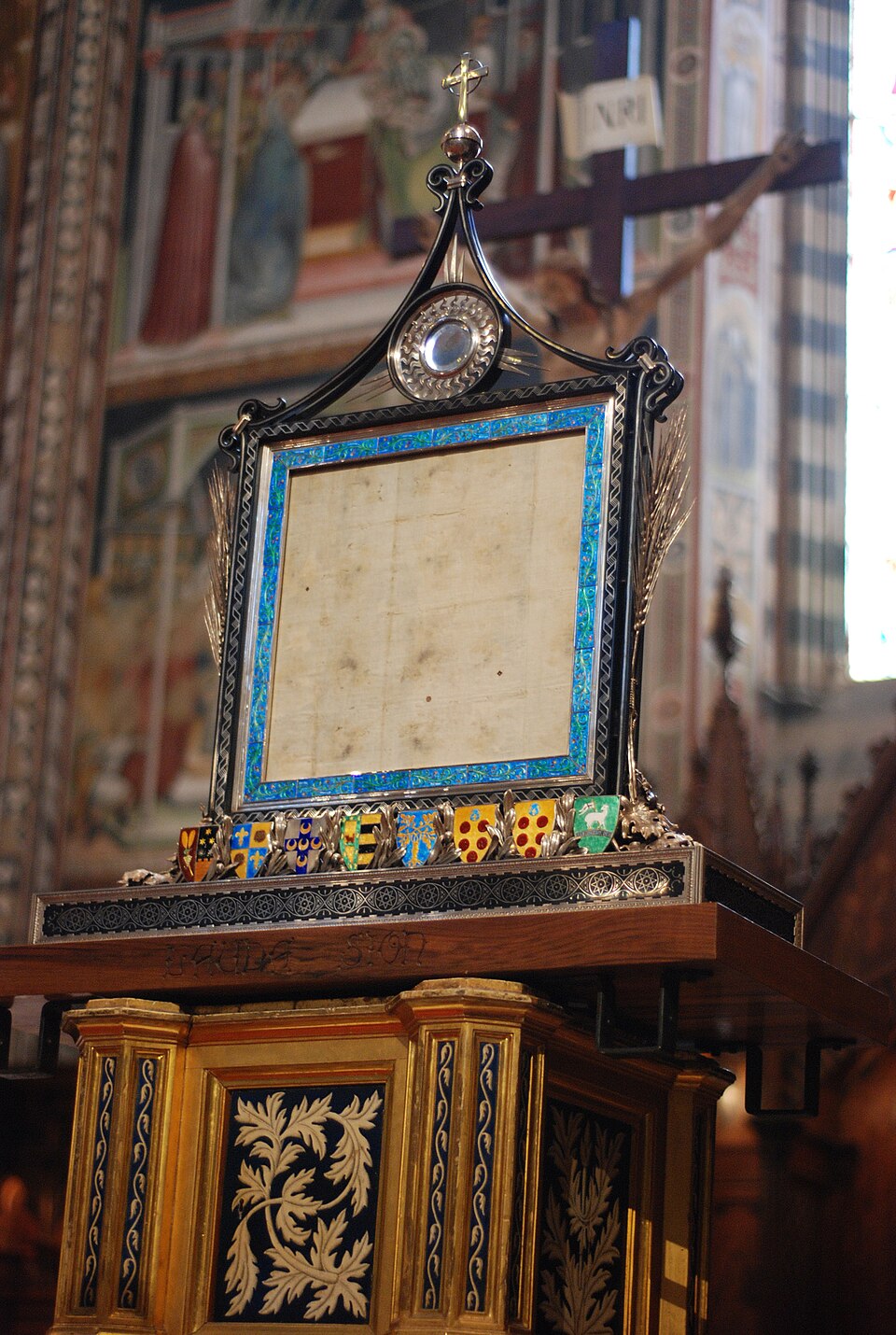
Miracle of Orvieto
Orvieto, Italy
The Cathedral of Orvieto was built to house the bloodstained corporal from the Miracle of Bolsena. The relic is displayed annually during the Feast of Corpus Christi in a magnificent golden reliquary. The cathedral's facade features stunning reliefs depicting the miracle, making it one of the most important Eucharistic shrines in the world.
Read →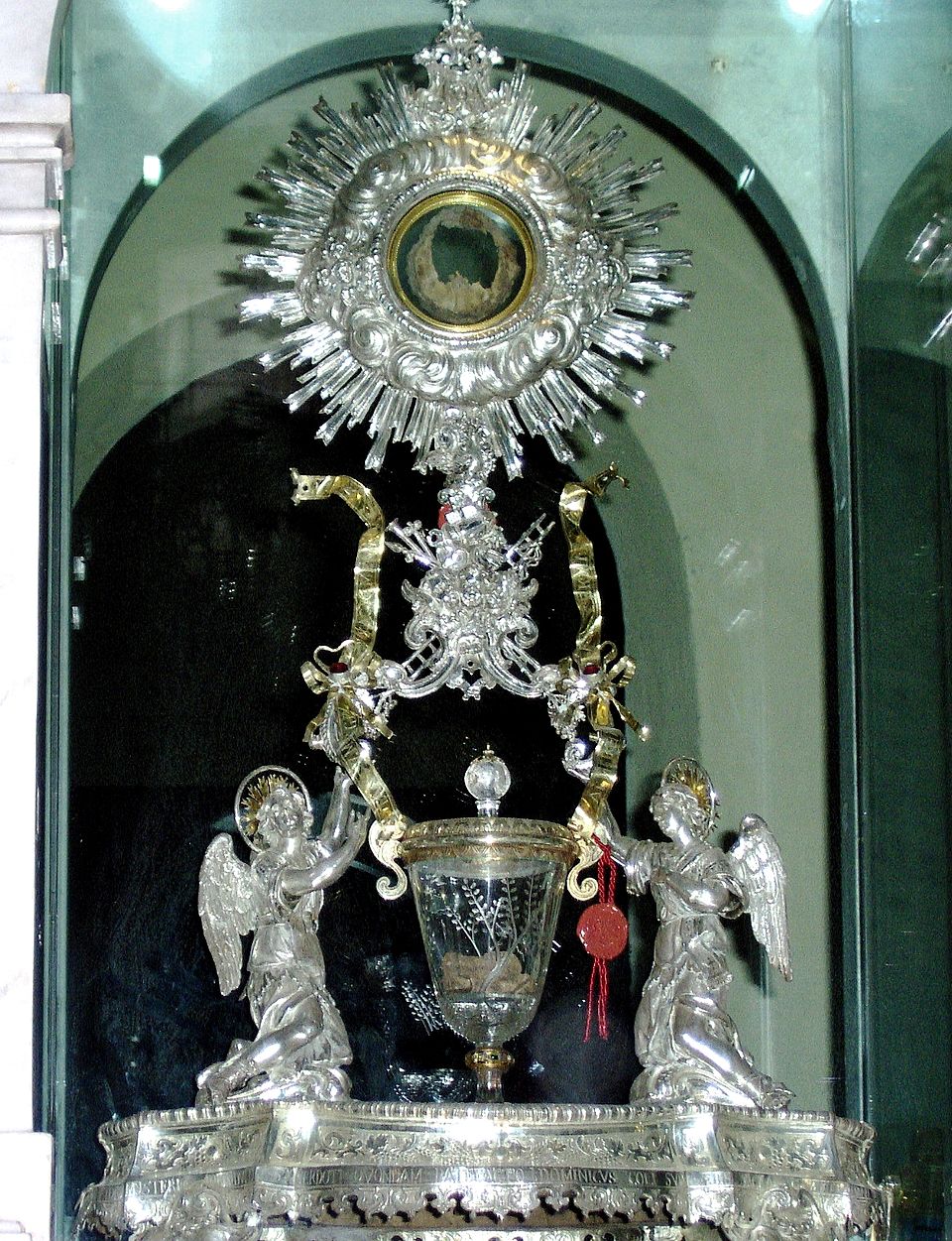
Miracle of Bolsena
Bolsena, Italy
A Bohemian priest doubting transubstantiation celebrated Mass at the Basilica of Santa Cristina. When he broke the consecrated Host, it began to bleed onto the corporal cloth. Pope Urban IV, residing nearby in Orvieto, investigated and subsequently instituted the Feast of Corpus Christi for the universal Church. The bloodstained corporal is preserved in the Cathedral of Orvieto.
Read →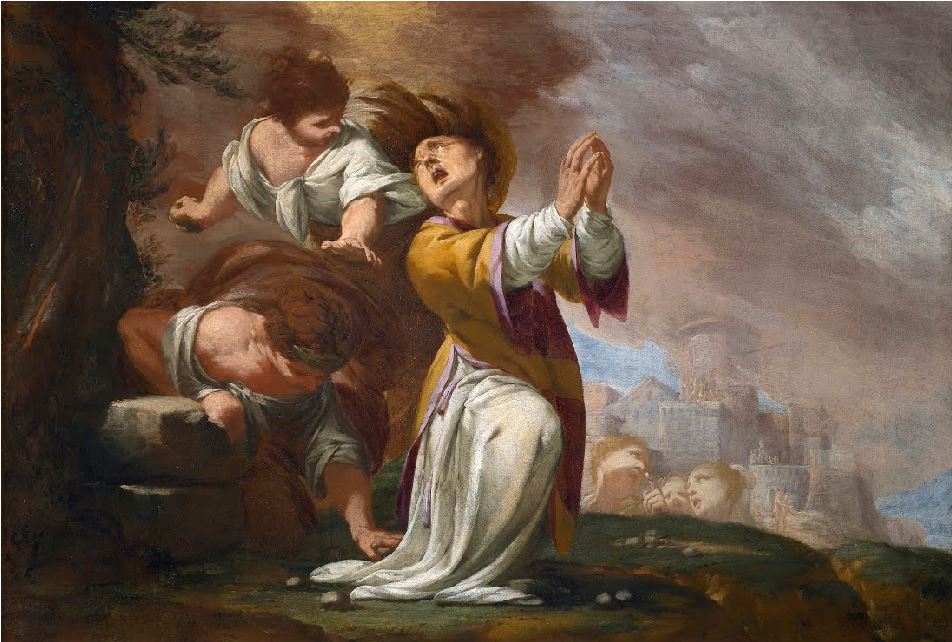
Miracle of Offida
Offida, Italy
A woman, instructed by a sorceress, stole a consecrated Host and placed it over a fire. The Host transformed into bleeding flesh. Terrified, she wrapped it in a cloth and buried it in her stable. The relic was later recovered and has been preserved in the Church of Sant'Agostino for over 750 years.
Read →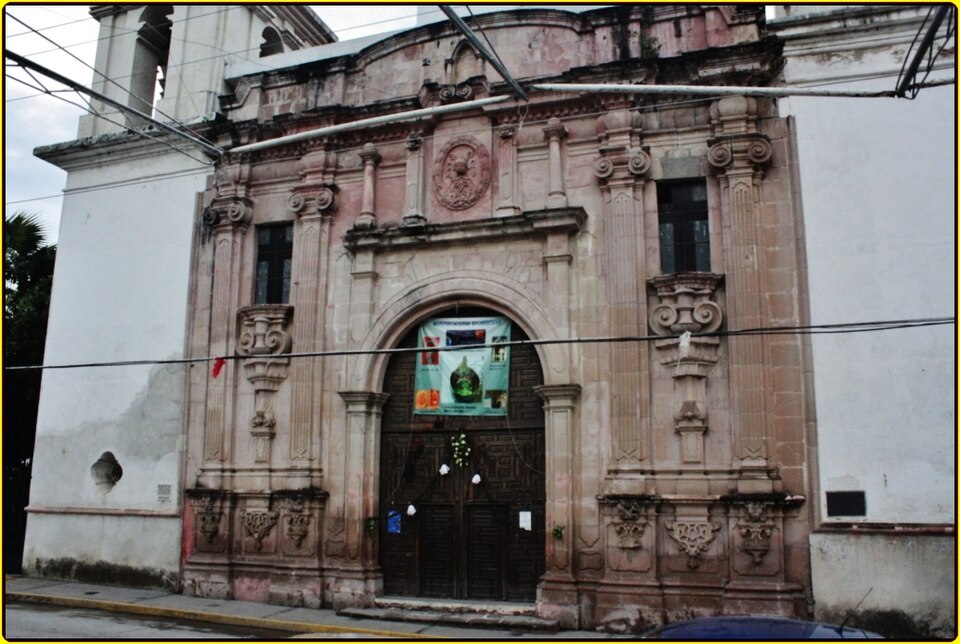
Miracle of Paris
Paris, France
A consecrated Host was stabbed with a knife and thrown into boiling water. The Host rose from the water, floated in the air, and bled. The miracle was witnessed by many and led to the construction of the Chapel of the Miracle. The event is depicted in numerous medieval artworks.
Read →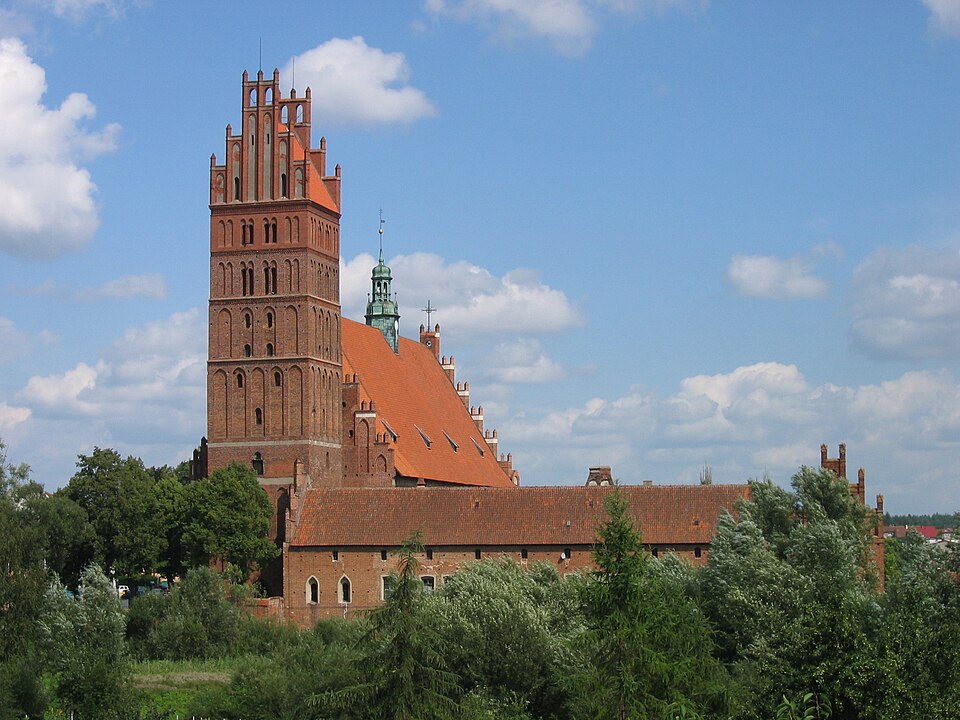
Miracle of Glotowo
Glotowo, Poland
A stolen consecrated Host was found bleeding in a field. The discovery site became a pilgrimage destination, and the Sanctuary of the Blessed Sacrament was built there. The miracle is one of the oldest documented Eucharistic miracles in Poland.
Read →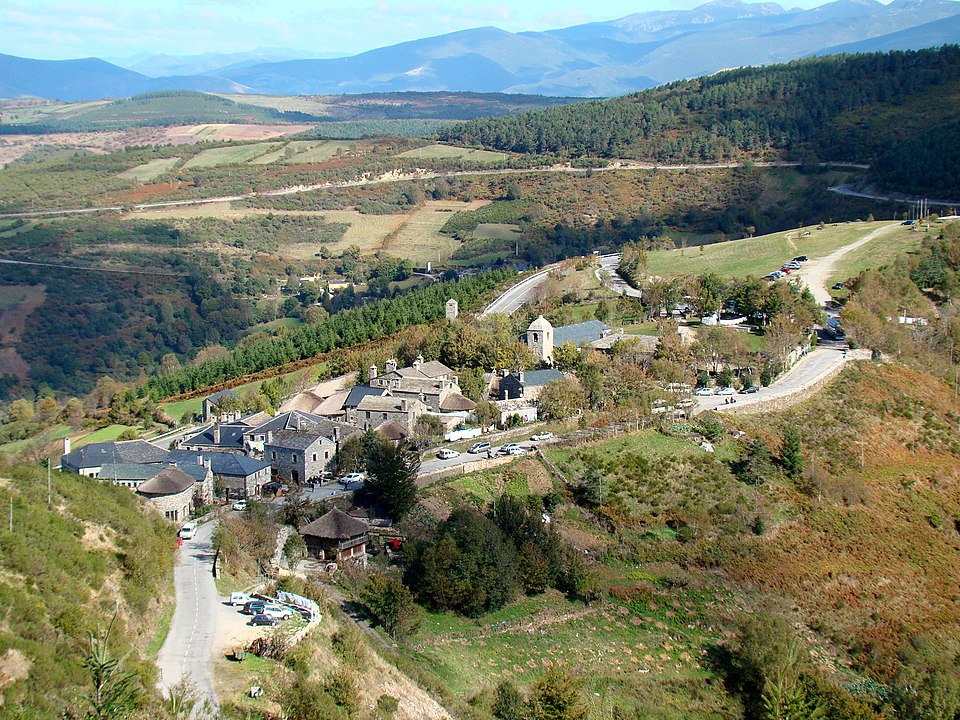
Miracle of O Cebreiro
O Cebreiro, Spain
A monk celebrating Mass in a remote mountain church doubted the Real Presence. At the moment of consecration, the bread visibly transformed into flesh and the wine into blood before his eyes. The relics are preserved in the church on the Camino de Santiago pilgrimage route.
Read →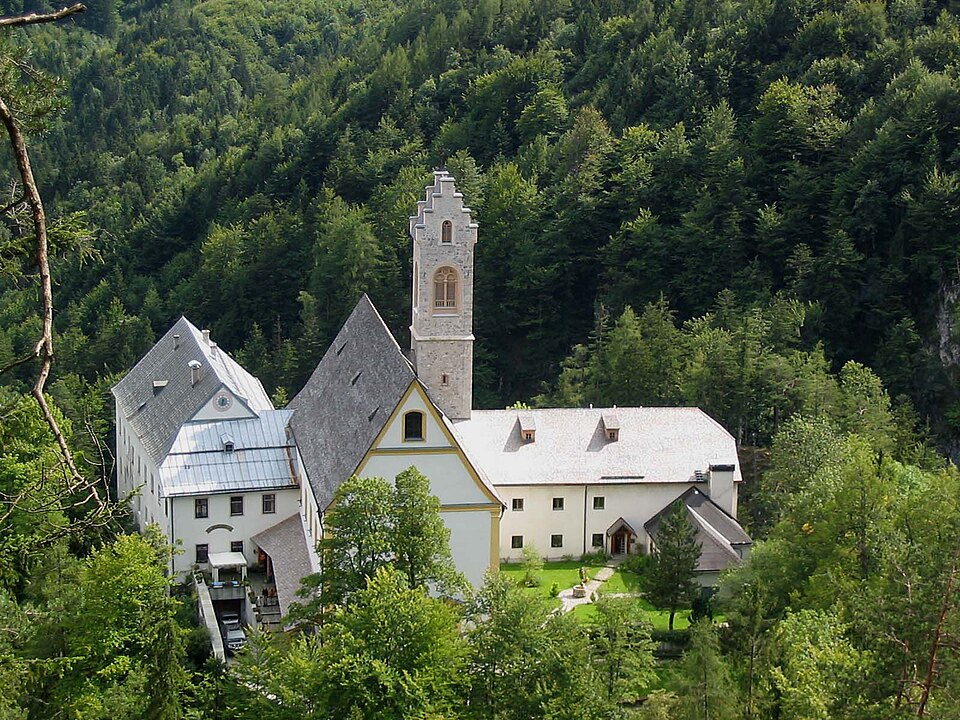
Miracle of Fiecht
Fiecht, Austria
A priest celebrating Mass saw the consecrated wine transform into blood that overflowed from the chalice. The blood was preserved in a vial and has been venerated at the Benedictine Abbey of St. Georgenberg-Fiecht for over 700 years.
Read →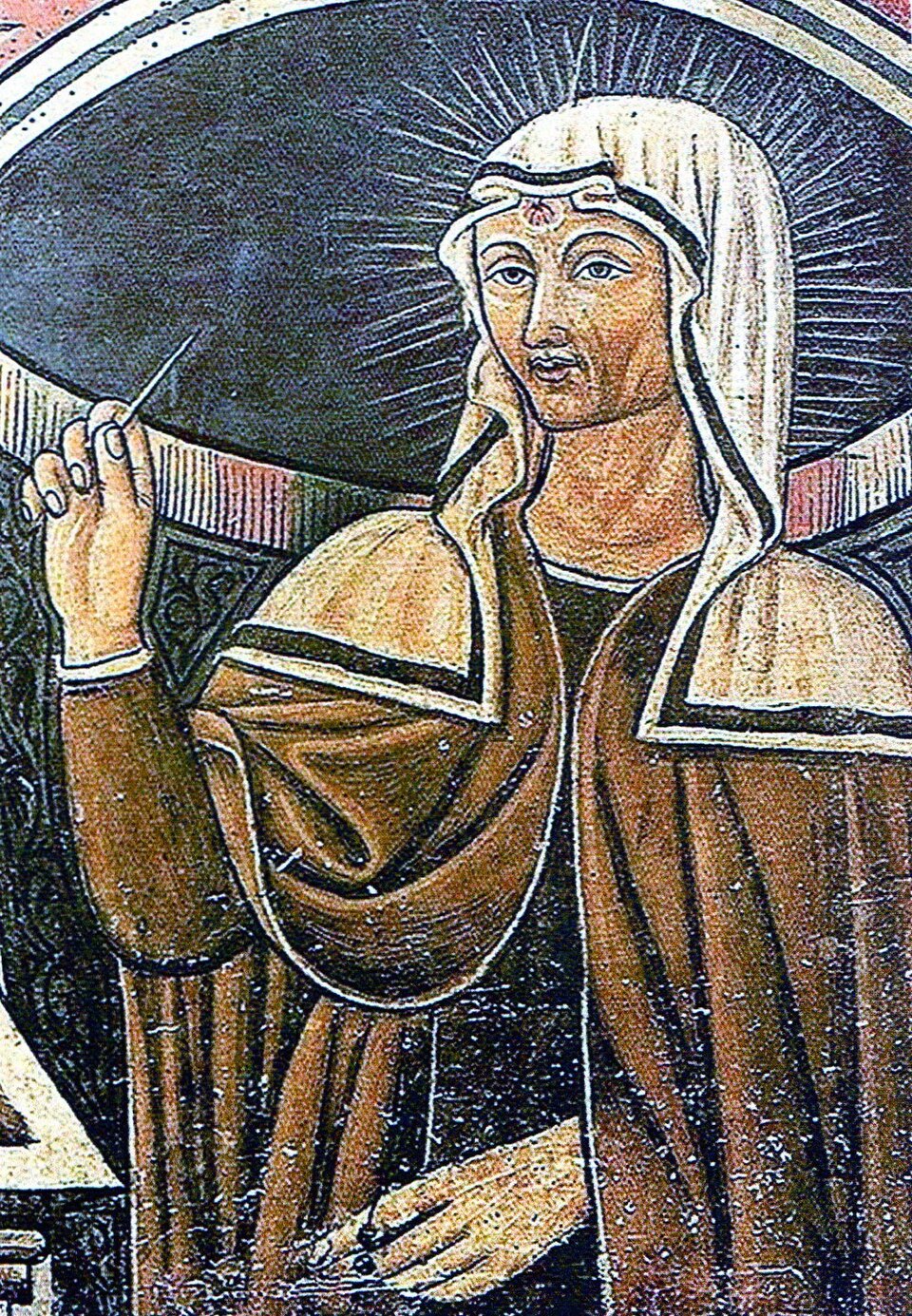
Miracle of Cascia
Cascia, Italy
A dying man asked a priest to bring him Communion. The priest irreverently placed the consecrated Host inside his prayer book. When he opened the book later, he found the pages stained with blood from the Host. The bloodstained pages are preserved in the Basilica of Santa Rita.
Read →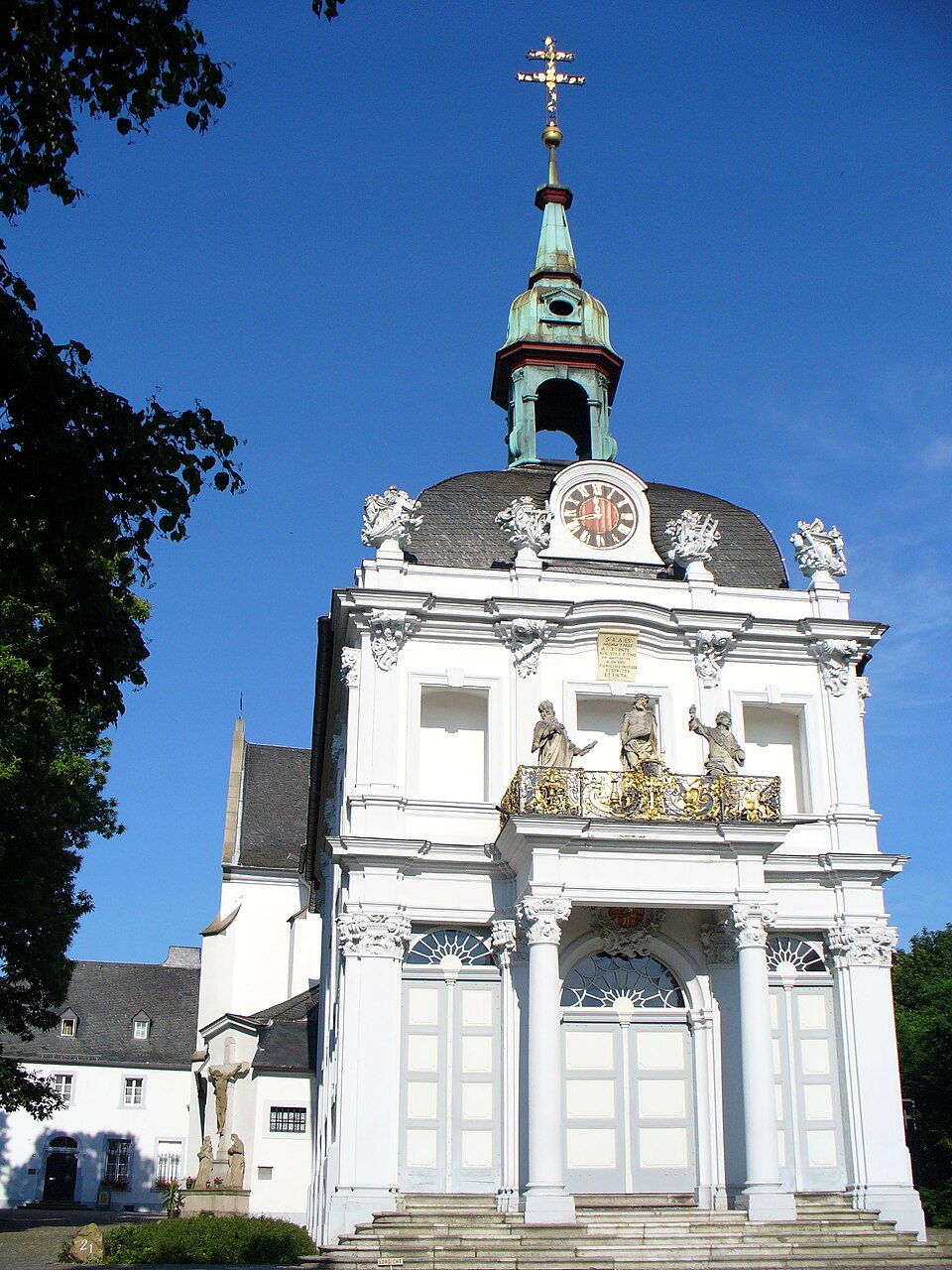
Miracle of Walldürn
Walldürn, Germany
A priest accidentally knocked over the chalice during Mass, spilling the consecrated wine onto the corporal. The wine formed an image of the crucified Christ surrounded by eleven images of the head of Christ wearing the crown of thorns. The bloodstained corporal is preserved in the Basilica of the Holy Blood.
Read →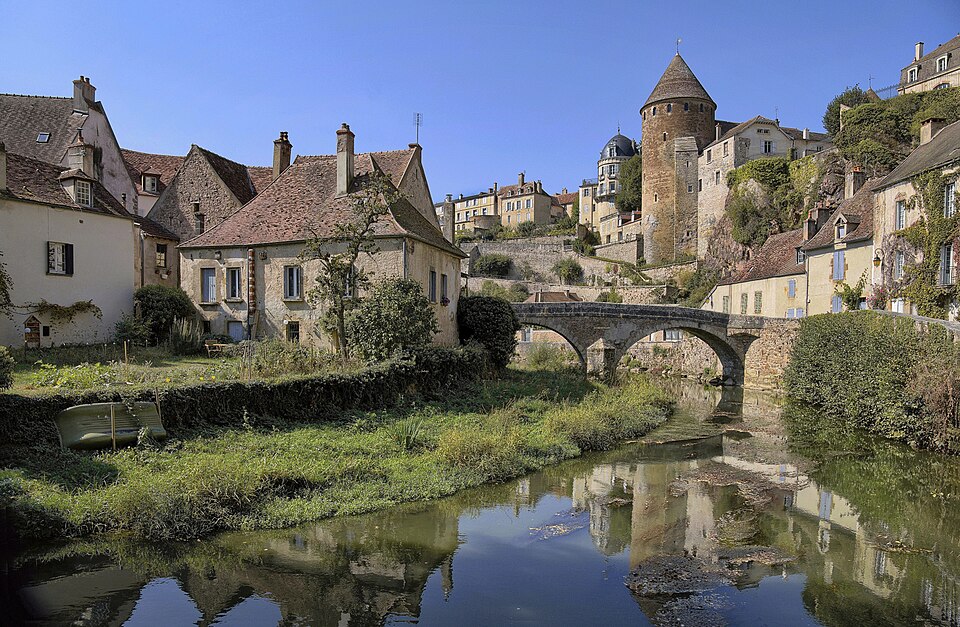
Miracle of Blanot
Blanot, France
A woman receiving Communion felt the Host transform in her mouth. She removed it and found it had become a piece of flesh with visible blood vessels. The relic was examined by the local bishop and preserved in the church.
Read →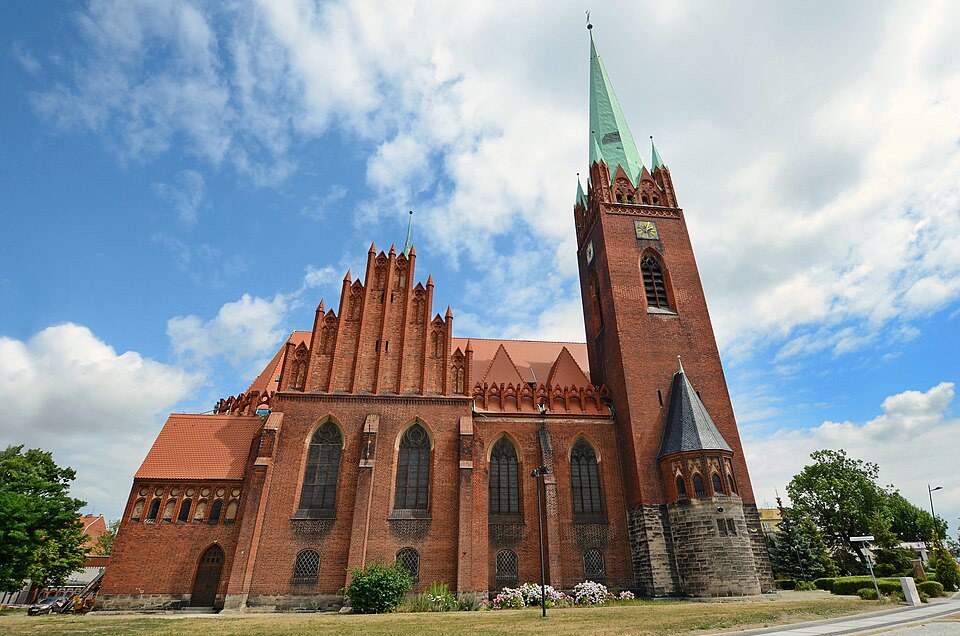
Miracle of Krakow
Krakow, Poland
Stolen consecrated Hosts were discarded in a marsh outside Krakow. Mysterious lights were seen emanating from the marsh, leading to the discovery of the Hosts, which were found perfectly preserved and glowing. King Casimir III ordered the construction of the Corpus Christi Basilica on the site.
Read →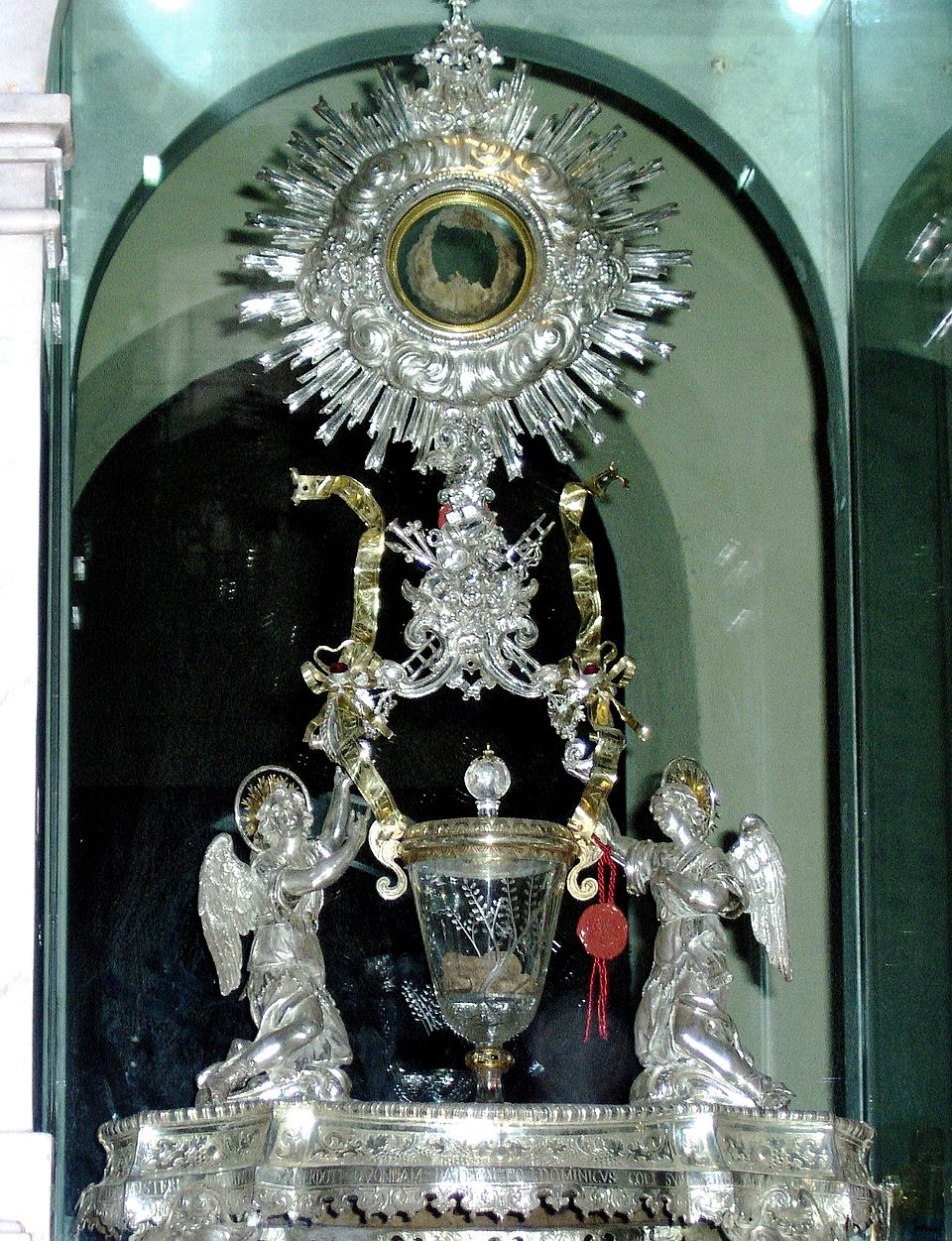
Miracle of Amsterdam
Amsterdam, Netherlands
A dying man received Communion but vomited. The vomit was thrown into a fire, but the next morning the consecrated Host was found intact and unburned among the ashes. The Host survived a second fire when the house burned down. The miracle became the founding event of Amsterdam's civic identity.
Read →Miracle of Alboraya-Almacera
Alboraya, Spain
A priest carrying consecrated Hosts to the sick hid them in a field when he encountered Moorish soldiers. When he returned, the Hosts had fused with the corporals and showed traces of blood. The relics are preserved in the Church of the Holy Corporals.
Read →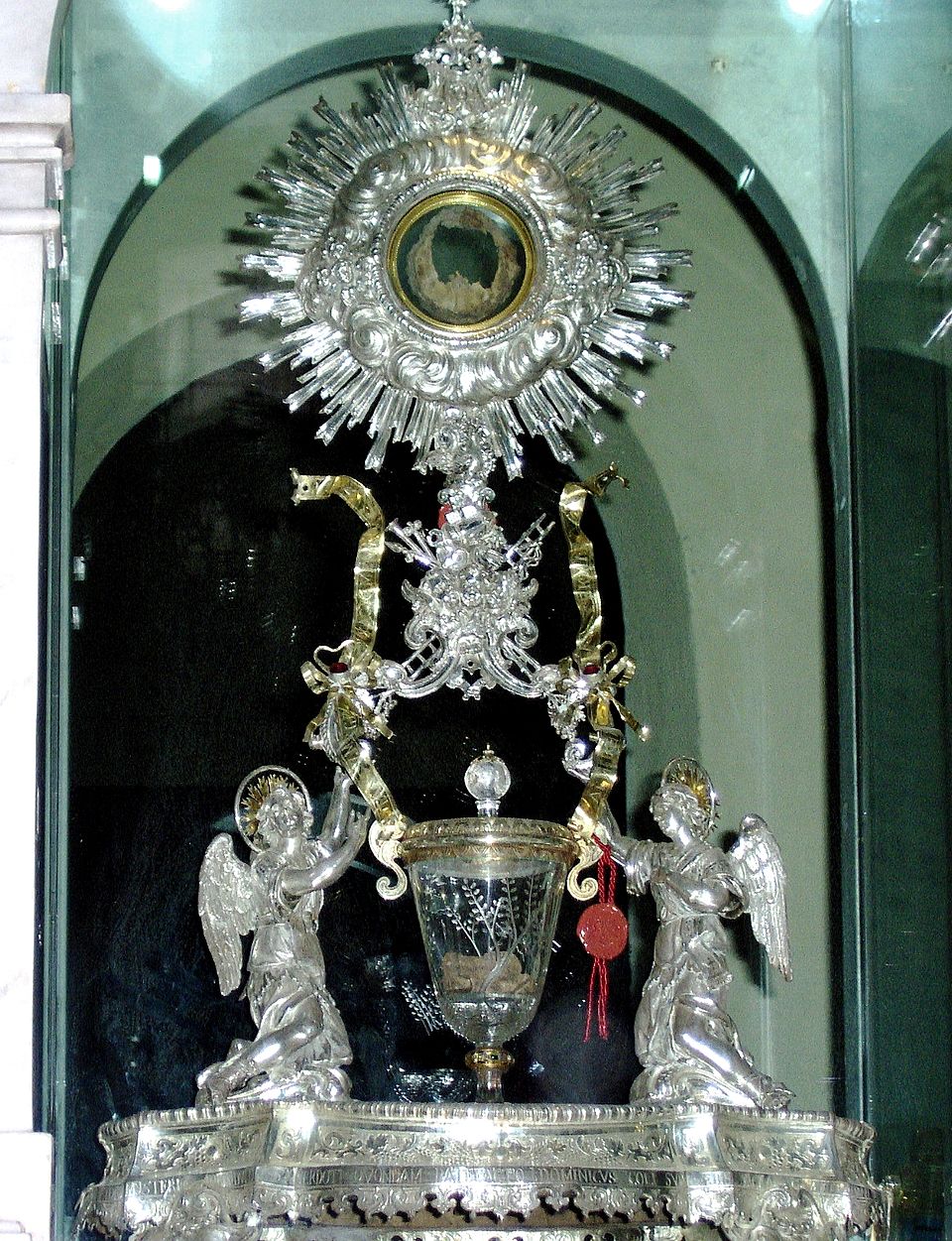
Miracle of Brussels
Brussels, Belgium
In 1370, stolen consecrated Hosts were stabbed with daggers in a desecration ritual. The Hosts began to bleed profusely. The bleeding Hosts were recovered and brought to the Cathedral of St. Michael and St. Gudula, where they were venerated for centuries. The miracle is commemorated in the cathedral's magnificent stained glass windows.
Read →
Miracle of Seefeld
Seefeld in Tirol, Austria
A knight demanded to receive a large Host reserved for the priest rather than the small Host given to laypeople. When the priest complied, the ground beneath the knight began to sink, and the Host turned to blood in his mouth. The knight's handprints are still visible on the altar where he grasped for support.
Read →
Miracle of Poznan
Poznan, Poland
Three stolen consecrated Hosts were stabbed and thrown into a marsh. The Hosts were found floating on the surface of the water, glowing with supernatural light. The miracle led to the construction of the Church of Corpus Christi on the site.
Read →
Miracle of Boxmeer
Boxmeer, Netherlands
A priest spilled consecrated wine on the corporal during Mass. The wine stain transformed into the image of a crucifix. The bloodstained corporal has been preserved for over 600 years and is displayed annually during the Holy Blood Procession.
Read →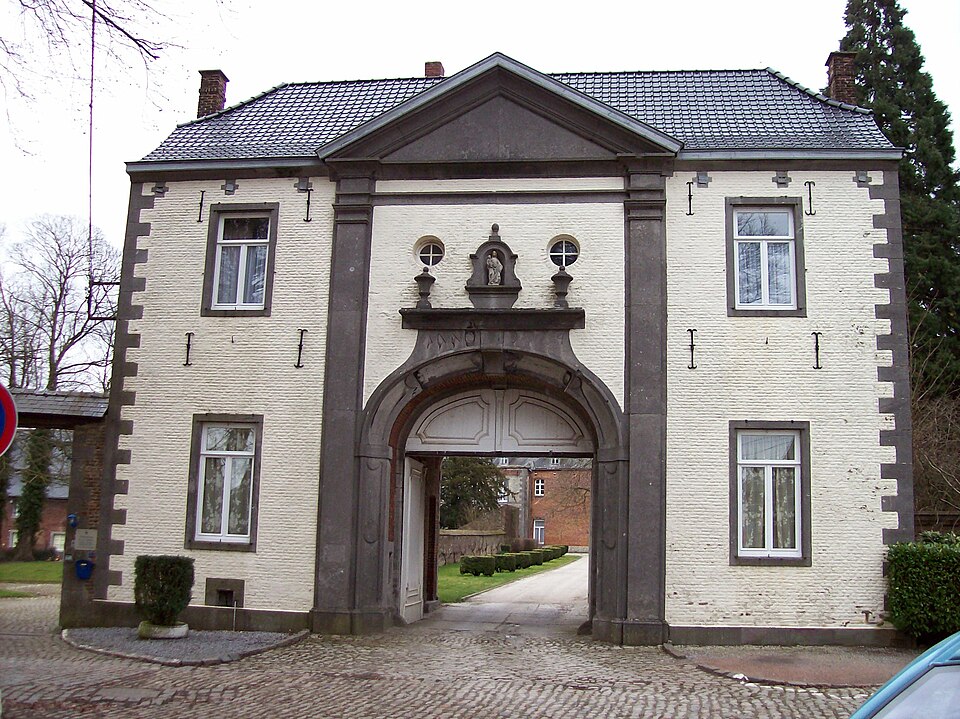
Miracle of Bois-Seigneur-Isaac
Bois-Seigneur-Isaac, Belgium
During Mass, the consecrated Host began to bleed onto the corporal. The bloodstained corporal has been preserved for over 600 years and is still displayed for veneration at the Priory of Bois-Seigneur-Isaac.
Read →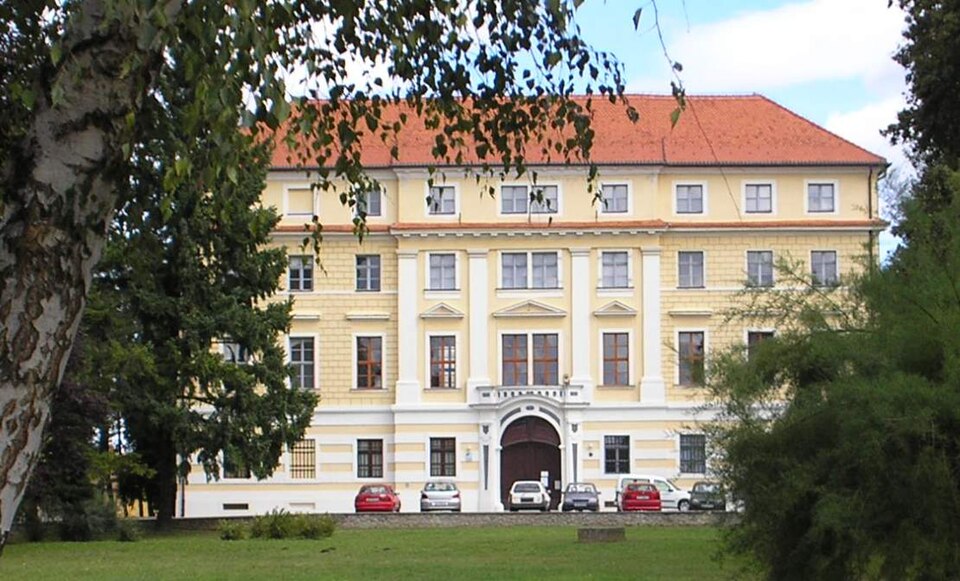
Miracle of Ludbreg
Ludbreg, Croatia
During Mass, the wine in the chalice transformed into blood. The blood has been preserved in a crystal vial for over 600 years. Pope Leo X confirmed the miracle in 1513, and the shrine is one of Croatia's most important pilgrimage sites.
Read →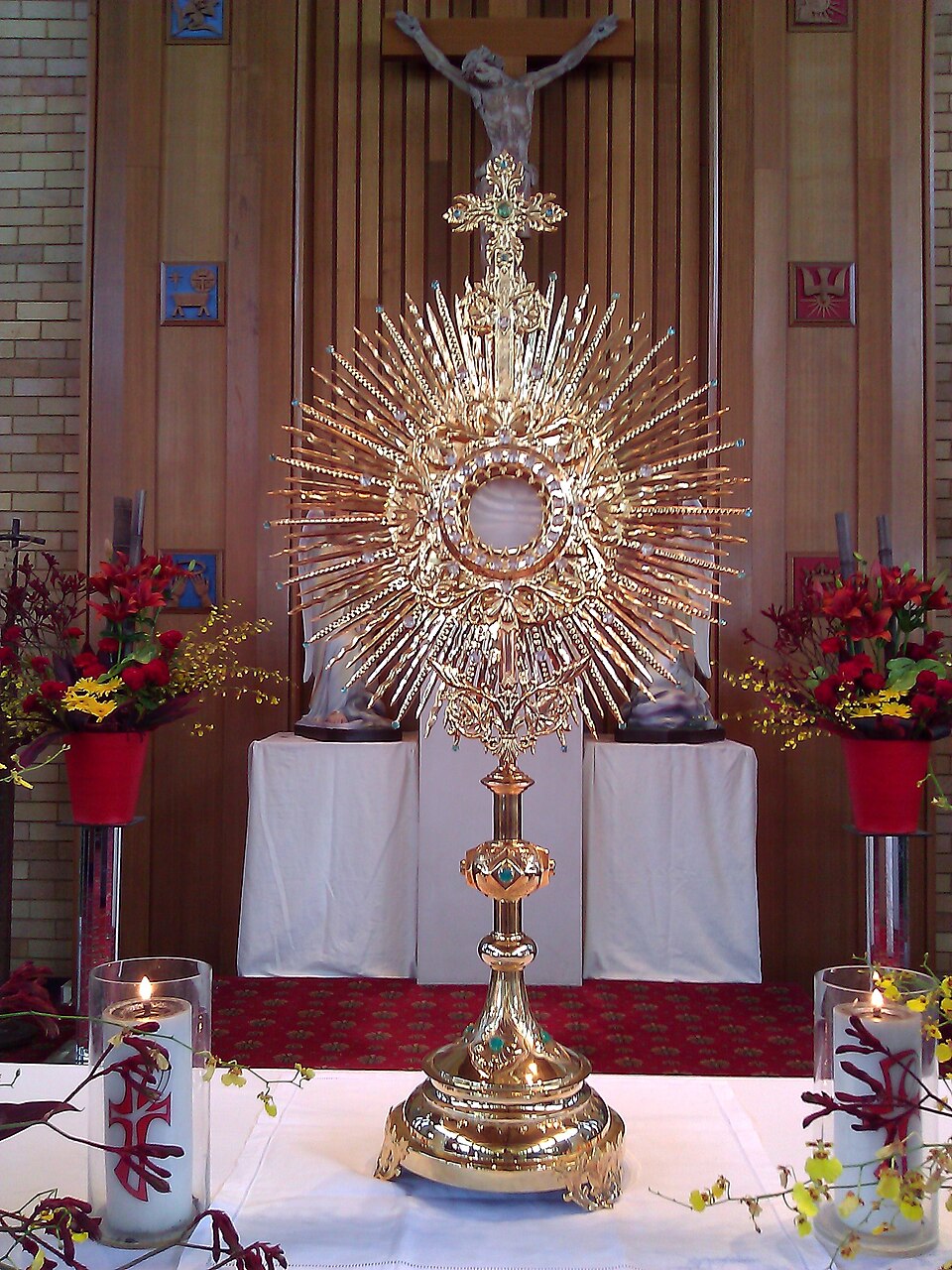
Miracle of Avignon
Avignon, France
During a devastating flood of the Rhône River, the church was submerged but the consecrated Hosts in the tabernacle were found perfectly dry and intact when the waters receded, despite everything else in the church being soaked and damaged.
Read →
Miracle of Ettiswil
Ettiswil, Switzerland
A stolen consecrated Host was found to be bleeding when the thief attempted to sell it. The bleeding Host was recovered and preserved. The miracle led to the construction of a chapel and became an important pilgrimage site in central Switzerland.
Read →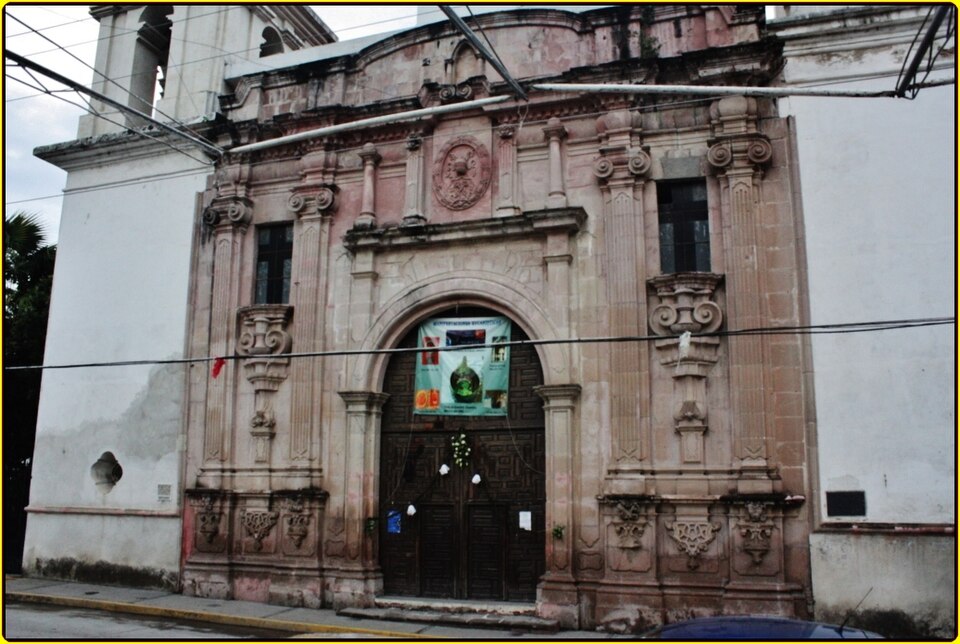
Miracle of Turin
Turin, Italy
Soldiers looting the town of Exilles stole a monstrance containing a consecrated Host. When the stolen goods were loaded onto a mule in Turin, the mule fell to the ground and the monstrance rose into the air, where the Host broke free and floated above the city, glowing with brilliant light.
Read →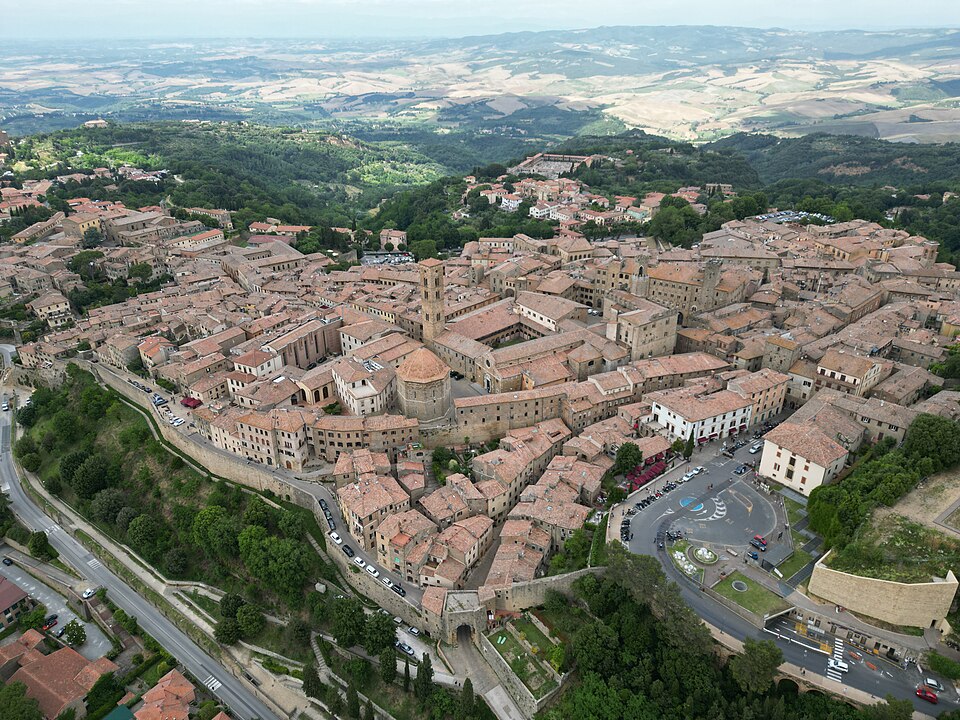
Miracle of Volterra
Volterra, Italy
Consecrated Hosts that had been stored in a ciborium were found to have fused together into a single mass of flesh. The miracle was investigated by the Bishop of Volterra and the relic was preserved in the Cathedral.
Read →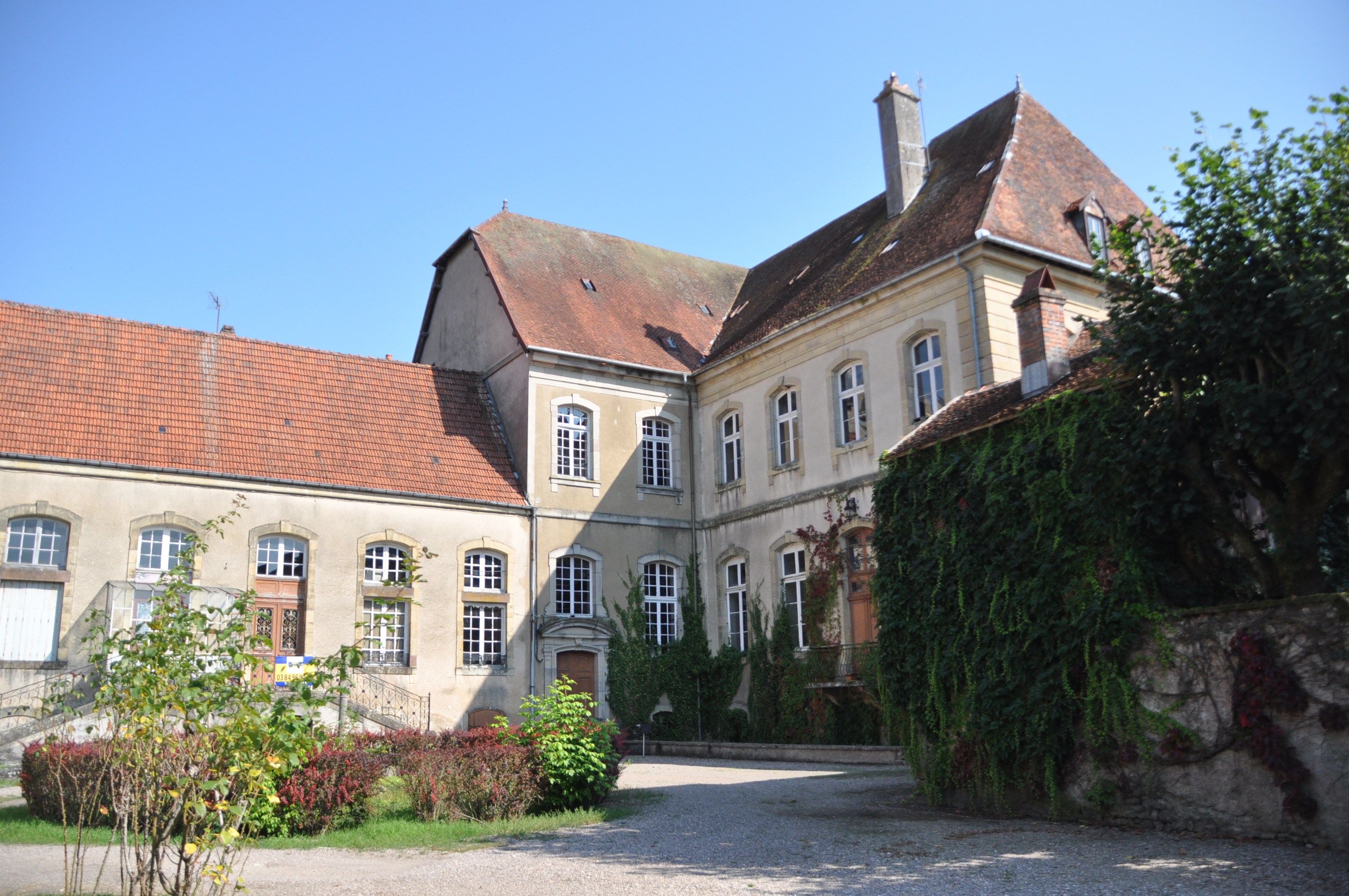
Miracle of Faverney
Faverney, France
During Forty Hours' Devotion, a fire destroyed the altar and everything on it — except the monstrance containing two consecrated Hosts, which was found suspended in mid-air above the flames. The Hosts remained floating for 33 hours before gently descending. The miracle was witnessed by hundreds of people.
Read →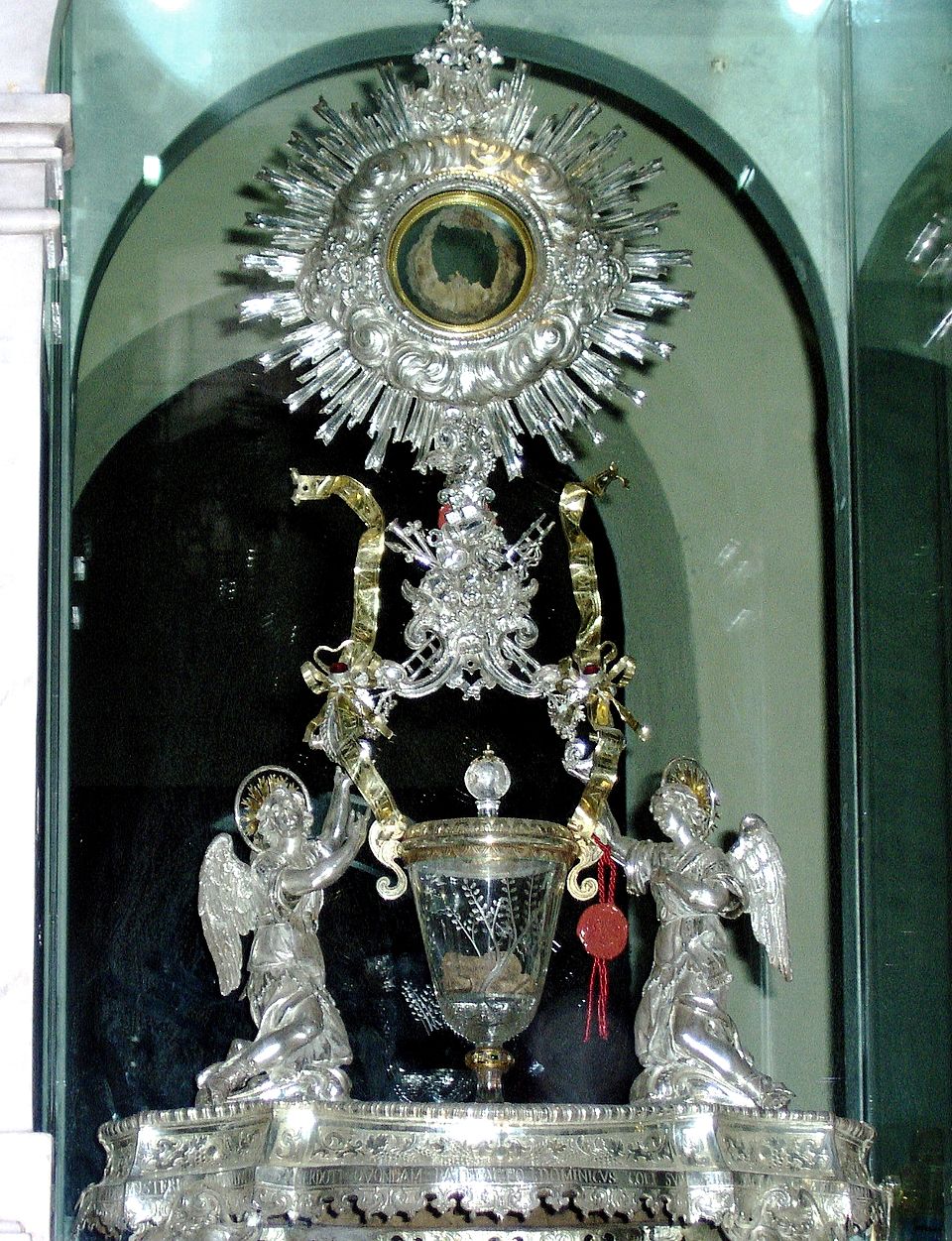
Miracle of Eten
Eten, Peru
The Christ Child appeared visibly in the consecrated Host during Mass, witnessed by the entire congregation. The apparition was repeated on multiple occasions. The miracle was investigated and approved by Church authorities.
Read →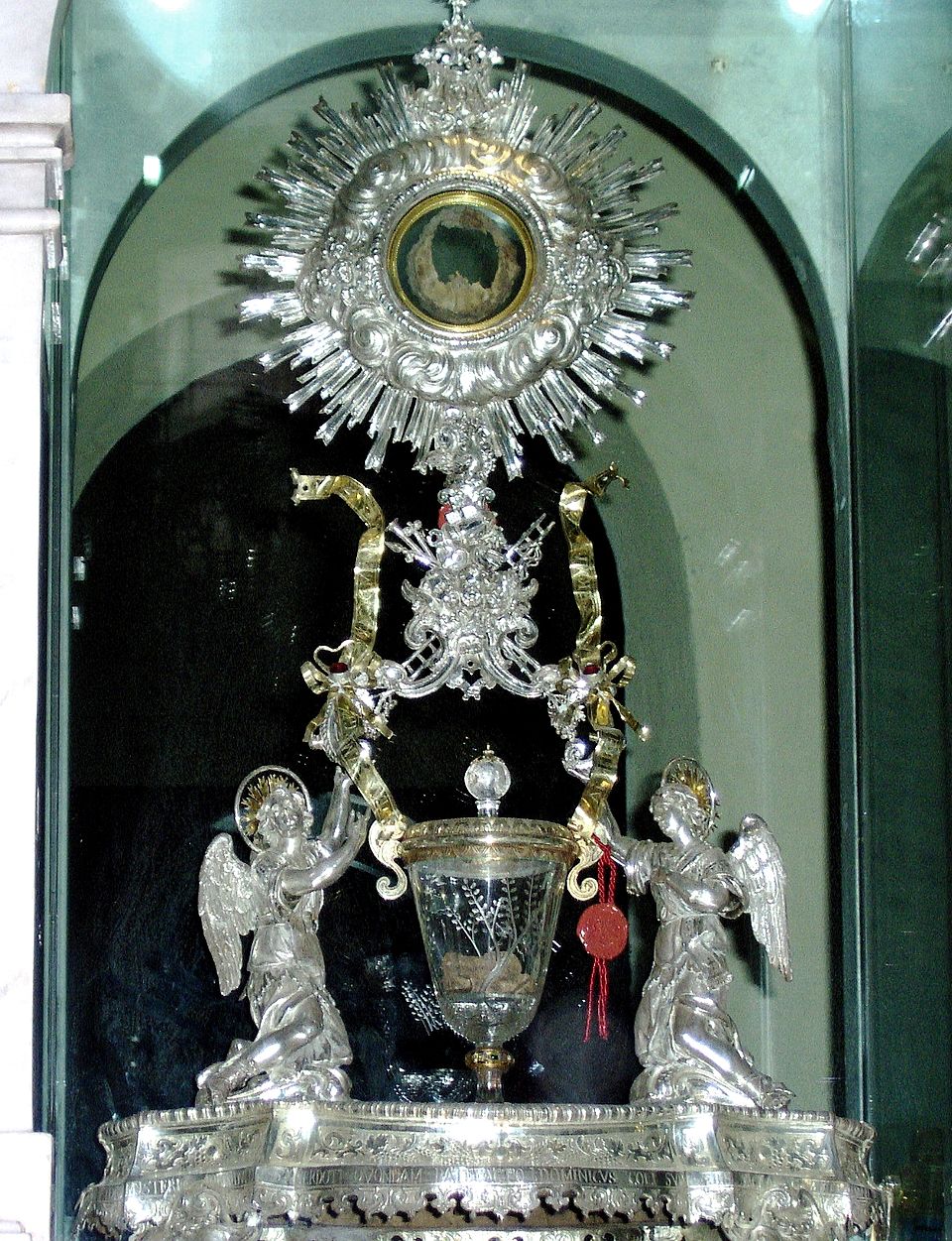
Miracle of Siena
Siena, Italy
On August 14, 1730, thieves stole a ciborium containing 351 consecrated Hosts from the Basilica of San Francesco. The Hosts were found three days later in an offering box at the nearby Sanctuary of Santa Maria in Provenzano, covered in dust and cobwebs but perfectly intact. Nearly 300 years later, the Hosts remain fresh and uncorrupted — defying all natural laws of bread decomposition.
Read →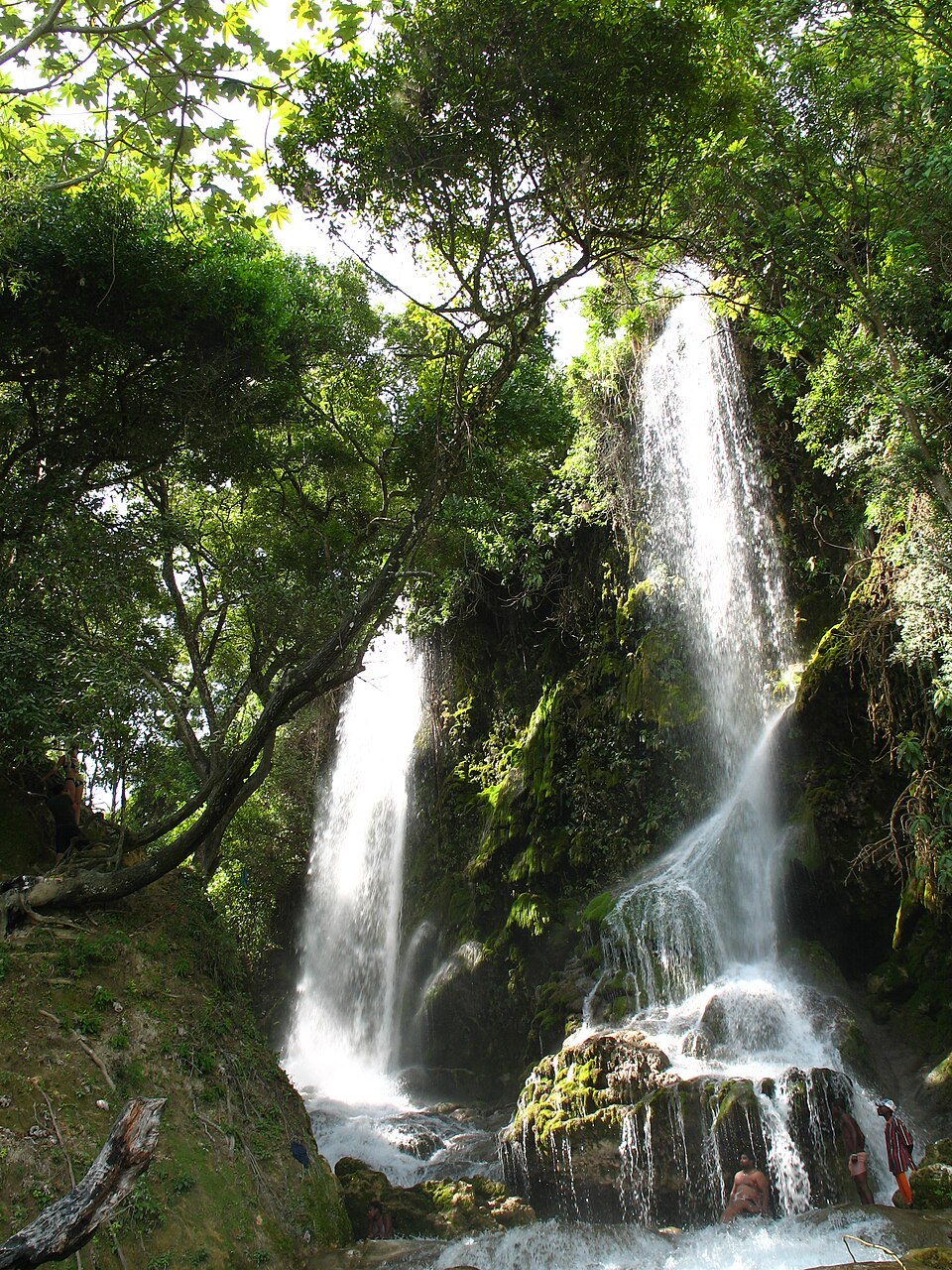
Miracle of Morne-Rouge
Morne-Rouge, Martinique
During the catastrophic eruption of Mount Pelée that destroyed the city of Saint-Pierre and killed 30,000 people, the town of Morne-Rouge was partially spared. The church's tabernacle containing the Blessed Sacrament survived the volcanic destruction intact.
Read →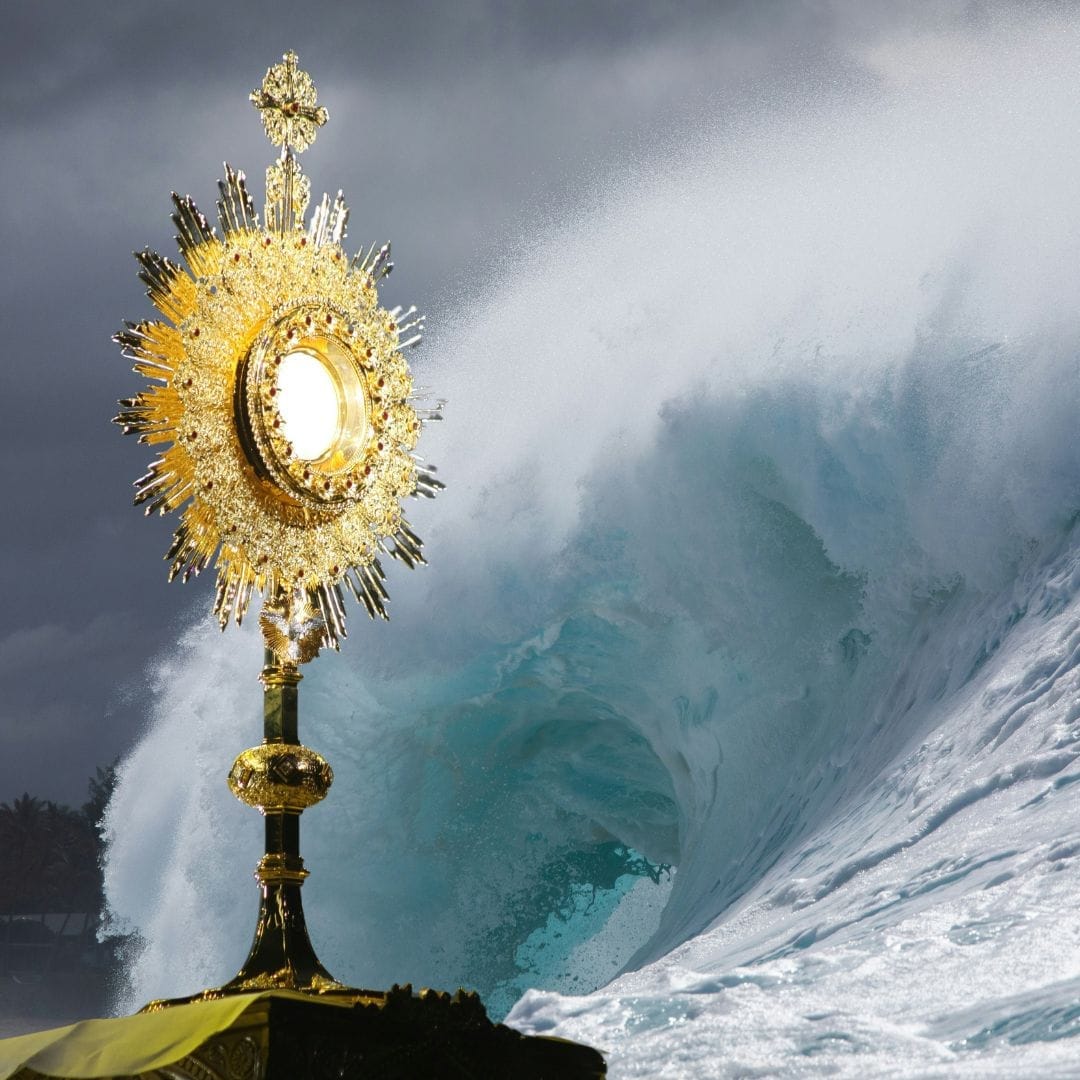
Miracle of Tumaco
Tumaco, Colombia
On January 31, 1906, a devastating earthquake and tsunami struck the Pacific coast of Colombia. The parish priest of Tumaco placed the Blessed Sacrament on the beach facing the incoming tidal wave. The wave miraculously split and receded, sparing the town from destruction.
Read →
Eucharistic Miracle of Tumaco
Tumaco, Colombia
A tsunami reportedly receded after a priest, Fr. Gerardo Larrondo, blessed the waves with the Holy Eucharist. The event is locally recognized as a miracle.
Read →
Miracle of Rosano
Rosano, Italy
During Mass at the Benedictine monastery, the consecrated Host began to bleed visibly. The bleeding Host was preserved and examined by Church authorities. The miracle is one of the few Eucharistic miracles to occur in the 20th century.
Read →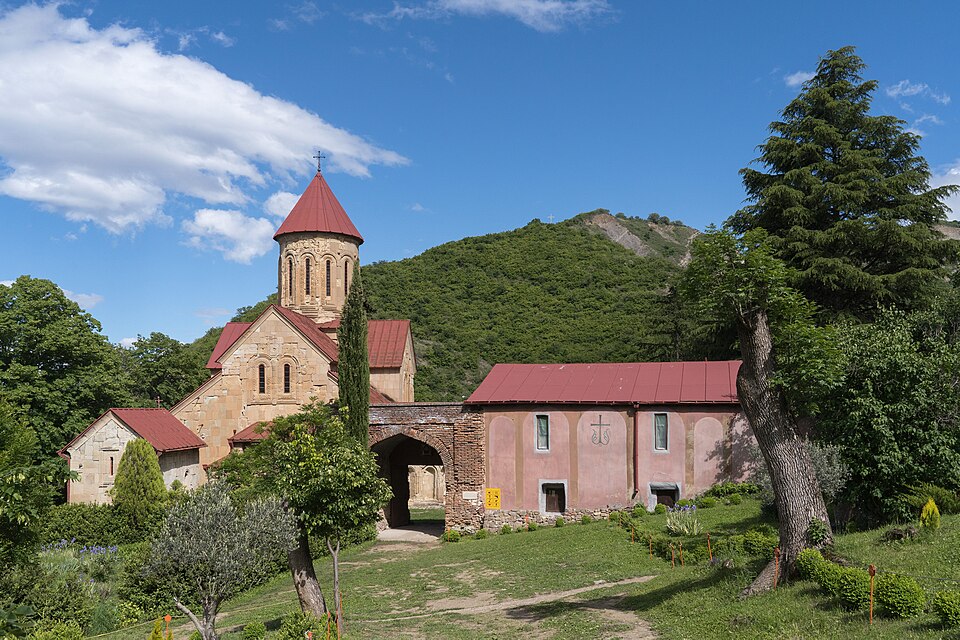
Miracle of Betania
Cúa, Venezuela
During Mass at the Marian apparition site of Betania, a consecrated Host began to bleed. The bleeding was witnessed by the celebrant and numerous attendees. The miracle occurred at the same site where the Virgin Mary had appeared to Maria Esperanza beginning in 1976.
Read →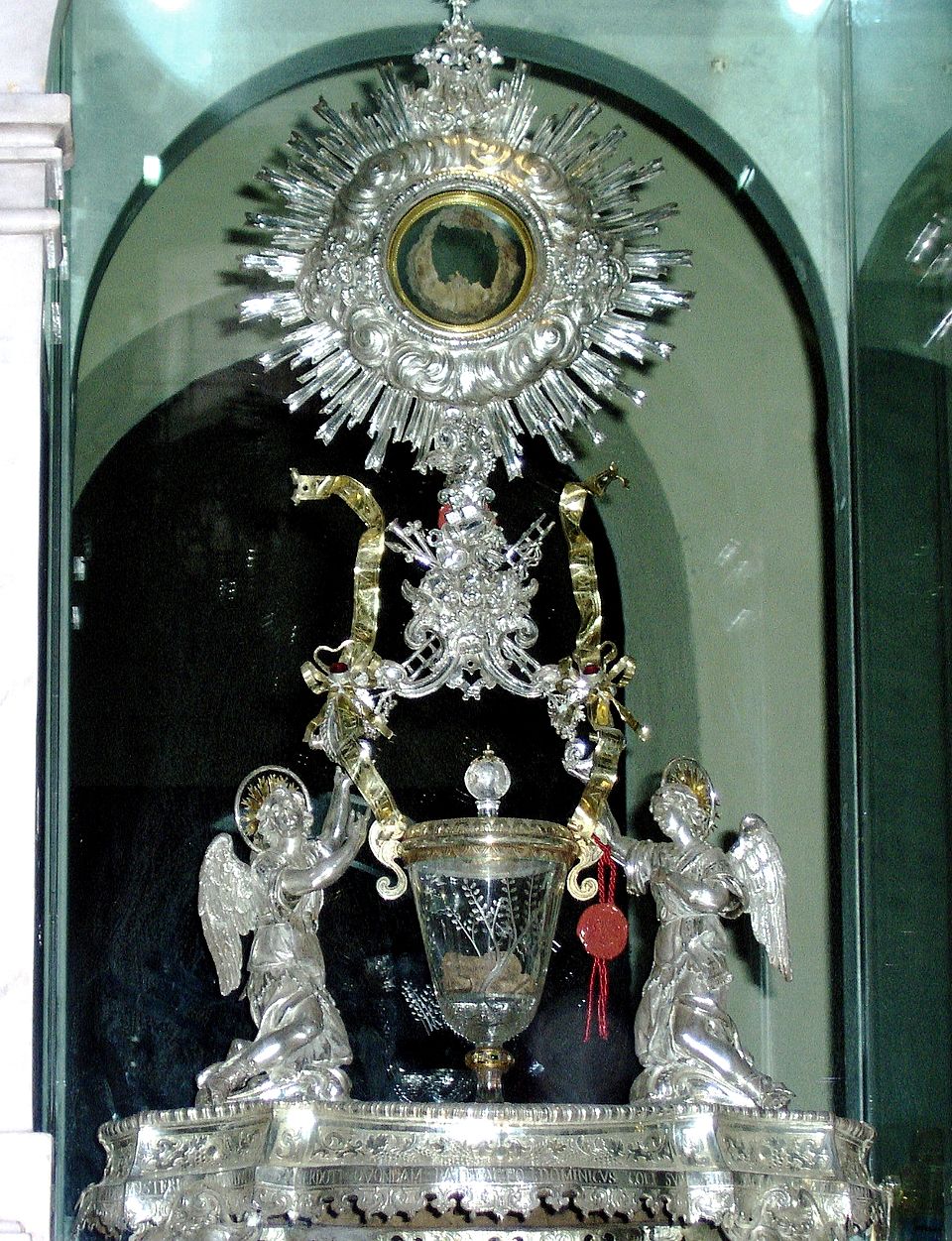
Miracle of Buenos Aires
Buenos Aires, Argentina
A consecrated Host that had been placed in water (standard procedure for disposing of a dropped Host) was found to have transformed into what appeared to be bloody flesh. The then-Archbishop Jorge Bergoglio (now Pope Francis) ordered scientific investigation.
Read →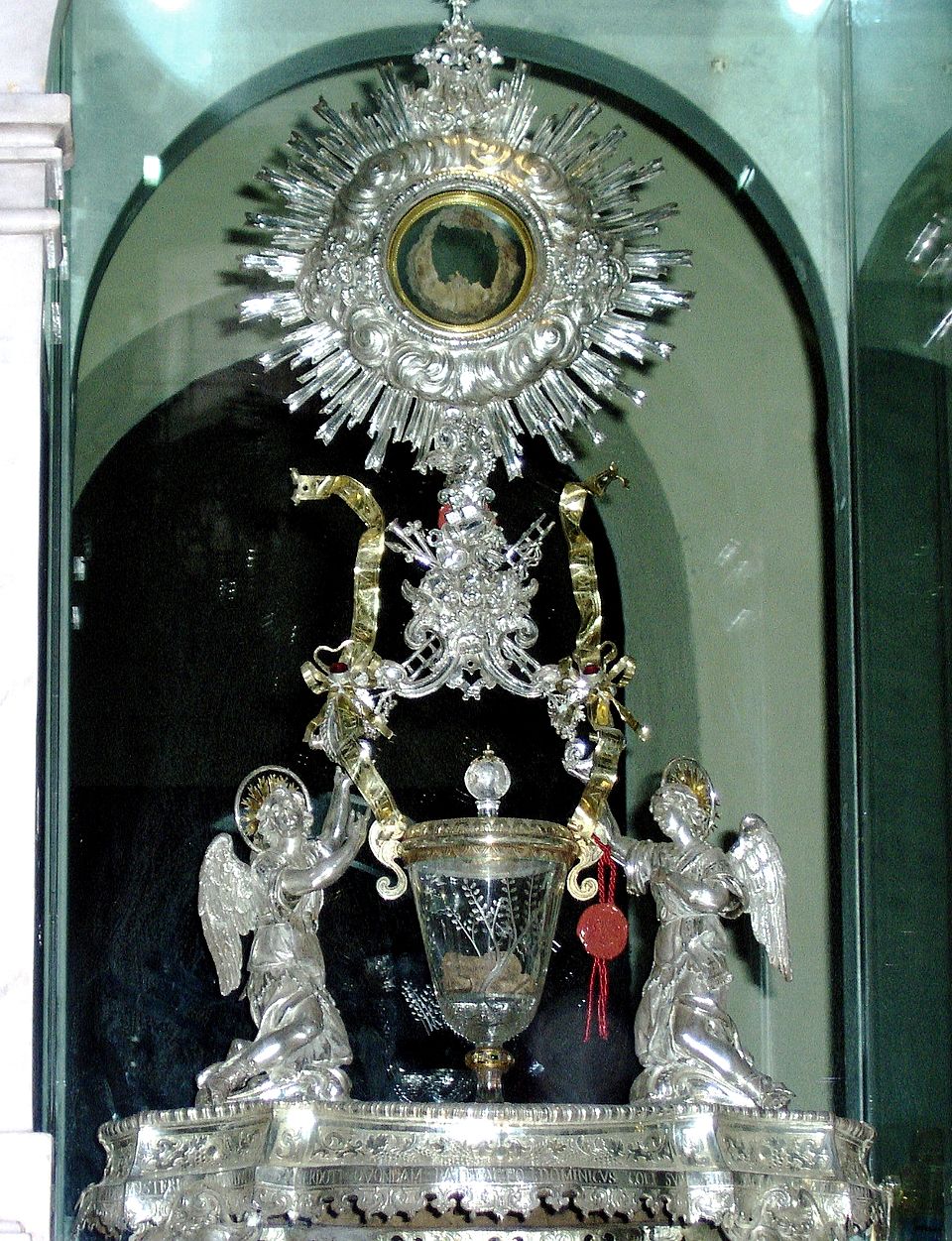
Miracle of Chirattakonam
Chirattakonam, India
During Eucharistic adoration, three red spots appeared on the Host, gradually forming what appeared to be the image of a face.
Read →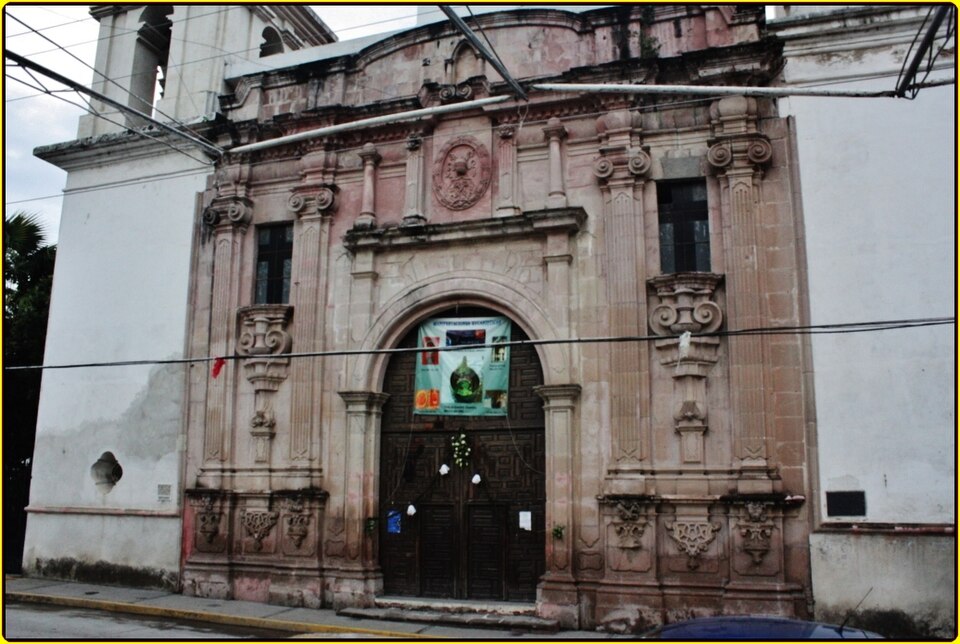
Miracle of Tixtla
Tixtla, Mexico
During Mass, a consecrated Host began to exude a reddish substance. The Host was preserved and analyzed.
Read →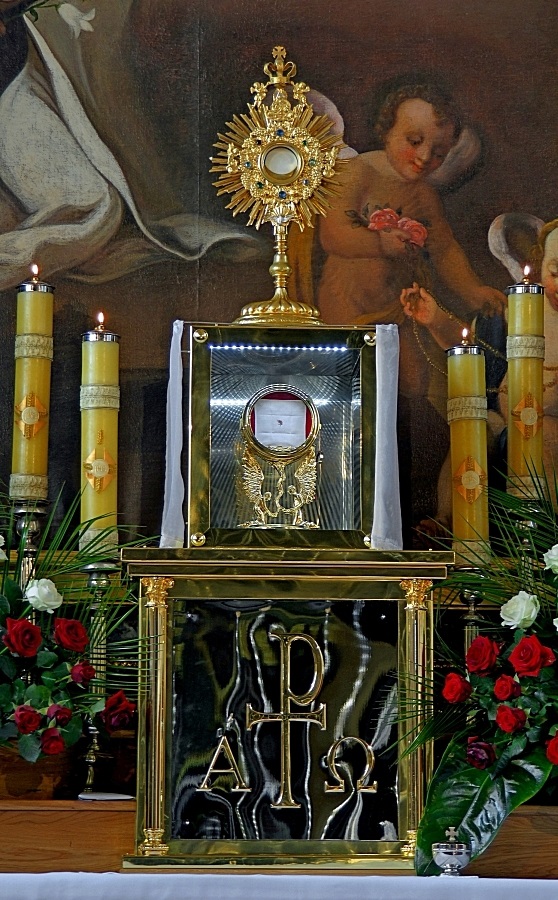
Miracle of Sokolka
Sokolka, Poland
A consecrated Host that had fallen was placed in water per protocol. When checked later, a red substance had appeared on the Host.
Read →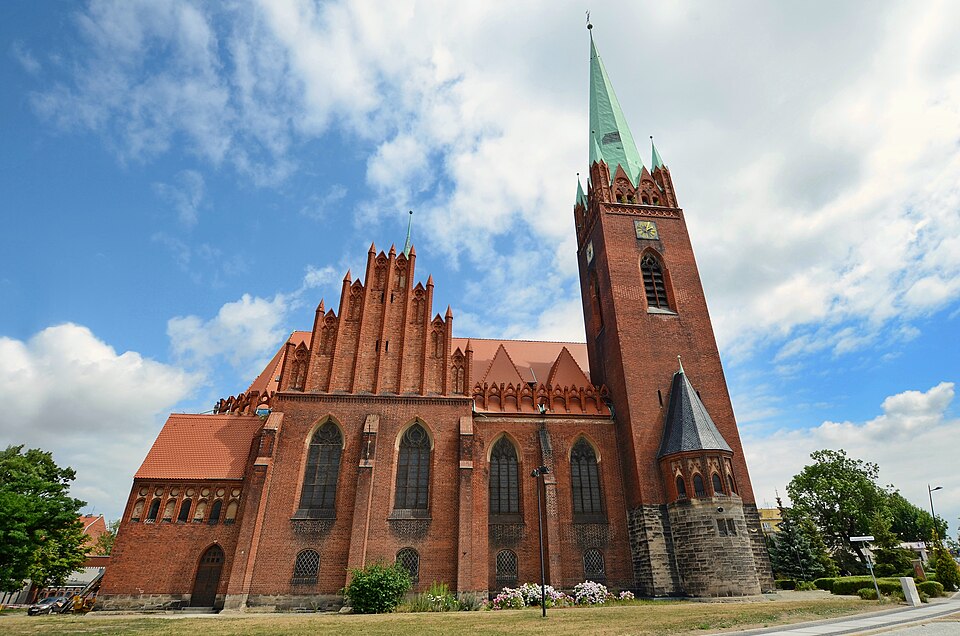
Miracle of Legnica
Legnica, Poland
A consecrated Host that had fallen was placed in water. A red stain appeared on the Host after two weeks.
Read →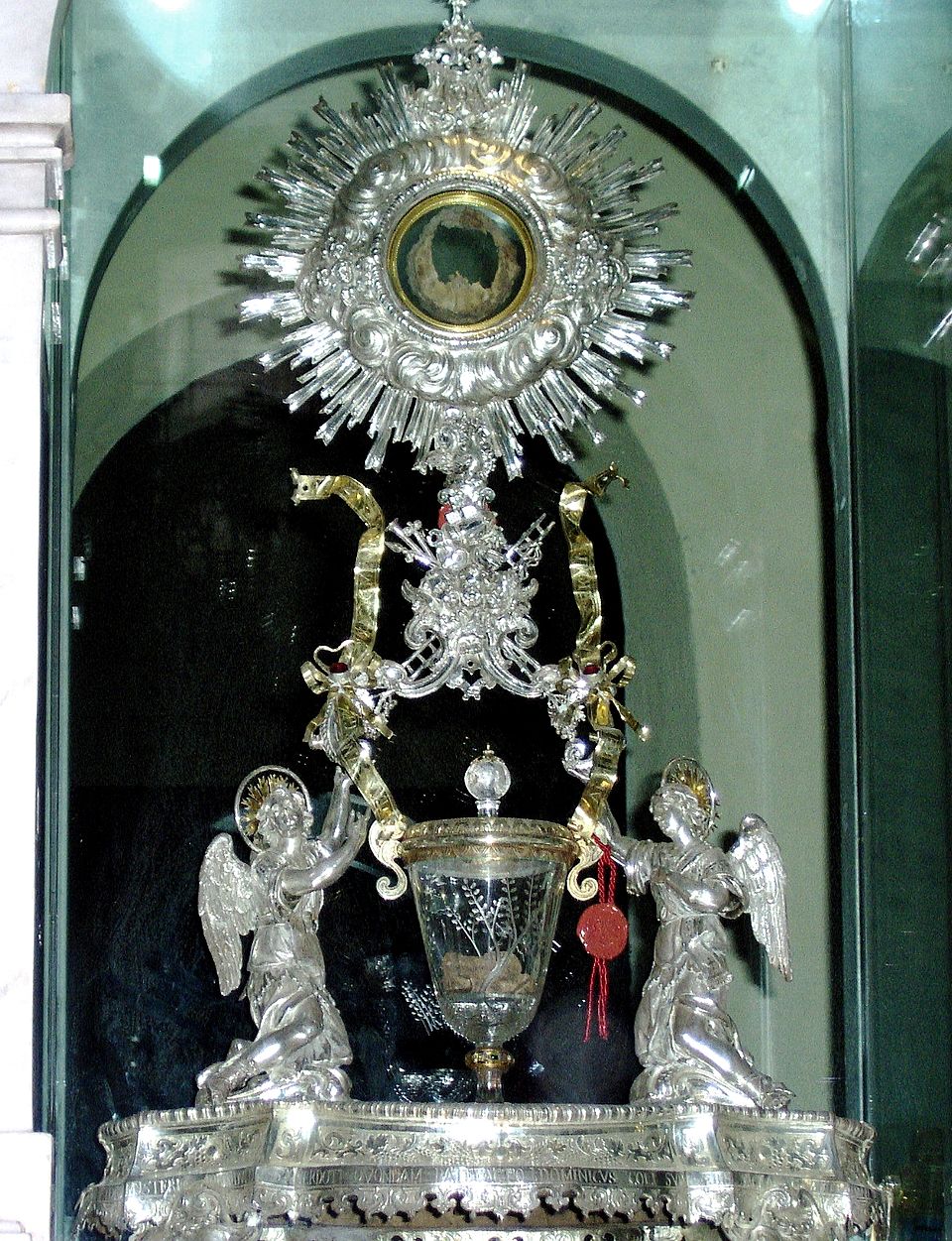
Eucharistic Miracle of Vilakkannur
Vilakkannur, India
A Eucharistic miracle where the face of Jesus appeared on a consecrated host during Mass. The event occurred in 2013 and was officially recognized by the Vatican in 2025 after scientific investigation confirmed no external elements were involved.
Read →
Miracle of Mattheus Vianna
Campo Grande, Brazil
A young boy named Mattheus Vianna was healed of a rare congenital disease called annular pancreas after his family prayed for the intercession of Blessed Carlo Acutis. The miracle was approved for Acutis' beatification.
Read →