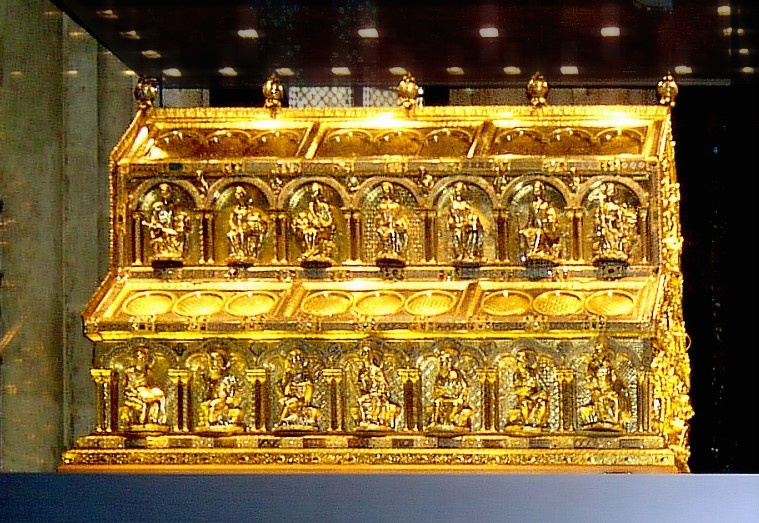

Among the most treasured and awe-inspiring relics in Christendom are the venerable Bones of the Magi, enshrined within the magnificent Cologne Cathedral in Germany. These sacred remains are believed to belong to Caspar, Melchior, and Balthasar – the wise men from the East who, guided by a star, journeyed to Bethlehem to adore the infant Jesus, offering Him gifts of gold, frankincense, and myrrh. Their journey signifies the universal call to salvation, as these Gentile kings were among the first to recognize Christ as King of Kings and Lord of Lords. The historical journey of these relics is as remarkable as the Magi's own pilgrimage. Tradition holds that Saint Helena, mother of Emperor Constantine, discovered their remains in Persia during her travels in the Holy Land and brought them to Constantinople. From there, they were transferred to Milan. Their final, revered destination came in 1164 when Emperor Frederick Barbarossa bestowed them upon Archbishop Rainald of Dassel, who brought them to Cologne. To house these precious relics, the awe-inspiring *Dreikönigenschrein* (Shrine of the Three Kings) was created between 1180 and 1225, a masterpiece of medieval goldsmithing and the largest reliquary in the Western world, adorned with intricate figures, jewels, and enamel. Spiritually, the presence of the Magi's relics in Cologne continues to inspire millions. They serve as a tangible link to the Epiphany, reminding us of God's revelation to all peoples and the profound humility of Christ, born in a manger yet adored by kings. The Shrine itself is a pilgrimage destination, a testament to enduring faith, and a powerful symbol of the Church's continuity from the earliest days of Christianity. It invites us to reflect on our own journey of faith, seeking Christ with open hearts and offering Him our own gifts of devotion and service.
According to tradition, Saint Helena discovered the relics of the Magi in Persia and brought them to Constantinople. They were later transferred to Milan. In 1164, Emperor Frederick Barbarossa gave them to the Archbishop of Cologne, where they have remained. The magnificent golden reliquary (Dreikönigenschrein) was created between 1180 and 1225 and is the largest reliquary in the Western world.
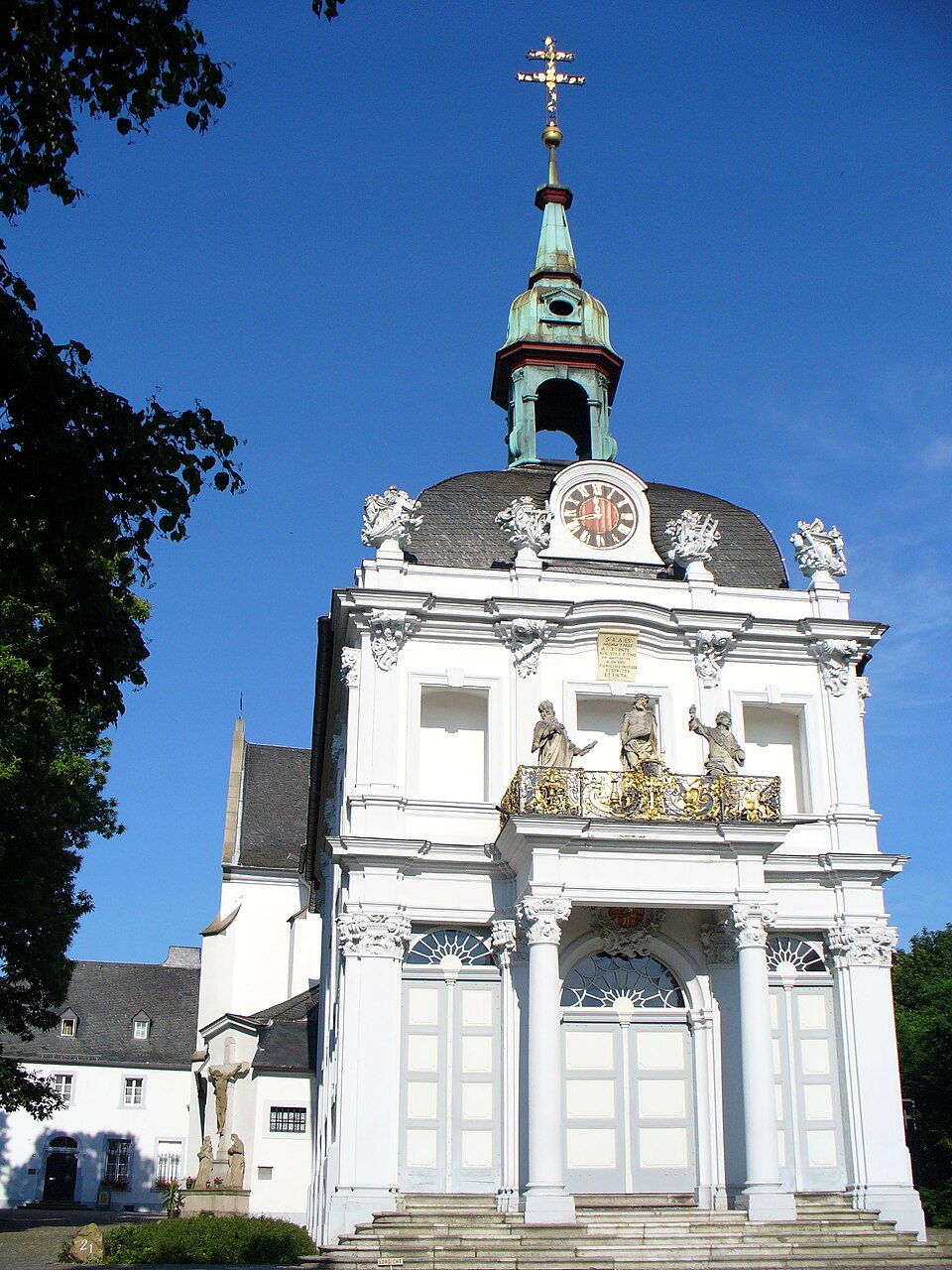
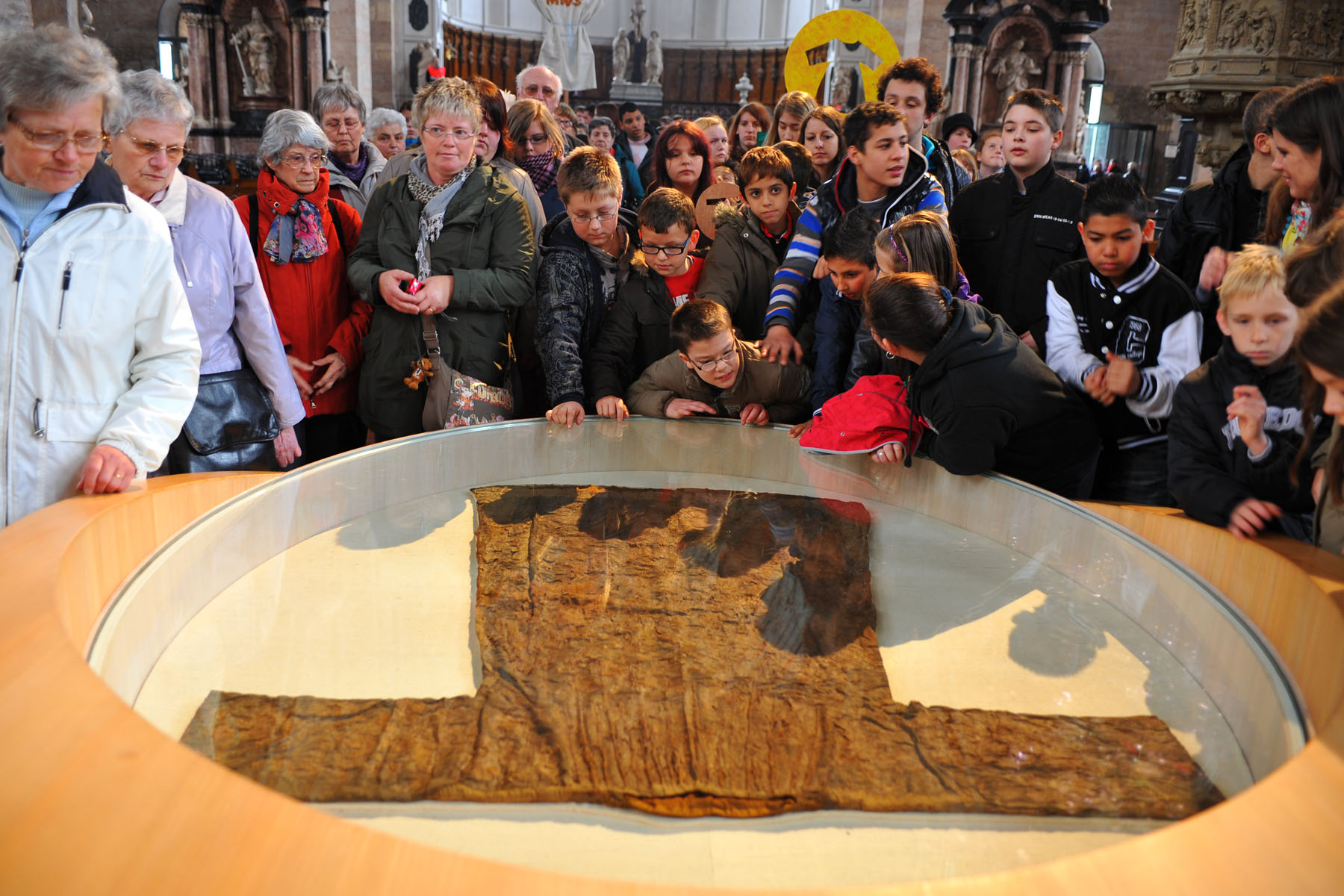
Seeing the relic of Bones of the Magi in Cologne was an experience I will carry with me always. The church housing it has such a rich history. I was struck by how many people still come to venerate this relic after so many centuries.
January 15, 2026
The relic of Bones of the Magi in Cologne is housed in a stunning church. What moved me most was seeing other pilgrims there, some who had traveled even farther than I had. We are all connected by this shared faith.
April 17, 2025