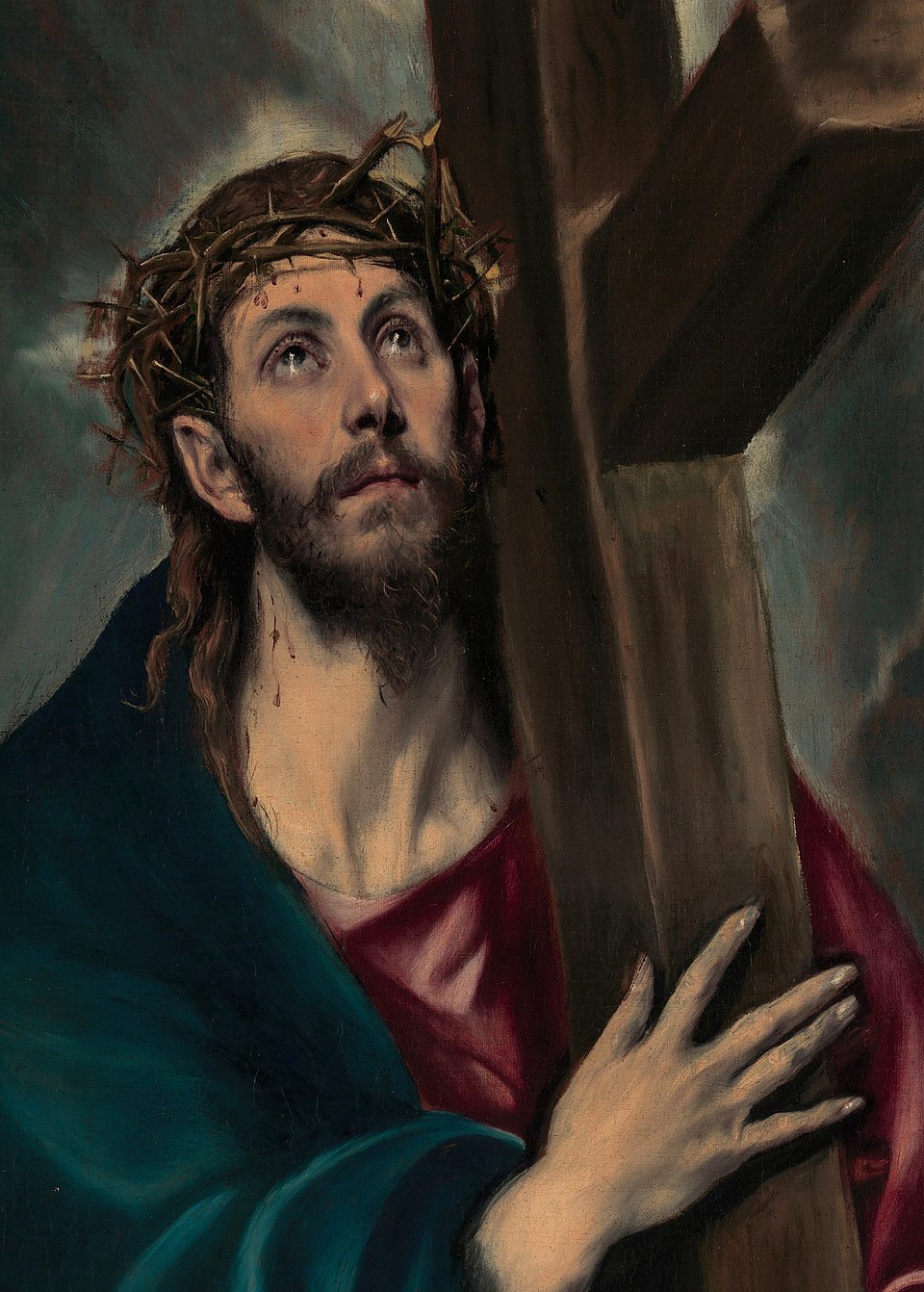
A circle of rushes bundled together and held by gold threads, measuring 21 cm in diameter. The thorns were distributed separately over the centuries — about 70 thorns were divided between Byzantine emperors and French kings.
History
First reported in Jerusalem in 409 AD. Moved to Constantinople between the 7th-10th centuries. Pawned by Emperor Baldwin II to Venice in 1238. Redeemed by King Louis IX of France, who built Sainte-Chapelle to house it. Survived the French Revolution. Housed at Notre-Dame until the 2019 fire, when it was heroically rescued. Now at the Louvre.
Scientific Investigation
The rushes have been identified as Juncus balticus, native to the Middle East. Carbon dating has not been performed on the main relic. The gold thread binding dates to the medieval period.
Spiritual Significance
One of the most important relics of the Passion, representing Christ's suffering and humiliation. Its survival through fires, revolutions, and wars is seen by many as providential.