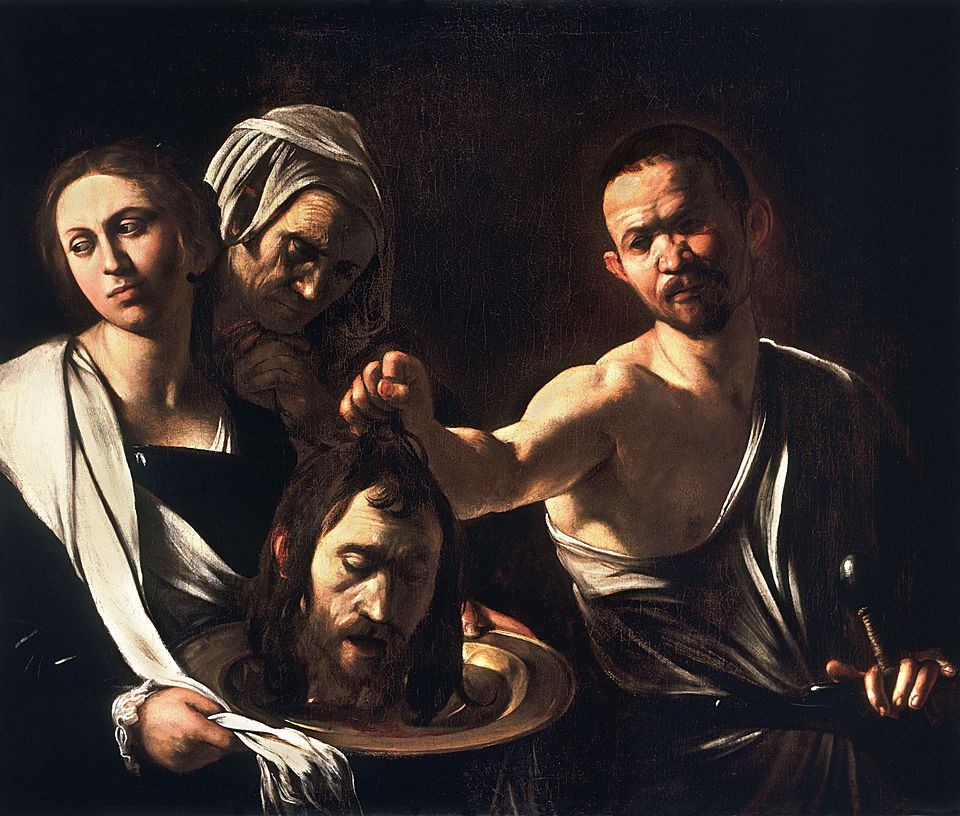
The head of Saint John the Baptist, who was beheaded by order of King Herod Antipas. Multiple churches claim to possess the authentic relic, with the most prominent being the Amiens Cathedral in France.
History
After John's beheading (Matthew 14:1-12), his head became one of the most sought-after relics in Christendom. The relic at Amiens Cathedral was brought from Constantinople during the Fourth Crusade in 1206 by Canon Wallon de Sarton. The Umayyad Mosque in Damascus also claims to house the head, as does the Church of San Silvestro in Capite in Rome.
Scientific Investigation
Carbon dating of the Amiens relic has not been publicly reported. The silver reliquary platter dates to the 13th century. Archaeological and historical evidence supports the relic's journey from Constantinople to Amiens.
Spiritual Significance
Saint John the Baptist is venerated as the forerunner of Christ, the last of the Old Testament prophets, and the first of the New Testament martyrs. His beheading is commemorated on August 29 (Feast of the Beheading of Saint John the Baptist).