Sacred Relic

Tooth of St. Anthony of Padua

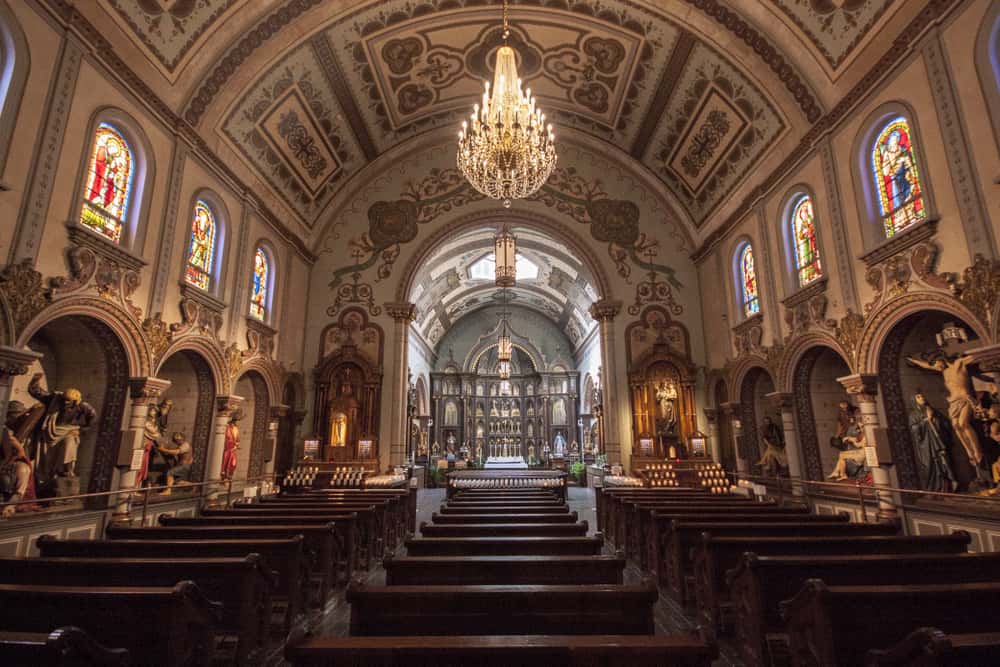
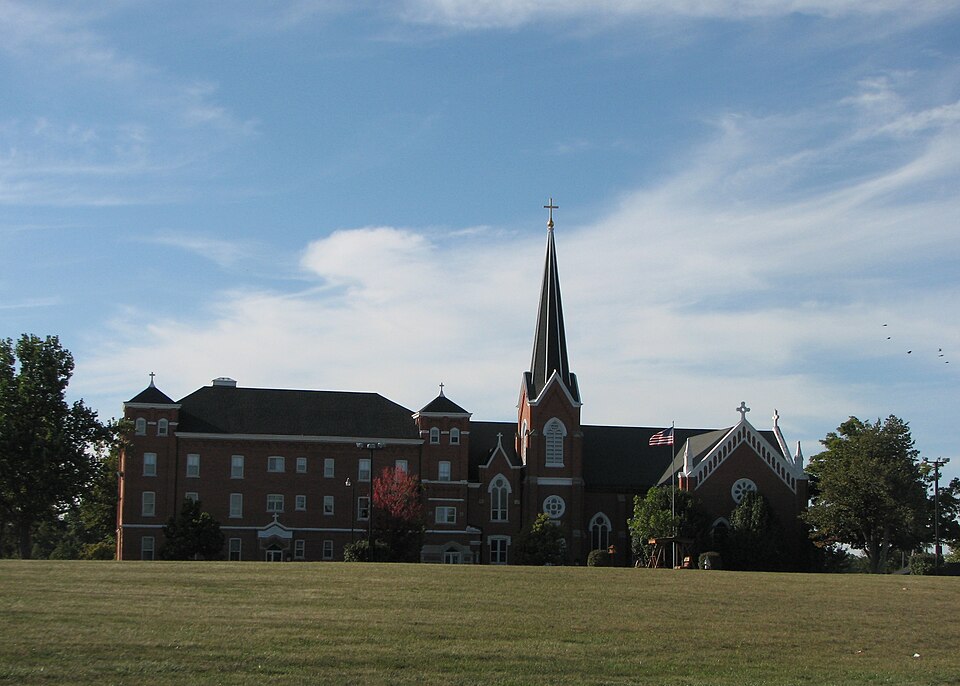
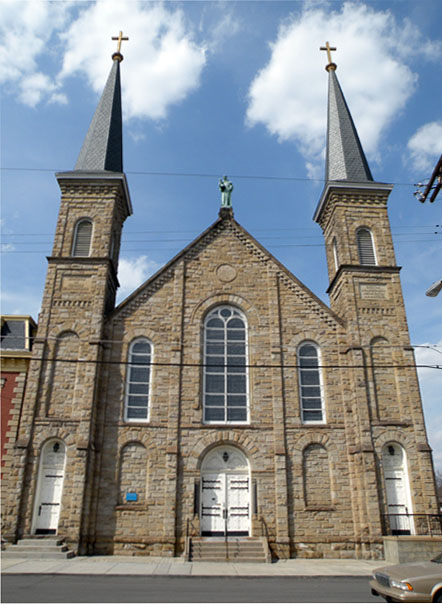
A tooth of St. Anthony of Padua, a Doctor of the Church. This is the only particle of his skull not in Padua, Italy, and is housed in St. Anthony's Chapel, which has the largest collection of relics outside of the Vatican.
Pittsburgh, USA
Overview

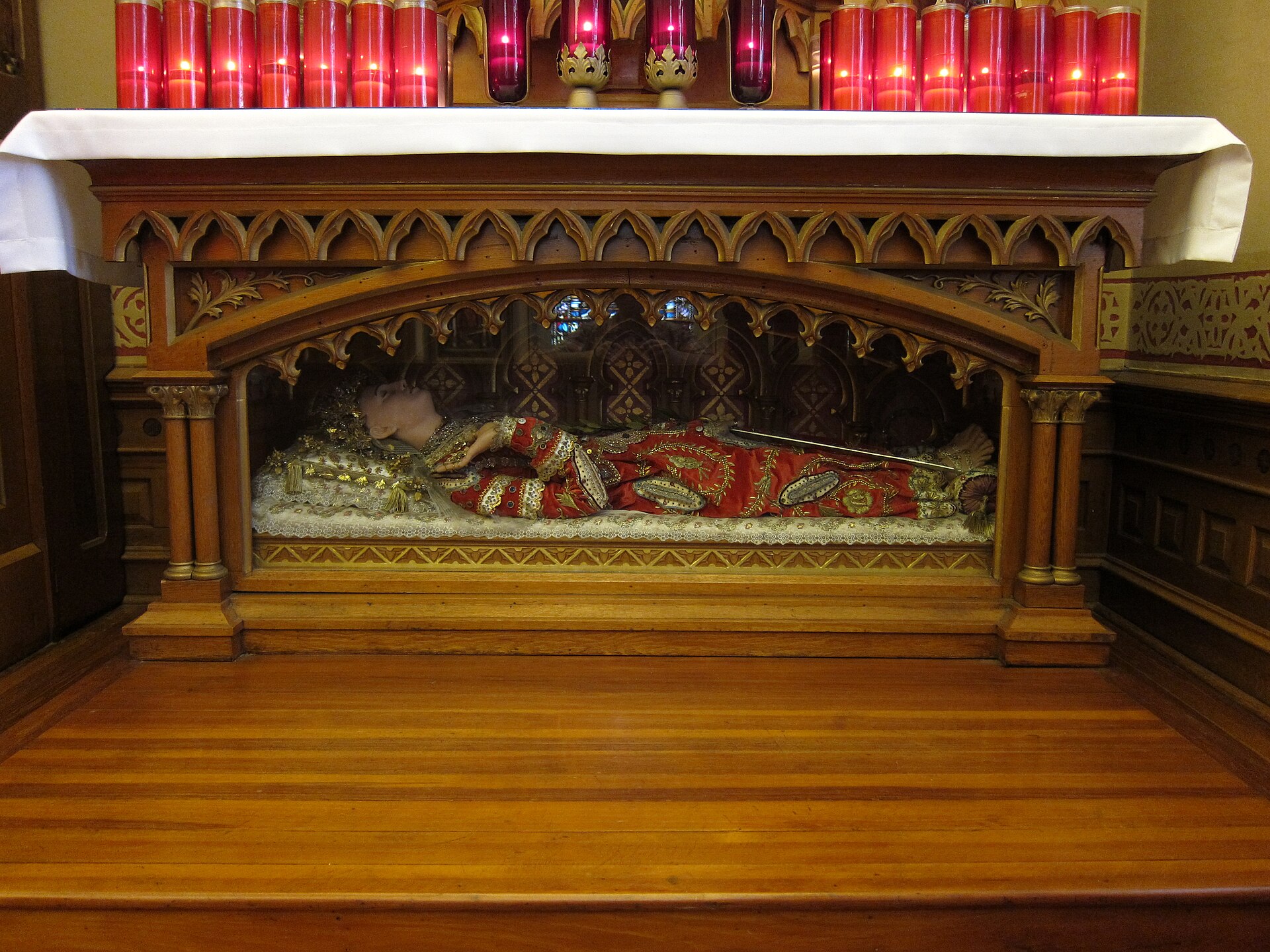
## Tooth of St. Anthony of Padua (Pittsburgh, USA) The sacred relic known as the Tooth of St. Anthony of Padua, housed in Pittsburgh, Pennsylvania, possesses a unique and compelling historical trajectory. Its provenance traces back to the very body of St. Anthony, a revered Doctor of the Church, who died in 1231. Following his death and subsequent canonization in 1232, his tomb was opened in 1263 by St. Bonaventure, who found his tongue miraculously incorrupt. Over the centuries, various portions of his remains were distributed as relics to different churches and religious orders, a common practice in the medieval period to foster devotion and provide tangible connections to saints. The Pittsburgh tooth is particularly noteworthy as it represents the sole known particle of St. Anthony's skull not located in the Basilica of Saint Anthony of Padua in Padua, Italy, where the majority of his remains are enshrined. Its journey to the United States is a testament to the global reach of Catholic devotion and the dispersal of precious relics across continents. In Catholic tradition, relics hold profound significance, serving not as objects of worship themselves, but as tangible links to the saints and, through them, to God. They are venerated as reminders of the holy lives lived by those who have gone before, inspiring the faithful to emulate their virtues and seek their intercession. The Tooth of St. Anthony, as a first-class relic (a part of the saint's body), is particularly esteemed. St. Anthony of Padua is widely invoked as the patron saint of lost things, the poor, and travelers, and his intercession is sought for countless intentions. The presence of his tooth in Pittsburgh allows for a direct, physical connection to this beloved saint, fostering a deeper sense of spiritual communion and providing a focal point for prayer, reflection, and the seeking of miracles through his powerful intercession. Today, the Tooth of St. Anthony of Padua is reverently preserved and venerated at St. Anthony's Chapel in Pittsburgh, Pennsylvania. This remarkable chapel is renowned for possessing the largest collection of relics outside of the Vatican, making it a significant pilgrimage site for Catholics in North America and beyond. The tooth is typically displayed in a reliquary, allowing pilgrims and visitors to view and venerate it with appropriate devotion. The chapel facilitates various forms of veneration, including opportunities for private prayer, public devotions, and special liturgical celebrations. Its presence underscores the chapel's mission as a sanctuary of faith and a testament to the enduring power of relics in inspiring and sustaining the spiritual lives of the faithful.

History & Provenance

Historical details are being researched.

Where to Visit

Pittsburgh, USA

Pittsburgh, USA

Support Our Mission

Help us document and preserve the stories of sacred relics.

Pilgrim Voices

Testimonies, experiences, and reviews from our community

Pilgrim ExperienceVisited October 2023

My visit to Tooth of St. Anthony of Padua

Visiting the relic of Tooth of St. Anthony of Padua was not originally on my itinerary, but a local in Pittsburgh recommended it. I am so glad I went. The church is a hidden gem, and the relic is presented beautifully.

June 20, 2025

Pilgrim ExperienceVisited August 2023

My visit to Tooth of St. Anthony of Padua

I traveled to Pittsburgh specifically to see the relic of Tooth of St. Anthony of Padua. The church was beautiful, and the relic is displayed with great reverence. I prayed for healing for a family member and felt a deep sense of peace afterward.

May 6, 2025

Pilgrim ExperienceVisited September 2024

My visit to Tooth of St. Anthony of Padua

I traveled to Pittsburgh specifically to see the relic of Tooth of St. Anthony of Padua. The church was beautiful, and the relic is displayed with great reverence. I prayed for healing for a family member and felt a deep sense of peace afterward.

March 26, 2025