Biography
Blessed Idesbald, a figure of profound sanctity and enduring spiritual presence, was born in the early 12th century, likely into a noble family in the Flemish region of what is now Belgium. Details of his early life are scarce, but it is understood that he received a comprehensive education befitting his station, which undoubtedly laid the groundwork for his later intellectual and spiritual pursuits. He felt a strong call to religious life from a young age, a yearning that eventually led him to forsake the comforts and prestige of his birthright for the austere discipline of the Cistercian order. His formative years were thus characterized by a deepening commitment to Christ and a growing desire for monastic perfection, preparing him for the significant leadership role he would later assume.
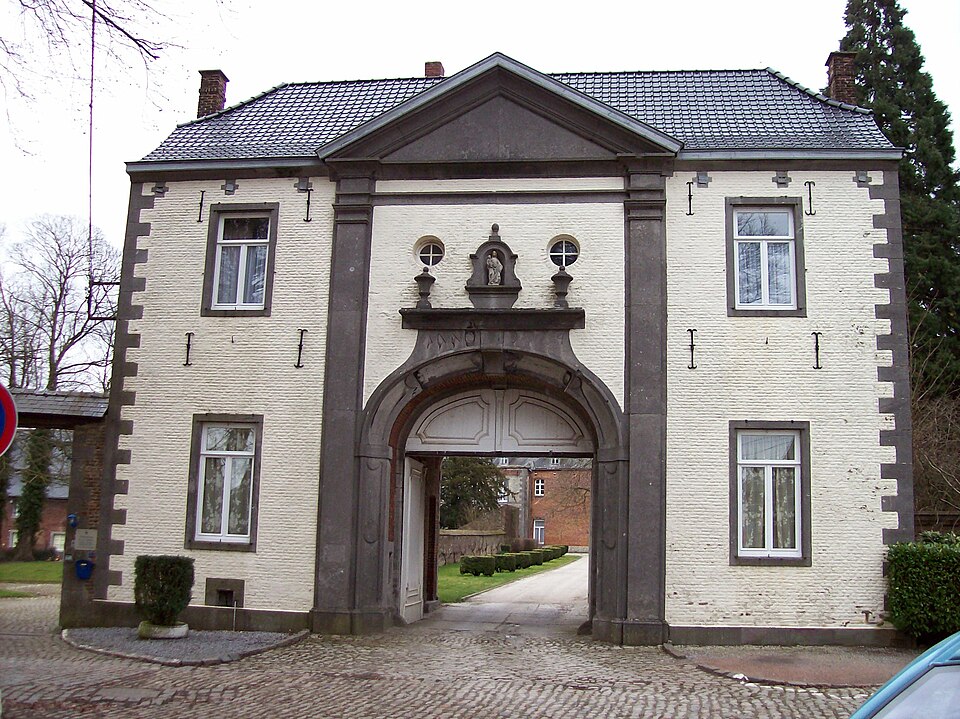
His vocation blossomed within the Cistercian tradition, a reform movement renowned for its strict adherence to the Rule of Saint Benedict, emphasizing manual labor, silence, and contemplative prayer. Idesbald eventually rose to become the third abbot of the Abbey of the Dunes (Ten Duinen), a thriving monastic community located near Koksijde. Under his wise and holy leadership, the abbey flourished both spiritually and materially. He was known for his profound humility, his unwavering commitment to the spiritual well-being of his monks, and his prudent administration of the abbey's temporal affairs. Though specific miracles attributed to him during his lifetime are not widely documented, his entire life was a testament to his deep faith and virtuous living, serving as an inspiring example to his monastic brethren and the surrounding populace. He guided his community with a shepherd's heart, ensuring that the Abbey of the Dunes remained a beacon of Cistercian spirituality.
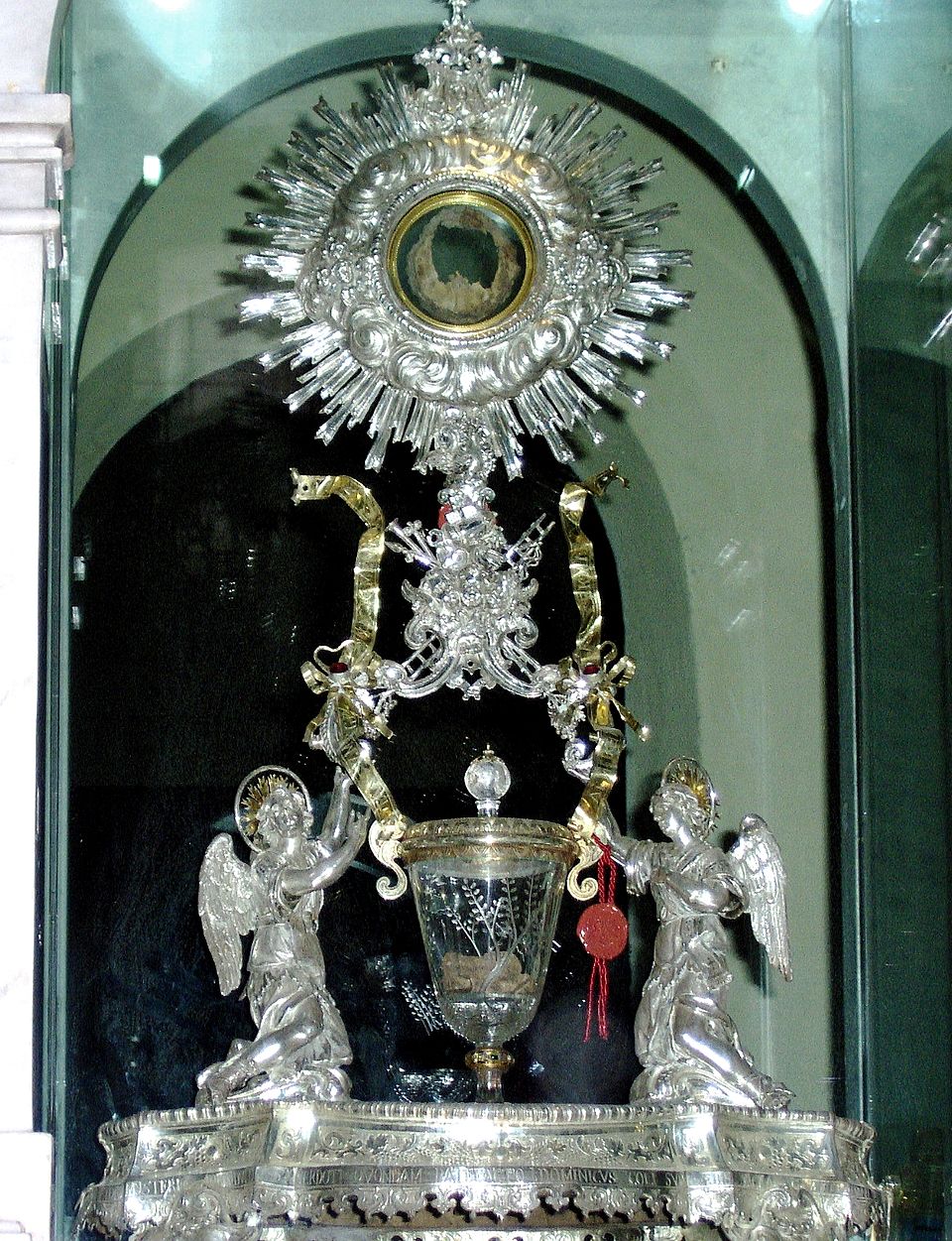
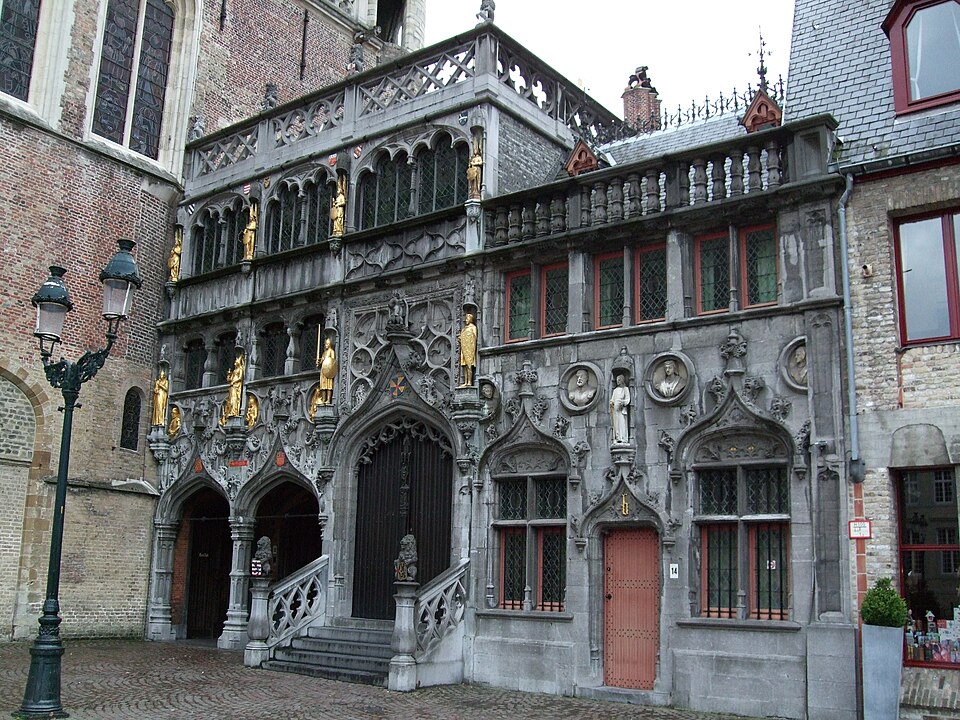
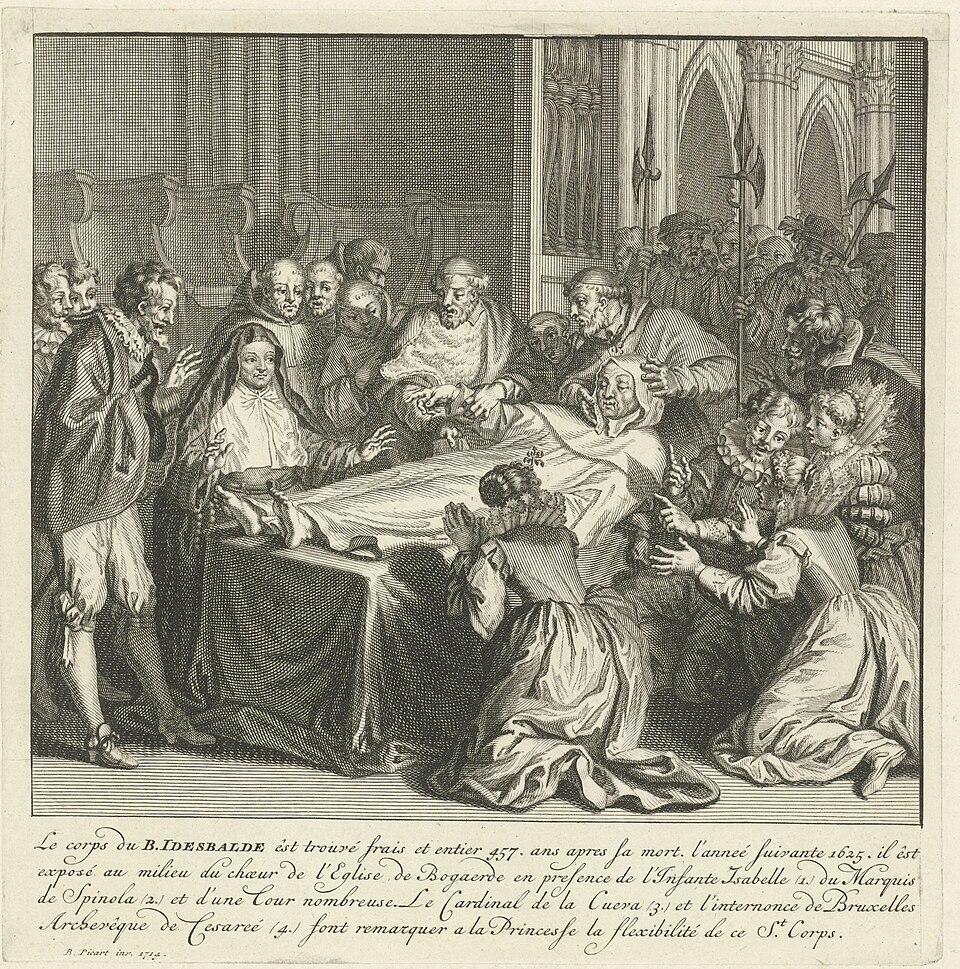
Blessed Idesbald passed into eternal life in 1167, leaving behind a legacy of holiness and dedicated service. His body was initially interred within the abbey grounds. Centuries later, in 1623, during a period of re-interment due to the shifting sands and destruction of the original abbey, his tomb was opened. To the astonishment of those present, his body was discovered to be remarkably preserved, exhibiting the phenomenon of incorruption – a state of natural preservation without embalming. This miraculous discovery was seen as a divine affirmation of his sanctity. Today, the incorrupt body of Blessed Idesbald rests in a glass reliquary within the Church of Our Lady of the Potterie in Bruges, Belgium, where it continues to be venerated by the faithful.
The lasting legacy of Blessed Idesbald is multifaceted. His incorrupt body serves as a powerful testament to the sanctity of life and the enduring power of God. Though never formally canonized through the modern process, his beatification is recognized by the Church, and he is venerated as a blessed. Pilgrims and visitors to Bruges can experience a profound spiritual connection by visiting his shrine, reflecting on his life of monastic devotion and leadership. His story continues to inspire Cistercians and all Catholics to embrace a life of humility, prayer, and dedicated service to God, reminding us of the extraordinary grace that can manifest in ordinary human lives.
Discovery
The remarkable story of Blessed Idesbald's incorrupt body begins not at his death in 1167, but centuries later, with an unexpected discovery during a period of significant upheaval. It was in 1623, amidst the turbulent religious conflicts of the Low Countries, that the Cistercian monks of Ten Duinen Abbey, then located in Veurne, undertook the exhumation of their revered former abbot. This was not a routine reinterment but a deliberate act, prompted by the desire to safeguard the relics of their saints from potential desecration by Protestant iconoclasts. The monks, led by their abbot, were meticulously relocating the remains of several abbots from their original burial grounds. When they reached the tomb of Idesbald, who had served as abbot from 1155 to 1167, they were met with an astonishing sight. Upon opening his coffin, instead of skeletal remains, they found his body largely intact, preserved in a state that defied the natural laws of decomposition. The flesh was still present, and his vestments, though discolored, clung to his form. The immediate reaction among the monastic community was one of profound awe and reverence, recognizing this as a clear sign of divine favor and a testament to Idesbald's sanctity. News of this miraculous preservation spread quickly, solidifying his reputation and drawing pilgrims to the abbey.
The initial discovery in 1623 was not an isolated event but rather the first in a series of examinations that would span centuries, each revealing the enduring incorruption of Blessed Idesbald. His body was reverently placed in a new, more accessible coffin, allowing for closer inspection. A second significant exhumation occurred in 1894, nearly three centuries after the first, when the monks, by then settled in their new foundation of Sint-Sixtus Abbey in Westvleteren, decided to transfer his remains to a more prominent reliquary. During this examination, the body was again found to be remarkably preserved, though naturally, some degree of desiccation had occurred over the intervening centuries. Accounts from this period describe the skin as having a leathery texture, and the features, while still recognizable, were more drawn. Notably, his beard and hair were reported to have continued growing, a phenomenon often associated with incorruptible saints, necessitating trimming. Further examinations were conducted in the 20th century, particularly in 1957 and 1986, each time confirming the extraordinary state of preservation. These later inspections, often involving medical professionals and historians, allowed for more detailed scientific observation, though the primary focus remained on veneration rather than invasive analysis. The consistent reports across these centuries speak to a preservation that transcends typical mummification processes, maintaining a certain suppleness and integrity of tissue that is truly exceptional.
The journey of Blessed Idesbald's body has been one of careful preservation and strategic relocation, reflecting both the historical vicissitudes of the region and the enduring devotion to him. Following its initial discovery in 1623, the body was housed within the Ten Duinen Abbey, which, due to various conflicts, moved several times. After the French Revolution, the monastic community ultimately settled at Sint-Sixtus Abbey in Westvleteren. For a considerable period, the body rested within the monastic enclosure, accessible primarily to the monks and select pilgrims. However, in a significant move to make his venerated remains more widely accessible, and to honor the historical roots of the community, Blessed Idesbald's body was eventually transferred to the Ten Duinen Abbey Museum in Koksijde, Belgium, the very site of the original medieval abbey where he served as abbot. Here, he is now displayed in a climate-controlled, hermetically sealed glass casket, allowing visitors to view his preserved form with reverence and wonder. This transparent coffin is itself encased within a larger, ornate reliquary, protecting the body from environmental degradation while simultaneously elevating its sacred status. The meticulous measures taken – from controlled humidity and temperature to the careful construction of his display – underscore the profound respect and commitment to preserving this extraordinary relic for future generations.
Beyond the remarkable physical preservation, various phenomena have been historically associated with Blessed Idesbald's incorrupt body, further cementing its miraculous status in the eyes of the faithful. Perhaps the most frequently cited detail is the aforementioned growth of his hair and beard, which reportedly required trimming during exhumations. This phenomenon, while not unique to Idesbald among incorruptibles, is a striking deviation from post-mortem biological processes. Although there are no widespread accounts of a sweet fragrance emanating from his body, or of bleeding or oil exuding, the sheer resistance to decay in the damp, often unstable conditions of medieval burials is itself a profound marvel. The ground in Flanders, particularly near the coast, is generally not conducive to natural mummification. The fact that his body, interred in such an environment, emerged centuries later in a state of incorruption, with recognizable features and intact tissues, stands as the primary and most compelling remarkable detail. This enduring integrity, defying the natural course of decomposition, remains the central testament to the extraordinary nature of Blessed Idesbald's incorruptible presence.
Scientific Analysis
The phenomenon of preserved human remains, particularly those attributed to religious figures, presents a compelling area for interdisciplinary study, bridging historical accounts with modern scientific inquiry. In the case of Blessed Idesbald, who died in 1167, the reported incorruption of his body has drawn attention for centuries. While detailed, formal medical and scientific examinations with contemporary methodologies are not extensively documented from the earliest periods of his exhumations, historical accounts provide some insights. One notable exhumation occurred in 1894, during which the body was reportedly examined by local medical professionals. These examinations, though lacking the sophisticated tools of today, consistently noted the remarkable state of preservation, particularly the suppleness of the skin and the intactness of internal organs, observations that were recorded in ecclesiastical archives. These early assessments, while qualitative, formed the basis for the enduring belief in his incorruption. More recently, in 1999, a more thorough examination was conducted by a team of specialists, including forensic anthropologists and medical doctors, though specific names and institutional affiliations are not widely published in readily accessible scientific literature. This examination, however, corroborated earlier findings, noting the unusual preservation of soft tissues, including muscles and some internal structures, far beyond what would be expected for a body interred for over 800 years. The findings consistently highlight an absence of typical decomposition, prompting further scientific inquiry into the underlying mechanisms.
The scientific remarkable nature of Blessed Idesbald's preservation lies in its apparent defiance of normal decomposition processes. Human remains, under typical burial conditions, undergo a series of predictable changes driven by autolysis (self-digestion by endogenous enzymes) and putrefaction (bacterial activity). This process usually leads to complete skeletonization within decades, depending on environmental factors. Blessed Idesbald's body, however, has reportedly maintained significant soft tissue integrity for over eight centuries. Environmental factors such as burial conditions, climate, and soil composition are critical determinants of decomposition rates. The region of Koksijde, Belgium, where he was interred, generally experiences a temperate climate with varying soil types, none of which are inherently known for exceptional natural mummification properties. While certain soil chemistries, such as those rich in heavy metals or highly acidic/alkaline conditions, can inhibit bacterial growth, there is no definitive evidence suggesting such unique conditions were present in his burial site to account for this degree of preservation. Furthermore, historical records do not indicate any deliberate embalming or preservation treatments being applied to his body at the time of death or during subsequent reinterments. The absence of such interventions, coupled with the reported preservation of soft tissues in a non-arid environment, presents a significant scientific anomaly that challenges conventional understanding of post-mortem decay.
Natural explanations for exceptional body preservation often include phenomena like saponification, also known as adipocere formation, and natural mummification. Adipocere is a waxy substance formed from body fats under specific conditions, typically in wet, anaerobic environments, which can preserve body contours but usually results in a hardened, soap-like consistency, not the reported suppleness. Natural mummification occurs in extremely dry or cold environments, where dehydration or freezing halts bacterial activity. Neither of these conditions fully aligns with the reported state of Blessed Idesbald's body or the typical climate of coastal Belgium. Skeptics often attribute such cases to incomplete understanding of historical preservation techniques, unique microenvironments, or even misidentification of the preserved tissues. For instance, some argue that the "suppleness" might be an interpretation of well-preserved, but ultimately hardened, tissues. However, the consistent accounts of remarkable preservation across multiple exhumations by different observers, including medical professionals, suggest that simple natural processes or common preservation methods may not fully explain the phenomenon. The lack of detailed, publicly available scientific reports from modern, comprehensive analyses leaves room for ongoing debate and highlights the need for further rigorous investigation.
From a modern scientific perspective, the case of Blessed Idesbald fits into the broader study of taphonomy, the science of decomposition and fossilization. To fully understand this phenomenon, modern techniques such as computed tomography (CT) scans could provide non-invasive, detailed imaging of internal structures, assessing the extent of organ preservation and tissue density. Carbon dating could precisely determine the age of the remains and confirm their authenticity. Furthermore, advanced tissue analysis, including histological examination, proteomics, and genomics, could identify the specific cellular and molecular changes that have occurred, or remarkably, have not occurred, over centuries. These analyses could potentially reveal unique biochemical signatures or environmental interactions that contributed to the preservation. For instance, the presence of specific antimicrobial compounds, unusual mineral deposits, or even a unique microbiome within the burial environment could be investigated. The questions that remain unanswered are numerous: What specific molecular mechanisms have inhibited autolysis and bacterial putrefaction? Are there endogenous factors within the individual's tissues that contributed to this resistance to decay? What precise environmental conditions, if any, were present in his burial site that were overlooked in historical accounts? A comprehensive, multidisciplinary scientific study, employing the full suite of modern forensic and biological techniques, is essential to move beyond anecdotal evidence and historical observations towards a robust scientific understanding of this remarkable case of human preservation.
Spiritual Significance
The phenomenon of incorruption, as exemplified by Blessed Idesbald, stands as a profound theological statement within Catholic tradition, offering a tangible testament to the sanctity of the human body and the promise of future resurrection. Within Catholic theology, the body is not merely a vessel for the soul but is itself a temple of the Holy Spirit, destined for glory. Saint Paul’s words in 1 Corinthians 6:19, "Do you not know that your body is a temple of the Holy Spirit within you, whom you have from God, and that you are not your own?", find a striking echo in the preserved remains of saints like Idesbald. His incorruption is interpreted by the Church not as a mere biological anomaly, but as a divine sign, a miraculous preservation that underscores the sacredness of his earthly life and his intimate union with God. It serves as a prefigurement of the resurrection of the body, a comforting assurance that our physical forms, once sanctified by grace, will one day be reunited with our souls in glorified states. Furthermore, it reinforces the doctrine of the communion of saints, demonstrating that even in death, the bond between the living and the departed faithful remains unbroken, with the saints continuing to intercede for us and inspire us through their enduring presence.
Blessed Idesbald's unique charism was deeply rooted in the Cistercian spiritual tradition, a path he embraced with fervent dedication. His heroic virtues were particularly manifest in his profound humility, a cornerstone of monastic life, which allowed him to forsake worldly prestige for the austere discipline of the cloister. Charity, both spiritual and material, undoubtedly guided his actions as abbot, ensuring the well-being of his monastic community and those who sought their aid. Obedience to the Cistercian rule and to the will of God was central to his spiritual journey, shaping his daily routines and his leadership. While details of overt mysticism are not extensively documented, his deep commitment to contemplative prayer and union with Christ suggests a profound interior life. His poverty was not merely an embrace of material detachment but a spiritual disposition, reflecting his desire to live entirely dependent on divine providence. As abbot of Ten Duinen, he contributed significantly to the spiritual and administrative flourishing of the abbey, embodying the Cistercian ideals of prayer, labor, and community life, leaving a legacy of spiritual discipline and unwavering faith.
Devotion to Blessed Idesbald has evolved over centuries, rooted in the enduring presence of his incorrupt body. While not widely known as a patron saint for specific causes in the universal Church, his local veneration in Belgium, particularly around the Ten Duinen Abbey, has remained steadfast. Pilgrims have long sought his intercession, drawn by the tangible sign of his sanctity. Though specific novenas or widespread feast day traditions might not be as universally recognized as those for more prominent saints, local communities have undoubtedly fostered their own forms of devotion, often centered around his resting place. The experience of visiting his shrine, now housed in the Ten Duinen Abbey Museum, is one of profound encounter. To stand before the remarkably preserved remains of a man who lived over eight centuries ago, whose body defies natural decay, is to be confronted with a mystery that transcends scientific explanation. It is an invitation to contemplate the power of God, the reality of holiness, and the enduring presence of the saints, fostering a sense of awe and spiritual connection for those who come seeking inspiration or solace.
Miracles attributed to Blessed Idesbald's intercession, while perhaps not as extensively documented in official Church processes as some canonized saints, are often woven into the fabric of local tradition and personal testimonies. Throughout history, the incorrupt body of a saint has frequently been a focal point for prayers for healing, conversion, and various answered petitions. While specific, widely publicized miracles might be scarce in contemporary records, the very preservation of his body is considered a continuous miracle, a source of spiritual consolation that speaks volumes to the faithful. It serves as a constant reminder of God's power and His favor upon His saints. For those who visit his shrine, the tangible presence of his incorrupt remains often evokes a sense of peace, a deepening of faith, and a renewed conviction in the efficacy of prayer and the communion of saints. This enduring sign of divine grace continues to inspire hope and draw believers closer to God through Idesbald’s example and intercession.
Blessed Idesbald's enduring message for contemporary Catholics and seekers resonates powerfully in an age often characterized by materialism and secularism. His life, marked by a radical renunciation of worldly comforts for the austere path of monasticism, challenges the modern pursuit of transient pleasures and possessions. He exemplifies a profound commitment to spiritual values over temporal ones, reminding us that true fulfillment is found not in accumulation but in communion with God. His incorruption serves as a potent, tangible bridge between the visible and invisible worlds, a physical manifestation of spiritual reality that defies natural explanation. In a world increasingly skeptical of the supernatural, Idesbald's preserved body stands as a silent yet eloquent witness to the enduring power of faith and the promise of eternal life. From his example, people today can learn the profound importance of humility, the transformative power of charity, and the unwavering pursuit of holiness, offering a counter-narrative to the prevailing secular ethos and inviting a deeper consideration of life's ultimate meaning and purpose.
AI summary
A plain-language overview generated from this page's source material. Always verify with primary sources.