Biography
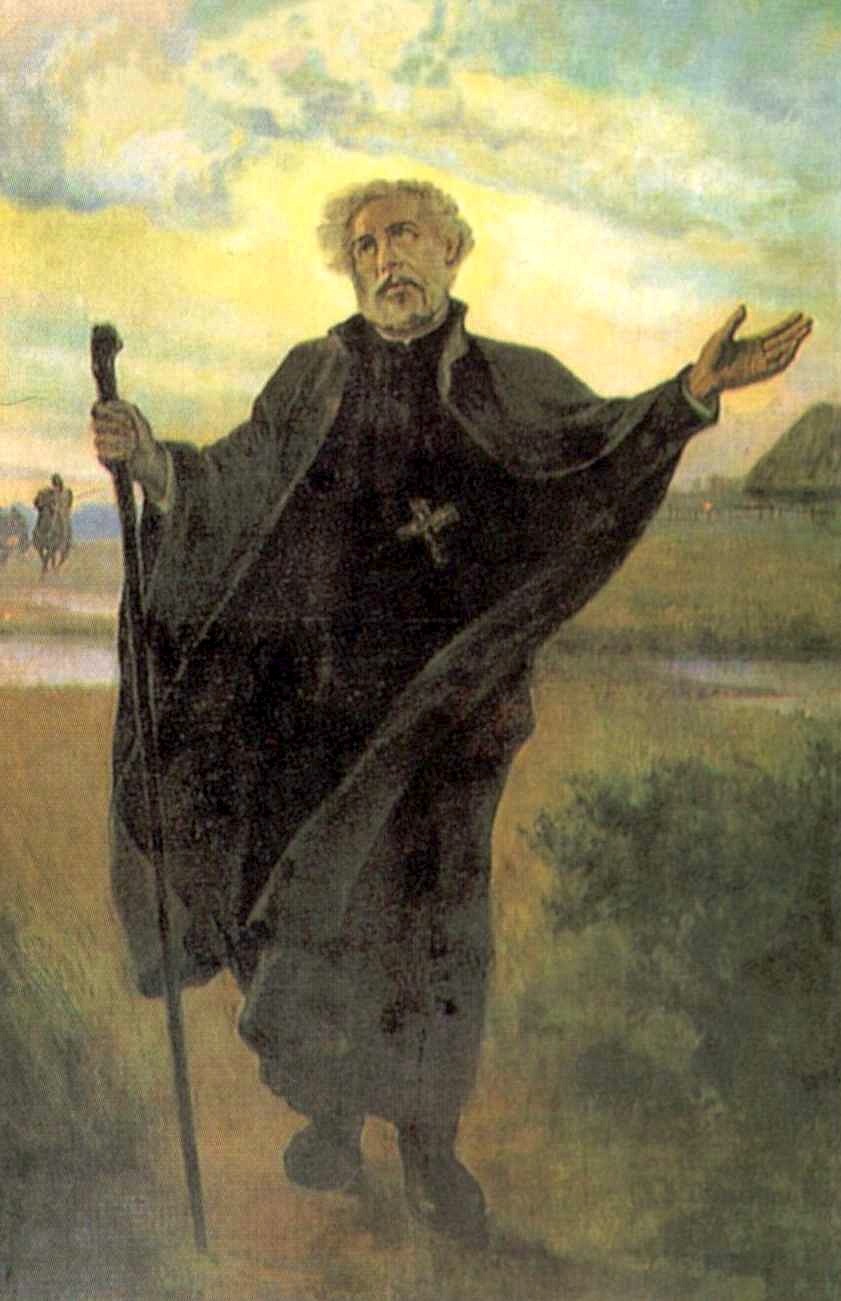
Saint Andrew Bobola, born in 1591 into a noble Polish family in Strachocina, was destined for a life of profound faith and ultimate sacrifice. From a young age, he exhibited a fervent piety and an intellectual curiosity that led him to join the Society of Jesus in 1611. His early formation as a Jesuit priest was steeped in rigorous academic study and spiritual discipline, preparing him for a demanding apostolate in a tumultuous era. He was ordained in 1622 and quickly became known for his eloquent preaching and tireless efforts in catechizing the faithful, particularly in the challenging borderlands between Catholicism and Orthodoxy. His formative years instilled in him an unwavering commitment to the Catholic Church and a deep love for the souls entrusted to his care.
Father Andrew's vocation as a Jesuit priest led him to become a tireless missionary, often referred to as the "Apostle of Lithuania" due to his extensive work in the regions of Polotsk, Pinsk, and Vilna. He dedicated himself to strengthening the Catholic faith, reconciling schismatics, and combating the spread of Calvinism. His ministry was characterized by fervent prayer, compelling sermons, and a pastoral zeal that drew many back to the Church. He established schools, ministered to the sick and the poor, and fearlessly defended Catholic doctrine in a time of intense religious strife. His unwavering commitment to Christ and His Church made him a formidable spiritual leader, earning him both admiration and enmity.
On May 16, 1657, during a period of intense persecution by Cossacks, Saint Andrew Bobola was captured and subjected to unspeakable torture for refusing to renounce his Catholic faith. He endured flaying, mutilation, and finally decapitation, offering his life as a testament to his unwavering belief. Forty-four years later, in 1701, his tomb was opened, and his body was discovered to be miraculously incorrupt, despite the extreme violence of his martyrdom and the passage of decades. This extraordinary preservation, particularly remarkable given the extensive wounds inflicted upon him, was seen as a profound sign of God's favor. His body, a testament to his heroic virtue and the power of divine grace, is now venerated in the Sanctuary of Saint Andrew Bobola in Warsaw, Poland.
The incorruption of Saint Andrew Bobola stands as a powerful and enduring legacy, a silent sermon of faith, courage, and divine protection. His canonization in 1938 by Pope Pius XI formally recognized his heroic sanctity and martyrdom, solidifying his place among the Church's most revered saints. Today, pilgrims from around the world visit his shrine in Warsaw, where they can venerate his incorrupt body and draw inspiration from his unwavering witness. His feast day on May 16 serves as a reminder of his profound sacrifice and his continuing intercession for the Church, particularly in promoting unity and perseverance in the face of persecution. Saint Andrew Bobola remains a powerful intercessor and a beacon of hope, demonstrating that even in the darkest of times, God's grace can triumph over evil and death.
Discovery
The remarkable story of Saint Andrew Bobola's incorrupt body begins not with his brutal martyrdom in 1657, but 44 years later, in 1701, amidst the volatile political and religious landscape of Eastern Europe. It was in Polotsk, then a part of the Polish-Lithuanian Commonwealth, that the Jesuit community, under the guidance of Father Martin Godebski, decided to exhume the remains of their martyred brother. The impetus for this exhumation was a dream or vision experienced by Father Godebski, in which Saint Andrew Bobola himself appeared, expressing his desire for his body to be moved to a more fitting resting place and hinting at its miraculous preservation. With a sense of anticipation and reverence, the Jesuits, accompanied by local ecclesiastical authorities and a small group of faithful, proceeded to the church crypt where Bobola had been interred. Upon opening the coffin, a gasp of astonishment rippled through those present. Despite the passage of nearly half a century and the damp conditions of the crypt, the body of Andrew Bobola lay perfectly preserved. His flesh was supple, his features recognizable, and there was no sign of the decomposition that would normally have reduced a human body to skeletal remains. The wounds inflicted during his horrific torture and execution were still visible, yet they too appeared fresh, as if the martyrdom had occurred but recently. The immediate reaction was one of profound awe and confirmation of Bobola's sanctity, solidifying his reputation as a powerful intercessor.
Following this initial, astonishing discovery, the body of Saint Andrew Bobola became a focal point of veneration and an object of intense scrutiny. Over the centuries, the incorrupt remains were exhumed and examined on multiple occasions, each time reaffirming their miraculous state. In 1719, for instance, the body was again examined by ecclesiastical and medical authorities, who meticulously documented its condition, noting the continued flexibility of the limbs and the lifelike appearance of the skin. These examinations were not merely ritualistic; they served to scientifically verify the absence of decay, a phenomenon that defied natural explanation. The body was moved several times throughout its history, often due to political upheavals and conflicts that swept across the region. From Polotsk, it was eventually transferred to the Jesuit church in Połock, where it remained for many years, drawing pilgrims from far and wide. Each relocation presented another opportunity for careful inspection, and each time, the body was found to be in the same state of miraculous preservation, impervious to the passage of time and the vicissitudes of its environment.
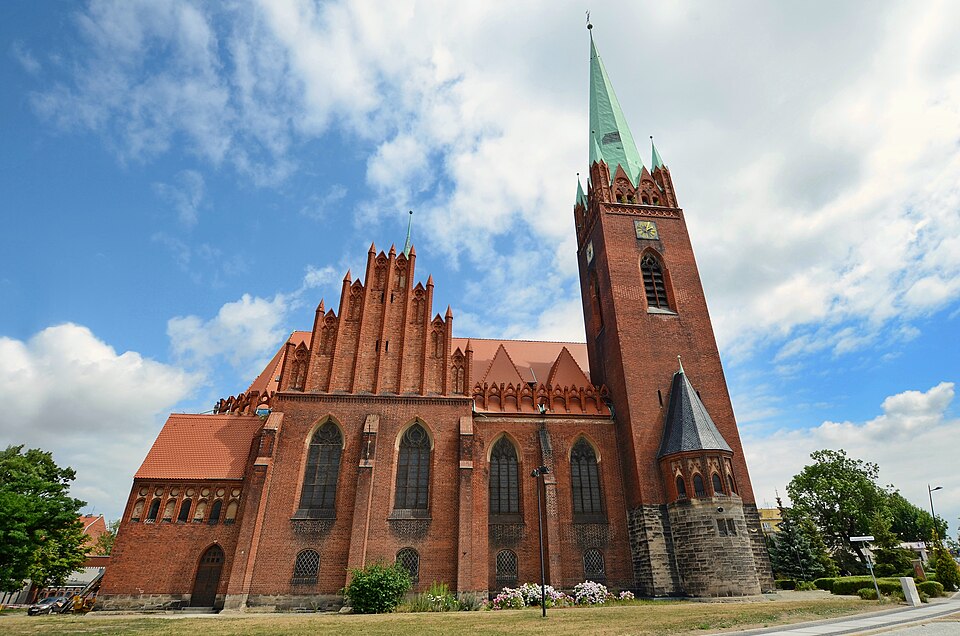
The preservation journey of Saint Andrew Bobola's incorrupt body is a testament to both divine intervention and human devotion. After the Russian Revolution, the body faced its most perilous journey. In 1922, under the Soviet regime, it was confiscated from the Jesuit church in Połock and transported to Moscow, where it was put on display in the Museum of Hygiene as a "scientific curiosity" to debunk religious belief. Despite this sacrilegious intent, the body remained miraculously preserved, a silent witness to faith even in the face of atheistic propaganda. Through diplomatic efforts, particularly those of the Holy See, the body was eventually returned to the Catholic Church in 1938, the very year of Bobola's canonization. It was then brought to Rome, where it rested for a time before being finally repatriated to Poland in 1938. Today, the revered remains of Saint Andrew Bobola are enshrined in the Church of Saint Andrew Bobola in Warsaw, Poland. The body is displayed in a magnificent glass casket, allowing the faithful to venerate their beloved saint. This transparent reliquary is meticulously maintained, ensuring the protection of the precious relic while offering a clear view of the remarkably preserved form.
Beyond the sheer absence of decay, several remarkable details have been associated with Saint Andrew Bobola's incorrupt body. Throughout its history, observers have consistently noted the unusual flexibility of the limbs, a characteristic often reported in cases of incorruption, suggesting a state beyond rigor mortis. Furthermore, there have been accounts, particularly during earlier examinations, of a faint, sweet fragrance emanating from the body, a phenomenon often described as the "odor of sanctity." While not universally reported at every examination, these accounts contribute to the mystique surrounding the saint's remains. There have been no reports of bleeding or exuding oils, but the sheer defiance of natural decomposition, especially given the extreme violence of his martyrdom and the subsequent burial conditions, remains the most profound and consistent miracle. The body's resilience, enduring confiscation, public display in a museum intended to discredit faith, and numerous transfers, all without succumbing to the natural processes of decay, stands as a powerful and enduring testament to the sanctity of Saint Andrew Bobola and the miraculous nature of his incorruption.
Preservation
Body displayed in the Church of Saint Andrew Bobola, Warsaw.
Scientific Analysis
The preservation of the remains of Saint Andrew Bobola has been the subject of several examinations over centuries, though detailed scientific scrutiny, particularly with modern forensic techniques, has been somewhat limited. Historical accounts indicate that his body was exhumed multiple times. The initial discovery of his preserved state occurred in 1701, 44 years after his death, when his tomb in Pinsk was opened. At that time, witnesses reportedly observed a body that appeared intact, despite the extensive injuries documented from his martyrdom. Subsequent examinations were primarily visual inspections by ecclesiastical authorities and, occasionally, by physicians. For instance, in 1917, during a re-interment, a medical commission reportedly inspected the body, noting its remarkable state of preservation, particularly the flexibility of the skin and the absence of significant decomposition, despite the severe wounds. However, specific names of these early medical examiners, their institutional affiliations, and detailed methodologies or comprehensive reports are not widely available in the public domain. The most significant modern examination occurred in 1938, prior to his canonization, when a detailed medical report was prepared. This report, though not fully published with all its scientific specifics, confirmed the extraordinary preservation, noting the absence of putrefaction and the retention of anatomical integrity, especially considering the violent nature of his death.
The scientific remarkable nature of this case lies in the defiance of typical post-mortem decomposition processes. Normal human decomposition, under typical burial conditions, involves autolysis (self-digestion by cellular enzymes) and putrefaction (bacterial breakdown), leading to liquefaction and skeletalization within a few years. Saint Andrew Bobola's death in 1657, followed by burial in a damp crypt in Pinsk, would ordinarily have accelerated these processes. The climate of Eastern Europe, characterized by fluctuating temperatures and humidity, is generally not conducive to natural mummification. Furthermore, the extensive torture he endured, including flaying, burning, and decapitation attempts, would have introduced numerous entry points for bacteria and enzymes, thereby hastening decay. There is no historical record or scientific evidence suggesting any deliberate embalming or preservation treatments were applied to his body after death. The reported flexibility of the skin and the absence of significant tissue loss, despite the severe trauma, present a significant anomaly when viewed through the lens of forensic taphonomy.
Natural explanations for body preservation, such as saponification (adipocere formation) or natural mummification, typically require specific environmental conditions. Adipocere formation, a waxy substance formed from body fats, usually occurs in cool, moist, anaerobic environments and can preserve body contours but often results in a waxy, brittle texture, not the reported flexibility. Natural mummification, conversely, requires extremely dry conditions to desiccate tissues before bacterial decay can set in, which contradicts the damp crypt environment. While some degree of natural mummification due to air circulation within a sealed crypt might be considered, it rarely accounts for the level of tissue integrity and flexibility described in this case, especially given the extensive wounds. Skeptics often point to the possibility of misinterpretation of visual evidence or the lack of rigorous, modern scientific analysis to definitively rule out natural processes. However, the consistent reports of extraordinary preservation across multiple centuries, particularly in the absence of known embalming and under conditions generally unfavorable for preservation, continue to pose a scientific challenge.
From a modern scientific perspective, the case of Saint Andrew Bobola presents an intriguing subject for advanced forensic investigation. While historical accounts and visual inspections provide valuable qualitative data, the application of contemporary techniques could offer definitive insights. High-resolution imaging, such as CT scans or MRI, could reveal internal organ preservation, bone integrity, and the extent of soft tissue preservation without invasive procedures. Carbon dating could precisely determine the age of the remains, confirming their authenticity. Furthermore, detailed tissue analysis, including histological examination and molecular studies, could identify the specific mechanisms of preservation at a cellular level. For instance, analyzing the presence and integrity of collagen and other connective tissues could shed light on the reported flexibility. While previous examinations have attested to the remarkable preservation, the full scientific understanding of *how* this preservation occurred, particularly in light of the documented trauma and environmental conditions, remains largely unanswered without the application of these modern, non-destructive analytical methods. This case, therefore, stands as a compelling example within the broader study of taphonomy, inviting further objective scientific inquiry to unravel its enduring mystery.
Spiritual Significance
The phenomenon of incorruption, as exemplified by Saint Andrew Bobola, stands as a profound testament to the Catholic understanding of the human body and its ultimate destiny. Within Catholic theology, the body is not merely a vessel for the soul but is intrinsically linked to our spiritual identity, a "temple of the Holy Spirit" (1 Corinthians 6:19). The preservation of Saint Andrew's body, defying natural processes of decay despite the brutal nature of his martyrdom, is interpreted by the Church as a miraculous sign of God's special favor and a powerful prefigurement of the resurrection of the body. It underscores the theological truth that our physical being, redeemed by Christ, is destined for glory and eternal life. This extraordinary preservation serves as a tangible reminder of the communion of saints, bridging the visible world with the invisible, and affirming the Church's belief in the sanctity of human life from conception to natural death, and beyond. It is a visible sign of the triumph of grace over the fallen state of humanity and a beacon of hope for all who believe in the ultimate victory of life over death.
Saint Andrew Bobola's life was marked by a unique charism of unwavering apostolic zeal and a profound commitment to the Catholic faith in a turbulent era. His heroic virtues, particularly his courage, perseverance, and unwavering charity, shone brightly in his mission to catechize and evangelize in the challenging borderlands between Catholicism and Orthodoxy. He was known for his eloquent preaching, a gift he honed through rigorous Jesuit formation, and his tireless efforts to bring souls to Christ, often at great personal risk. His spirituality was deeply rooted in the Ignatian tradition, emphasizing discernment, spiritual combat, and a radical commitment to the greater glory of God. This commitment manifested in his willingness to endure immense suffering and ultimately martyrdom for his faith, demonstrating a profound obedience to the will of God and an unshakeable love for the Church. His life was a testament to the transformative power of grace, allowing him to face persecution with an extraordinary inner strength and a spirit of joyful sacrifice.
Devotion to Saint Andrew Bobola has grown steadily since his martyrdom, culminating in his canonization in 1938, a recognition of his heroic virtue and the enduring impact of his life. He is particularly venerated as the "Apostle of Lithuania" and a patron saint of Poland, a symbol of national and religious endurance. Pilgrims from across the globe are drawn to his resting place in the Church of Saint Andrew Bobola in Warsaw, Poland, where his incorrupt body is venerated. The experience of visiting his shrine is often described as deeply moving, offering a tangible connection to a saint who lived and died for his faith. Many come to offer prayers, seek his intercession for various needs, and participate in novenas and feast day traditions, particularly on May 16th. The visible presence of his preserved body serves as a powerful focal point for prayer and reflection, inspiring a renewed commitment to faith and a deeper appreciation for the sacrifices made by those who have gone before us.
Countless miracles have been attributed to the intercession of Saint Andrew Bobola, both during his lifetime and after his death. Documented healings, conversions, and answered prayers are numerous, testifying to his powerful intercessory role in heaven. The incorrupt body itself has been a continuous source of spiritual consolation for the faithful, acting as a tangible reminder of God's power and the efficacy of prayer. Stories abound of individuals who, after visiting his shrine or invoking his name, have experienced profound spiritual transformations, physical healings, or resolution to seemingly insurmountable difficulties. These accounts reinforce the belief in the communion of saints, demonstrating that those who have passed into eternal life remain actively engaged in the spiritual welfare of the living, offering their prayers and assistance to those who seek their aid. The enduring presence of his incorrupt body serves as a constant invitation to trust in God's providence and to seek the intercession of His saints.
Saint Andrew Bobola's enduring message for contemporary Catholics and seekers resonates deeply in a world often characterized by materialism and secularism. His life challenges the notion that spiritual realities are mere illusions, offering a powerful counter-narrative through the tangible evidence of his incorruption. He reminds us that true fulfillment lies not in worldly possessions or fleeting pleasures, but in a radical commitment to Christ and His Church, even unto death. Modern believers can learn from his example of unwavering faith in the face of persecution, his tireless dedication to evangelization, and his profound love for souls. His incorruption serves as a powerful bridge between the visible and invisible worlds, a concrete manifestation of God's presence and power in our midst. It encourages us to look beyond the superficial and to embrace the eternal, inspiring us to live lives of heroic virtue and to strive for sainthood in our own daily walk with Christ.
AI summary
A plain-language overview generated from this page's source material. Always verify with primary sources.