Biography
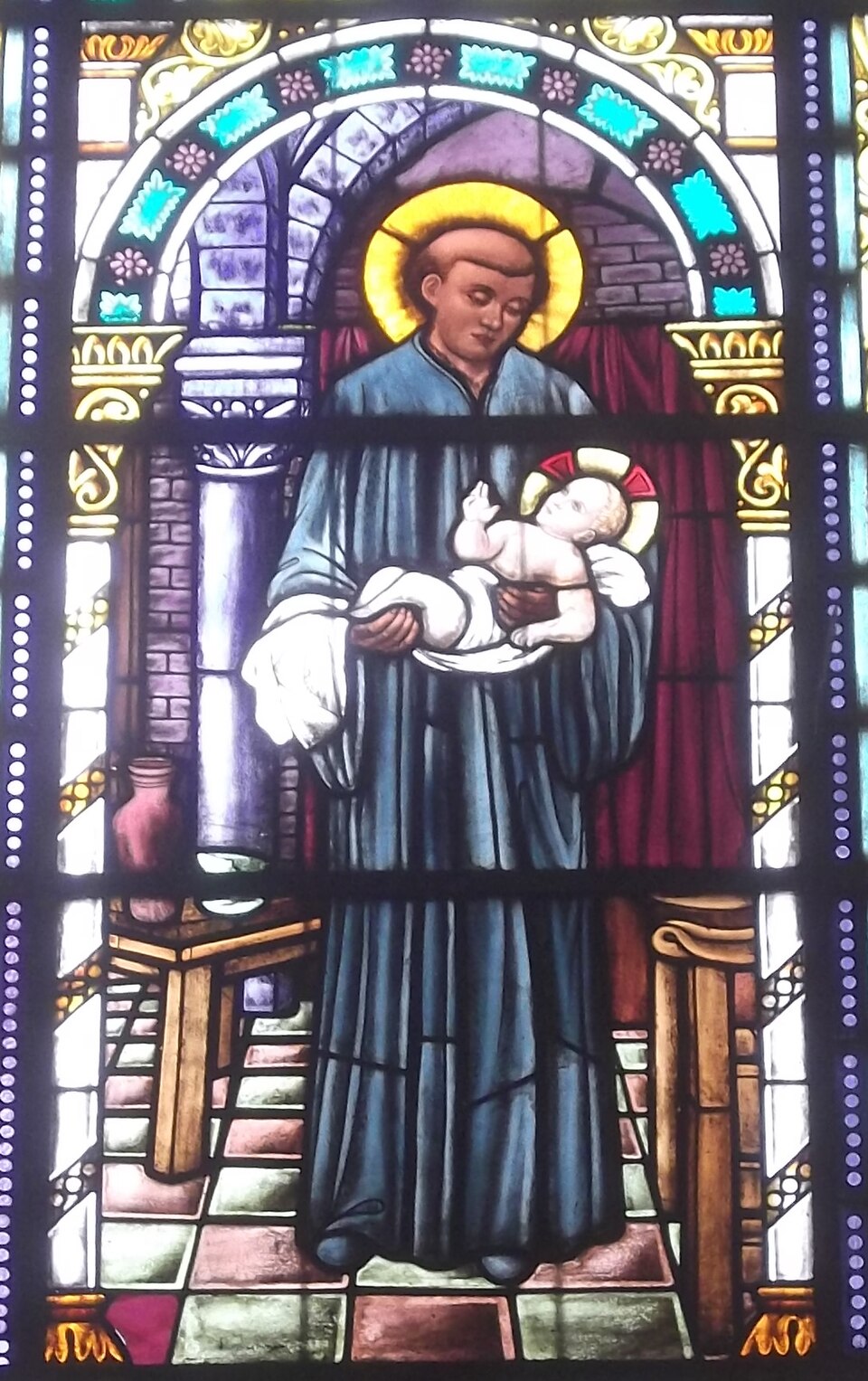
Saint Benedict the Moor, born Benedetto Manasseri in 1526 near Messina, Sicily, entered a world marked by both hardship and burgeoning faith. His parents, Diana and Cristoforo Manasseri, were enslaved Africans, likely brought to Sicily from Ethiopia. Though born into servitude, young Benedict was granted his freedom by his master, a testament to the family's character and perhaps an early sign of God's favor. From a tender age, Benedict displayed an extraordinary piety, a deep love for prayer, and a profound humility. He spent his youth as a shepherd, a solitary life that allowed him ample time for contemplation and communion with God. His gentle nature and unwavering faith were evident to all, and he quickly gained a reputation for holiness, even among those who initially mocked his dark skin.
At the age of 21, Benedict encountered a group of Franciscan hermits living under the Rule of St. Francis. Drawn by their austere life and devotion, he joined them, embracing a life of poverty, prayer, and penance. His humility was so profound that he initially resisted becoming their superior, but his wisdom and spiritual guidance were undeniable, and he eventually served as their leader. When Pope Pius IV disbanded the hermits, Benedict, ever obedient, joined the Friars Minor Conventual in Palermo. Though he began as a simple cook, his sanctity shone brightly. He possessed an uncanny ability to discern spirits, offer profound spiritual counsel, and even perform miracles. Despite his lack of formal education, he was appointed master of novices and later guardian of his friary, positions he accepted with characteristic humility, always preferring the lowliest tasks. He became a beloved figure, sought out by rich and poor alike for his wisdom and intercession.
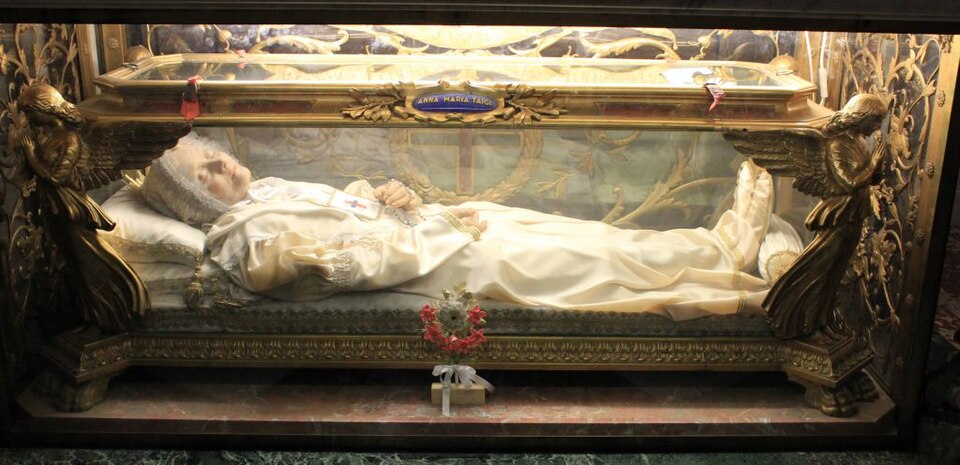
Saint Benedict passed away peacefully on April 4, 1589, at the age of 63, in Palermo. His death was met with widespread mourning, as the people of Sicily had long recognized his extraordinary sanctity. So great was the veneration for him that his body was immediately placed in a glass coffin, and to this day, it remains remarkably preserved, exhibiting the phenomenon of incorruption. His skin, though darkened by his African heritage, shows no signs of decay, and his features are clearly discernible, a powerful testament to the miraculous preservation of God's saints. Pilgrims can still venerate his incorrupt body in the Church of Santa Maria di Gesù in Palermo, where it rests as a perpetual sign of divine grace.
Canonized by Pope Pius VII in 1807, Saint Benedict the Moor's legacy extends far beyond the shores of Sicily. He is revered as a patron saint of African Americans, a powerful symbol of faith, perseverance, and racial equality within the Church. His life stands as a testament to the truth that holiness knows no boundaries of race, social status, or education. His enduring incorrupt body continues to inspire countless pilgrims, drawing them to contemplate the mysteries of God's power and the profound beauty of a life lived in complete surrender to His will. His example reminds us that true greatness lies not in worldly accolades, but in humble service and unwavering love for God and neighbor.
Discovery
The remarkable journey of this humble Franciscan friar's earthly remains into the realm of the incorrupt began not long after his passing. Saint Benedict the Moor, who died peacefully in Palermo on April 4, 1589, was buried in the friary church of Santa Maria di Gesù. The initial interment was a simple affair, befitting his life of poverty and humility. However, the burgeoning devotion to him, fueled by the numerous miracles attributed to his intercession both during his life and after his death, prompted the ecclesiastical authorities to consider his beatification. It was in preparation for this process, some three decades after his burial, that his tomb was opened. On May 7, 1611, in the presence of Archbishop Giovanni Doria of Palermo, along with various ecclesiastical and civil dignitaries, the coffin was exhumed. A palpable sense of anticipation filled the air as the lid was carefully removed. To the astonishment of all present, the body of Friar Benedict lay perfectly preserved, as if he had only just fallen asleep. His skin retained its natural color, his limbs were supple, and his habit, though somewhat soiled, was intact. There was no trace of the decay one would expect after twenty-two years in the earth. The witnesses were overcome with awe and reverence, many falling to their knees in prayer, recognizing this as a clear sign of divine favor and a testament to the saint's sanctity.
The initial discovery of his incorrupt state was not an isolated event; rather, it marked the beginning of a series of examinations and re-interments that would span centuries. Following the 1611 exhumation, the body was carefully cleaned and re-clothed in a fresh Franciscan habit. It was then placed in a new, more elaborate coffin, suitable for public veneration, and returned to its resting place within the church. The devotion to Saint Benedict continued to grow, leading to his beatification in 1743 and his canonization in 1807. Each step in this process often necessitated further examinations of his relics. For instance, in 1798, during preparations for his canonization, the body was again exhumed and examined by medical professionals and ecclesiastical officials. Their findings consistently affirmed the extraordinary state of preservation. Reports from these later examinations noted the continued flexibility of his joints and the lifelike quality of his flesh, even after more than two centuries. While some natural desiccation had occurred over such a vast span of time, the fundamental integrity of the body remained, defying the normal processes of decomposition. These repeated inspections served not only to document the phenomenon but also to deepen the faith of those who witnessed it, solidifying his place among the revered incorruptible saints.
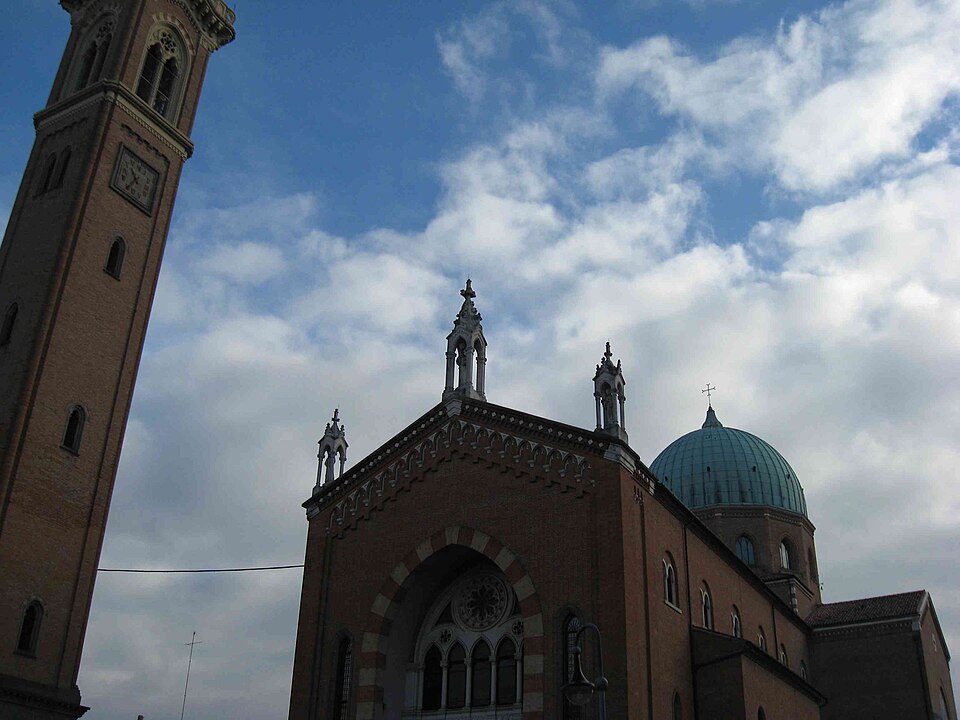
The preservation journey of Saint Benedict the Moor's body has been one of careful veneration and protective display. After the initial discovery and subsequent examinations, the decision was made to place his sacred remains in a manner that allowed for public veneration while ensuring their long-term protection. Today, the body of Saint Benedict rests within a magnificent glass-sided casket, which is itself housed within a larger, ornate reliquary. This reliquary is prominently displayed in the Church of Santa Maria di Gesù in Palermo, the very church where he lived, served, and died. The transparent nature of the casket allows pilgrims and visitors to view his remarkably preserved form, still clad in the brown Franciscan habit he wore in life. Environmental controls, though not always explicitly documented in early accounts, have undoubtedly played a role in maintaining the body's condition, especially in more recent times. The consistent veneration and the careful handling during transfers and examinations have all contributed to the enduring presence of this holy relic, a constant source of inspiration and a tangible link to a life lived in profound holiness.
Beyond the remarkable physical preservation, various accounts speak to other extraordinary phenomena associated with Saint Benedict the Moor's incorrupt body. While not as widely documented as some other incorruptibles, there have been consistent reports over the centuries of a sweet, fragrant aroma emanating from his remains, particularly during periods of intense veneration or during exhumations. This phenomenon, often described as the "odor of sanctity," is a recurring theme in the hagiography of incorrupt saints, serving as a spiritual counterpoint to the natural stench of decay. Furthermore, early accounts from the 1611 exhumation specifically noted the astonishing flexibility of his limbs, a characteristic that often defies scientific explanation for a body decades after death. While the body has naturally undergone some drying over the centuries, the fundamental integrity and the absence of putrefaction remain a profound mystery, a testament to the enduring power of faith and the miraculous intervention of God in the lives of His saints. These remarkable details only add to the profound reverence surrounding Saint Benedict the Moor, making his incorrupt body a powerful symbol of divine grace and an enduring source of inspiration for the faithful.
Scientific Analysis
The phenomenon of human body preservation beyond the typical course of decomposition, often termed "incorruption" within religious contexts, presents a fascinating intersection for scientific inquiry. In the case of Saint Benedict the Moor, who died in 1589, the reported state of his remains has prompted curiosity and occasional examination over centuries. While comprehensive, peer-reviewed scientific studies with modern analytical techniques are notably scarce for many such historical figures, anecdotal accounts and historical records provide some insight. Formal medical examinations, particularly those employing contemporary forensic pathology standards, are not widely documented for Saint Benedict. However, historical exhumations and viewings, often conducted by ecclesiastical authorities with medical professionals present, have consistently reported a remarkable state of preservation. For instance, during the beatification process in the 17th century and later during his canonization in 1807, observers, including physicians, noted the flexibility of his skin, the presence of hair, and the absence of the typical odor and advanced decay associated with a body deceased for such an extended period. Specific names of these early medical examiners and their institutional affiliations are often lost to historical records, but their observations form the basis of the traditional claims of incorruption. These early assessments, while lacking the rigor of modern forensic science, consistently highlighted an unusual preservation that defied common understanding of post-mortem changes.
The scientific enigma surrounding Saint Benedict the Moor's reported incorruption lies in its apparent defiance of normal decomposition processes. Human remains typically undergo a predictable sequence of decay: autolysis, putrefaction, skeletonization, and diagenesis. Environmental factors such as temperature, humidity, oxygen availability, and the presence of microorganisms are critical drivers of this process. Palermo, Sicily, where Saint Benedict is interred, possesses a Mediterranean climate characterized by warm, dry summers and mild, wet winters. Such conditions, particularly the warmth and humidity, generally accelerate decomposition rather than inhibit it. Unless specific, deliberate preservation techniques were employed at the time of death, a body interred in such an environment for over 400 years would ordinarily be reduced to skeletal remains, if not further deteriorated. There are no historical records or indications of embalming, mummification, or other sophisticated preservation treatments being applied to Saint Benedict's body. The absence of such interventions, coupled with the reported state of preservation, makes the case scientifically remarkable. The lack of evidence for embalming distinguishes it from cases where deliberate human intervention is the primary cause of preservation.
Natural explanations for unusual body preservation often include phenomena such as saponification (adipocere formation), mummification, or preservation in specific environmental conditions (e.g., peat bogs, extremely dry environments). Adipocere, a waxy, soap-like substance formed from body fats in anaerobic, moist environments, can preserve soft tissues, but it typically results in a distinct appearance and texture that differs from the reported flexibility and naturalistic appearance of Saint Benedict's remains. Natural mummification occurs in extremely arid or cold conditions, leading to desiccation of tissues, which is not characteristic of the Sicilian climate or the reported state of the body. While some skeptics might propose that the reported incorruption is exaggerated or that early observers lacked the scientific understanding to accurately assess the state of preservation, the consistent nature of the accounts over centuries suggests a genuine departure from typical decay. The challenge for natural explanations is to account for the specific combination of reported preservation (soft tissues, hair, lack of odor) in an environment that should promote rapid decomposition, without evidence of deliberate human intervention. The absence of a clear, single natural explanation that fully accounts for all reported aspects of the preservation contributes to its enduring mystery.
From a modern scientific perspective, the case of Saint Benedict the Moor, like other reported cases of incorruption, presents an opportunity for advanced forensic and anthropological investigation. While historical accounts are valuable, they are limited by the scientific understanding of their time. Modern techniques such as computed tomography (CT) scans could provide non-invasive insights into the internal state of the remains, revealing tissue density, organ preservation, and any evidence of internal embalming or mineral deposition. Carbon dating could precisely determine the age of the remains and confirm their identity. Microscopic tissue analysis, if permitted, could identify cellular structures, the presence of microorganisms, and the extent of protein degradation, offering clues about the biochemical processes at play. DNA analysis could confirm identity and potentially reveal genetic predispositions to unusual post-mortem changes, though this is highly speculative. The application of these modern techniques, while respecting the religious significance of the remains, could significantly advance our understanding of unusual body preservation. The unanswered questions revolve around the precise biochemical and environmental factors that might have contributed to this specific state of preservation, and whether any subtle, previously unrecognized natural processes are at work, or if the phenomenon truly transcends current scientific explanations.
Spiritual Significance
The enduring incorruption of Saint Benedict the Moor, whose body rests remarkably preserved in the Church of Santa Maria di Gesu in Palermo, Italy, offers a profound theological testament to the Catholic understanding of the human person and the ultimate destiny of the faithful. Within Catholic theology, the body is not merely a temporary vessel but is intrinsically linked to the soul, a temple of the Holy Spirit as articulated in 1 Corinthians 6:19. Saint Benedict's incorrupt state, nearly 450 years after his death, serves as a tangible, miraculous sign of God's power over decay and a foreshadowing of the resurrection of the body, a core tenet of Christian eschatology. It underscores the belief that the physical remains of saints, particularly those who lived lives of extraordinary virtue, can be preserved by divine intervention as a sign of their sanctity and their intimate union with Christ. This phenomenon is interpreted by the Church not as a mere biological anomaly, but as a supernatural affirmation of the communion of saints, demonstrating that those who have passed into glory remain connected to the Church Militant on earth, their physical presence, even in death, serving as a beacon of hope and a call to holiness for those who remain. The incorruptibility of Saint Benedict thus reinforces the sacredness of the human body and its ultimate glorification in Christ.
Saint Benedict the Moor possessed a unique charism rooted in profound humility, unwavering charity, and a deep contemplative spirit. Born into servitude, he transcended his earthly circumstances through an extraordinary dedication to God, embracing a life of poverty and simplicity that mirrored the Franciscan ideal. His early life as a shepherd, a solitary existence, fostered a rich interior life, allowing him ample time for prayer and communion with the divine. Upon joining the Franciscan Friars Minor of the Observance, he exemplified obedience, even serving as guardian despite his illiteracy, a testament to his spiritual authority and the trust placed in him by his brothers. His charity extended to all, particularly the poor and marginalized, whom he served with boundless compassion, often sharing his meager rations and offering spiritual counsel. He was known for his mystical experiences, often entering states of ecstasy during prayer, yet always remaining grounded in practical service. His spirituality was characterized by a profound sense of God's presence in everyday life, transforming mundane tasks into acts of worship and radiating a gentle, loving presence that drew people from all walks of life to him. He contributed to the Franciscan tradition not through theological treatises, but through the living embodiment of its most cherished virtues, demonstrating that true holiness is accessible to all, regardless of social standing or intellectual prowess.
Devotion to Saint Benedict the Moor has flourished over the centuries, particularly among the African diaspora and those seeking solace in times of oppression and hardship. He is widely venerated as the patron saint of African Americans, Black Catholics, and those suffering from racial discrimination, as well as cooks and beggars, reflecting his humble origins and generous spirit. His feast day, April 4th, is celebrated with special reverence, often marked by novenas and liturgical celebrations that highlight his virtues and intercessory power. Pilgrims from across the globe journey to the Church of Santa Maria di Gesu in Palermo to venerate his incorrupt body. The experience of visiting his shrine is often described as deeply moving and spiritually uplifting. The sight of his remarkably preserved remains, displayed in a glass casket, serves as a powerful visual reminder of his sanctity and the enduring presence of God's grace. Many pilgrims report a profound sense of peace and a renewed faith upon encountering his incorrupt body, feeling a tangible connection to a saint who, despite his earthly struggles, achieved extraordinary spiritual heights. This physical encounter with his remains fosters a deeper devotion and strengthens the belief in the communion of saints, where the living and the dead are united in Christ.
Numerous miracles have been attributed to Saint Benedict the Moor's powerful intercession, both during his lifetime and after his death. Documented accounts speak of healings from various ailments, including blindness and paralysis, and conversions of hardened sinners who were touched by his gentle wisdom and profound faith. His incorrupt body itself has been a source of spiritual consolation for the faithful, serving as a constant reminder of God's miraculous power and the sanctity of his servant. Stories abound of individuals who, after praying before his relics, experienced profound spiritual shifts, finding strength in times of despair, clarity in moments of doubt, and renewed hope in the face of adversity. The very preservation of his body is considered a continuous miracle, inspiring awe and wonder, and drawing countless souls to contemplate the mysteries of faith. For many, the incorrupt body of Saint Benedict is not merely a historical artifact but a living testament to God's enduring love and a powerful conduit for divine grace, offering a tangible connection to the heavenly realm and the intercessory power of the saints.
Saint Benedict the Moor's enduring message holds profound relevance for contemporary Catholics and seekers in a world often characterized by materialism, secularism, and social division. His life challenges the modern obsession with wealth and status, demonstrating that true richness lies not in earthly possessions but in a profound relationship with God and selfless service to others. In an age that often prioritizes intellectual prowess, his illiteracy reminds us that wisdom can be found in humility and a pure heart. His unwavering faith in the face of adversity and discrimination offers a powerful antidote to cynicism and despair, encouraging perseverance and trust in divine providence. His incorruption serves as a tangible bridge between the visible and invisible worlds, a concrete reminder that there is more to existence than what can be perceived by the senses, inviting contemplation on the eternal and the transcendent. From his example, people today can learn the transformative power of humility, the boundless grace of charity, and the profound peace that comes from surrendering one's life to God, offering a timeless model of holiness that transcends cultural and historical boundaries.
AI summary
A plain-language overview generated from this page's source material. Always verify with primary sources.