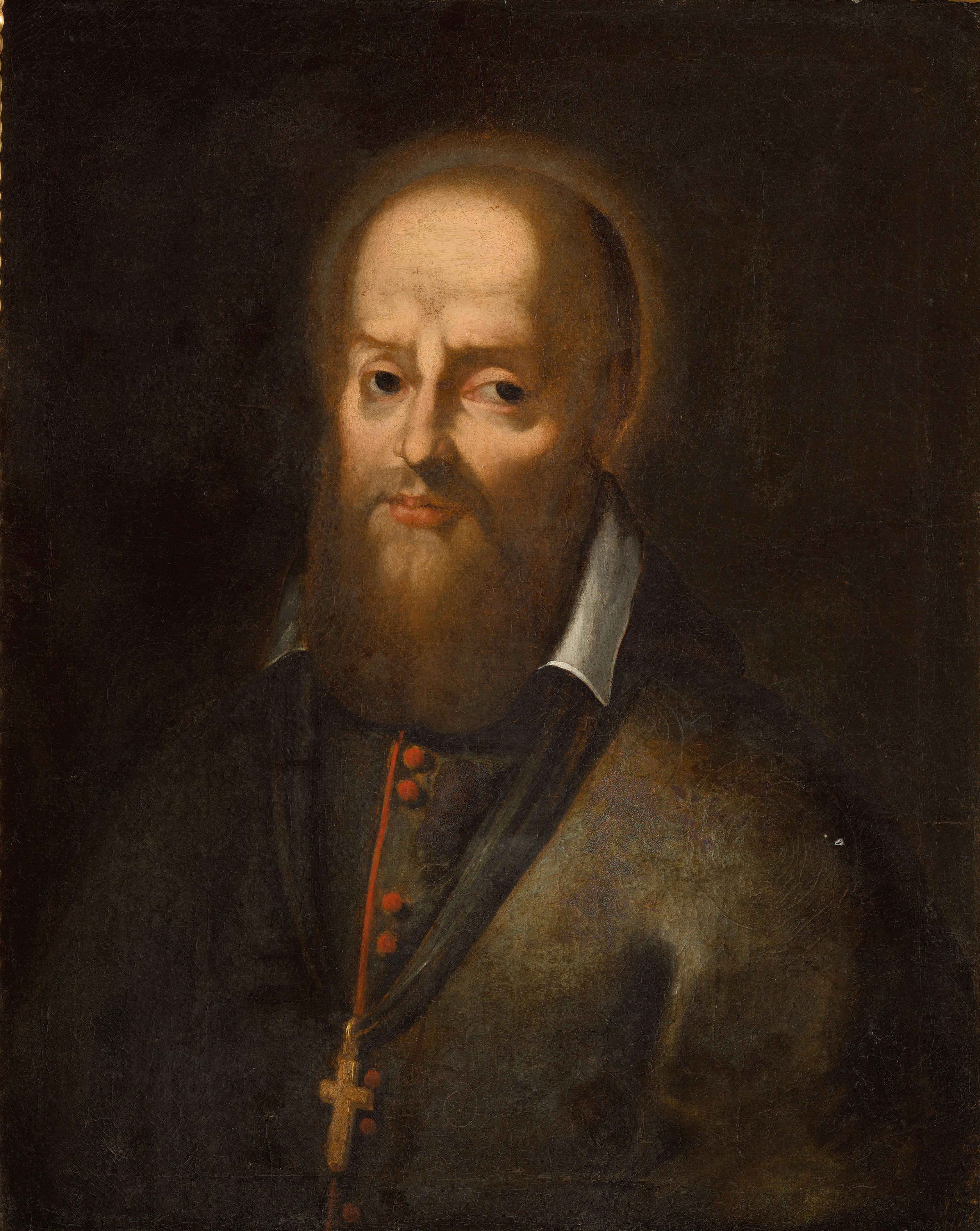
Biography
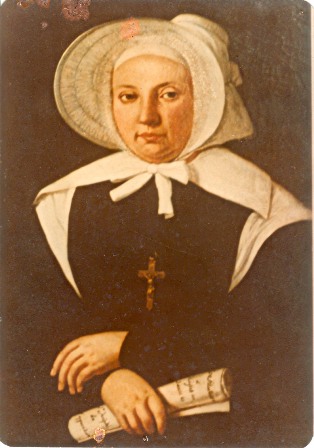
Saint Catherine Labouré, born Zoé Labouré in 1806 in the small Burgundian village of Fain-lès-Moutiers, France, was the ninth of eleven children to a devout farming family. From a young age, she exhibited a deep piety and a profound love for the Blessed Mother. Following the death of her mother when Catherine was just nine, she took on significant responsibilities caring for her younger siblings and managing the household, experiences that instilled in her a strong work ethic and a compassionate heart. A pivotal moment in her youth occurred when, after receiving her First Holy Communion, she had a vivid dream of Saint Vincent de Paul, who beckoned her to join his order. This dream, coupled with her burgeoning spiritual life, solidified her resolve to dedicate herself to God, despite her father's initial resistance to her religious vocation.
At the age of 24, Catherine finally entered the novitiate of the Daughters of Charity of Saint Vincent de Paul in Paris. It was during her novitiate year, in 1830, that she experienced a series of extraordinary apparitions of the Blessed Virgin Mary. The most significant of these occurred on November 27th, when the Virgin Mary appeared to her, standing on a globe, crushing a serpent underfoot, with rays of light streaming from her hands. Around her appeared the words, "O Mary, conceived without sin, pray for us who have recourse to thee." Mary instructed Catherine to have a medal struck according to this design, promising great graces to those who wore it with faith. This medal, soon to be known as the Miraculous Medal, quickly spread throughout the world, becoming a powerful instrument of conversion and healing. For 46 years, Catherine faithfully served the elderly poor at the Hospice d'Enghien in Paris, maintaining a humble silence about her role in the medal's origin, her identity as the visionary known only to her confessor and superior.
Sister Catherine Labouré passed away peacefully on December 31, 1876, having lived a life of profound humility and dedicated service. When her cause for beatification progressed, her body was exhumed in 1933, 57 years after her death. To the astonishment of all present, her body was found to be perfectly incorrupt. Her skin remained supple and white, her limbs flexible, and her blue eyes, remarkably, were as clear and vibrant as they had been in life. Medical examination confirmed this extraordinary state of preservation, noting the absence of any signs of decomposition or embalming. Today, her incorrupt body rests in a glass reliquary beneath the altar in the Chapel of Our Lady of the Miraculous Medal in Paris, the very place where she received the sacred visions.
Saint Catherine Labouré was canonized by Pope Pius XII in 1947, a testament to her heroic virtue and the divine confirmation of the Miraculous Medal apparitions. Her incorruption stands as a powerful sign of God's favor and the truth of her spiritual experiences. Pilgrims from across the globe visit the Chapel of Our Lady of the Miraculous Medal, a vibrant Marian shrine, to venerate her sacred remains, pray before the image of the Immaculate Conception, and seek the intercession of the humble visionary whose obedience brought forth a torrent of graces upon the world through the simple yet profound Miraculous Medal. Her life continues to inspire countless souls to a deeper devotion to the Blessed Mother and a life of humble service.
Discovery
The remarkable preservation of Saint Catherine Labouré's body came to light during the preparations for her beatification process. Fifty-seven years after her passing on December 31, 1876, the exhumation was meticulously carried out on April 28, 1933, in the presence of several ecclesiastical and medical authorities. Among those gathered in the crypt of the Chapel of Our Lady of the Miraculous Medal at 140 Rue du Bac in Paris were Monsignor J. Talamoni, the Promoter of the Faith for the beatification cause, and Dr. Antoine Darbon, a physician appointed by the Church to officially examine the remains. As the coffin was opened, a profound silence fell over the witnesses. Instead of the skeletal remains typically expected after such a long interment, they beheld a body that appeared astonishingly preserved. Her habit, though somewhat discolored, still clothed her, and beneath it, her skin was described as remarkably intact, exhibiting a natural, almost luminous pallor. Her limbs, far from being rigid, were found to be surprisingly flexible, and perhaps most strikingly, her blue eyes, though sunken, retained a clarity that defied the passage of time, appearing as if she had only recently fallen into a peaceful sleep. The immediate reaction was one of awe and reverence, a palpable sense of witnessing a miracle. Dr. Darbon, in his official report, noted the extraordinary state of preservation, particularly the suppleness of the tissues and the absence of any significant decomposition, a finding that profoundly impacted the ongoing beatification process.
Following this initial discovery, the body of Saint Catherine Labouré underwent further examination to confirm its incorrupt state. While there have not been subsequent full exhumations in the same manner as the 1933 event, the body has been carefully monitored and maintained. The original examination by Dr. Darbon and other medical professionals confirmed the integrity of her internal organs, though they were naturally somewhat shrunken, yet still identifiable. The extraordinary flexibility of her joints, particularly her wrists and ankles, was a consistent observation, a phenomenon that continues to intrigue and defy conventional scientific explanation. Unlike some other incorruptibles who exhibit a waxy or mummified appearance, Saint Catherine's body has maintained a more natural, lifelike quality, a characteristic that has remained constant since its discovery. This enduring state of preservation, without any artificial embalming or chemical treatment, has been a cornerstone of the Church's recognition of her incorruption, serving as a powerful testament to her sanctity and the miraculous nature attributed to her visions of the Miraculous Medal.
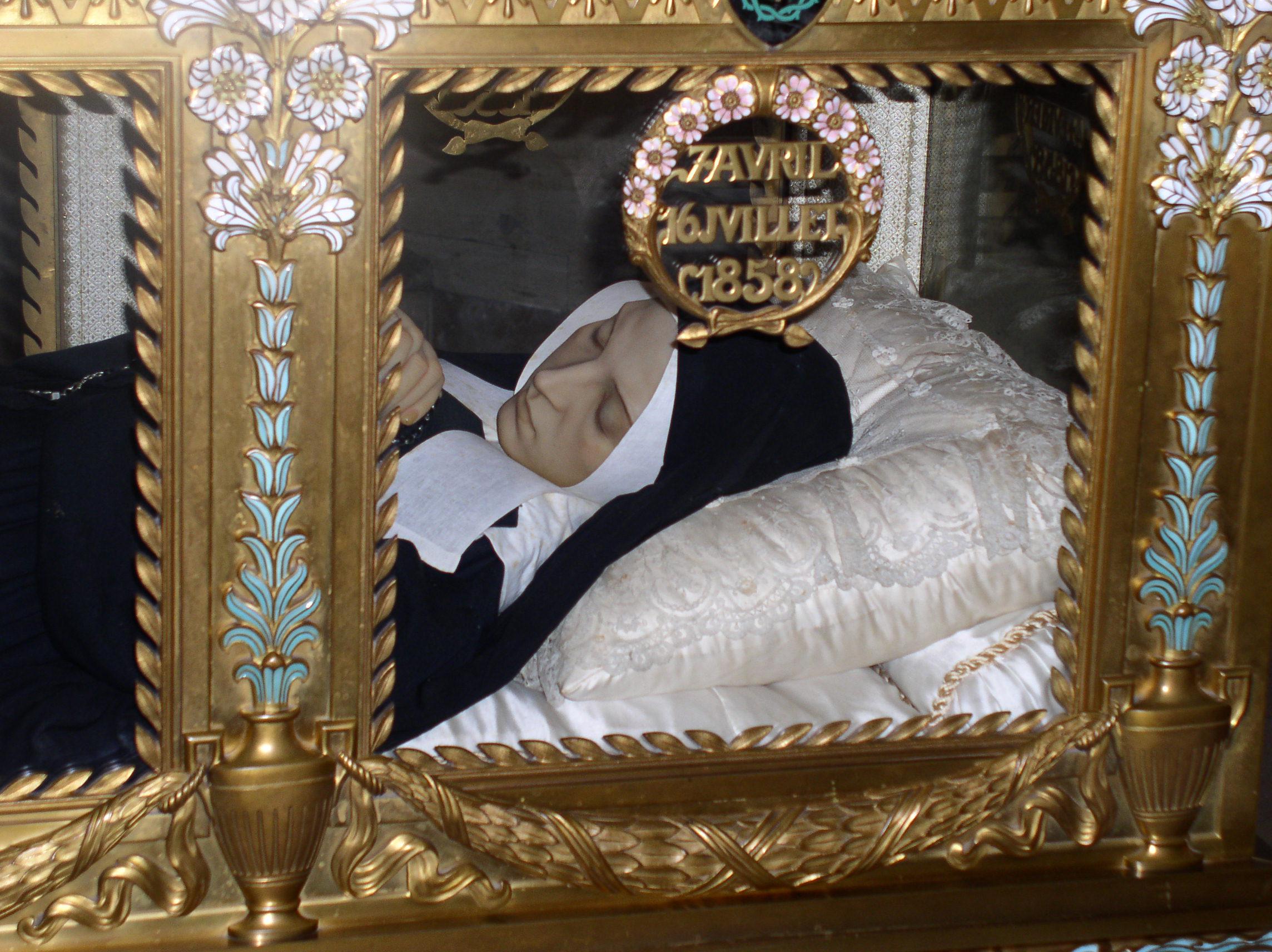
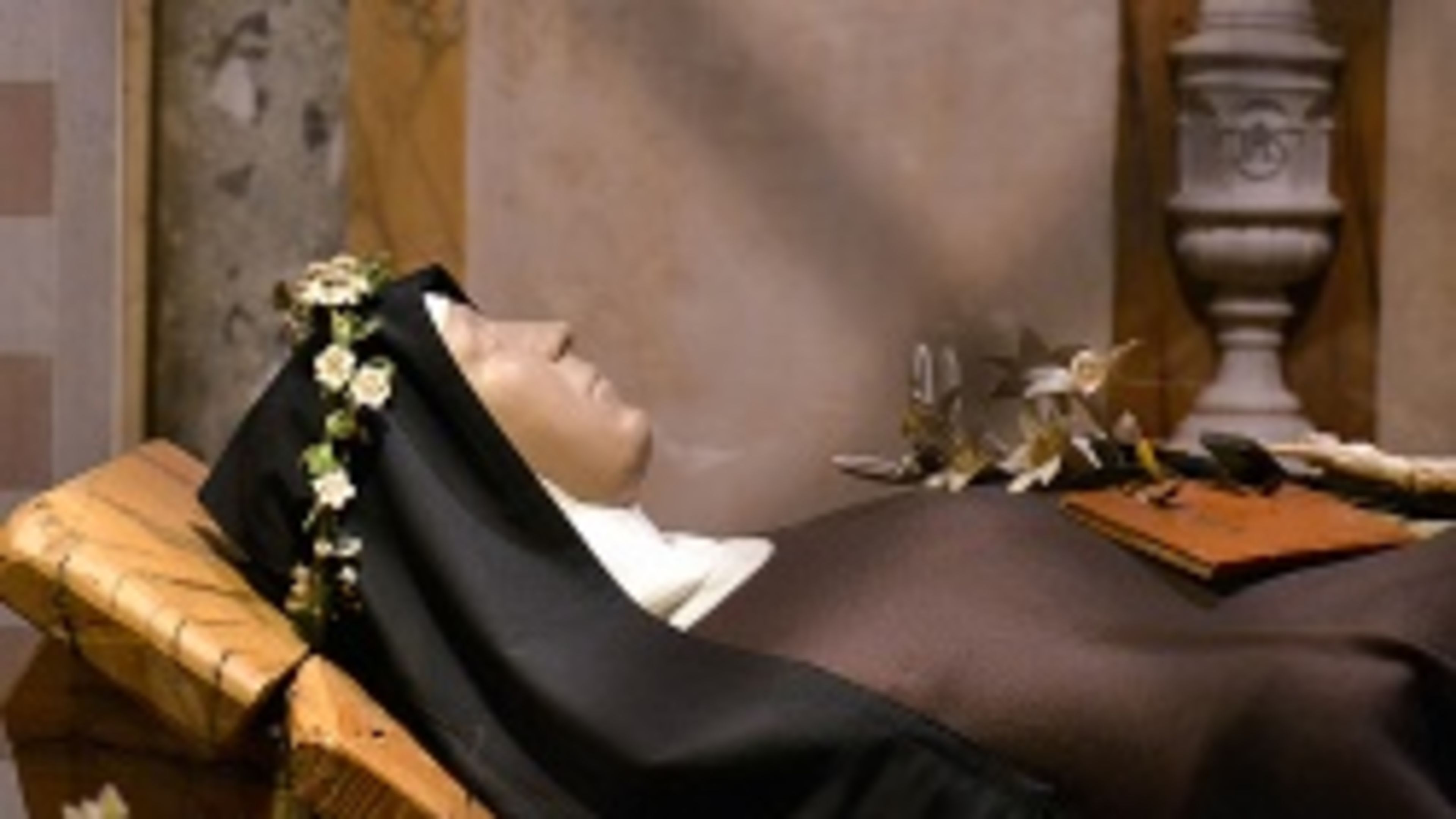
The journey of Saint Catherine Labouré's incorrupt body from its initial resting place to its current venerated display is a testament to the Church's commitment to preserving such sacred relics. After the 1933 exhumation and subsequent verification of its incorrupt state, the decision was made to place her body on public display for the veneration of the faithful. It was carefully transferred to a custom-built glass reliquary, designed to protect it from the elements while allowing visitors a clear view. This reliquary was then placed under a side altar in the very chapel where she had received her profound Marian visions, the Chapel of Our Lady of the Miraculous Medal at 140 Rue du Bac in Paris. The location is deeply significant, allowing pilgrims to connect directly with the physical presence of the visionary in the sacred space where the Miraculous Medal was revealed. The reliquary is hermetically sealed to prevent environmental degradation, and the chapel maintains a stable climate to ensure the long-term preservation of her remains. The body lies in a recumbent position, clothed in a fresh habit of the Daughters of Charity, her hands clasped in prayer, a serene expression on her face that has moved countless visitors.
Among the most remarkable details surrounding Saint Catherine Labouré's incorrupt body is the consistent observation of its natural flexibility and the absence of any putrefaction. Unlike many historical cases of incorruption where a sweet fragrance or an oily exudation is reported, the miracle of Saint Catherine's body lies primarily in its resistance to the natural processes of decay. The initial reports emphasized the suppleness of her skin and the pliability of her limbs, which allowed her to be gently repositioned for display without any damage. Her blue eyes, though recessed, have retained a striking clarity, and her facial features are distinctly recognizable from portraits taken during her lifetime. This enduring natural state, without any known embalming or chemical intervention, stands as a profound testament to the extraordinary nature of her incorruption. It is a silent, yet powerful, witness to her sanctity, drawing millions of pilgrims annually to the Chapel of Our Lady of the Miraculous Medal, where they can gaze upon the physical remains of the humble sister who received such profound revelations from the Blessed Virgin Mary.
Preservation
Body displayed under the side altar of the Chapel of Our Lady of the Miraculous Medal, 140 Rue du Bac, Paris.
Scientific Analysis
The phenomenon of exceptional post-mortem preservation, often termed incorruption within religious contexts, presents a compelling subject for scientific inquiry. In the case of Saint Catherine Labouré, her remains, interred in 1876, were exhumed 57 years later in 1933, prior to her beatification. A formal medical examination was conducted on May 21, 1933, by Dr. R. D. L. Lardemelle, a physician, in the presence of ecclesiastical authorities. The examination revealed a body in an astonishing state of preservation, particularly noting the intactness of the soft tissues. Dr. Lardemelle's report documented the absence of any significant signs of putrefaction or decomposition. Crucially, the eyes were described as being remarkably clear, a detail that stood out given the passage of nearly six decades. The limbs remained flexible, and the internal organs, though not extensively dissected, appeared to be well-preserved externally. No evidence of embalming or any artificial preservation techniques was found during this examination. This finding is significant as embalming practices, while known in the 19th century, were not universally applied, especially for religious sisters, and their presence would have provided a straightforward scientific explanation for the preservation. The absence of such interventions elevates the scientific intrigue surrounding her case.
From a scientific standpoint, the preservation of Saint Catherine Labouré's body presents a considerable anomaly when considered against the typical processes of human decomposition. Following death, the human body undergoes a predictable sequence of changes: autolysis, putrefaction, and decay, driven by endogenous enzymes and exogenous microbial activity. Factors such as temperature, humidity, oxygen availability, and the presence of microorganisms in the burial environment typically dictate the rate and extent of decomposition. Saint Catherine Labouré was interred in a lead-lined coffin within a vault beneath the Chapel of Our Lady of the Miraculous Medal in Paris. While a lead-lined coffin can create an anaerobic environment that slows decomposition, it does not inherently prevent it. The typical outcome in such conditions, over a period of 57 years, would be skeletonization or, at best, the formation of adipocere (grave wax), a waxy substance resulting from the hydrolysis and hydrogenation of body fats. However, the reported flexibility of limbs and the clarity of the eyes are not consistent with advanced adipocere formation, which typically renders tissues rigid and opaque. The Parisian climate, with its moderate temperatures and humidity, is generally conducive to decomposition, not exceptional preservation. The absence of any known embalming or chemical preservation further deepens the scientific mystery, as these are the primary anthropogenic methods for preventing decay.
Various natural hypotheses have been proposed to explain instances of exceptional body preservation, including saponification leading to adipocere formation, mummification in arid or extremely cold environments, or preservation in peat bogs. However, none of these fully account for the specific characteristics reported in Saint Catherine Labouré's case. Adipocere, while preserving form, typically alters tissue texture and color significantly, and does not explain the reported clarity of the eyes or the flexibility of the limbs after such a prolonged period. Mummification requires specific environmental conditions, such as extreme dryness or cold, which were not present in her burial environment. Peat bog preservation results in a leathery, discolored appearance, also inconsistent with the description. Skeptics often point to the subjective nature of historical accounts or the possibility of overlooked environmental factors. However, the medical examination in 1933 was conducted by a physician, suggesting a degree of professional observation. The challenge for natural explanations lies in comprehensively accounting for the combination of soft tissue preservation, limb flexibility, and ocular clarity in a temperate, non-embalmed context over 57 years.
From a modern scientific perspective, the case of Saint Catherine Labouré offers an intriguing opportunity for further forensic anthropological and taphonomic study. While the initial examination in 1933 provided valuable observations, contemporary scientific techniques could offer far more detailed insights. Non-invasive methods such as computed tomography (CT) scans could provide a comprehensive internal view of the body's structure and organ preservation without disturbing the remains. Magnetic Resonance Imaging (MRI) could offer detailed soft tissue analysis. Microscopic tissue analysis, if deemed appropriate and permissible, could reveal the cellular and molecular state of preservation, potentially identifying any unusual biochemical processes. Carbon dating could confirm the age of the remains and rule out any later interventions. The application of these techniques could help differentiate between various forms of natural preservation and potentially uncover unique taphonomic pathways. Such studies could contribute not only to understanding exceptional human preservation but also to broader forensic science, particularly in the study of decomposition and post-mortem changes. The case remains a compelling example where empirical observation challenges conventional scientific understanding, inviting further objective inquiry while respecting the profound spiritual significance attributed to it by believers.
Spiritual Significance
The phenomenon of incorruption, particularly as exemplified by Saint Catherine Labouré, holds profound theological significance within Catholic doctrine, serving as a tangible testament to the sanctity of the human body and the promise of resurrection. For the Church, an incorrupt body is not merely a curiosity but a miraculous sign, often interpreted as divine affirmation of a saint's exceptional holiness and their special place in God's plan. It powerfully underscores the teaching that the body is a temple of the Holy Spirit, as articulated in 1 Corinthians 6:19, suggesting that God's grace can so permeate a soul and its physical vessel that even after death, the natural processes of decay are supernaturally suspended. In Catherine's case, this extraordinary preservation is widely understood as a divine seal on the authenticity of the Miraculous Medal apparitions she received, a visible confirmation of the heavenly messages entrusted to her. It also speaks to the communion of saints, reminding the faithful that those who have passed into glory remain intimately connected to the Church Militant, their bodies awaiting the final resurrection, a foretaste of which is granted through incorruption. This miraculous state offers a powerful, visual sermon on the ultimate triumph over death promised by Christ, reinforcing belief in the immortality of the soul and the future glorification of the body.
Saint Catherine Labouré's unique charism was undeniably her profound intimacy with the Blessed Mother, a mystical connection that culminated in the visions of the Miraculous Medal. Her virtues were rooted in a deep, unassuming humility and an unwavering obedience to divine promptings, even when met with skepticism from her superiors. Despite the extraordinary nature of her experiences, she lived a life of quiet service as a Daughter of Charity, performing humble tasks such as caring for the elderly and working in the convent's kitchen and laundry. Her heroism lay not in grand public acts, but in her steadfast fidelity to God's will, her profound interior life, and her remarkable discretion in safeguarding the secrets of the apparitions for decades. This quiet mysticism, combined with her practical charity, embodies a spirituality that emphasizes hidden holiness and the transformative power of grace in ordinary life. She contributed significantly to Marian devotion, not through theological treatises, but through her faithful reception and dissemination of the Miraculous Medal, an object that has since become a global symbol of Marian intercession and protection, stemming directly from her obedient response to the Virgin Mary's request.
Devotion to Saint Catherine Labouré has blossomed exponentially since her canonization and the widespread adoption of the Miraculous Medal. While not traditionally associated with specific patronages beyond those related to the Miraculous Medal itself, her intercession is sought by countless individuals for protection, healing, and conversion. Pilgrims from across the globe flock to the Chapel of Our Lady of the Miraculous Medal in Paris, where her incorrupt body lies peacefully in a glass reliquary, dressed in her religious habit. The experience of visiting her shrine is deeply moving; to gaze upon her serene, preserved form is to encounter a tangible link to the sacred, a silent witness to faith's enduring power. Many come to pray for miracles, to offer thanks, or simply to feel closer to the heavenly realm. The chapel itself, the very place where the Blessed Mother appeared to Catherine, pulsates with a palpable sense of grace, drawing visitors into a deeper communion with both the saint and the Virgin Mary. Novenas and prayers to Saint Catherine often focus on seeking her intercession for the graces promised through the Miraculous Medal, particularly for conversion and protection.
The Miraculous Medal, born from Saint Catherine's visions, has been a conduit for countless miracles attributed to her intercession and that of the Blessed Mother. Documented healings, profound conversions, and extraordinary answers to prayer have been reported consistently since its inception. The very name "Miraculous Medal" was not given by the Church but by the faithful themselves, in response to the torrent of graces received by those who wore it with devotion. The incorrupt body of Saint Catherine herself serves as a continuous source of spiritual consolation. For many, seeing her preserved form is a powerful affirmation of faith, a visible sign that God is indeed active in the world and that His saints are truly alive in Christ. It offers hope in the face of suffering and doubt, reminding believers of the ultimate victory over death and the promise of eternal life. The presence of her incorrupt body transforms the chapel into more than just a historical site; it becomes a living sanctuary where the veil between heaven and earth seems remarkably thin, fostering a profound sense of God's benevolent presence and the powerful intercession of His saints.
Saint Catherine Labouré's enduring message for contemporary Catholics and seekers is one of profound trust, humble obedience, and the transformative power of a hidden life lived for God. In an age saturated with materialism, self-promotion, and secularism, her life challenges us to re-evaluate our priorities, reminding us that true greatness lies not in worldly acclaim but in faithful service and intimate communion with the divine. Her quiet perseverance in the face of skepticism, her unwavering commitment to her vocation, and her profound love for the Blessed Mother offer a powerful antidote to the anxieties and distractions of modern life. She teaches us that God often chooses the humble and the unseen to accomplish His greatest works, and that extraordinary grace can flourish in the most ordinary of circumstances. Her incorruption serves as a tangible bridge between the visible and invisible worlds, a miraculous sign that transcends scientific explanation and speaks directly to the soul. It invites us to contemplate the mysteries of faith, to believe in the supernatural, and to recognize that the saints are not distant figures of the past, but living intercessors who continue to inspire and guide us on our journey towards God.
AI summary
A plain-language overview generated from this page's source material. Always verify with primary sources.