Biography
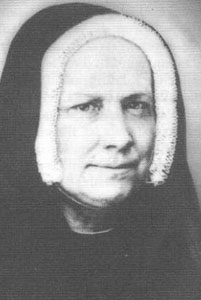
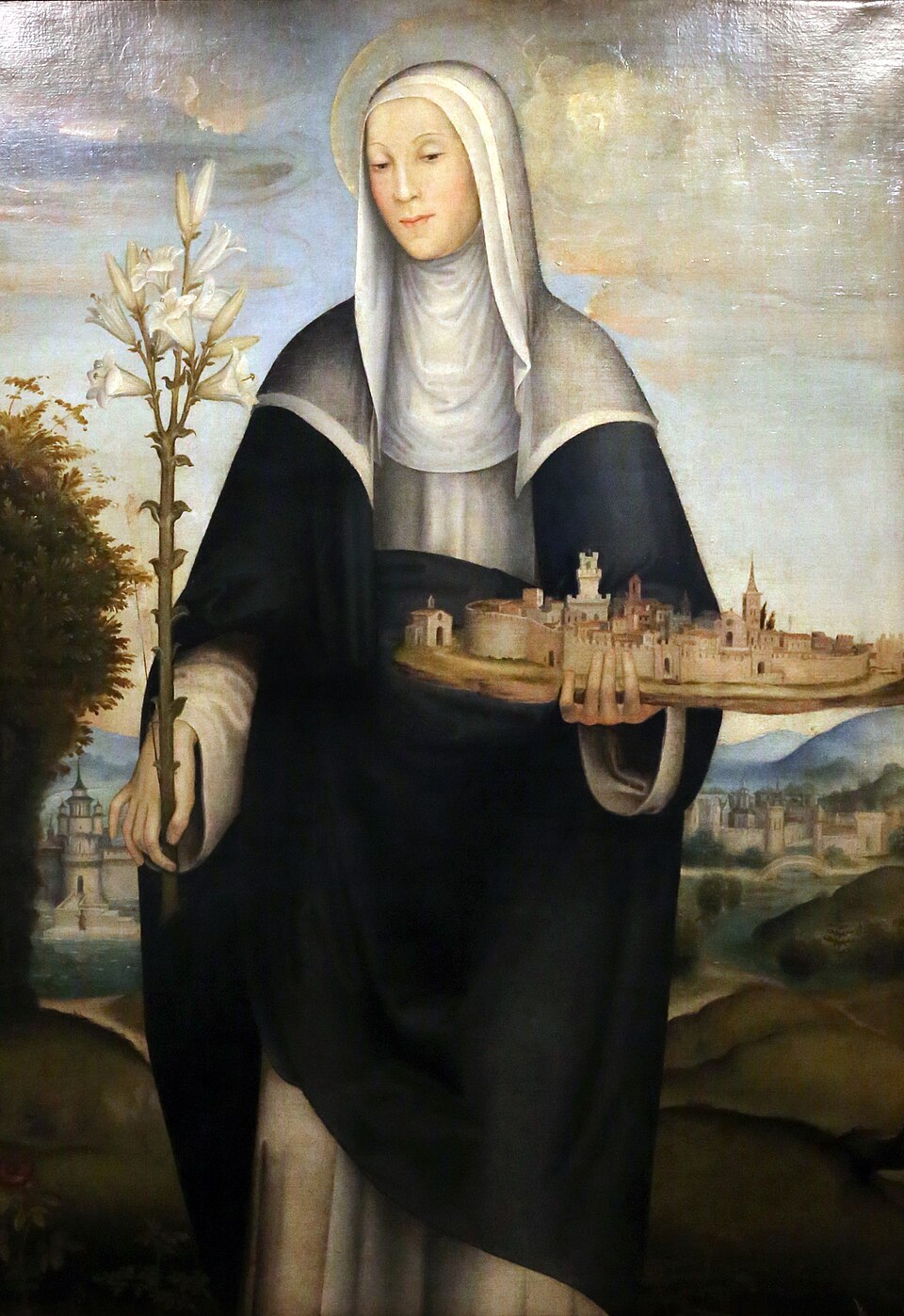
Saint Catherine of Bologna, born Caterina de' Vigri in 1413 to a prominent Bolognese family, was destined for a life of privilege and learning. Her father, Giovanni de' Vigri, was a diplomat and a respected scholar, ensuring young Catherine received an exceptional education, including Latin, music, and art. These early formative years, spent in the cultured court of Niccolò III d'Este in Ferrara as a lady-in-waiting, exposed her to the intellectual and artistic currents of the Renaissance. However, beneath the glittering exterior of court life, Catherine felt a profound call to a deeper spiritual devotion. After discerning her path, she chose to leave the world behind, entering the Corpus Domini convent in Ferrara, a community of Augustinian tertiaries that later adopted the Rule of Saint Clare.
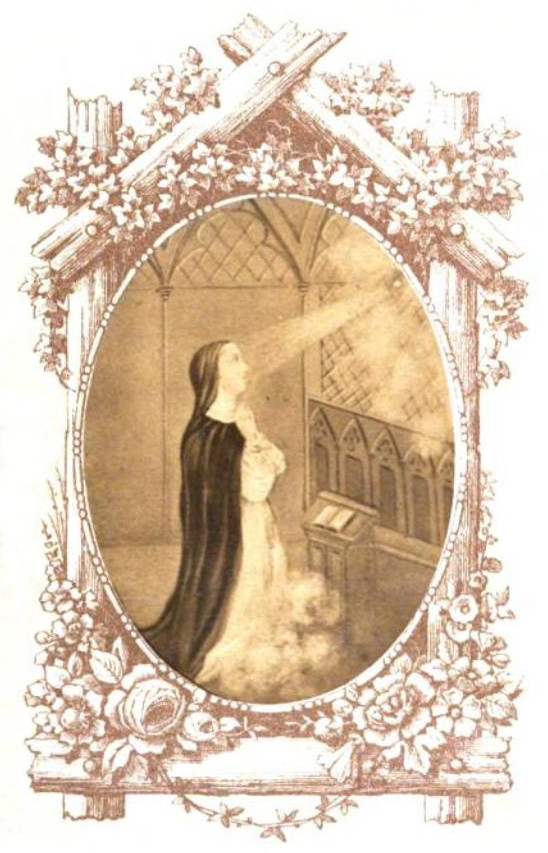
Within the cloistered walls, Saint Catherine blossomed into a remarkable spiritual leader, mystic, artist, and writer. Her artistic talents, honed in her youth, were now dedicated entirely to God, producing exquisite illuminated manuscripts and devotional paintings that still inspire awe. As a mystic, she experienced profound visions and ecstasies, which she humbly recorded in her seminal work, "The Seven Spiritual Weapons" (Le Sette Armi Spirituali), a treatise on spiritual combat and growth that remains a classic of Catholic spirituality. Her wisdom, humility, and profound holiness led to her election as abbess of the Poor Clares in Bologna, where she guided her sisters with loving firmness and inspired them to greater fidelity to their vows. She was a true spiritual mother, nurturing both the souls and the artistic gifts of those under her care.
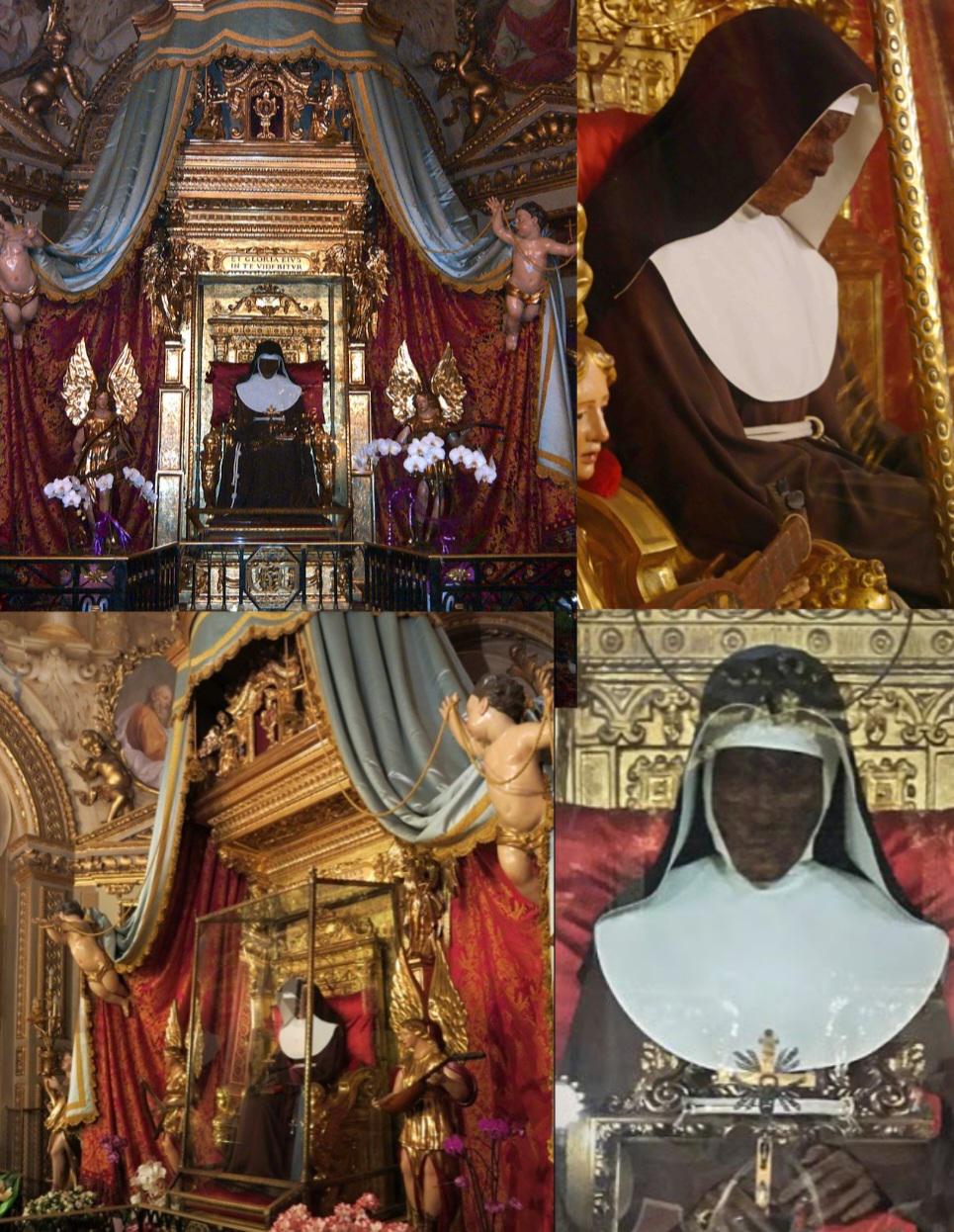
Saint Catherine passed into eternal life on March 9, 1463, at the age of 50. Her sisters, grieving her loss, buried her without a coffin, a common practice for the Poor Clares. However, a miraculous event unfolded eighteen days later: a sweet, ethereal fragrance began to emanate from her grave. Compelled by this heavenly sign, the community exhumed her body, only to discover it perfectly incorrupt, flexible, and still emitting the same sweet perfume. This extraordinary preservation, without any artificial means, was immediately recognized as a sign of her profound sanctity. Her body was then placed in a seated position within the chapel of the Poor Clares in Bologna, where it has remained to this day, over 560 years later, a silent yet eloquent testament to God's power and her holiness.
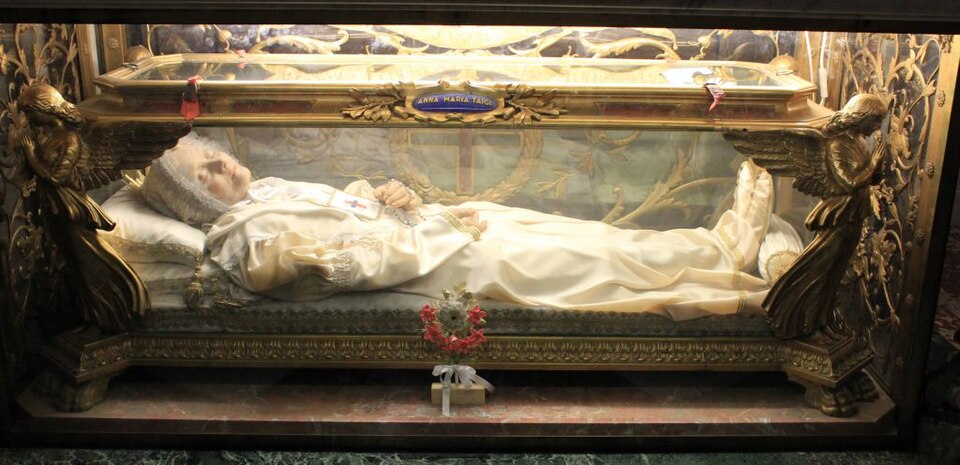
Today, Saint Catherine of Bologna's incorrupt body, though darkened by the centuries, retains its structural integrity and its remarkable seated posture, defying scientific explanation. Pilgrims from around the world visit the Corpus Domini Monastery in Bologna to venerate her and seek her intercession. Canonized in 1712 by Pope Clement XI, she is revered as the patroness of artists and the liberal arts, a fitting tribute to her own creative genius used in service of the Divine. Her legacy endures not only through her incorrupt body and her spiritual writings but also through her continuing inspiration to those who seek to integrate faith, art, and intellectual pursuit into a life wholly dedicated to God.
Discovery
The extraordinary journey of Saint Catherine of Bologna’s incorrupt body began not long after her passing. On March 9, 1463, Catherine, the revered abbess and foundress of the Poor Clares convent in Bologna, succumbed to illness. In accordance with the humble practices of her order, her body was interred directly into the earth, without the protection of a coffin, within the convent’s cemetery. However, a mere eighteen days later, an unmistakable and sweet fragrance began to emanate from the grave, a scent so profound and pervasive that it drew the attention of the entire community. The sisters, deeply devoted to their beloved abbess, were stirred by this unusual phenomenon, interpreting it as a sign of divine favor. Their collective conviction grew that Catherine’s sanctity extended even beyond death. With the permission of the ecclesiastical authorities, the grave was opened. What they beheld was nothing short of miraculous: Catherine’s body lay perfectly preserved, entirely free from the usual signs of decomposition. Her skin, though perhaps a shade paler, was intact, and her limbs remained supple and flexible, as if she were merely sleeping. The sweet perfume, which had initially prompted the exhumation, was now even more potent, filling the air around her earthly remains. The sisters, overcome with awe and reverence, carefully lifted her from the earth, recognizing the profound significance of this discovery.
Following this initial, astonishing discovery, Saint Catherine’s body was not reinterred but instead became a focal point of veneration within the convent. The remarkable state of her preservation prompted further examinations over the centuries, each confirming the enduring incorruption. While specific dates for every subsequent examination are not universally documented, historical accounts and the continuous presence of her body attest to its consistent state. Over the long span of more than five hundred years, her skin has naturally darkened, taking on a more leathery, mummified appearance, a common characteristic observed in many incorruptible saints whose bodies are exposed to air and light. Yet, crucially, the integrity of her form has remained uncompromised. There has been no significant deterioration, no collapse of tissue, no skeletal exposure. The flexibility noted at her initial exhumation, while perhaps diminished over centuries of exposure, has nonetheless been a recurring theme in reports, suggesting a resistance to the typical rigor mortis and subsequent decay. These examinations, often conducted by ecclesiastical and sometimes medical authorities, served not only to verify the incorruption but also to deepen the devotion of the faithful to this extraordinary saint.
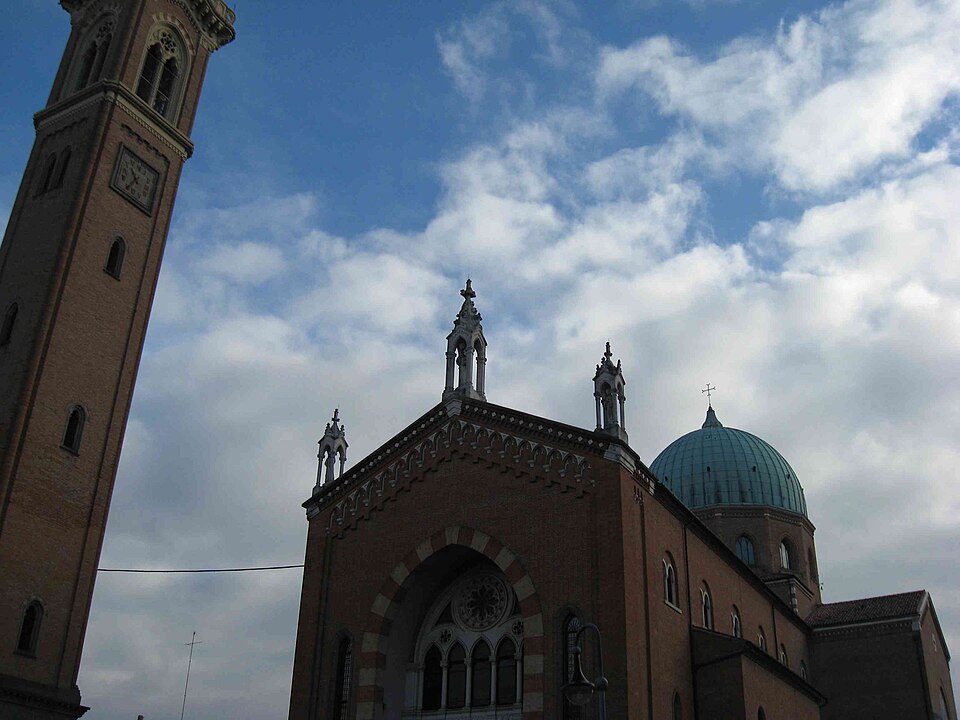
The preservation and display of Saint Catherine of Bologna’s body have been meticulously managed by the Poor Clares of the Church of Corpus Domini in Bologna, where she has resided since her exhumation. Immediately after her discovery, due to the remarkable flexibility of her limbs, the sisters were able to position her in a seated posture, a highly unusual and striking presentation for a deceased saint. This seated position, a testament to her enduring suppleness, has been maintained throughout the centuries. Her body is now enshrined within a glass-fronted reliquary, allowing pilgrims and devotees to view her without direct contact, thus protecting her delicate remains from environmental factors and human touch. This reliquary is situated in a dedicated chapel within the Church of Corpus Domini, a place of quiet contemplation and prayer. The sisters have taken great care to ensure the stability of her environment, though no artificial means of preservation, such as embalming or chemical treatments, were ever applied. Her preservation is considered entirely miraculous, a natural phenomenon defying scientific explanation, and the glass enclosure serves primarily as a protective barrier against dust and humidity, allowing her to remain a visible and powerful testament to her sanctity.
Throughout the centuries, Saint Catherine’s incorrupt body has been associated with several remarkable phenomena, further cementing her status as a truly extraordinary saint. Beyond the initial sweet fragrance that led to her discovery, reports have occasionally surfaced of this perfume reappearing, particularly during times of intense prayer or devotion. The enduring flexibility of her body, allowing her to be placed and maintained in a seated position, is itself a profound marvel, defying the natural processes of rigor mortis and subsequent skeletal rigidity. Perhaps one of the most compelling and often cited details is the story of her appearing to speak or move. While these accounts are often anecdotal and steeped in devotional tradition, they underscore the profound spiritual impact her incorrupt presence has had on the faithful. There have been no reports of bleeding or oil exuding from her body, nor of resistance to decay in unusual conditions beyond the initial burial without a coffin. However, the sheer longevity of her incorruption, over 560 years, in a relatively open display environment, remains the most significant and scientifically inexplicable aspect of her miraculous preservation, a silent yet eloquent testament to her profound holiness and the enduring mystery of divine intervention.
Preservation
Body has been displayed in a seated position in the Chapel of the Corpus Domini since 1463. Skin has darkened but body remains intact.
Scientific Analysis
The phenomenon of human body preservation beyond typical decomposition rates, particularly without deliberate artificial intervention, presents a compelling area of scientific inquiry. In the case of Saint Catherine of Bologna, whose remains have reportedly maintained a seated posture and structural integrity for over five centuries, the scientific community has been presented with a challenging subject for analysis. While comprehensive, publicly accessible medical or scientific examinations with detailed methodologies and findings are not extensively documented for Saint Catherine of Bologna in the same manner as some other historical cases, historical accounts and observations provide the primary basis for discussion. Reports indicate that the body, interred in 1463, was exhumed in 1497, 34 years after her death, and found to be remarkably preserved. At this time, it was placed in its current seated position within the Church of Corpus Domini in Bologna, Italy. Subsequent inspections, often associated with religious observations or maintenance, have consistently noted the body's continued structural integrity and its seated posture. The absence of specific records detailing formal, modern forensic examinations, including names of medical doctors, forensic anthropologists, or institutional affiliations, limits a direct scientific assessment of past interventions. However, the consistent anecdotal evidence over centuries forms the basis of the scientific mystery.
The scientific remarkable nature of Saint Catherine of Bologna's preservation lies in its apparent defiance of normal post-mortem decomposition processes. Following death, the human body typically undergoes a predictable sequence of changes: autolysis (self-digestion by endogenous enzymes), putrefaction (decomposition by microorganisms), and eventual skeletalization. Factors such as temperature, humidity, oxygen availability, and microbial activity profoundly influence this timeline. Bologna, Italy, with its temperate climate, does not inherently present environmental conditions conducive to natural mummification or long-term preservation without significant intervention. The absence of embalming or other known preservation techniques at the time of her death, which would have involved chemical agents to inhibit microbial growth and enzyme activity, is a critical aspect of the mystery. Furthermore, the body's continued maintenance of a seated posture suggests a degree of tissue rigidity and structural integrity that is highly unusual for an unpreserved cadaver. The reported darkening of the skin over time is consistent with some forms of natural preservation, such as mummification or adipocere formation, but the overall lack of significant tissue degradation, particularly in a non-arid or anaerobic environment, remains scientifically challenging to explain.
Several natural explanations have been proposed for instances of extraordinary body preservation, including saponification (adipocere formation) and natural mummification. Adipocere, or grave wax, forms when fatty tissues in a body convert into a waxy, soap-like substance under specific conditions of high moisture and anaerobic environments. This process can preserve body contours but typically results in a waxy, pale appearance, which does not fully align with the descriptions of Saint Catherine's body, particularly the reported darkening of the skin. Natural mummification, conversely, occurs in extremely dry or cold environments where desiccation rapidly removes moisture, inhibiting microbial growth. Bologna's climate does not fit these criteria. While some degree of desiccation might have occurred within the tomb, it is unlikely to have been sufficient to prevent widespread decomposition for centuries, especially given the body's continued exposure to ambient air in its current display. Skeptics often point to the possibility of microclimates within burial sites or unrecorded historical preservation efforts, but without direct evidence, these remain speculative. The lack of detailed scientific examination makes it difficult to definitively rule out subtle environmental factors or even rudimentary, undocumented preservation practices that might have been employed.
From a modern scientific perspective, the case of Saint Catherine of Bologna presents an opportunity for interdisciplinary research. While the historical context and religious significance are paramount, the application of contemporary forensic techniques could provide invaluable insights. Non-invasive methods such as computed tomography (CT) scans could reveal the internal state of the soft tissues, bone structure, and any evidence of embalming agents or foreign materials without disturbing the remains. Carbon dating could precisely determine the age of the tissues, confirming the historical timeline. Chemical analysis of tissue samples, if ethically permissible and minimally invasive, could identify the presence of any natural or artificial preservatives, fatty acid profiles indicative of adipocere, or markers of microbial activity. Such analyses would significantly advance our understanding of the specific processes that have contributed to her preservation. The case could contribute to the broader scientific study of taphonomy, the study of decomposition and preservation, by providing a unique example of long-term preservation outside of typical mummification or bog body contexts. Many questions remain unanswered, particularly regarding the precise environmental conditions of her initial burial, the exact chemical composition of her preserved tissues, and the specific mechanisms that have inhibited decomposition for such an extended period.
Spiritual Significance
The enduring phenomenon of incorruption, particularly as exemplified by Saint Catherine of Bologna, holds profound theological significance within Catholic doctrine, serving as a tangible testament to the sanctity of the human body and the promise of resurrection. In a world often prone to desacralizing the physical, Catherine's preserved remains powerfully echo Saint Paul's teaching in 1 Corinthians 6:19, reminding us that our bodies are temples of the Holy Spirit, destined for glory. The Church, in discerning such miraculous preservation, interprets it not as a mere biological anomaly, but as a divine affirmation of exceptional holiness, a sign that God has so permeated a soul with grace that even their earthly vessel resists the natural processes of decay. For Saint Catherine, her incorrupt state, notably in a seated position within the Church of Corpus Domini, is understood as a special grace, a visual sermon on the communion of saints, bridging the visible Church Militant with the Church Triumphant. It underscores the belief that death is not an end but a transformation, and that those who have lived lives of heroic virtue are already participating in a foretaste of the resurrected life, their bodies awaiting the final glorification. This visible sign reinforces the Catholic understanding of the integral nature of the human person, soul and body united, both destined for eternity with God.
Saint Catherine's unique charism was deeply rooted in a profound mysticism intertwined with a vibrant artistic sensibility, a rare combination that allowed her to express divine truths through both contemplation and creation. Her early life, steeped in the intellectual and artistic currents of the Renaissance court, provided a fertile ground for her innate talents, which she later consecrated entirely to God. Within the cloister, she practiced heroic virtues of humility, accepting the rigorous discipline of convent life despite her noble origins, and charity, serving her sisters with boundless love. Her obedience to the Rule and her superiors was unwavering, manifesting a deep trust in divine providence. Catherine's spiritual life was characterized by intense prayer and visions, documented in her spiritual writings, particularly "The Seven Spiritual Weapons," which offers a practical guide to spiritual combat and growth. She was a prolific artist, illuminating manuscripts and painting sacred images, using her creative gifts as a means of prayer and evangelization. This integration of intellectual rigor, artistic expression, and profound spiritual devotion defines her particular way of holiness, making her a beacon for those who seek to sanctify their creative endeavors and intellectual pursuits.
Devotion to Saint Catherine of Bologna has flourished since her death, evolving from local veneration to widespread recognition following her canonization in 1712. Her incorrupt body, seated serenely in the Church of Corpus Domini, has been a focal point of pilgrimage and prayer for centuries. She is widely invoked as the patron saint of artists, a fitting title given her own prolific artistic output, and also of the liberal arts, reflecting her intellectual prowess and dedication to learning. Pilgrims visiting her shrine today are often struck by the palpable sense of peace and sanctity that pervades the space. Many approach her glass-encased body with reverence, offering prayers, lighting candles, and leaving petitions, seeking her intercession for artistic inspiration, academic success, or spiritual guidance. The experience of encountering her incorrupt form is often described as deeply moving, a tangible connection to a saint who lived centuries ago, yet whose presence feels remarkably immediate. While specific novenas or prayers dedicated solely to her are less widespread than for some other saints, her feast day on March 9th is observed with special Masses and devotions, particularly in Bologna and among artistic communities, celebrating her enduring legacy as a saint who beautifully harmonized faith and creativity.
Numerous miracles have been attributed to Saint Catherine's powerful intercession, both during her lifetime and after her death, solidifying her reputation as a potent advocate in heaven. Accounts from her contemporaries speak of miraculous healings and conversions that occurred through her prayers. After her passing, the incorrupt body itself became a source of spiritual consolation and miraculous occurrences. Documented instances of illnesses cured, barren women conceiving, and desperate prayers answered have been recorded over the centuries, testifying to God's continued working through His faithful servant. The very fact of her incorruption, defying natural laws, is considered a continuous miracle, a constant reminder of divine power and the efficacy of prayer. For countless faithful, the sight of her preserved remains has been a profound source of spiritual solace, strengthening their belief in the communion of saints and the reality of eternal life. Her incorrupt body serves not merely as a relic, but as a living testament to faith, inspiring hope and fostering a deeper connection to the transcendent.
Saint Catherine of Bologna's enduring message holds profound relevance for contemporary Catholics and seekers navigating the complexities of the modern world. In an era often characterized by materialism, secularism, and a fragmentation of identity, her life offers a compelling counter-narrative. She challenges us to recognize the sacredness of our bodies and our talents, demonstrating that every gift, whether intellectual or artistic, can be consecrated to God. Her journey from the glittering court to the contemplative cloister speaks to the universal human search for deeper meaning beyond worldly pursuits, urging us to discern our true calling and embrace a life of purpose. Her incorruption, a visible bridge between the visible and invisible worlds, serves as a powerful reminder of eternity, encouraging us to live with an eternal perspective, investing in spiritual treasures rather than fleeting earthly possessions. For artists and intellectuals today, she is a patron who sanctifies their endeavors, showing that faith and creativity are not mutually exclusive but can enrich and elevate one another, offering a timeless example of how to live a life fully dedicated to God, body and soul.
AI summary
A plain-language overview generated from this page's source material. Always verify with primary sources.