Biography
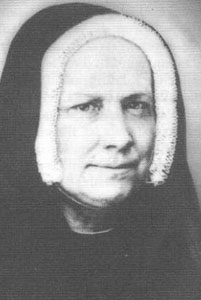
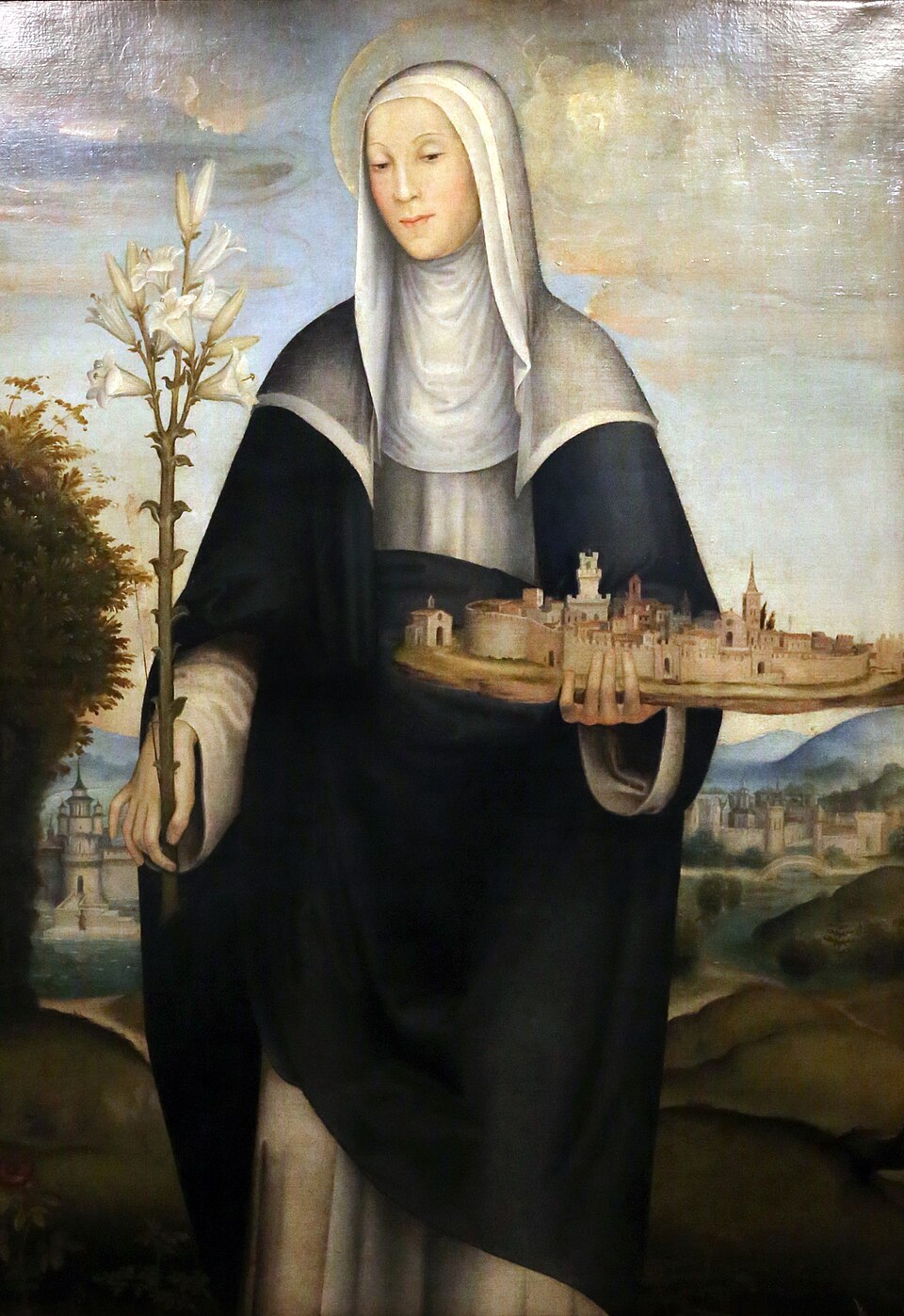
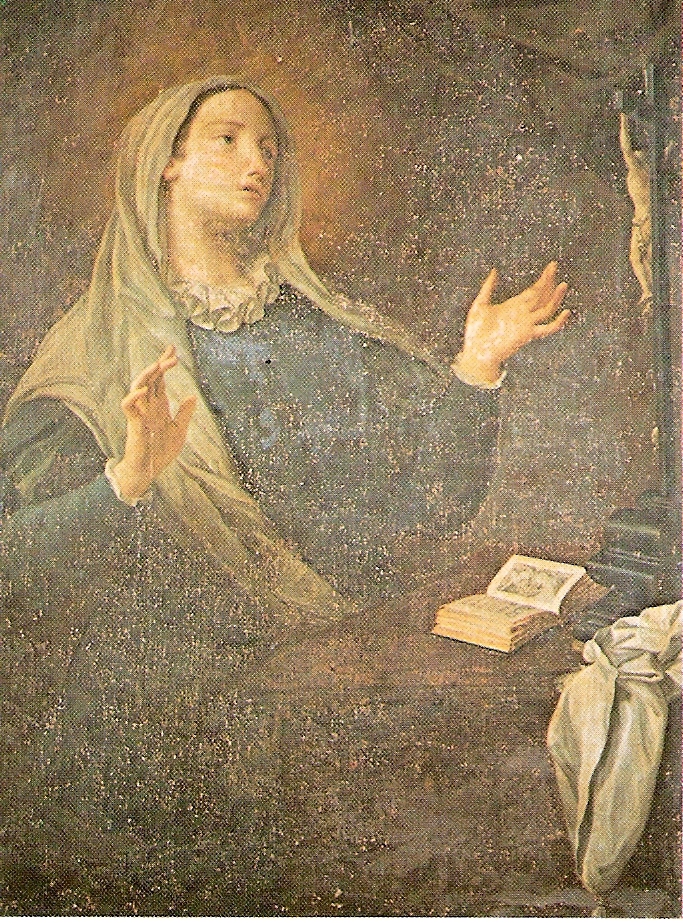
Saint Catherine of Genoa, born Caterina Fieschi Adorno in 1447, hailed from one of Genoa's most prominent noble families, the Fieschi. Her early life was marked by the expectations of her aristocratic lineage, and at the tender age of sixteen, she was arranged to marry Giuliano Adorno, a man whose temperament and lifestyle proved to be a profound challenge. For years, Catherine endured a difficult and unhappy marriage, struggling with her husband's infidelity and financial recklessness. This period of personal tribulation, however, became the crucible in which her spiritual life was forged. After a decade of inner turmoil, a profound mystical experience in 1473, often described as a "general confession" and a vision of Christ's suffering love, irrevocably transformed her. This spiritual awakening ignited within her an intense desire for God and a radical commitment to Christian charity, forever altering the trajectory of her life.
Following her conversion, Catherine's life became a testament to selfless service and profound mysticism. With her husband, Giuliano, also undergoing a conversion and eventually becoming a Franciscan tertiary, they both dedicated themselves to caring for the sick and the poor at the Pammatone Hospital in Genoa, one of Europe's largest and most advanced hospitals of its time. Catherine served as its directress and manager for many years, demonstrating remarkable administrative skill alongside boundless compassion. She personally attended to the most afflicted, even those suffering from highly contagious diseases, embodying Christ's love for the marginalized. Her spiritual life deepened considerably during this period, marked by intense prayer, fasting, and profound mystical experiences, including visions and interior locutions, which she later dictated to her confessor. These experiences formed the basis of her influential spiritual writings, particularly her "Treatise on Purgatory" and "Dialogue on the Soul and Body," which offer profound insights into divine love and the purification of the soul.
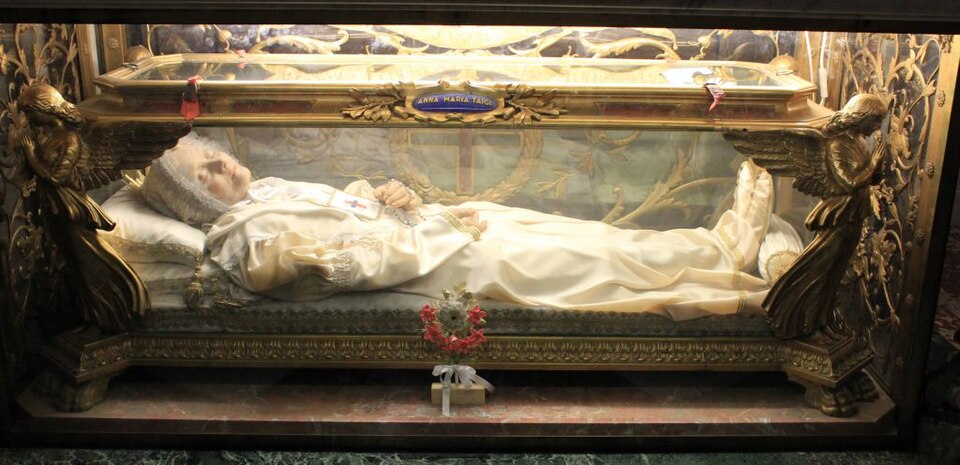
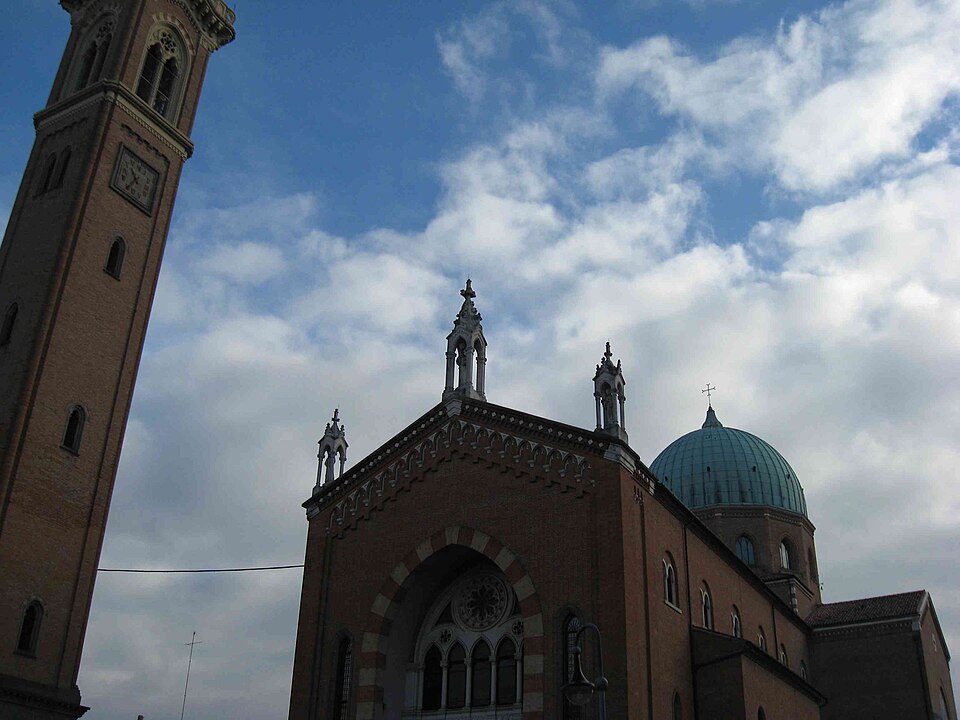
Saint Catherine of Genoa passed away on September 15, 1510, after a long and arduous illness, her final days marked by intense spiritual ecstasies. Her body was initially interred in the church of the Pammatone Hospital. However, nine months after her death, when her tomb was opened, her body was found to be perfectly preserved, supple, and emitting a sweet fragrance, a phenomenon that astonished witnesses and quickly became a source of veneration. This incorrupt state, a sign of God's favor, was observed on several subsequent occasions. Today, her incorrupt body rests in the Church of the Annunziata di Portoria in Genoa, enshrined in a glass reliquary, where pilgrims can still behold her remarkably preserved remains, a tangible testament to her sanctity.
Saint Catherine of Genoa's legacy endures as a powerful example of radical conversion, selfless charity, and profound mysticism. Her writings, particularly her "Treatise on Purgatory," have significantly influenced Catholic theology and spirituality, offering a unique perspective on the purifying love of God. She was canonized by Pope Clement XII in 1737, and her feast day is celebrated on September 15th. Pilgrims visiting Genoa can experience her enduring presence by visiting the Church of the Annunziata di Portoria, where her incorrupt body serves as a powerful reminder of her unwavering faith and the transformative power of divine love, inspiring countless souls to embrace a deeper commitment to Christ and His suffering poor.
Discovery
The extraordinary journey of Catherine of Genoa's physical remains, a testament to her sanctity, began not long after her passing in 1510. Her death, following years of intense spiritual suffering and profound mystical experiences, was marked by a quiet dignity. She was initially interred in the Church of the Annunziata di Portoria, a place she had served with unwavering devotion, particularly in her tireless work tending to the sick and the poor at the adjacent hospital. It was a mere eighteen months later, in 1512, that the first exhumation took place. The impetus for this early examination is not entirely clear from historical records, but it was likely prompted by the growing veneration of the Genoese populace, who had witnessed her extraordinary life and miraculous works. Upon opening her tomb, those present, including members of the religious community and possibly civic officials, were met with an astonishing sight: her body, rather than having succumbed to the natural processes of decomposition, lay perfectly preserved. Her flesh retained its natural color, her limbs were supple, and there was no trace of the putrefaction typically associated with death. The immediate reaction was one of profound awe and reverence, confirming in the minds of many the sanctity that had been so evident during her lifetime. This initial discovery, so soon after her burial, set the stage for centuries of veneration and careful observation of her miraculous incorruption.
Over the subsequent centuries, the extraordinary state of Catherine's body led to several further examinations, each meticulously documented and contributing to the enduring narrative of her incorruption. One significant re-examination occurred in 1538, nearly three decades after her death. During this inspection, the body was again found to be remarkably preserved, defying the passage of time. Accounts from this period describe her as appearing as if merely asleep, her features undisturbed. Later, in 1601, as the process for her beatification gained momentum, another formal examination was conducted by ecclesiastical authorities. This was a more rigorous scientific and theological inquiry, designed to ascertain the authenticity of the incorruption and rule out any artificial preservation methods. The findings were consistent with previous observations: her body remained supple, her skin intact, and there was no evidence of decay. The internal organs, too, were noted to be remarkably preserved, a detail that particularly astounded the examiners. These repeated inspections, spanning decades and involving different sets of witnesses, solidified the belief in her incorruption, providing compelling evidence for her eventual beatification in 1675 and canonization in 1737. The consistency of her condition across these centuries of observation is a cornerstone of her veneration.
The preservation journey of Saint Catherine of Genoa's incorrupt body has been one of careful custodianship and evolving display, reflecting both reverence and the practicalities of public veneration. Following the initial discoveries, her body was not immediately placed in a public display, but rather re-interred with renewed solemnity. However, as her cult grew and her sanctity was formally recognized, the desire for her physical presence to inspire the faithful led to more accessible arrangements. At some point, likely after her beatification, her body was placed in a more prominent position within the Church of the Annunziata di Portoria, where she had dedicated her life. Today, her incorrupt body rests in a glass casket, allowing pilgrims and visitors to gaze upon her serene form. This transparent reliquary is situated beneath the high altar of the church, a place of honor befitting a saint. The environment within the casket is carefully controlled to mitigate any potential deterioration, though the primary preservation factor remains the miraculous nature of her incorruption itself. The glass enclosure protects her from environmental elements and the direct touch of the faithful, while still allowing for a profound visual connection, serving as a powerful reminder of her enduring spiritual presence and the mysteries of divine grace.
Beyond the remarkable preservation of her physical form, Saint Catherine of Genoa's incorrupt body has been associated with several extraordinary phenomena that further distinguish her case. Perhaps the most frequently cited is the persistent sweet fragrance that was said to emanate from her body, even years after her death. This "odor of sanctity" is a recurring motif in the accounts of incorruptible saints, believed to be a supernatural sign of divine favor, contrasting sharply with the typical scent of decomposition. While not always present, its appearance at various examinations was noted with profound reverence. Another remarkable detail observed during earlier exhumations was the flexibility of her limbs. Rather than being rigid with rigor mortis or the stiffening of decay, her body retained a surprising suppleness, allowing for some movement, a characteristic that deeply impressed those who witnessed it. While there are no widespread accounts of bleeding or oil exuding from her body, the consistent reports of her natural color, soft skin, and the absence of any putrefaction, even in the absence of embalming, are in themselves profoundly unusual. These details, woven into the fabric of her historical record, elevate her incorruption beyond mere physical anomaly, positioning it as a tangible sign of her profound sanctity and a source of enduring inspiration for the faithful.
Scientific Analysis
The phenomenon of preserved human remains, particularly those attributed to religious figures, presents a compelling intersection of historical observation, medical science, and cultural belief. In the case of Saint Catherine of Genoa, who died in 1510, her body is traditionally held to be incorrupt, a state of preservation defying typical post-mortem decomposition. Formal medical and scientific examinations of her remains have been sporadic and, by modern standards, limited in scope. Historical accounts indicate that her body was exhumed multiple times, with observations recorded by ecclesiastical authorities and, occasionally, attending physicians. For instance, following her death, her body was initially interred in the Church of the Annunziata di Portoria. Later exhumations, notably in 1672 during the process of her beatification and again in 1737 for her canonization, reported a remarkable state of preservation. While specific medical reports from these early periods are not readily available in detailed, peer-reviewed formats characteristic of contemporary scientific inquiry, the consistent narrative from these historical accounts describes a body that retained its natural form, skin texture, and flexibility to an extent considered extraordinary for the time elapsed. These observations were primarily visual and tactile, performed by individuals who, while perhaps medically trained, lacked the sophisticated diagnostic tools of modern forensic science. The findings consistently noted the absence of putrefaction and a general state of integrity, which fueled the belief in her incorruption within the Catholic tradition.
The scientific remarkable aspect of Saint Catherine of Genoa's preservation lies in its apparent defiance of normal decomposition processes. Human decomposition typically involves a sequence of autolysis (self-digestion by cellular enzymes) and putrefaction (bacterial breakdown of tissues), leading to liquefaction and skeletalization within a relatively short period, often within months to a few years, depending on environmental conditions. The reported state of Saint Catherine's body, remaining largely intact for centuries, challenges these expected biological outcomes. Environmental factors such as burial conditions, climate, and soil composition are critical determinants of decomposition rates. Genoa, with its Mediterranean climate, generally experiences temperatures conducive to microbial activity, and the typical burial environment within a church crypt, while offering some protection from direct environmental exposure, is not inherently sterile or desiccating enough to prevent decay over such extended periods without intervention. There is no historical record or scientific evidence suggesting deliberate embalming or sophisticated preservation treatments applied to her body at the time of her death. Unlike ancient Egyptian mummification, which involved extensive evisceration and chemical treatment, or modern embalming, which utilizes arterial injection of preservative fluids, the accounts surrounding Saint Catherine suggest a natural, spontaneous preservation. The absence of such interventions, coupled with the reported enduring integrity of the soft tissues, is what distinguishes this case from instances of intentional preservation.
Natural explanations for exceptional body preservation often include phenomena like saponification (adipocere formation), mummification, or bog body preservation. Adipocere formation, a waxy, soap-like substance resulting from the hydrolysis of body fats in anaerobic, moist environments, can preserve body contours but typically alters tissue texture significantly, making it firm and brittle. Mummification, either natural (due to extreme dryness or cold) or artificial, involves desiccation of tissues. Bog bodies are preserved in highly acidic, anaerobic peat bogs. However, these explanations often fall short in fully accounting for the reported characteristics of Saint Catherine's remains. The historical descriptions emphasize a degree of naturalness and flexibility that is not typically associated with adipocere or mummified remains, which tend to be rigid, leathery, or waxy. Skeptics often attribute such cases to natural processes that are not fully understood or to anecdotal exaggeration over time. They might suggest that the exhumations occurred at times when preservation was still relatively good, or that the "incorrupt" status is a matter of interpretation rather than absolute biological integrity. However, the consistent narrative across multiple centuries and observations, even if not rigorously scientific by modern standards, still presents a phenomenon that remains largely unexplained by conventional taphonomic processes without invoking some extraordinary environmental or biological factor that has yet to be identified.
From a modern scientific perspective, the case of Saint Catherine of Genoa, like other reported cases of incorruptibility, offers a unique opportunity for interdisciplinary study in forensic taphonomy, pathology, and historical anthropology. While past examinations were limited to visual and tactile observations, contemporary techniques could provide invaluable insights. Non-invasive methods such as computed tomography (CT) scans could reveal the internal state of organs and tissues without disturbing the remains. Carbon dating could precisely determine the age of the tissues, confirming the historical timeline. Advanced tissue analysis, including histological examination of minute samples (if ethically permissible and minimally invasive), could identify the specific biochemical processes that have occurred, potentially revealing unique lipid profiles indicative of adipocere, or the presence of unusual microbial communities. DNA analysis could confirm identity and rule out later substitutions. The application of such techniques could help differentiate between true biological anomalies, specific environmental conditions, or even historical misinterpretations. As it stands, the primary questions remain: What specific biochemical or environmental conditions contributed to this exceptional state of preservation, and to what extent does the current state of the remains align with historical descriptions of "incorruption"? Without detailed modern scientific analysis, the phenomenon of Saint Catherine of Genoa's preserved remains continues to occupy a space between historical observation, religious veneration, and scientific enigma.
Spiritual Significance
The phenomenon of incorruption, particularly as exemplified by Saint Catherine of Genoa, offers a profound theological meditation on the sanctity of the human body and its ultimate destiny within Catholic doctrine. Far from being a mere biological anomaly, the preservation of her earthly remains centuries after her death speaks to the Church's understanding of the body as a temple of the Holy Spirit, as articulated in 1 Corinthians 6:19. This enduring physical integrity serves as a tangible prefiguration of the resurrection of the body, a core tenet of Christian faith, reminding believers that our physical forms are not discarded but destined for glorification. For Saint Catherine, whose life was a testament to intense spiritual purification and union with God, her incorruption is interpreted by the Church as a divine seal of approval, a visible sign of the extraordinary grace that permeated her being. It underscores the belief that a life lived in radical conformity to Christ can imbue even the physical self with a sanctity that transcends the natural laws of decay, offering a powerful testament to the transformative power of divine love and the enduring reality of the communion of saints, where the glorified bodies of those in heaven remain intimately connected to the Church militant on earth.
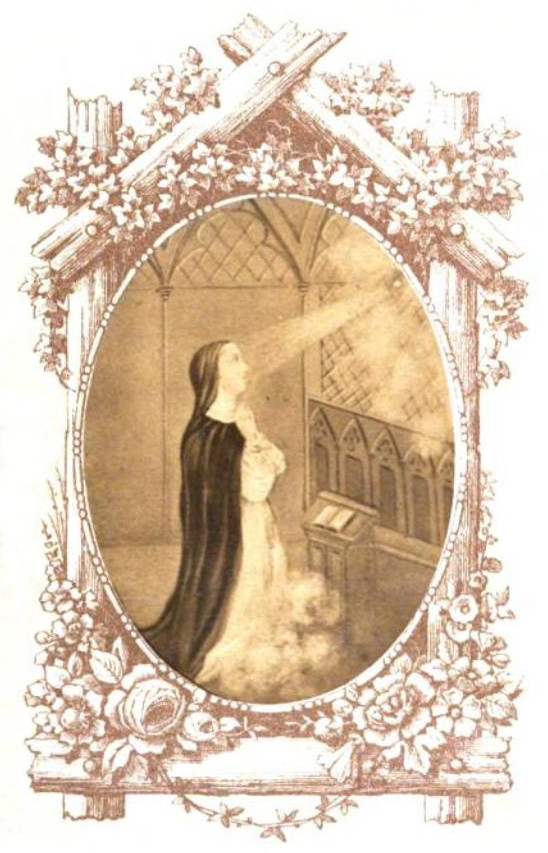
Saint Catherine's unique charism was undeniably her profound mystical experience, particularly her radical understanding of Purgatory and divine love, which she articulated with unparalleled clarity and spiritual depth. Her heroic virtues were forged in the crucible of a challenging marriage and a decade of inner turmoil, culminating in a transformative vision of Christ's suffering love. This experience ignited within her an unquenchable flame of charity, leading her to dedicate her life to serving the sick and the poor in Genoa's hospitals, often personally tending to those afflicted with the most repulsive diseases. Her mysticism was not an escape from the world but a powerful impetus for practical, self-sacrificing love, demonstrating a profound humility in her willingness to embrace the most abject forms of service. She practiced a form of spiritual poverty, detaching herself from worldly comforts and societal expectations, even while managing the hospital, ensuring that her focus remained solely on God and the needs of others. Her contributions to the understanding of Purgatory, as a place of purifying love rather than punitive torment, profoundly influenced subsequent theological thought, placing her firmly within the tradition of affective mysticism.
Devotion to Saint Catherine of Genoa has flourished over the centuries, particularly among those seeking a deeper understanding of divine love, suffering, and the afterlife. Her writings, especially the "Treatise on Purgatory" and "Dialogue on the Soul and Body," have been widely disseminated, inspiring countless individuals to embrace a more profound spiritual life. While not formally designated as a patron saint for a specific cause in the same way as some other saints, she is often invoked by those suffering from difficult marriages, seeking spiritual purification, or caring for the sick. Pilgrims visiting the Church of the Annunziata di Portoria in Genoa, where her incorrupt body reposes, often describe a profound sense of peace and spiritual presence. The opportunity to venerate her earthly remains offers a tangible connection to her holy life, serving as a powerful reminder of the enduring reality of the saints and their continued intercession. The experience of seeing her body, preserved against the ravages of time, often evokes a deep sense of wonder and prompts reflection on the mysteries of faith and the promise of eternal life.
The spiritual legacy of Saint Catherine of Genoa is further enriched by numerous miracles attributed to her intercession, both during her lifetime and after her death. Documented healings of the sick, conversions of hardened hearts, and answered prayers have been recorded, testifying to the efficacy of her prayers and her powerful intercession with God. Her reputation for sanctity was so profound that even during her lifetime, people sought her spiritual guidance and prayers for both physical and spiritual ailments. The very incorruption of her body is considered by many faithful to be a perpetual miracle, a continuous sign of God's favor and a source of spiritual consolation. For those who visit her shrine, the sight of her preserved remains often strengthens their faith, offering a visible assurance that God honors those who honor Him and that the saints, though in heaven, remain intimately involved in the lives of believers on earth, bridging the gap between the earthly and the divine.
For modern believers, Saint Catherine of Genoa offers an enduring and profoundly relevant message that challenges the prevailing materialism and secularism of our age. Her life, marked by profound suffering and radical transformation, demonstrates that true fulfillment is found not in worldly possessions or fleeting pleasures, but in an unreserved surrender to divine love. In a society often obsessed with physical appearance and the avoidance of suffering, her incorruption stands as a powerful counter-narrative, proclaiming the sanctity of the human body and its ultimate destiny beyond decay. She teaches us that even in the midst of profound personal difficulty, such as her unhappy marriage, spiritual growth is possible, and indeed, often accelerated by such trials. Her emphasis on Purgatory as a process of purification through love offers a hopeful perspective on human imperfection and the journey towards complete union with God. Ultimately, her incorrupt body serves as a tangible bridge between the visible and invisible worlds, a physical testament to the reality of grace, the communion of saints, and the promise of resurrection, inviting all seekers to embrace a life of deeper faith and transformative love.
AI summary
A plain-language overview generated from this page's source material. Always verify with primary sources.