Biography
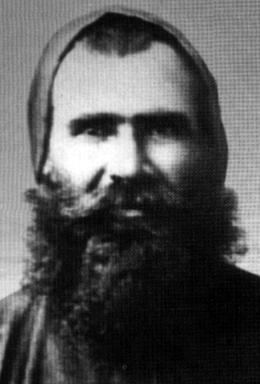
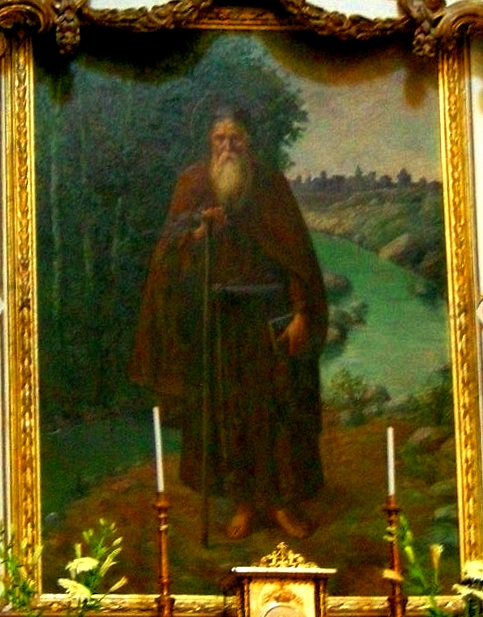
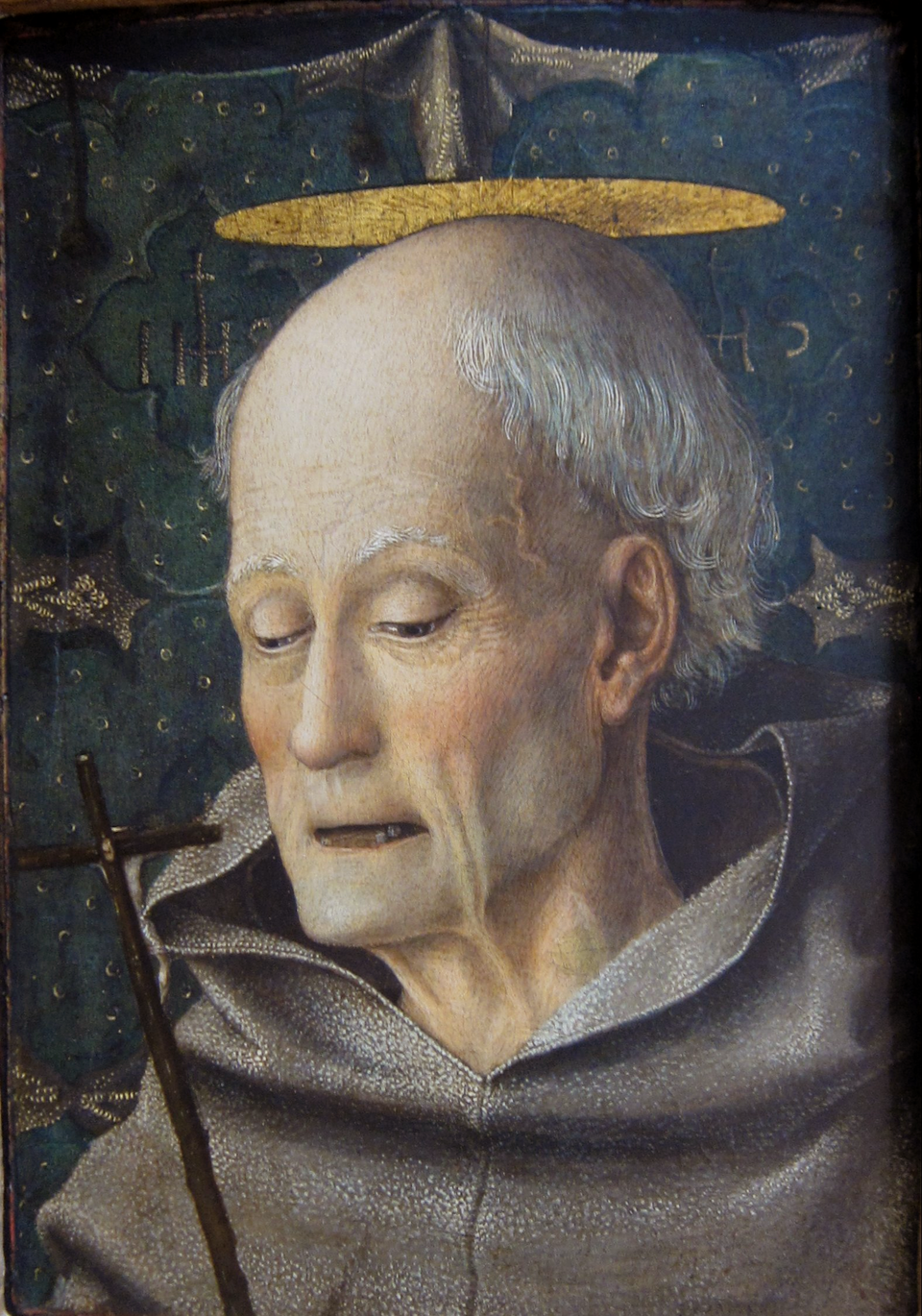
Youssef Antoun Makhlouf, born in 1828 in the humble village of Bekaa Kafra, Lebanon, was destined for a life of profound sanctity and supernatural grace. Raised in a devout Maronite Catholic family, Youssef’s early years were marked by a deep piety and an unmistakable inclination towards spiritual contemplation. Even as a child, he displayed an unusual detachment from worldly pursuits, preferring prayer and solitude to the games of his peers. This innate spiritual hunger was nurtured by his family and the rich traditions of the Maronite Church. At the age of 23, he felt an irresistible call to the monastic life, choosing to enter the Monastery of Our Lady of Mayfou, taking the name Charbel, after a second-century martyr. This decision, though initially met with some familial resistance, ultimately paved the way for his extraordinary journey of faith.
Brother Charbel's monastic life was characterized by an unwavering commitment to asceticism, prayer, and penance. After several years of diligent formation and priestly ordination in 1859, he sought an even deeper union with God, receiving permission to live as a hermit at the hermitage of Saints Peter and Paul, a dependency of the Monastery of Annaya. For the next 23 years, Father Charbel lived a life of extreme austerity, dedicated wholly to God. His days were spent in silent contemplation, manual labor, and fervent prayer, punctuated by rigorous fasting and self-denial. He celebrated the Divine Liturgy daily with profound devotion, believing the Eucharist to be the very source and summit of his existence. Though hidden from the world, his spiritual radiance was perceived by those who encountered him, who recognized in him a man truly consumed by divine love.
Father Charbel Makhlouf passed away on Christmas Eve, December 24, 1898, after suffering a stroke while celebrating the Holy Qurbono. His death, however, was not the end of his story, but the beginning of an extraordinary manifestation of God's power. For 45 nights following his burial, a luminous light was observed emanating from his tomb, drawing pilgrims and sparking awe. Four months later, his grave was opened, and his body was found perfectly incorrupt, floating in a mixture of blood and sweat. This remarkable state of preservation, defying the natural laws of decomposition, was only the first of many wonders. For decades, his body continued to exude a mysterious, blood-like fluid and an oily substance, requiring multiple exhumations and changes of vestments. Scientific examinations confirmed the organic nature of these exudations, yet offered no natural explanation for their continuous presence, even after the body was encased in a zinc-lined coffin.
Saint Charbel Makhlouf was canonized by Pope Paul VI in 1977, a recognition of his heroic virtues and the ongoing miracles attributed to his intercession. His feast day is celebrated on July 24, and his incorrupt body, still miraculously preserved and exuding its mysterious fluid, rests in the Monastery of Annaya, Lebanon. Pilgrims from all faiths and backgrounds flock to his shrine, seeking his intercession and witnessing the enduring testament to God's power. Thousands of healings and conversions have been attributed to his prayers, making him a powerful symbol of unity and a bridge between Eastern and Western Christianity. Saint Charbel's life and the miraculous state of his incorrupt body serve as a profound reminder of the sanctity attainable through a life surrendered to God, and a beacon of hope for a world in need of divine intervention.
Discovery
The remarkable journey of Saint Charbel Makhlouf's incorrupt body began not long after his passing on December 24, 1898, a date that coincided with Christmas Eve. His death, following a stroke suffered while celebrating the Divine Liturgy, was immediately followed by unusual phenomena. For 45 nights, a brilliant, supernatural light was observed emanating from his humble grave in the monastery cemetery, drawing pilgrims and curious onlookers alike to the remote Monastery of Saint Maron in Annaya. This extraordinary luminescence prompted the Maronite Patriarch, John Peter El Hajj, to grant permission for an exhumation. Four months after his burial, in April 1899, the grave was opened in the presence of the monastic community, local clergy, and a gathering of the faithful. What they beheld defied all natural explanation: despite being interred in a damp, unsealed grave, his body was found perfectly preserved, supple, and entirely free from the rigor mortis and decomposition expected after such a period. It lay floating in a muddy mixture of blood and sweat, a startling testament to a divine intervention. The immediate reaction was one of awe and profound reverence, solidifying the belief in his sanctity that had already begun to spread among the local populace.
The initial discovery was merely the beginning of a series of examinations that would span decades, each confirming the extraordinary state of Saint Charbel's remains. The first official exhumation and examination took place in 1909, overseen by a commission of medical doctors and ecclesiastical authorities. They meticulously documented the body's continued flexibility, its natural color, and the persistent exudation of a reddish, blood-like fluid and an oily substance, which emanated from his pores. This fluid, often described as a mixture of blood and serum, possessed a sweet, rose-like fragrance. Further examinations were conducted in 1927, 1950, and 1952, each time reaffirming the miraculous preservation. During the 1950 exhumation, for instance, a team of physicians, including Dr. George Choukrallah, noted the body's complete integrity, its skin still soft to the touch, and the continued emission of the mysterious fluid. These repeated inspections, conducted under rigorous scrutiny, ensured that the phenomenon was not a fleeting occurrence but an enduring sign of divine favor, defying the natural laws of decay.
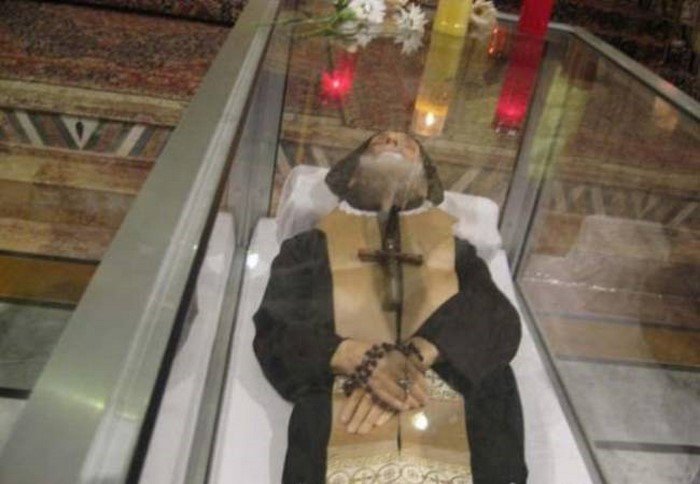
Following these numerous exhumations, the preservation and display of Saint Charbel's body evolved. Initially, after the 1899 discovery, his body was carefully washed, clothed in fresh monastic habits, and placed in a wooden coffin within the monastery. However, due to the continuous exudation of the mysterious fluid, which frequently soaked through his garments and the wooden casket, adjustments became necessary. In 1952, after the most extensive examination, the body was placed in a specially constructed glass-fronted casket, allowing pilgrims to venerate his remains directly. This casket was then enclosed within a larger wooden coffin, which itself was housed within a crypt at the Monastery of Saint Maron in Annaya. The environment of the crypt was carefully monitored, though no artificial preservation methods were ever employed; the incorruption remained entirely supernatural. Over the years, the body has been moved within the monastery for various liturgical celebrations and for the convenience of pilgrims, always handled with the utmost reverence and care, a testament to its sacred status.
The most remarkable details associated with Saint Charbel's incorrupt body revolve around the ongoing exudation of the reddish fluid and oil, a phenomenon that continued for decades after his death. This fluid, often collected by the monks, was widely believed to possess miraculous healing properties, leading to countless testimonies of cures and spiritual graces attributed to the saint's intercession. Beyond the fluid, observers consistently noted the body's extraordinary flexibility, even after many years, allowing it to be repositioned with ease. The sweet, rose-like fragrance that permeated the crypt, particularly when the coffin was opened, was another frequently reported marvel, contrasting sharply with the expected odor of decomposition. Even when the body was briefly exposed to the elements or placed in less than ideal conditions during earlier periods, it resisted decay, maintaining its supple texture and natural appearance. These persistent, inexplicable phenomena have cemented Saint Charbel's place among the most celebrated of the incorruptible saints, a perpetual source of wonder and faith for millions around the world.
Preservation
Body preserved at the Monastery of Saint Maron, Annaya. The exudation of fluid continued for decades after death.
Scientific Analysis
The phenomenon surrounding the remains of Saint Charbel Makhlouf has been the subject of considerable scientific and medical scrutiny since his death in 1899. Initial exhumations revealed an unusual state of preservation, prompting further investigations. Dr. Georges Chokr, a physician from Beirut, was among the earliest medical professionals to formally examine the body, noting its remarkable flexibility and the presence of a reddish fluid. Later, in 1950, a more comprehensive examination was conducted by a panel of physicians including Dr. Antoine Mufarrige, Dr. Elie El-Maalouf, and Dr. Michel El-Maalouf, all affiliated with medical institutions in Lebanon. Their findings consistently reported a body that, despite having been interred for decades, retained a supple texture and continued to exude a reddish, oily fluid. This fluid was subsequently analyzed by various laboratories, including those at the American University of Beirut. Chemical analyses confirmed its organic composition, identifying components consistent with blood plasma and tissue exudates, yet without the typical signs of decomposition. These examinations were conducted periodically, often coinciding with the re-interment of the body, and consistently documented the persistence of these unusual characteristics.
The scientific remarkable nature of this case lies in its defiance of conventional post-mortem decomposition processes. Under normal circumstances, a human body, particularly when interred in a humid environment like that of Annaya, Lebanon, would undergo rapid putrefaction and skeletonization within a few years. The Monastery of Saint Maron, where Saint Charbel is interred, is not known for exceptionally dry or cold conditions that might naturally inhibit decay. Furthermore, there is no historical record or evidence of any embalming or preservation treatments being applied to the body after death. The continuous exudation of a blood-like fluid, often described as "sweat" or "oil," for over 60 years after death, and its persistence even after the body was placed in a zinc-lined coffin, presents a significant challenge to established forensic understanding. This fluid has been observed to seep through layers of clothing and even the metal of the coffin, indicating a sustained and inexplicable physiological activity.
Various natural explanations have been proposed to account for instances of body preservation, such as saponification (adipocere formation) or mummification. Saponification, a process where body fats convert into a waxy, soap-like substance, can preserve soft tissues, but it typically results in a rigid, brittle body, not one described as supple and flexible. Mummification, whether natural or artificial, usually involves desiccation and the cessation of fluid exudation. Neither of these processes adequately explains the sustained flexibility or the continuous, decades-long exudation of organic fluid observed in Saint Charbel's case. Skeptics often point to the possibility of misinterpretation of visual evidence or the lack of fully controlled scientific studies over extended periods. However, the consistent observations by multiple independent medical professionals across several decades, coupled with chemical analyses confirming the organic nature of the exudate, continue to challenge purely naturalistic explanations. The sheer duration and the specific characteristics of the preservation remain largely unexplained by current scientific knowledge.
From a modern scientific perspective, the case of Saint Charbel Makhlouf presents a unique opportunity for advanced forensic and biological investigation. While historical examinations provided valuable macroscopic and basic chemical analyses, contemporary techniques could offer unprecedented insights. Non-invasive methods like CT scans or MRI could provide detailed internal anatomical information without disturbing the remains, potentially revealing any unusual tissue structures or fluid reservoirs. Advanced tissue analysis, including proteomics and metabolomics, could identify the precise composition of the exuded fluid and the preserved tissues at a molecular level, potentially shedding light on the biochemical mechanisms at play. Carbon dating could precisely determine the age of the remains and any associated materials. The application of these modern techniques, while respecting the religious significance of the remains, could significantly advance our understanding of post-mortem processes and potentially uncover novel biological phenomena. The primary questions that remain unanswered revolve around the precise biochemical pathways sustaining the tissue integrity and the continuous fluid production, and how these processes could persist for such an extended period without external intervention.
Spiritual Significance
The phenomenon of incorruption, particularly as exemplified by Saint Charbel Makhlouf, offers a profound theological statement within Catholic doctrine, echoing fundamental truths about the human person and the eschatological hope of the Church. The Church understands the body not merely as a vessel for the soul, but as an integral part of the human person, destined for resurrection and glorification. Saint Paul’s declaration that our bodies are temples of the Holy Spirit (1 Corinthians 6:19) finds a visible, albeit mysterious, affirmation in the incorrupt state of certain saints. This preservation, defying natural decay, is not viewed as a mere biological anomaly, but as a divine sign, a prefigurement of the general resurrection of the body at the end of time. For Saint Charbel, whose body has remained supple and exuding an oily fluid for over a century, this phenomenon is interpreted as God's special favor, a testament to the sanctity achieved through a life of extraordinary virtue and union with Christ. It reinforces the Catholic belief in the communion of saints, demonstrating that even after death, the holy ones remain intimately connected to the Church militant, their physical remains serving as a tangible link to their heavenly glory and continued intercession. The Church, in discerning and approving such cases, points to them as extraordinary graces, inviting the faithful to contemplate the power of God and the ultimate destiny of humanity.
Saint Charbel's unique charism was undeniably his radical commitment to hermitic solitude and profound mysticism, a path he embraced with unwavering resolve within the Maronite tradition. His heroic virtues were primarily manifested in an intense spirit of poverty, not just in material detachment, but in a complete emptying of self before God. His obedience to his monastic superiors was absolute, reflecting a deep humility that sought only God's will. Charity, while seemingly constrained by his solitary life, was expressed through ceaseless prayer and penance for the salvation of souls, embodying the highest form of spiritual love. His daily life was a testament to asceticism: rigorous fasting, prolonged vigils, and manual labor, all undertaken with an unceasing focus on divine contemplation. He eschewed worldly comforts and distractions, cultivating an interior silence that allowed him to commune intimately with God. This profound spiritual discipline, deeply rooted in the ancient Desert Fathers' tradition, cultivated within him an extraordinary capacity for mystical union, making his very existence a living prayer and a powerful witness to the transformative power of grace. His life, therefore, stands as a beacon of contemplative holiness, reminding us that true spiritual wealth lies not in accumulation, but in radical self-giving to God.
Devotion to Saint Charbel has transcended geographical and confessional boundaries, evolving into a global phenomenon that speaks to the universal human yearning for spiritual solace and divine intervention. He is widely venerated as a patron of the sick, the suffering, and those seeking spiritual healing. The primary locus of this devotion is the Monastery of Saint Maron in Annaya, Lebanon, where his incorrupt body rests. Pilgrims from all walks of life, including Christians of various denominations and even Muslims, flock to his tomb, drawn by the palpable sense of sanctity and the countless reports of miracles. The experience of visiting his shrine is often described as deeply moving and spiritually transformative. Visitors witness his preserved remains, which continue to exude a reddish, oily fluid, often collected and distributed as a relic. Prayers to Saint Charbel frequently invoke his intercession for physical and spiritual healing, with many undertaking novenas in his honor. His feast day on July 24th is a significant occasion, marked by special liturgies and processions, celebrating his enduring legacy. The profound reverence shown to his incorrupt body underscores the belief that his sanctity continues to radiate, offering hope and comfort to all who seek his aid.
The legacy of Saint Charbel is inextricably linked to the extraordinary number of miracles attributed to his intercession, which continue to manifest across the globe. Documented healings of various ailments, including paralysis, blindness, and terminal illnesses, have been meticulously recorded and verified by ecclesiastical authorities, often involving individuals of diverse faith backgrounds. These miraculous cures are not confined to physical restoration; countless testimonies speak of profound spiritual conversions, reconciliation within families, and renewed faith inspired by his example. The incorrupt body itself has been a source of immense spiritual consolation for the faithful. The ongoing exudation of the mysterious fluid, often referred to as "holy oil," is seen as a tangible sign of his living presence and continued intercession. Many pilgrims report feeling a profound sense of peace, hope, and even the immediate cessation of suffering upon visiting his tomb or receiving a relic. These miracles serve as powerful affirmations of the communion of saints, demonstrating that God continues to work wonders through His holy ones, drawing people closer to Him and offering a glimpse into the supernatural realm where faith transcends the limitations of human understanding.
Saint Charbel's enduring message for contemporary believers and seekers resonates with particular power in a world increasingly characterized by materialism, secularism, and spiritual fragmentation. His life challenges the pervasive notion that happiness is found in worldly possessions or fleeting pleasures, instead pointing to the profound joy and peace that stem from radical detachment and single-minded devotion to God. In an age of constant digital noise and distraction, his hermitic solitude serves as a poignant reminder of the necessity of silence and contemplation for genuine spiritual growth. He teaches us that true freedom lies not in unbridled self-indulgence, but in disciplined self-mastery and humble obedience to divine will. His incorruption acts as a tangible bridge between the visible and invisible worlds, a visible sign of the spiritual realities that transcend our earthly existence. It reminds us that our ultimate destiny is not decay, but resurrection and eternal life with God. From his example, people today can learn the transformative power of prayer, penance, and unwavering faith, finding in his life a compelling invitation to seek a deeper, more authentic relationship with the Divine, thereby discovering true purpose and lasting peace amidst the clamor of modern life.
AI summary
A plain-language overview generated from this page's source material. Always verify with primary sources.