Biography
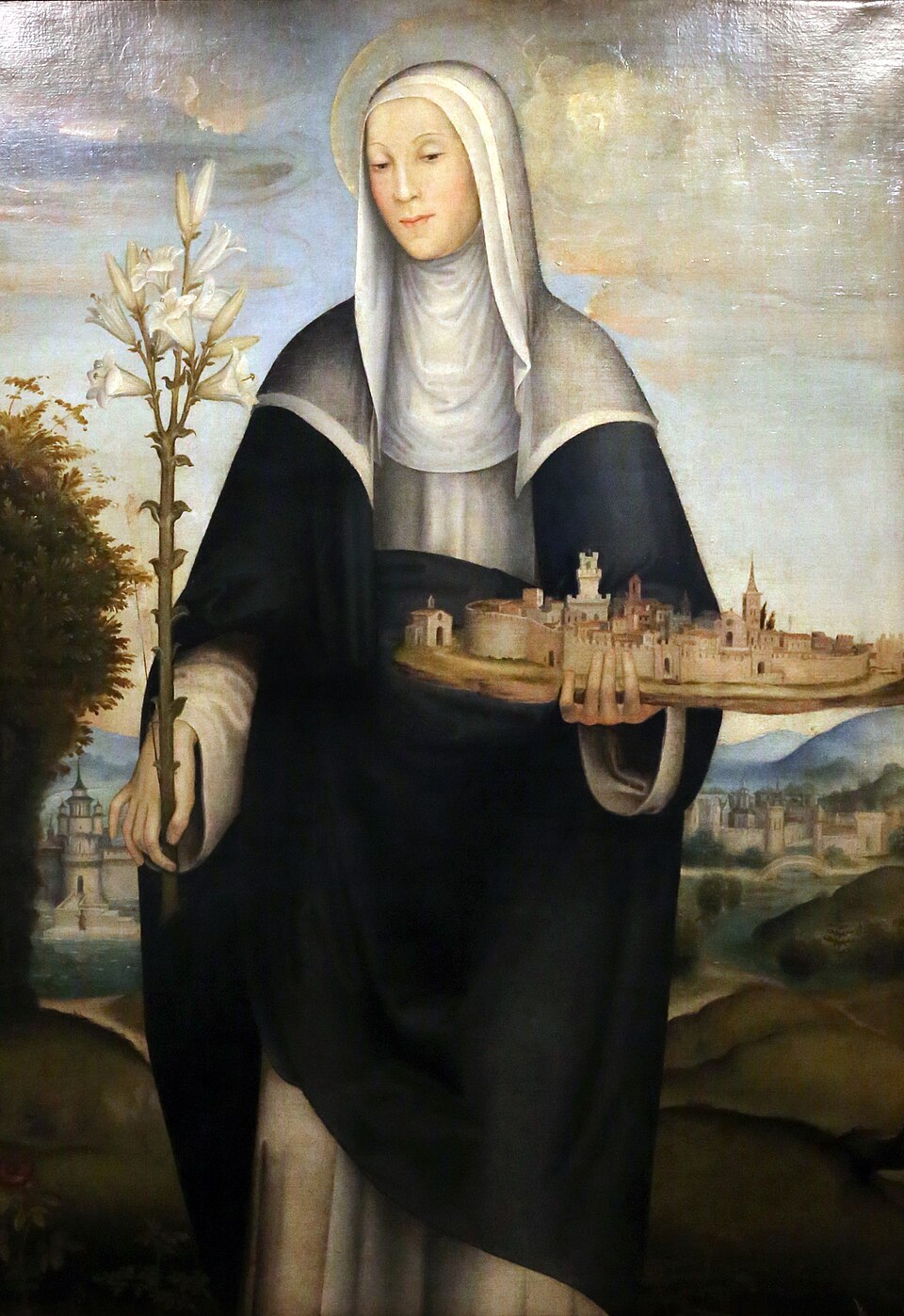
Saint Clare of Assisi, born Chiara Offreduccio in 1194, hailed from a noble and affluent family in Assisi, Italy. Her early life was marked by the privileges of her aristocratic lineage, yet her heart yearned for a deeper spiritual truth. From a young age, she was known for her piety and compassion, often secretly sharing her family's wealth with the poor. The profound spiritual awakening sweeping through Assisi, largely ignited by the charismatic preaching of Saint Francis, deeply resonated with young Clare. She was captivated by his message of radical poverty and unwavering devotion to Christ, a message that would irrevocably alter the course of her life and the lives of countless women who followed her.
At the tender age of eighteen, on Palm Sunday of 1212, Clare courageously fled her opulent home to join Francis at the Porziuncola. There, in a symbolic act of renunciation, Francis cut her hair, marking her entrance into a life consecrated to God. She soon established the Order of Poor Ladies, later known as the Poor Clares, at the Church of San Damiano, becoming its first Abbess. For over 40 years, Clare lived a life of profound contemplation and radical poverty, steadfastly upholding the "Privilege of Poverty" – the right of her order to possess no property, relying solely on God's providence. This unwavering commitment to absolute poverty, even in the face of papal pressure to adopt a more lenient rule, stands as a testament to her spiritual fortitude and deep trust in God. Her life was a living sermon, inspiring countless others to embrace a life of simplicity and prayer.
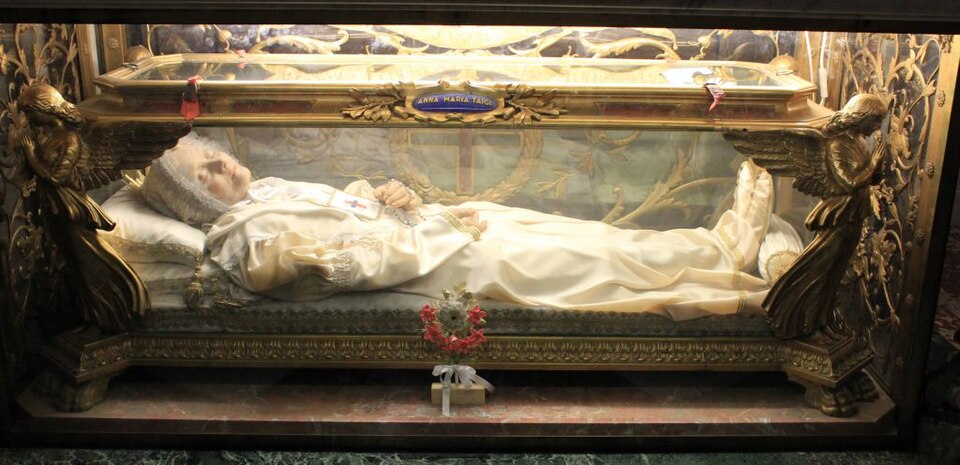
Saint Clare passed into eternal life on August 11, 1253. Just two years later, in 1255, she was canonized by Pope Alexander IV. Centuries after her death, her tomb was opened, revealing her body remarkably preserved, a phenomenon known as incorruption. While her body has darkened over time, it retains its form, a visible sign of her extraordinary holiness. Scientific examinations have confirmed its remarkable state of preservation, with no evidence of artificial embalming. Today, pilgrims from across the globe can venerate her sacred remains in the Basilica of Saint Clare in Assisi, where she rests in a glass enclosure, a powerful reminder of her enduring legacy.
Saint Clare's lasting legacy is multifaceted. She is revered as the foundress of the Poor Clares, an order that continues to thrive globally, embodying her charism of poverty, contemplation, and prayer. Her steadfast defense of the "Privilege of Poverty" profoundly influenced the development of religious life for women, demonstrating the power of spiritual conviction against worldly pressures. Her incorrupt body serves as a powerful spiritual sign, a testament to her radical holiness and unwavering devotion to Christ. Pilgrims visiting Assisi today can not only venerate her sacred relics but also experience the profound spiritual atmosphere of the places where she lived and prayed, drawing inspiration from her life of profound faith and humble service.
Discovery
The discovery of the incorrupt body of Saint Clare of Assisi is a testament to the enduring mystery and profound spiritual significance that often accompanies the lives of holy individuals. Following her death on August 11, 1253, Clare was interred in a simple tomb beneath the high altar of the Church of San Giorgio, the very church where Saint Francis had once preached. Her canonization came swiftly, just two years later in 1255, a recognition of her extraordinary holiness and the miracles attributed to her intercession. However, it was not until 1850, more than six centuries after her passing, that the full extent of God's favor upon her earthly remains was revealed. Under the direction of Pope Pius IX, a commission was established to locate and exhume Clare's body, driven by a desire to provide a more fitting resting place and to further venerate the foundress of the Poor Clares. On August 23, 1850, after careful excavation, her tomb was finally opened. The witnesses present, including ecclesiastical authorities, medical professionals, and members of the Franciscan and Poor Clare orders, were overcome with awe and reverence. To their astonishment, Clare's body was found to be remarkably preserved, though it had darkened considerably over the centuries. Her flesh, though discolored, retained its form and was not reduced to skeletal remains, a phenomenon immediately recognized as a sign of incorruption. The immediate reaction was one of profound wonder and gratitude, affirming the sanctity of her life and the miraculous nature of her preservation.
Following this initial discovery, Saint Clare's body underwent several subsequent examinations and transfers, each revealing further details about its miraculous state. After the 1850 exhumation, the body was carefully moved to a temporary resting place within the same church, which by then had been renamed the Basilica of Saint Clare. A more thorough examination took place in 1852, during which the body was meticulously cleaned and prepared for public veneration. It was during this period that the extent of the darkening was noted, a common characteristic among many incorruptible saints, often attributed to the natural processes of desiccation and the effects of long-term burial conditions, yet without the accompanying decay. In 1893, another significant event occurred when the body was transferred to its current and final resting place within the crypt of the Basilica of Saint Clare. This transfer was accompanied by further scientific and ecclesiastical scrutiny, which confirmed the continued preservation of her form. While the body had indeed darkened to a deep brown or almost black hue, its anatomical structure remained intact, defying the natural laws of decomposition. These repeated examinations, spanning decades, consistently affirmed the incorrupt nature of her remains, albeit with the expected changes in pigmentation.
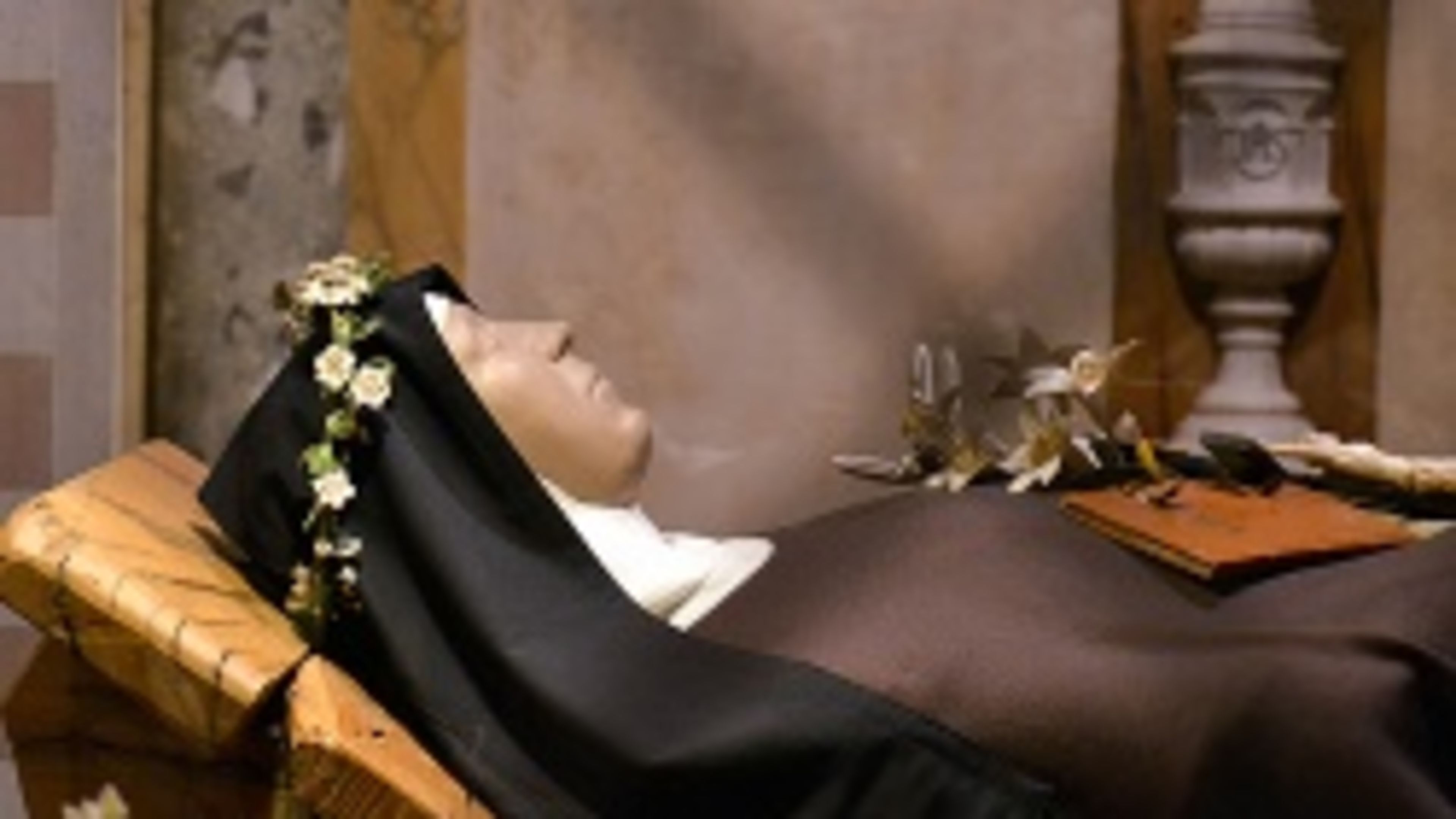
The preservation journey of Saint Clare's body has been marked by careful measures to ensure its continued veneration and protection. After the 1893 transfer, her body was encased in a custom-built, hermetically sealed glass casket. This elaborate reliquary was designed not only for public display but also to protect the fragile remains from further environmental degradation. The casket itself is a work of art, adorned with intricate carvings and religious symbols, reflecting the profound reverence accorded to the saint. It is placed within the crypt of the Basilica of Saint Clare, a sacred space specifically designed to accommodate pilgrims and visitors who come to pay homage. The crypt is maintained at a stable temperature and humidity to minimize any adverse effects on the body. While the body itself is incorrupt, a wax mask has been placed over her face and hands to present a more lifelike appearance to the faithful, a common practice with incorruptibles whose features may have become distorted or discolored over time. This mask, while not part of the original incorrupt body, serves to enhance the devotional experience, allowing pilgrims to connect more intimately with the saint. The body, though darkened and with the addition of the wax mask, remains a powerful visual testament to her sanctity and the enduring mystery of divine intervention.
While Saint Clare's incorrupt body is primarily characterized by its remarkable preservation of form and its darkening over time, there have been no widely documented reports of the more unusual phenomena sometimes associated with other incorruptibles, such as sweet fragrances, flexibility, or the exudation of oils or blood. Her case stands as a classic example of incorruption where the body resists the natural process of decay, maintaining its integrity for centuries after death. The primary marvel lies in the simple fact that her flesh, though discolored, did not turn to dust or skeletal remains, a stark contrast to the fate of most human bodies. This resistance to decay, particularly over such an extended period and under typical burial conditions, is itself considered a profound miracle. The absence of other extraordinary phenomena does not diminish the significance of her incorruption; rather, it highlights the diverse ways in which God chooses to manifest His power and favor. For pilgrims and scholars alike, the sight of Saint Clare's preserved body in Assisi remains a powerful reminder of her holy life, her unwavering commitment to poverty and prayer, and the enduring mysteries of faith.
Preservation
Body displayed in the Basilica of Saint Clare, Assisi.
Scientific Analysis
The phenomenon of exceptional post-mortem preservation, particularly in cases attributed to religious significance, presents a compelling intersection for scientific inquiry. The remains of Saint Clare of Assisi, interred in 1253, have been the subject of various examinations over centuries, attempting to reconcile their state with known biological processes. Formal medical and scientific assessments, while often documented within ecclesiastical records, have historically lacked the rigorous, standardized protocols of modern forensic science. Early examinations, primarily conducted by ecclesiastical authorities and local physicians, focused on verifying the body's integrity and identifying any signs of artificial intervention. For instance, upon the initial exhumation in 1260, seven years after her death, accounts describe the body as remarkably intact, though darkened, a condition that has persisted. Subsequent viewings and transfers of the relics, such as the 1850 exhumation for reinterment in the newly constructed crypt of the Basilica of Saint Clare, provided further opportunities for inspection. During this period, detailed descriptions were recorded by attending physicians, though their names and specific institutional affiliations are often lost to history or remain within archival church documents. These historical observations consistently noted the absence of typical skeletalization and the presence of what appeared to be preserved tissues, albeit desiccated and discolored. The most recent significant examination occurred in 1893, when the body was placed in its current reliquary. While comprehensive forensic reports akin to those produced today are not publicly available for these historical events, the consistent narrative across centuries points to a state of preservation that defied immediate, complete decomposition.
The scientific mystery surrounding Saint Clare's remains lies in their resistance to normal decomposition processes, particularly given the environmental conditions of her burial. Human decomposition typically involves a complex sequence of autolysis, putrefaction, and decay, driven by endogenous enzymes and microbial activity, leading to skeletalization within a few years, especially in unsealed environments. Saint Clare was initially interred in the bare earth beneath the altar of the Basilica of Saint George (now Santa Chiara), a common burial practice of the era. Such conditions, characterized by fluctuations in temperature, humidity, and exposure to soil microorganisms, are highly conducive to rapid decay. There is no historical record or scientific evidence suggesting any deliberate embalming or preservation treatments were applied to her body at the time of death or shortly thereafter. The absence of chemical embalming agents, which would have been rudimentary at best in the 13th century and likely detectable through modern analytical techniques, further deepens the enigma. The reported "darkened" state of the body is consistent with natural desiccation and oxidation of tissues over time, but the persistence of soft tissue structures, even in a mummified state, without deliberate intervention, is scientifically remarkable.
Various natural explanations have been proposed for instances of exceptional body preservation, including saponification (the formation of adipocere), mummification, and specific environmental conditions. Adipocere, a waxy, grayish-white substance formed from body fats, can preserve soft tissues in damp, anaerobic environments, but it typically results in a distinct, soap-like consistency and appearance, which is not consistently described for Saint Clare. Natural mummification, characterized by extreme dehydration, can occur in very dry or cold environments, but the burial conditions in Assisi are generally not considered conducive to spontaneous mummification without significant air circulation or desiccation agents. While a dry microclimate within the tomb could theoretically contribute, the initial earth burial makes this less probable as the primary mechanism. Skeptics often point to the possibility of natural mummification or adipocere formation as explanations for incorruptibility, suggesting that these are rare but entirely natural phenomena. However, in many celebrated cases like Saint Clare's, the specific combination of observed preservation, the absence of known conducive environmental factors, and the lack of deliberate intervention makes these natural explanations, while plausible in theory, often fall short of fully accounting for the phenomenon without further detailed investigation. The persistent "darkened" but preserved state, rather than a fully skeletalized or adipocere-transformed body, remains a significant point of scientific curiosity.
From a modern scientific perspective, the case of Saint Clare of Assisi presents an invaluable opportunity for advanced forensic and anthropological study, provided ethical and religious considerations allow. Modern techniques such as high-resolution computed tomography (CT) scans could provide detailed insights into the internal structure of the remains without invasive procedures, revealing the extent of soft tissue preservation, bone integrity, and potential evidence of past trauma or disease. Carbon dating could precisely determine the age of the remains, confirming their historical attribution. Furthermore, tissue analysis, if permitted, utilizing techniques like histology, immunohistochemistry, and molecular biology, could identify specific cellular structures, proteins, and even DNA, offering unprecedented insights into the processes of decomposition and preservation. Such analyses could potentially identify the presence of any natural antimicrobial compounds or unique environmental conditions within the tomb that might have inhibited microbial growth. The application of these modern techniques could move the understanding of such cases beyond historical accounts and visual inspections, offering empirical data to either support natural explanations or highlight truly anomalous preservation. Questions remain regarding the precise mechanisms that arrested decomposition, the specific chemical and biological changes that occurred in the tissues, and whether any unique environmental factors, perhaps even within the construction of the tomb itself, played a role. A comprehensive, multi-disciplinary scientific study, respecting the historical and religious context, could significantly advance our understanding of post-mortem preservation.
Spiritual Significance
The phenomenon of incorruption, particularly as exemplified by Saint Clare of Assisi, holds profound theological significance within the Catholic tradition, serving as a tangible testament to the sanctity of the human body and the promise of future resurrection. For centuries, the Church has viewed the preservation of a saint's body from natural decay as a divine sign, a miraculous affirmation of their exceptional holiness and a foretaste of the glorified bodies promised to the faithful at the Last Judgment. This understanding is deeply rooted in the Pauline teaching that the body is a temple of the Holy Spirit (1 Corinthians 6:19), suggesting that a life lived in profound union with God can imbue the physical form with a supernatural grace that transcends the ordinary laws of nature. In Clare's case, her incorruption, though darkened over time, is interpreted not merely as a biological anomaly but as a visible sign of her radical devotion to Christ and her unwavering commitment to evangelical poverty. It underscores the Catholic belief in the communion of saints, where those who have passed into glory remain intimately connected with the Church on earth, their physical remains serving as sacred relics that bridge the temporal and eternal, inviting veneration and inspiring emulation. This particular manifestation of divine favor reinforces the Church's teaching on the intrinsic dignity of the human person, created in God's image, and the ultimate destiny of both soul and body in the resurrected life.
Saint Clare's unique charism was undeniably her radical embrace of poverty, a spiritual gift she received directly from the inspiration of Saint Francis of Assisi, yet which she developed with an intensity and particularity all her own. Her heroic virtues were numerous, but chief among them were an unwavering faith, profound humility, and an extraordinary spirit of self-abnegation. She founded the Order of Poor Ladies, later known as the Poor Clares, establishing a contemplative life rooted in absolute poverty, where the sisters owned no property, either individually or communally, relying solely on divine providence. This "privilege of poverty," as she called it, was fiercely defended by Clare throughout her life, even against papal attempts to soften its rigor. Her way of holiness manifested in a life of intense prayer, rigorous penance, and profound charity, not only towards her sisters but also for the wider world, for whom she constantly interceded. She was a mystic, experiencing deep union with Christ, and her spiritual tradition profoundly contributed to the Franciscan movement, providing a feminine counterpoint to Francis's active apostolate, demonstrating that radical Gospel living could be lived out in cloistered contemplation with equal fervor and fruitfulness. Her life was a living sermon on detachment from worldly possessions and an unreserved attachment to Christ, a testament to the liberating power of evangelical poverty.
Devotion to Saint Clare of Assisi has flourished since her canonization just two years after her death, solidifying her place as one of the Church's most beloved saints. She is widely venerated as the patroness of television, due to a miraculous vision she experienced on her deathbed where she saw the Midnight Mass being celebrated in a church miles away, and also as the patroness of eye diseases, embroiderers, and gilders. Over the centuries, countless prayers and novenas have been composed in her honor, seeking her intercession for spiritual guidance, healing, and strength in times of adversity. Her feast day on August 11th is celebrated with particular solemnity by the Poor Clares worldwide and by Franciscan communities. Pilgrims from across the globe journey to the Basilica of Saint Clare in Assisi, Italy, where her incorrupt, though darkened, body rests in a glass reliquary beneath the high altar. The experience of visiting her shrine is often described as profoundly moving; to stand before the physical remains of a saint who lived eight centuries ago, whose life was so completely given to God, is to encounter a tangible link to the sacred. The quiet reverence of the basilica, the palpable sense of her enduring presence, and the visible evidence of her incorruption inspire awe and deepen faith, offering a powerful connection to the communion of saints and the enduring power of holiness.
Miracles attributed to Saint Clare's intercession have been numerous and well-documented throughout history, further solidifying her spiritual legacy. During her lifetime, she was known for her miraculous power, most famously when, during an attack by Saracen mercenaries on Assisi, she confronted the invaders with the Blessed Sacrament, causing them to flee in terror. This event cemented her image as a protector and intercessor. Posthumously, countless healings, both physical and spiritual, have been reported through her intercession. There are documented accounts of blind individuals regaining their sight, the sick being cured of debilitating illnesses, and those in spiritual distress finding peace and conversion. The incorrupt body itself has been a source of immense spiritual consolation for the faithful. For many, seeing her preserved remains serves as a powerful reminder of the enduring presence of God's grace in the lives of His saints and the reality of the resurrection. It offers a tangible point of contact for prayer, a visible sign that God continues to work wonders through His holy ones, providing comfort, strengthening faith, and inspiring hope in the promise of eternal life and the efficacy of intercessory prayer.
Saint Clare's enduring message holds profound relevance for contemporary Catholics and seekers alike, offering a compelling challenge to the pervasive materialism and secularism of our age. Her radical commitment to poverty, not as destitution but as a spiritual liberation, directly confronts the modern obsession with accumulation and consumption, reminding us that true wealth lies not in possessions but in a heart wholly surrendered to God. In a world often characterized by anxiety and distraction, her life of contemplative prayer and unwavering trust in divine providence serves as a powerful antidote, inviting us to seek stillness, cultivate interiority, and find our security in God alone. She teaches us the profound joy that can be found in simplicity and the liberating power of detachment. Her incorruption, in this context, serves as more than just a historical curiosity; it is a tangible bridge between the visible and invisible worlds, a concrete sign that holiness is real, that God intervenes in the natural order, and that a life lived in radical fidelity to the Gospel can transcend the limitations of earthly existence. Clare's example calls us to examine our own priorities, to embrace a life of greater spiritual freedom, and to recognize that true fulfillment is found not in what we possess, but in the depth of our relationship with Christ, a message as vital today as it was eight centuries ago.
AI summary
A plain-language overview generated from this page's source material. Always verify with primary sources.