Biography
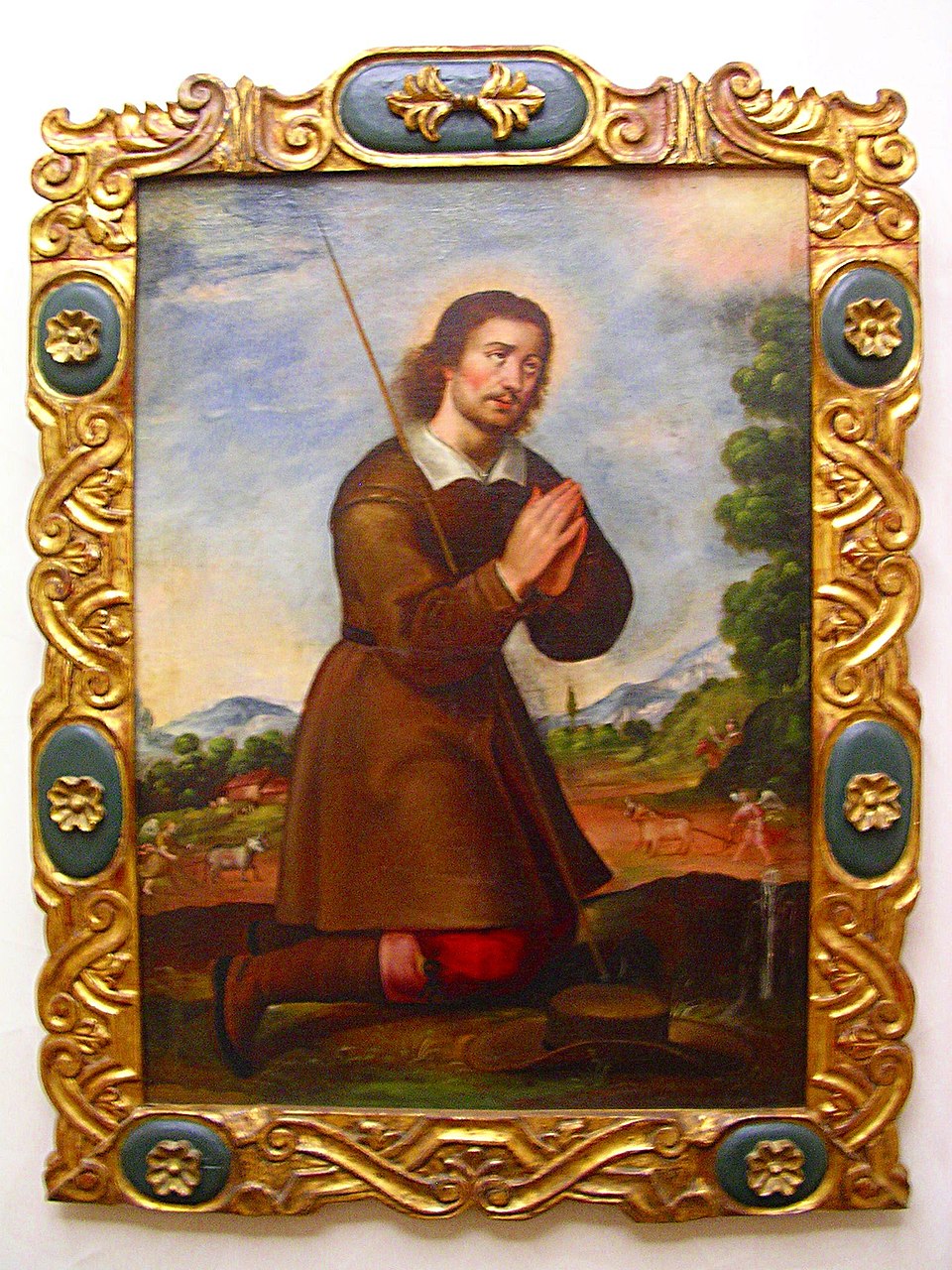
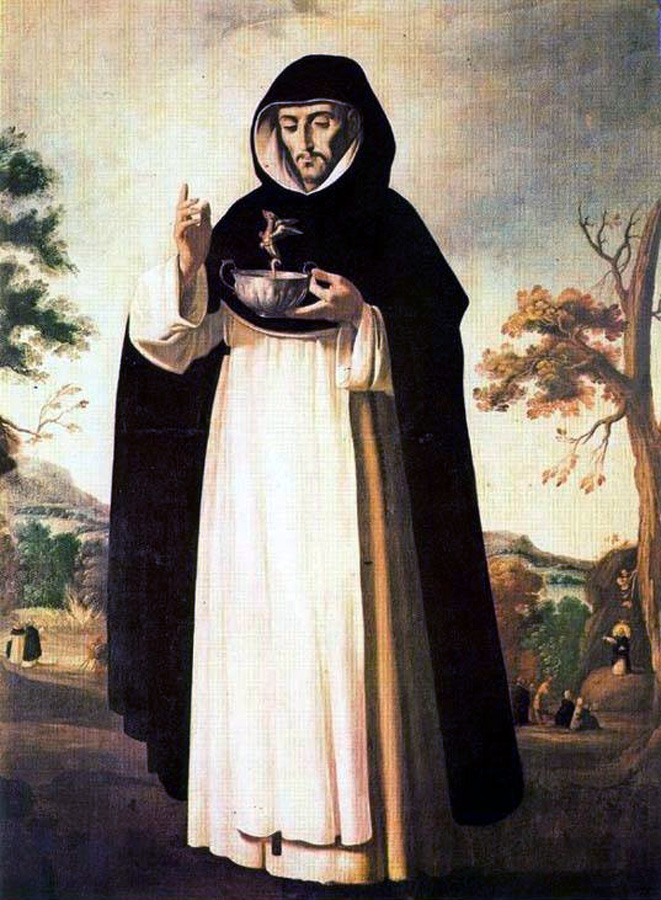
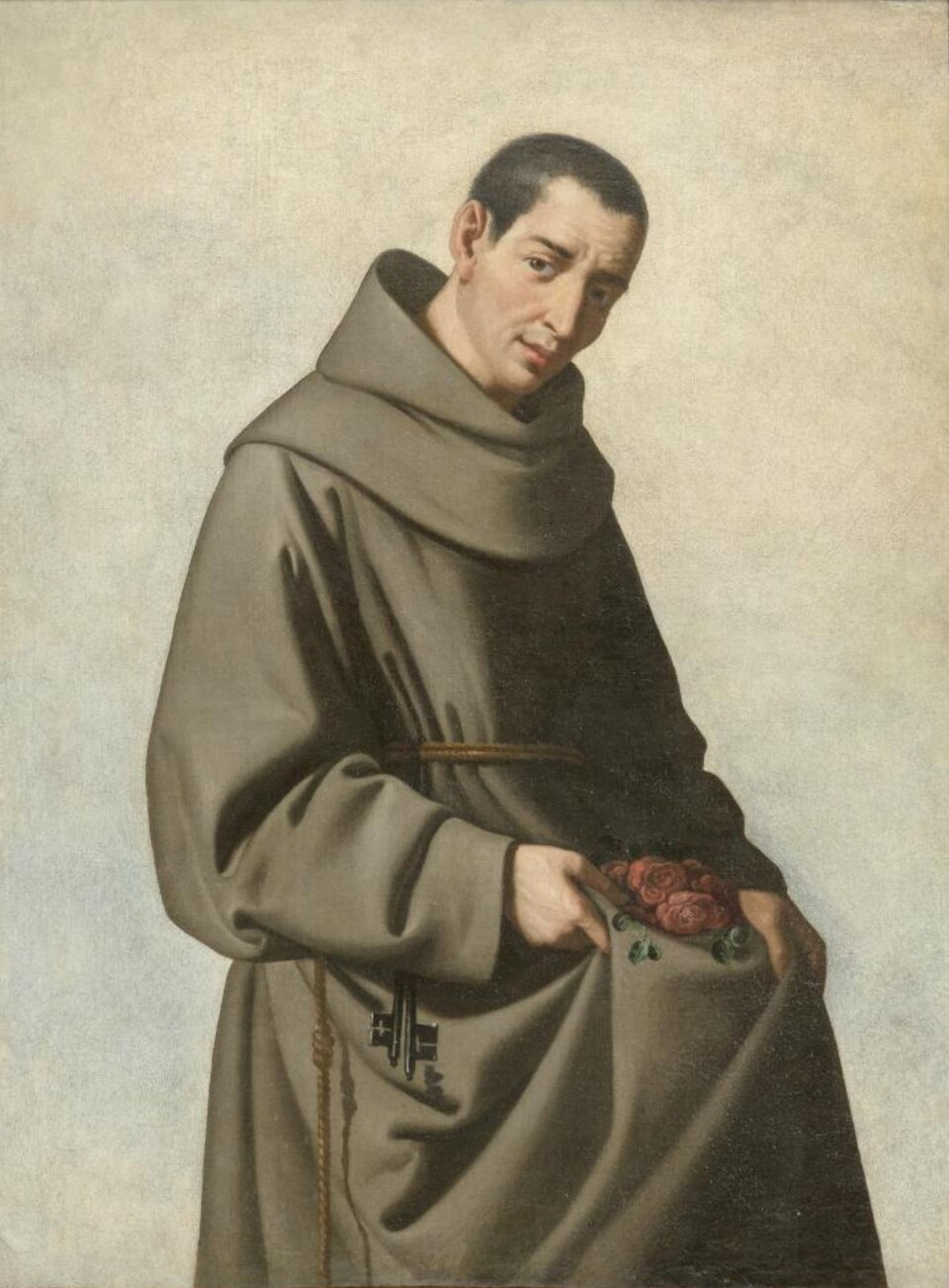
Saint Didacus of Alcalá, born Diego García in San Nicolás del Puerto, Andalusia, Spain, around 1400, emerged from humble origins to become a beacon of Franciscan sanctity. Little is known of his early family life, but it is understood that he spent his youth in devout solitude as a hermit, cultivating a deep spiritual life and an ardent love for God and neighbor. This period of intense prayer and penance laid the foundation for his later vocation, instilling in him a profound humility and an unwavering commitment to evangelical poverty. Around 1417, drawn by the spirit of Saint Francis, he entered the Observant branch of the Franciscan Order as a lay brother, foregoing the priesthood to dedicate himself fully to service and contemplation.
Brother Didacus's life as a Franciscan was marked by extraordinary charity, tireless service, and a reputation for miraculous intercession. He served in various capacities within the Order, including gardener, porter, and cook, always performing his duties with joyful diligence and a spirit of profound humility. His superiors recognized his exceptional piety and sent him on missions, including a significant period in the Canary Islands, where he served as a missionary and guardian of a friary. It was during this time that his miraculous gifts became widely known; stories abound of him multiplying food for the hungry, healing the sick with a touch or a prayer, and even raising the dead. In 1450, he traveled to Rome for the canonization of Saint Bernardine of Siena, where he again distinguished himself through his compassionate care for the sick during an epidemic, often healing them through his fervent prayers.
Saint Didacus passed into eternal life on November 12, 1463, in Alcalá de Henares, Spain. Immediately after his death, his body began to manifest signs of incorruption, remaining supple and fragrant, a testament to his sanctity. This miraculous preservation quickly drew pilgrims to his tomb. His incorrupt body, still remarkably preserved, is venerated today in the Cathedral of Alcalá de Henares, where it is periodically displayed for the faithful. The most famous instance of his incorruption's impact occurred in 1562 when King Philip II of Spain brought his ailing son, Don Carlos, to pray before the saint's body. The prince, who had suffered a severe head injury, miraculously recovered after touching the incorrupt remains, an event that greatly accelerated Didacus's canonization process.
Canonized by Pope Sixtus V in 1588, Saint Didacus of Alcalá remains a powerful intercessor and an enduring symbol of humility, charity, and the miraculous power of God working through His saints. His legacy extends beyond Spain, with numerous churches and institutions named in his honor, including the city of San Diego, California. Pilgrims today can visit the Cathedral of Alcalá de Henares to venerate his incorrupt body, a tangible reminder of a life lived in complete devotion to Christ and a testament to the enduring power of faith. He continues to inspire countless souls to embrace a life of service, prayer, and profound trust in divine providence.
Discovery
The remarkable preservation of the earthly remains of Saint Didacus of Alcalá, a humble Franciscan friar who passed into eternal life in 1463, stands as a testament to the enduring mystery of incorruption within the Catholic tradition. The initial discovery of his miraculously preserved body occurred shortly after his death, during the customary exhumation that often preceded the transfer of a holy person's remains to a more prominent resting place or for the veneration of relics. While precise documentation from the 15th century can be sparse, historical accounts indicate that when his tomb was opened, perhaps a few years after his burial, those present were astonished to find his body not succumbed to the natural processes of decomposition. Instead, it was reportedly supple, with the skin retaining a lifelike color, and emitting a sweet, ethereal fragrance – a phenomenon frequently associated with incorruptible saints, often described as the odor of sanctity. This initial exhumation, likely attended by members of his Franciscan community and local ecclesiastical authorities in Alcalá de Henares, immediately sparked awe and reinforced the widespread belief in his sanctity, setting the stage for his eventual canonization. The unexpected state of his remains was undoubtedly interpreted as a divine sign, further cementing his reputation as a powerful intercessor.
Over the centuries, the body of Saint Didacus has undergone numerous examinations and transfers, each instance reaffirming its extraordinary state of preservation. One of the most significant events in its history occurred in 1562, nearly a century after his death, when King Philip II of Spain, himself gravely ill, sought the intercession of the holy friar. The body was brought to the royal court, and the king, in a desperate act of faith, reportedly placed the incorrupt hand of Saint Didacus upon his ailing body. Historical records suggest that the king experienced a miraculous recovery, a powerful endorsement of the saint's intercessory power and the authenticity of his incorruption. This event significantly elevated the veneration of Saint Didacus and prompted further, more detailed inspections of his remains. These later examinations consistently noted the body's remarkable flexibility, its intact tissues, and the absence of any signs of decay, despite the passage of decades and then centuries. The lack of embalming or artificial preservation methods known at the time only deepened the mystery surrounding his incorruption, leading observers to attribute it solely to divine intervention.
The journey of Saint Didacus's incorrupt body has been one of careful veneration and protection. Following the miracles attributed to his intercession, particularly the healing of King Philip II, his remains were enshrined with increasing solemnity. Today, the body of Saint Didacus rests in the Cathedral of Saints Justus and Pastor in Alcalá de Henares, Spain, a place of pilgrimage for the faithful. It is housed within a magnificent glass casket, allowing pilgrims and visitors to view the miraculously preserved form of the saint. This transparent reliquary is itself often encased within a larger, more ornate altar or chapel, providing both security and a dignified setting for veneration. The environment surrounding the casket is meticulously maintained to ensure the continued preservation of the relics, though the primary agent of its incorruption is believed to be supernatural. The display is designed to facilitate prayer and reflection, presenting the saint not as a macabre curiosity, but as a tangible link to the divine, an enduring symbol of God's grace and the power of holiness.
Beyond the general state of incorruption, specific remarkable details have been consistently noted regarding Saint Didacus's body. The aforementioned sweet fragrance, often described as a floral or musky aroma, has been reported on multiple occasions, even centuries after his death, a phenomenon known as the "odor of sanctity." Furthermore, accounts frequently mention the body's surprising flexibility. Unlike desiccated remains, which become rigid and brittle, Saint Didacus's body has been described as retaining a degree of suppleness, allowing for gentle repositioning during transfers or examinations without damage. While there are no widespread reports of bleeding or oil exuding from his body, the sheer resistance to decay in the absence of any known natural or artificial preservatives, over such an extended period, is itself the most profound and enduring miracle. This extraordinary preservation, coupled with the numerous miracles attributed to his intercession, continues to draw pilgrims and inspire awe, serving as a powerful reminder of the enduring mysteries of faith and the profound sanctity of Saint Didacus of Alcalá.
Scientific Analysis
The phenomenon of the incorruption of Saint Didacus of Alcalá's body has been a subject of both religious veneration and scientific curiosity for centuries. While specific, detailed records of formal medical or scientific examinations, particularly those conducted with modern forensic rigor, are somewhat sparse in publicly accessible historical accounts, several observations by medical professionals have been documented over time. One notable instance occurred in 1562, nearly a century after his death, when King Philip II of Spain visited Alcalá de Henares. His son, Don Carlos, was critically ill, and the king sought the intercession of the recently canonized friar. During this visit, the body of Saint Didacus was reportedly presented to the king, who, along with his personal physicians, observed its remarkable state of preservation. While these physicians, whose names are not consistently recorded in all historical narratives but would have been prominent medical figures of the Spanish court, did not conduct a full autopsy in the modern sense, their observations noted the body's flexibility, the intactness of the skin, and the absence of putrefaction. These were not merely anecdotal observations; the presence of royal physicians implies a degree of medical scrutiny, albeit one limited by the scientific understanding and tools of the 16th century. Later, during various canonical recognitions and transfers of the relics, typically overseen by ecclesiastical authorities, medical practitioners were often present to verify the state of the remains. For instance, during a recognition in the 17th century, a report by a local physician, whose name is often cited as Dr. Francisco de la Torre, noted the body's unusual suppleness and the absence of the expected signs of advanced decomposition. These examinations, while lacking the detailed methodologies of contemporary forensic pathology, consistently highlighted the deviation from normal post-mortem changes.
The scientific mystery surrounding Saint Didacus's incorruption lies in its defiance of typical decomposition processes. Upon death, the human body undergoes a predictable sequence of changes: algor mortis (cooling), livor mortis (discoloration), rigor mortis (stiffening), followed by autolysis (self-digestion by enzymes) and putrefaction (bacterial decomposition). These processes, particularly putrefaction, lead to the breakdown of soft tissues, liquefaction, and eventual skeletonization. The environmental conditions in Alcalá de Henares, a continental Mediterranean climate, are generally not conducive to natural mummification or long-term preservation without intervention. While arid conditions can lead to desiccation and mummification, the region experiences moderate humidity and temperature fluctuations that would typically accelerate decay. Furthermore, the body was interred, not exposed to extreme dryness or cold, which are natural inhibitors of decomposition. The absence of evidence for embalming or other artificial preservation treatments, especially considering the historical period, makes the preservation particularly remarkable. Embalming practices in the 15th century, while existing, were often rudimentary compared to later techniques and rarely resulted in such long-term, pristine preservation of soft tissues. The persistent reports of a flexible, intact body, even centuries after death, challenge the conventional understanding of post-mortem biology in an unpreserved state.
Several natural explanations have been proposed for instances of apparent incorruption, primarily saponification (adipocere formation) and natural mummification. Adipocere, a waxy, soap-like substance, forms when body fat hydrolyzes in a moist, anaerobic environment, often transforming soft tissues into a firm, grayish-white material. While adipocere can preserve body contours, it typically alters the texture and appearance significantly, often leading to a brittle or crumbly consistency over time. Natural mummification, conversely, occurs in extremely dry or cold conditions, where rapid dehydration inhibits bacterial growth. However, the descriptions of Saint Didacus's body, emphasizing its suppleness and natural appearance, do not align well with the typical characteristics of either adipocere formation or mummification. Skeptics often point to these natural processes as potential explanations, suggesting that detailed scientific analysis might reveal such an underlying mechanism. However, without direct, modern examination, these remain speculative. The challenge lies in the specific details reported: the sustained flexibility, the absence of significant discoloration or decay, and the long duration of preservation without apparent external intervention. These aspects make it difficult to fully reconcile the phenomenon with known natural processes of body preservation, leaving a gap in purely scientific explanations.
From a modern scientific perspective, the case of Saint Didacus of Alcalá presents a unique opportunity for interdisciplinary study, though direct access for such research has historically been limited due to religious veneration. Modern techniques such as CT scans, MRI, carbon dating, and detailed tissue analysis (histology, proteomics, genomics) could provide invaluable insights. A CT scan, for instance, could non-invasively reveal the internal state of organs and tissues, identifying any signs of adipocere, mummification, or even rudimentary historical embalming techniques not apparent externally. Carbon dating could precisely determine the age of the remains, confirming their authenticity. Tissue analysis, if minimally invasive samples could be obtained, might identify specific proteins or cellular structures that have resisted degradation, or reveal the presence of unusual microbial communities that might have contributed to preservation rather than decay. Such analyses could also detect any trace elements or compounds indicative of past preservation treatments. The questions that remain unanswered are fundamental: What specific biochemical processes have inhibited decomposition in this particular case? Are there unique environmental microclimates within the reliquary or tomb that have contributed to preservation? Could there be an unknown natural preservative substance or an exceptionally rare combination of factors at play? While modern science can elucidate the mechanisms of preservation, the ultimate "why" behind such rare and enduring phenomena, particularly when they defy common scientific expectations, continues to fuel both scientific inquiry and spiritual contemplation.
Spiritual Significance
The phenomenon of incorruption, particularly as exemplified by figures like Saint Didacus of Alcalá, offers a profound theological reflection on the sanctity of the human body and the eschatological hope of the Church. Within Catholic theology, the incorrupt body of a saint is not merely a biological anomaly but a divinely ordained sign, pointing to the ultimate destiny of humanity. It powerfully underscores the doctrine of the body as a temple of the Holy Spirit, as articulated in 1 Corinthians 6:19, reminding us that our physical being is consecrated and destined for glorification. For Saint Didacus, whose humble life was a testament to his profound union with God, his preserved remains serve as a tangible prefigurement of the resurrection of the body, a core tenet of Christian faith. The Church interprets such incorruption as a special grace, a visible witness to the power of God to transcend natural decay, affirming the saint's exceptional holiness and their enduring participation in the communion of saints. It is a silent sermon, proclaiming that death does not have the final word for those who live in Christ, and that the physical vessel, sanctified by grace, can be miraculously preserved as a sign of eternal life.
Saint Didacus of Alcalá's unique charism was deeply rooted in an extraordinary humility and an unwavering commitment to evangelical poverty, hallmarks of the Franciscan spirit he embraced. His early life as a hermit, spent in devout solitude, cultivated a profound interiority and an ardent love for God and neighbor, forming the bedrock of his spiritual journey. As a lay brother in the Observant Franciscans, he eschewed the priesthood, choosing a path of service and contemplation that exemplified the true spirit of Saint Francis. His heroic virtues manifested in his daily life through tireless acts of charity, particularly towards the sick and the poor, and an obedience that flowed from a deep trust in divine providence. He embodied the Franciscan school of thought, emphasizing simplicity, brotherhood, and a radical identification with Christ's suffering. His life was a living testament to the power of self-emptying love, demonstrating that true spiritual wealth lies not in worldly possessions or status, but in a heart wholly surrendered to God's will. This profound spiritual gift, nurtured in quiet contemplation and expressed in selfless action, continues to inspire believers to seek holiness in the ordinary moments of life.
Devotion to Saint Didacus has flourished over the centuries, drawing countless pilgrims to his resting place in the Cathedral of Saints Justus and Pastor in Alcalá de Henares, Spain. His patronage extends to various causes, notably the sick, the poor, and those seeking spiritual guidance, reflecting the very virtues he exemplified in life. While specific novenas or prayers dedicated solely to him may not be as widely known as those for more prominent saints, his feast day on November 13th is observed with reverence, particularly within the Franciscan Order and in Spanish-speaking communities. Pilgrims who visit his shrine often experience a profound sense of peace and inspiration. The opportunity to stand in the presence of his incorrupt body, preserved through centuries, offers a unique and powerful encounter with the sacred. It is an experience that transcends mere historical curiosity, inviting contemplation on the enduring power of faith and the tangible reality of the communion of saints. The hushed reverence, the quiet prayers, and the palpable sense of sanctity create an atmosphere where the visible and invisible worlds seem to converge, offering solace and strengthening belief.
Numerous miracles have been attributed to the intercession of Saint Didacus throughout history, solidifying his reputation as a powerful heavenly advocate. Documented healings of the sick, often those suffering from seemingly incurable ailments, have been reported by those who have sought his prayers. Accounts of conversions, where individuals experienced profound spiritual transformations after invoking his name, also abound, testifying to his ability to guide souls towards God. The incorrupt body itself has been a source of immense spiritual consolation for the faithful, serving as a tangible link to the divine. For centuries, pilgrims have found comfort and renewed hope in its presence, witnessing a miracle that defies natural explanation and reinforces their faith in God's extraordinary power. This physical preservation acts as a constant reminder of the saint's continued intercessory power, a visible sign that his sanctity endures beyond death, and that his prayers for those on earth remain efficacious. These miracles, both physical and spiritual, underscore the living reality of the communion of saints and the profound impact a holy life can have across generations.
Saint Didacus of Alcalá's enduring message for contemporary Catholics and seekers resonates deeply in a world often consumed by materialism and secularism. His life, characterized by radical poverty and unwavering humility, stands as a powerful challenge to the modern pursuit of wealth, status, and self-aggrandizement. He teaches us that true fulfillment is found not in accumulation, but in self-emptying love and service to others, a lesson sorely needed in our consumer-driven society. From his example, people today can learn the profound value of interiority and contemplation, realizing that a rich spiritual life is the ultimate antidote to the anxieties and emptiness of the modern age. His incorruption serves as a tangible bridge between the visible and invisible worlds, a miraculous sign that reminds us of the reality of eternal life and the ultimate triumph of grace over decay. In an era that often dismisses the supernatural, Saint Didacus offers a compelling witness to the enduring power of faith, inviting us to look beyond the material and embrace the spiritual truths that alone can truly satisfy the human heart.
AI summary
A plain-language overview generated from this page's source material. Always verify with primary sources.