Biography
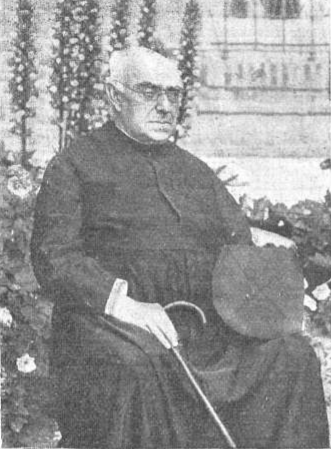
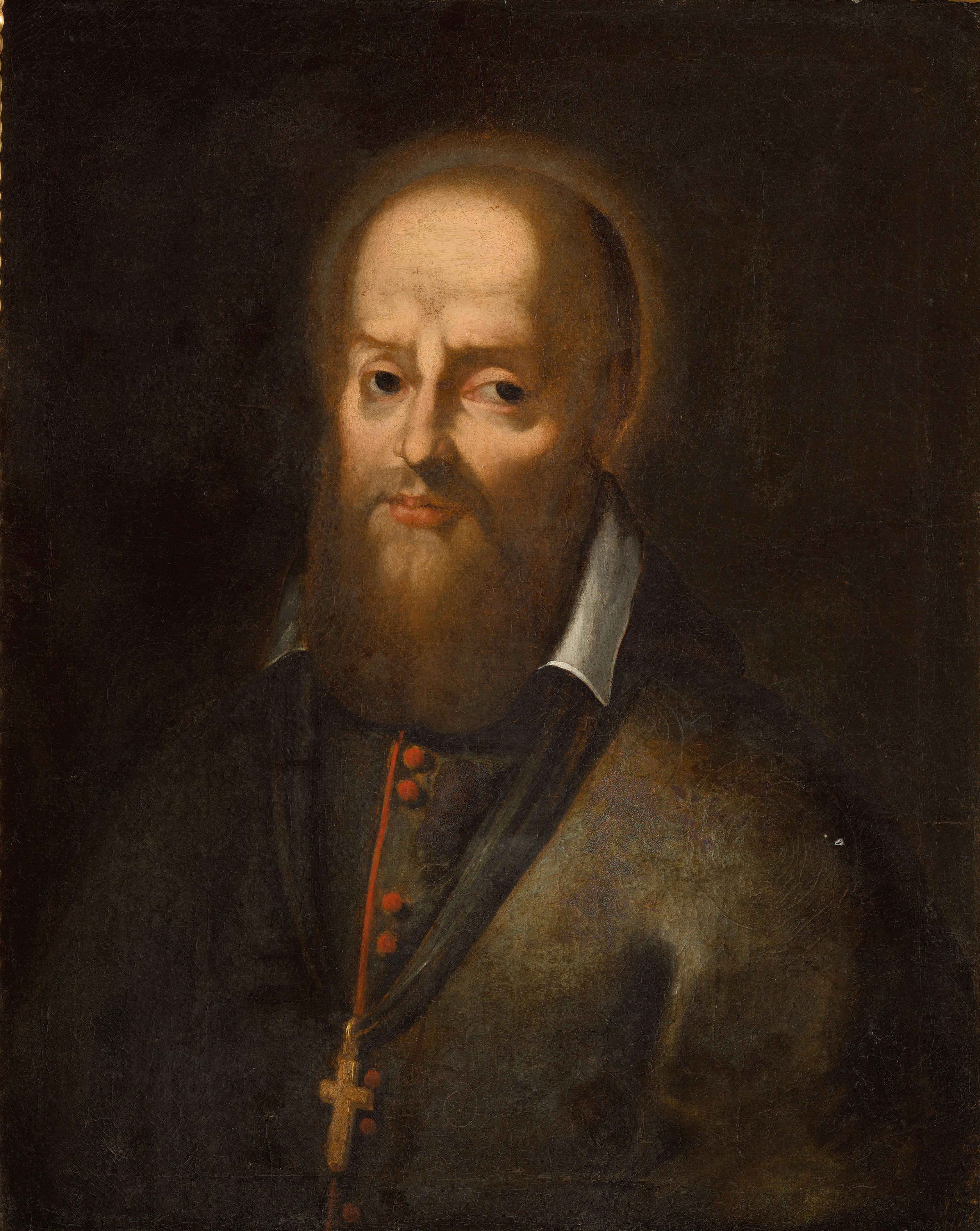
Born in 1567 into a noble Savoyard family at the Château de Sales near Annecy, Saint Francis de Sales was destined for a life of privilege and learning. From a young age, he exhibited a profound piety and an exceptional intellect, pursuing studies in law and theology at the University of Padua. Despite his father's aspirations for a career in law and politics, Francis felt an undeniable call to the priesthood. This vocational discernment was not without its trials; a profound spiritual crisis in his youth, marked by intense anxieties about predestination, ultimately led to a deeper surrender to God's will and a lifelong commitment to gentleness and charity. He was ordained a priest in 1593, renouncing his inherited titles and embracing a life of humble service.
As a priest, and later as Bishop of Geneva (though residing in Annecy due to the Calvinist control of Geneva), Saint Francis dedicated himself tirelessly to the spiritual renewal of his flock, particularly in the Chablais region, which had largely embraced Calvinism. He became renowned for his innovative and compassionate approach to evangelization, often writing theological tracts and spiritual advice on loose sheets that he would slip under doors, effectively becoming one of the first Christian pamphleteers. His gentle demeanor, profound spiritual wisdom, and unwavering charity won many souls back to the Catholic faith. He is most celebrated for his spiritual writings, particularly "Introduction to the Devout Life" and "Treatise on the Love of God," which made holiness accessible to ordinary people living in the world, not just those in monasteries. He also co-founded the Order of the Visitation of Holy Mary with Saint Jane Frances de Chantal, an order dedicated to contemplative prayer and service to the sick.
Saint Francis de Sales died on December 28, 1622, in Lyon, France, after a life spent in tireless service to God and neighbor. His body was initially interred there, but later transferred to Annecy. Upon its exhumation, his body was found to be remarkably preserved, a phenomenon later confirmed by medical examination to be without artificial means. This miraculous incorruption, a testament to his profound sanctity, became a source of great veneration. Today, his incorrupt heart is preserved in the Basilica of the Visitation in Annecy, while other relics are venerated in various locations.
Canonized in 1665 and later declared a Doctor of the Church by Pope Pius IX, Saint Francis de Sales' legacy endures as a beacon of gentle holiness and practical spirituality. He is the patron saint of writers, journalists, and the deaf, reflecting his innovative use of the written word and his compassionate outreach. Pilgrims to Annecy can visit the Basilica of the Visitation, where his heart is enshrined, and experience the profound spiritual atmosphere that still permeates the region he so lovingly served. His teachings continue to inspire countless individuals to pursue a devout life in the midst of the world, reminding us that true holiness is found not in extraordinary feats, but in the ordinary practice of love and gentleness.
Discovery
The remarkable story of Saint Francis de Sales's incorruptibility begins not long after his passing. He died in Lyon on December 28, 1622, and his heart was immediately returned to Annecy, as per his wishes, arriving on January 24, 1623. His body, however, remained in Lyon for a time, interred in the Church of the Visitation. It was during the process of transporting his remains back to Annecy, specifically when his coffin was opened for the journey, that the first signs of his extraordinary preservation were noted. Though the exact date of this initial observation is often debated among historians, accounts from the period suggest that those present were struck by the remarkably intact state of his flesh, which had not succumbed to the usual processes of decomposition, despite the passage of several weeks since his death. This initial discovery, witnessed by members of the Visitation Order and ecclesiastical authorities, immediately sparked awe and reinforced the burgeoning belief in his sanctity. The body was then carefully transported to Annecy, where it was eventually laid to rest in the Church of the Visitation, a testament to the profound impact he had on the nascent order he co-founded with Saint Jane de Chantal.
Over the centuries, the body of Saint Francis de Sales has been subject to several examinations, each confirming the enduring nature of its preservation. One of the most significant exhumations occurred in 1632, ten years after his death, during the formal process of his beatification. At this time, a more thorough inspection was conducted, and the findings were meticulously documented. Witnesses, including physicians and ecclesiastical officials, reported that his body remained supple, his skin retained its natural color, and his features were still recognizable. There was no evidence of the putrefaction typically associated with bodies interred for such a period. Further examinations were carried out in 1656 and again in 1661, leading up to his canonization in 1665. Each time, the consistent reports spoke of a body remarkably preserved, defying the natural course of decay. These repeated observations lent considerable weight to the claims of incorruptibility, solidifying the belief that a divine intervention had spared his remains from corruption.
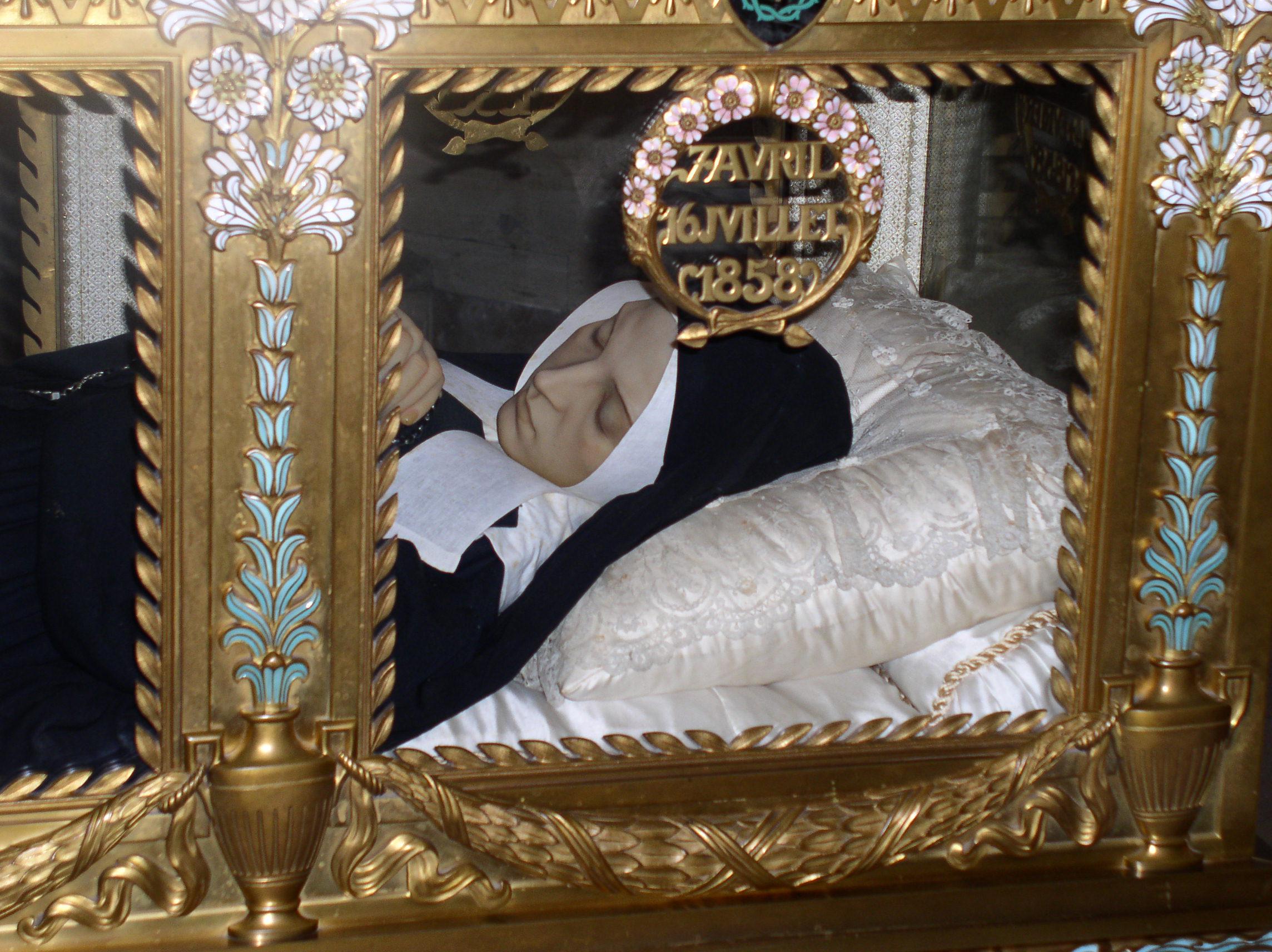
The preservation journey of Saint Francis de Sales's body has been one of careful veneration and protection. Following its return to Annecy, the body was initially interred in the Church of the Visitation. However, as his veneration grew, and particularly after his canonization, it was deemed appropriate to house his remains in a more prominent and accessible manner for the faithful. Today, his body rests in the Basilica of the Visitation in Annecy, France, a magnificent edifice dedicated to the order he helped establish. It is encased within a beautifully crafted glass casket, allowing pilgrims and visitors to gaze upon his remarkably preserved form. This transparent reliquary is itself housed within a larger, ornate altar, ensuring both security and dignity. Environmental controls are in place to maintain a stable atmosphere around the casket, mitigating any potential deterioration. The display is designed not only for veneration but also to educate the faithful about the extraordinary phenomenon of incorruptibility, serving as a tangible link to a saint whose spiritual teachings continue to resonate centuries later.
Among the most remarkable details associated with the incorrupt body of Saint Francis de Sales is the consistent report of its natural appearance, even centuries after his death. While there are no widespread accounts of phenomena such as sweet fragrance or the exudation of oil, the sheer persistence of his natural features and the lack of decomposition have been the primary focus of observation. Witnesses throughout the centuries have consistently noted the preservation of his skin, hair, and even his facial expressions, which are said to retain a peaceful and lifelike quality. This enduring state of preservation, defying the natural laws of decay, has been a source of profound inspiration and wonder for countless pilgrims. It stands as a silent testament to the sanctity of a man whose gentleness, wisdom, and profound love for God continue to draw souls to the spiritual life he so eloquently championed.
Preservation
Body preserved in the Basilica of the Visitation, Annecy.
Scientific Analysis
The phenomenon of preserved human remains, particularly those attributed to religious figures and termed "incorruptible," presents a compelling subject for scientific inquiry. In the case of Saint Francis de Sales, whose body rests in the Basilica of the Visitation in Annecy, France, historical accounts and subsequent examinations have documented a remarkable state of preservation. While specific, detailed medical reports from the immediate post-mortem period are scarce given the historical context, later observations have consistently noted an unusual lack of decomposition. One significant examination occurred in 1632, ten years after his death, when his body was exhumed for transfer. Witnesses at the time reported that his flesh remained supple, his features recognizable, and his vestments intact, a condition highly unusual for a body interred without deliberate embalming. Further informal inspections and observations have been made during subsequent reinterments and venerations, with consistent reports of a degree of preservation that defies typical post-mortem processes. While formal, contemporary medical examinations with modern diagnostic tools were not possible until centuries later, the consistent historical accounts from multiple independent witnesses form a crucial part of the observational data.
The scientific mystery surrounding the preservation of Saint Francis de Sales lies in the apparent defiance of normal putrefaction and decay. Human decomposition is a complex biological process driven by autolysis (self-digestion by cellular enzymes) and putrefaction (bacterial action). Environmental factors such as temperature, humidity, and the presence of oxygen significantly accelerate or retard these processes. Typically, a body interred in a coffin, even within a tomb, would undergo significant decomposition within a few years, leading to skeletal remains. The reported preservation of soft tissues, skin, and even facial features for decades after death, without documented artificial means, is what makes this case scientifically remarkable. There is no historical record of embalming techniques, such as arterial injection of preservatives or evisceration, being applied to Saint Francis de Sales. His burial conditions, while not precisely detailed in terms of soil composition or specific crypt environment, would have been subject to the ambient conditions of the time and place, which would typically favor decomposition. The absence of evidence for deliberate preservation methods, coupled with the observed state of the remains, challenges conventional understanding of post-mortem biology.
Several natural explanations are often proposed for cases of unusual body preservation, including saponification (adipocere formation), mummification, or specific environmental conditions. Adipocere, or "grave wax," is a waxy substance formed from body fat under anaerobic, moist conditions, which can preserve body contours but typically alters the appearance and texture of the tissues significantly. Mummification occurs in extremely dry environments, leading to desiccation of tissues. However, the descriptions of Saint Francis de Sales's body often mention a degree of flexibility and natural appearance that does not fully align with the typical characteristics of adipocere or natural mummification. While localized adipocere formation might contribute to some preservation, it is unlikely to account for the overall reported state of the body. Skeptics often point to the possibility of misinterpretation of visual cues, the influence of religious belief on observation, or the potential for undocumented historical preservation techniques. However, the consistent nature of the observations over centuries, even by those without a vested religious interest, presents a challenge to these purely skeptical interpretations. The lack of detailed scientific analysis from the early periods makes it difficult to definitively rule out subtle environmental factors or unique biological conditions, yet the degree of preservation remains an anomaly.
From a modern scientific perspective, the case of Saint Francis de Sales, like other similar instances of alleged incorruption, offers a unique opportunity for interdisciplinary study. While historical accounts provide valuable qualitative data, contemporary scientific techniques could offer definitive insights. Non-invasive methods such as CT scans or MRI could provide detailed anatomical information without disturbing the remains, revealing the internal state of organs and tissues. Chemical analysis of tissue samples, if ethically permissible and minimally invasive, could identify the presence of any natural or artificial preservatives, or reveal unique biochemical markers of preservation. Carbon dating could confirm the age of the tissues, while histological examination could shed light on cellular and tissue integrity. Such analyses could help differentiate between true biological anomalies, specific environmental factors, or even previously unknown natural preservation processes. The scientific community, while maintaining a commitment to empirical evidence, acknowledges that some phenomena remain unexplained by current understanding. The study of such cases, even those rooted in religious tradition, can contribute to a broader understanding of human decomposition and taphonomy, pushing the boundaries of scientific inquiry. The full scientific story of Saint Francis de Sales's preservation remains largely untold, awaiting the application of modern forensic and biological methodologies.
Spiritual Significance
The phenomenon of incorruption, particularly as exemplified by Saint Francis de Sales, stands as a profound theological testament within Catholic tradition, offering a tangible glimpse into the eschatological hope of the Church. The preservation of his earthly remains, defying natural decay for centuries, speaks directly to the doctrine of the body as a temple of the Holy Spirit, as articulated in 1 Corinthians 6:19. This sacred vessel, consecrated by baptism and animated by grace throughout his life, is seen as having been so permeated by divine life that even after death, it retains an extraordinary integrity. The Church interprets such incorruption not as a mere biological anomaly, but as a divine sign, a prefigurement of the resurrection of the body, a core tenet of Christian faith. It underscores the belief that the human person, body and soul, is destined for glory, and that God honors those who have lived lives of exceptional holiness. For Saint Francis de Sales, whose life was a continuous act of surrender to God's will and a profound embodiment of charity, his incorruption serves as a visible affirmation of his sanctity, a silent sermon on the enduring power of grace to transform and preserve. It is a powerful reminder that the communion of saints extends beyond the veil of death, with their physical presence, however miraculous, continuing to inspire and uplift the faithful.
Saint Francis de Sales was renowned for his unique charism of gentleness and his profound spiritual wisdom, earning him the title "Doctor of the Church." His heroic virtues were primarily rooted in an extraordinary charity and an unyielding humility, which he meticulously cultivated throughout his life. Faced with the harsh theological debates and spiritual anxieties of his era, particularly concerning predestination, Francis chose a path of profound optimism and a deep trust in God's loving mercy. This led him to develop a distinctive spiritual tradition, often called Salesian spirituality, characterized by its accessibility to all states of life. He taught that holiness was not reserved for monks or hermits, but was attainable by anyone, regardless of their social standing or profession, through the practice of "devout life" – a life lived with intentional prayer, virtue, and love for God and neighbor. His most famous work, "Introduction to the Devout Life," remains a timeless guide to cultivating inner peace, patience, and a gentle spirit amidst the clamor of daily existence. His specific way of holiness manifested in his unwavering commitment to pastoral care, his tireless efforts in evangelization, and his remarkable ability to engage in theological discourse with profound clarity and an unshakeable spirit of charity, even with those who held opposing views.
Devotion to Saint Francis de Sales has flourished since his canonization in 1665, establishing him as a beloved figure within the Catholic Church. He is widely recognized as the patron saint of writers, journalists, and the deaf, reflecting his prolific literary output, his innovative use of pamphlets for evangelization, and his pioneering efforts in ministering to those with hearing impairments. His feast day, January 24th, is celebrated with particular reverence, often marked by special Masses and spiritual reflections on his teachings. Numerous prayers and novenas dedicated to his intercession highlight his gentle wisdom and his capacity to guide souls toward a deeper relationship with God. Pilgrims from across the globe journey to the Basilica of the Visitation in Annecy, France, where his incorrupt body rests. The experience of visiting his shrine is often described as one of profound peace and spiritual consolation. To stand before his miraculously preserved remains is to encounter a tangible link to a saint whose life exemplified the very virtues he preached. It is a moment that transcends mere historical curiosity, inviting pilgrims into a deeper contemplation of sanctity and the enduring presence of God in the lives of His saints.
The spiritual significance of Saint Francis de Sales's incorruption is further amplified by the numerous miracles attributed to his intercession throughout the centuries. Documented accounts include healings of various ailments, profound conversions of heart, and countless answered prayers, all attesting to his powerful advocacy in heaven. While the incorrupt body itself is not worshipped, it serves as a powerful focal point for prayer and a source of spiritual consolation for the faithful. Many pilgrims report a profound sense of peace and closeness to God when in the presence of his relics, feeling a tangible connection to his holiness. These spiritual experiences are not merely anecdotal; they form part of the living tradition of the Church, reinforcing the belief in the communion of saints and their continued intercession for those on earth. The very preservation of his body, defying the natural order, is seen by many as a continuous miracle, a silent yet eloquent testimony to the divine favor bestowed upon him and an invitation to trust in God's boundless power and love.
For modern believers, Saint Francis de Sales offers an enduring and profoundly relevant message, challenging the pervasive materialism and secularism that often characterize contemporary society. His life, dedicated to cultivating interior peace and a deep relationship with God amidst the demands of the world, provides a powerful antidote to the anxieties and distractions of modern life. He teaches us that true fulfillment is found not in external possessions or fleeting pleasures, but in the gentle pursuit of virtue and love. His emphasis on making holiness accessible to everyone, regardless of their state in life, continues to inspire ordinary people to seek God in their daily routines, transforming mundane tasks into acts of devotion. His incorruption serves as a tangible bridge between the visible and invisible worlds, a physical reminder that there is more to existence than what meets the eye, and that divine grace can profoundly impact and even preserve the human body. In an age often marked by cynicism and spiritual apathy, Saint Francis de Sales's life and his miraculously preserved body stand as a beacon of hope, inviting all to embrace a life of gentle devotion, profound charity, and unwavering trust in God's loving providence.
AI summary
A plain-language overview generated from this page's source material. Always verify with primary sources.