Biography
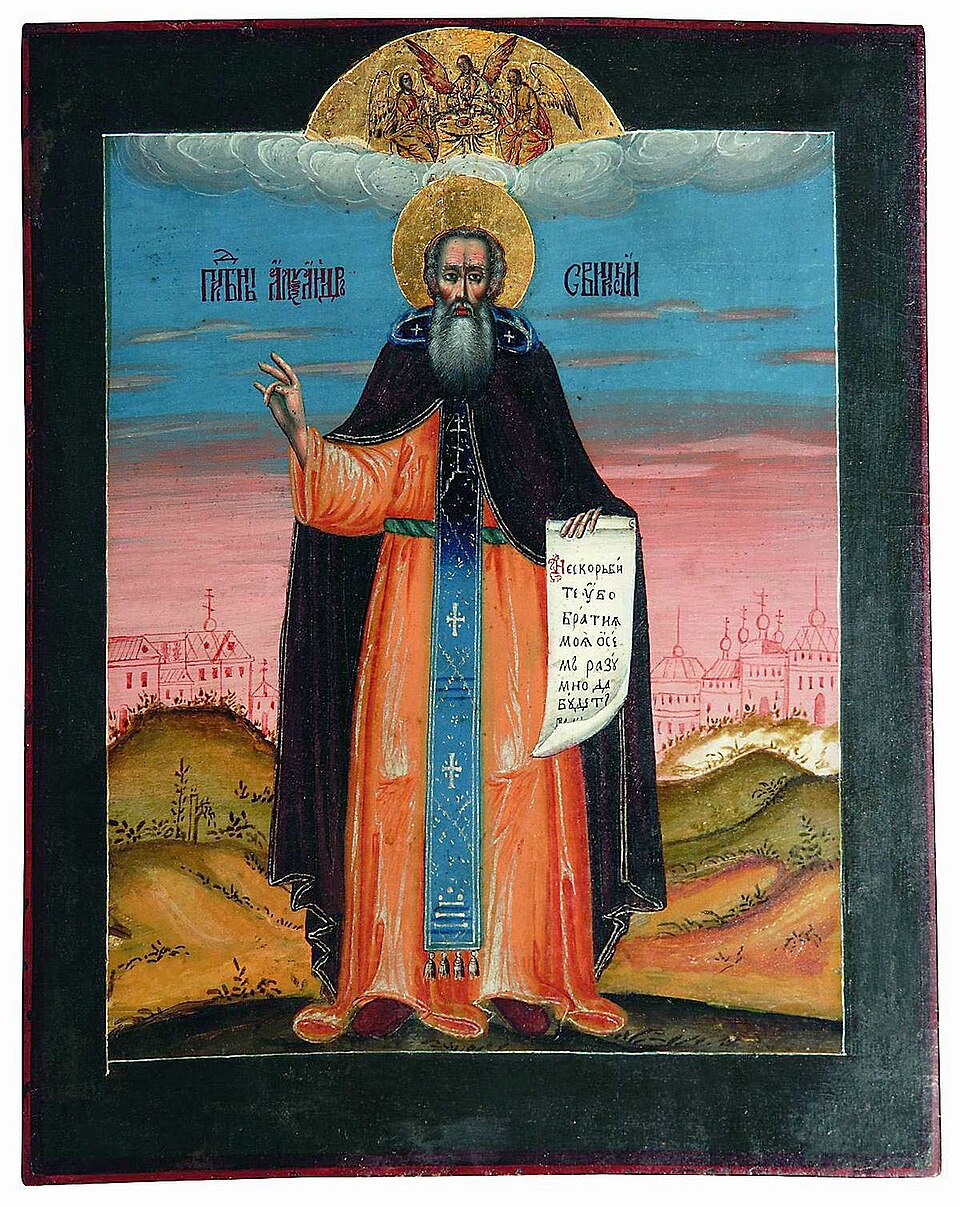
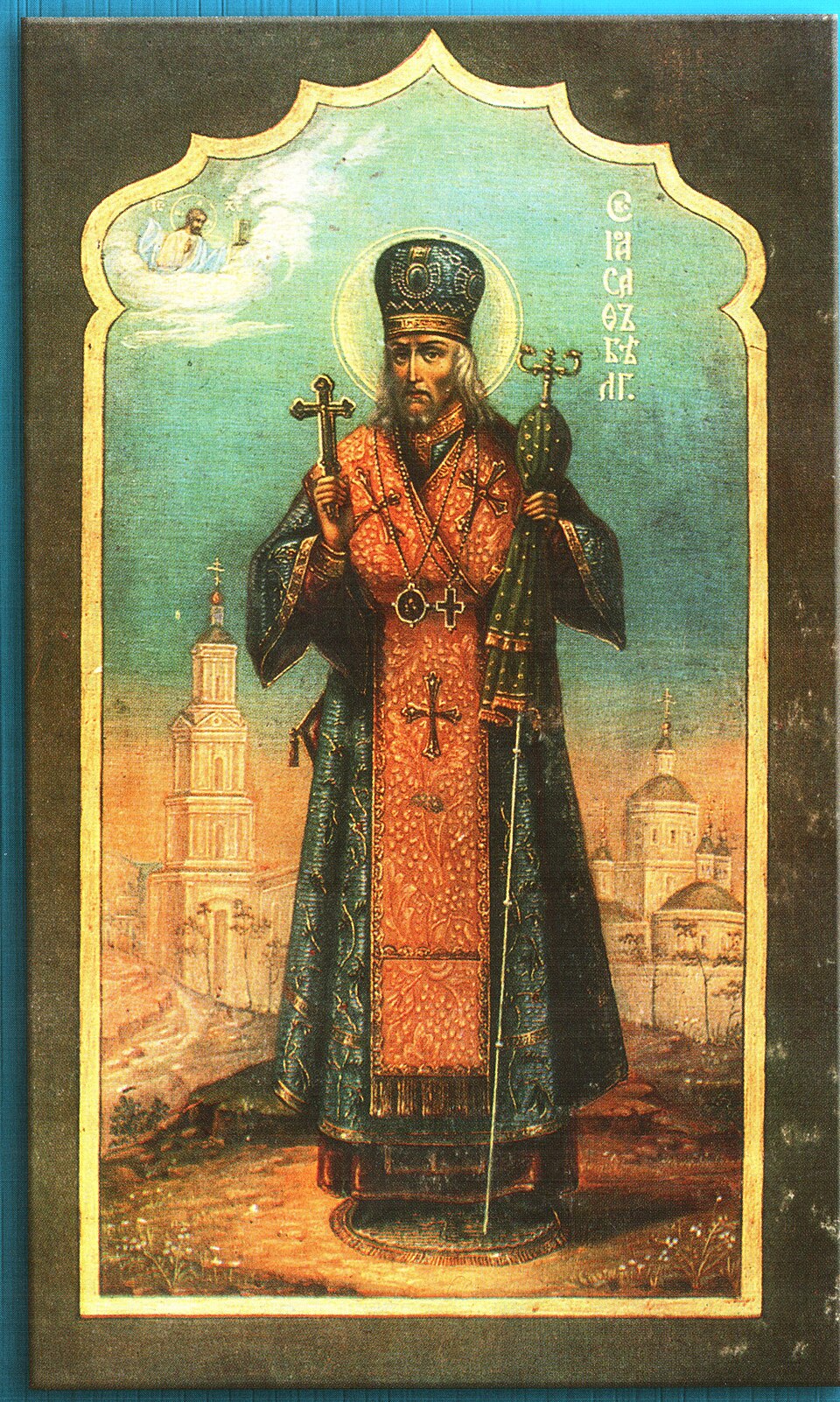
Saint Joasaph of Belgorod, born Ioakim Andreevitch Gorlenko in 1705, hailed from a noble Cossack family in Poltava, then part of the Russian Empire. From a young age, Ioakim displayed a profound piety and an exceptional intellect, distinguishing himself in his studies at the Kiev Theological Academy. His formative years were marked by a deep spiritual hunger, which led him to embrace the monastic life at the age of 25, taking the name Joasaph in honor of Saint Joasaph of India. He quickly rose through the monastic ranks, serving as a hieromonk and later as abbot of several monasteries, including the renowned Transfiguration Monastery in Lubny. Throughout his early ministry, he was known for his strict asceticism, profound humility, and unwavering dedication to prayer, qualities that foreshadowed his future role as a shepherd of souls.
In 1748, Joasaph was consecrated Bishop of Belgorod and Oboyansk, a vast diocese encompassing numerous towns and villages. As bishop, he embarked on a tireless ministry characterized by fervent preaching, diligent administration, and boundless charity. He was particularly attentive to the needs of the poor, the sick, and the orphaned, establishing almshouses and schools, and personally distributing aid to those in distress. Bishop Joasaph was a staunch defender of Orthodox traditions, working to deepen the spiritual life of his flock through catechesis and the promotion of frequent confession and communion. He also tirelessly combated superstition and moral laxity, striving to instill a genuine Christian ethos in his diocese. Many miracles were attributed to his intercession during his lifetime, including healings and prophetic insights, further solidifying his reputation as a holy man.
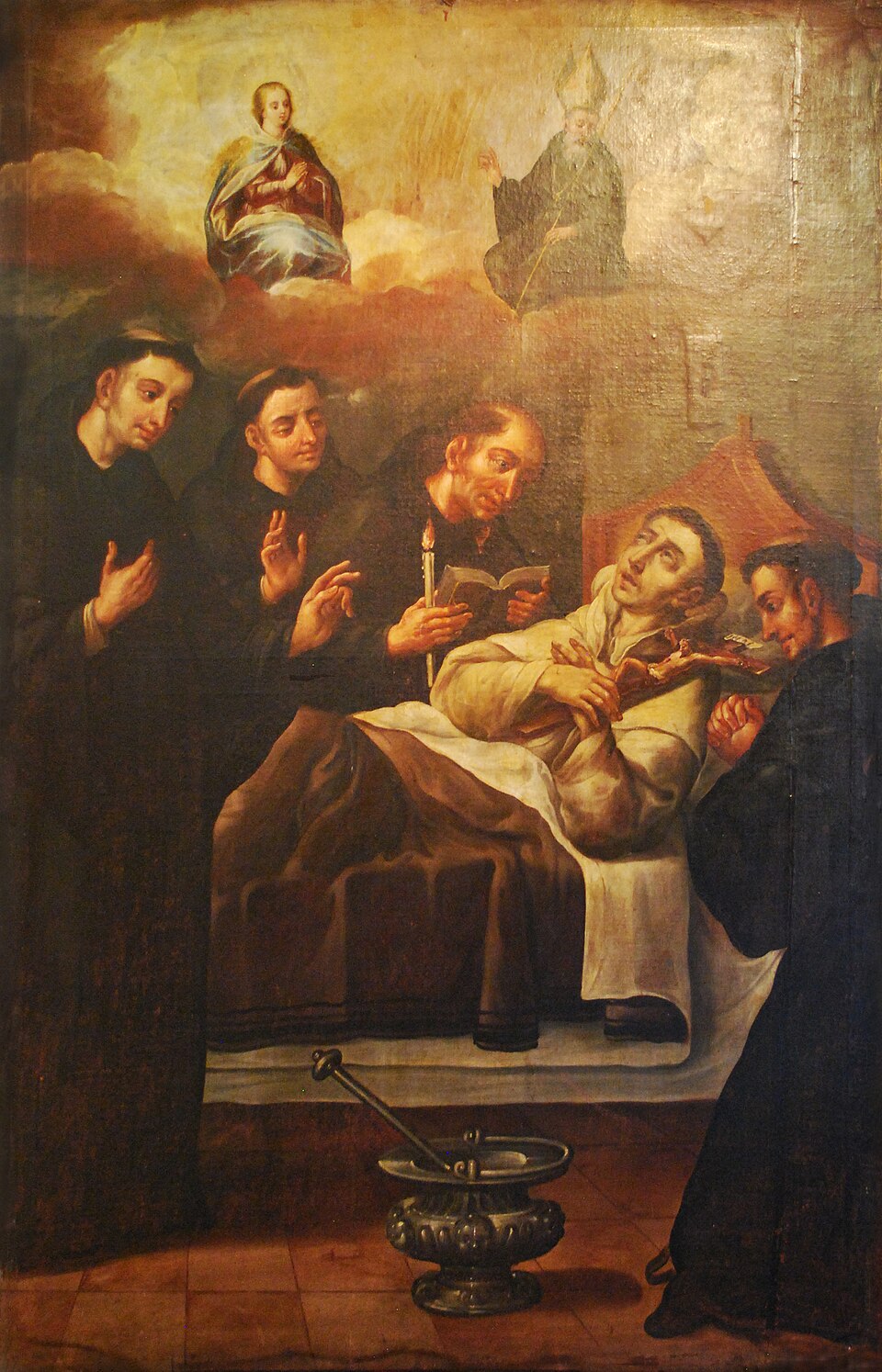
Saint Joasaph reposed peacefully in the Lord on December 10, 1754, at the age of 49. He was interred in the Belgorod Cathedral of the Holy Trinity. Over a century and a half later, in 1911, during renovations of the cathedral, his tomb was opened, and his body was discovered to be remarkably incorrupt, exuding a fragrant aroma. This miraculous preservation was seen as a divine sign of his sanctity. Despite the turbulent years of the Russian Revolution and subsequent Soviet persecution, his relics were preserved, though often in secret. Today, the incorrupt relics of Saint Joasaph are venerated in the Transfiguration Cathedral in Belgorod, where they continue to be a source of spiritual comfort and inspiration for countless pilgrims.
The canonization of Saint Joasaph in 1911 was a momentous event for the Russian Orthodox Church, affirming his profound holiness and the enduring power of his intercession. His legacy continues to resonate deeply within Orthodoxy, particularly in Russia, where he is revered as a patron of charity, a defender of the faith, and a model of episcopal virtue. Pilgrims from across Russia and beyond journey to Belgorod to venerate his incorrupt relics, seeking his prayers for healing, guidance, and spiritual strength. His life serves as a powerful reminder of the transformative power of faith and the enduring presence of God’s grace in the lives of His saints, continuing to inspire devotion and charitable works in his name.
Discovery
The remarkable journey of Saint Joasaph of Belgorod's incorrupt body began not at the moment of his death in 1754, but much later, in the early 20th century. Though initially interred within the Holy Trinity Cathedral of Belgorod, his resting place largely remained undisturbed for over a century and a half. It was on September 21, 1911, a date that would forever be etched in the annals of Orthodox veneration, that the first official exhumation and discovery of his incorrupt relics took place. This momentous event was not a casual undertaking but a carefully orchestrated ecclesiastical investigation, authorized by the Holy Synod of the Russian Orthodox Church. The impetus for this formal examination stemmed from a growing popular veneration of Bishop Joasaph, fueled by numerous reports of miraculous healings and spiritual interventions attributed to his intercession. As the faithful increasingly sought his prayers, the Church recognized the need to ascertain the state of his earthly remains. The exhumation was a solemn affair, attended by a commission of high-ranking clergy, including Archbishop Seraphim of Belgorod, numerous priests, and medical professionals, all meticulously documenting every stage of the process. Upon opening the coffin, an astonishing sight greeted those present: Bishop Joasaph's body, rather than having succumbed to the natural processes of decomposition, lay remarkably preserved. His vestments, though discolored by time, were intact, and his skin, though darkened, retained its form and texture. The immediate reaction was one of profound awe and reverence, a clear affirmation of his sanctity in the eyes of the Church and the faithful. This discovery, occurring just prior to the tumultuous events of the Russian Revolution, served as a powerful spiritual anchor for many, a testament to enduring faith amidst an increasingly uncertain world.
Following this initial discovery, the incorrupt relics of Saint Joasaph embarked upon a complex and often perilous journey through the 20th century, a period marked by intense religious persecution in Russia. After the 1911 exhumation and subsequent glorification, his body was enshrined in a silver reliquary within the Transfiguration Cathedral in Belgorod, becoming a focal point of pilgrimage. However, the Bolshevik Revolution and the ensuing anti-religious campaigns posed a grave threat to all religious relics. In 1920, under the guise of "scientific examination," Soviet authorities seized the relics, subjecting them to public display in a museum of atheism, a calculated attempt to desacralize and discredit religious veneration. During this period, the body was reportedly subjected to various examinations, though details are scarce and often politically motivated. Despite these indignities, the relics miraculously retained their state of preservation, an enduring testament to their extraordinary nature. For decades, the location of Saint Joasaph's body remained a mystery to the faithful, a source of profound sorrow and longing. It was only in 1988, amidst the thawing of Soviet religious policies, that the relics were rediscovered, found in the Museum of the History of Religion and Atheism in Leningrad (now St. Petersburg). This rediscovery, a moment of immense joy for the Orthodox Church, paved the way for their eventual return to Belgorod.
The preservation journey of Saint Joasaph's relics is a testament to both divine intervention and dedicated human care. After their rediscovery in 1988, the relics underwent a period of careful restoration and re-enshrinement. They were meticulously cleaned and placed in a new, ornate silver reliquary, designed to protect them while allowing for public veneration. Today, Saint Joasaph's incorrupt body rests within the Transfiguration Cathedral in Belgorod, the very city where he served as bishop. The reliquary is typically housed within a protective glass casket, allowing pilgrims to view the preserved remains. The environment within the reliquary is carefully controlled to maintain optimal conditions for preservation, minimizing exposure to light, humidity, and temperature fluctuations. The body itself, though centuries old, continues to exhibit remarkable flexibility, a phenomenon often observed in incorruptible saints. His hands and feet, in particular, are noted for their supple quality, defying the rigidity typically associated with death. This enduring flexibility, coupled with the absence of putrefaction and the preservation of his facial features, continues to inspire profound devotion and wonder among the faithful who come to venerate him. The reverence with which his relics are treated reflects a deep understanding of their spiritual significance, not merely as historical artifacts, but as tangible connections to a life lived in profound holiness and devotion to God.
Spiritual Significance
The phenomenon of incorruption, particularly as exemplified by figures like Saint Joasaph of Belgorod, holds profound theological significance within the Catholic tradition, even for saints canonized within the Eastern Orthodox Church, as the underlying principles of sanctity and divine grace transcend denominational boundaries. This miraculous preservation of the body, defying natural processes of decay, serves as a powerful testament to the sanctity of the individual and the indwelling of the Holy Spirit. Saint Paul's assertion in 1 Corinthians 6:19, that our bodies are temples of the Holy Spirit, finds a tangible echo in incorruption. It suggests a profound sanctification of the physical form during life, a holiness so deep that it imbues the very flesh with a lasting integrity, even after death. For Saint Joasaph, whose life was marked by rigorous asceticism and unwavering devotion, his incorrupt body is interpreted not merely as a biological anomaly, but as a divine affirmation of his profound union with Christ. It foreshadows the resurrection of the body, a central tenet of Christian faith, offering a glimpse into the glorified state of those who have faithfully served God. This miraculous preservation also reinforces the doctrine of the communion of saints, demonstrating that even in death, the saints remain active participants in the life of the Church, their earthly remains serving as a sacred conduit for divine grace and a visible sign of their enduring presence among the faithful.
Saint Joasaph of Belgorod's spiritual journey was characterized by a unique charism centered on profound humility and an unyielding commitment to pastoral care, especially for the poor and marginalized. His early life, steeped in the intellectual rigor of the Kiev Theological Academy, was quickly tempered by a deep spiritual hunger that led him to embrace the monastic life, a path he pursued with exemplary zeal. As an abbot, he was renowned not for his authority, but for his servant leadership, often performing the most menial tasks himself and prioritizing the spiritual well-being of his monks above all else. His heroic virtues included an extraordinary charity, manifested in his tireless efforts to alleviate suffering and his generous distribution of alms, often at personal sacrifice. He was a beacon of obedience, faithfully executing his episcopal duties even amidst political turmoil and personal hardship. His quiet mysticism was evident in his deep prayer life and his profound theological insights, which he shared not through elaborate treatises, but through simple, heartfelt sermons that resonated with the common people. He contributed significantly to the spiritual tradition of Russian Orthodoxy through his emphasis on inner purification, compassionate service, and unwavering faith, embodying a practical holiness that was both deeply personal and outwardly transformative.
The devotion to Saint Joasaph of Belgorod has blossomed over the centuries, particularly within the Russian Orthodox Church, where he is revered as a powerful intercessor and a spiritual father. His patronage extends to the city of Belgorod and its inhabitants, who consider him their heavenly protector. Pilgrims from across Russia and beyond journey to the Transfiguration Cathedral in Belgorod, where his incorrupt body lies, to offer prayers, seek his intercession, and experience the palpable sense of his spiritual presence. The feast day of Saint Joasaph is celebrated with great solemnity, marked by special liturgical services, processions, and veneration of his relics. Many faithful engage in private prayers and novenas, seeking his guidance and healing. Visiting his shrine is often described as a deeply moving experience, a moment of profound connection to the sacred. The incorrupt body itself, visible to the faithful, serves as a focal point for prayer and contemplation, a tangible link to a life lived in exemplary holiness, inspiring awe and profound reverence in those who come to pay homage.
Countless miracles have been attributed to the intercession of Saint Joasaph of Belgorod, solidifying his place in the hearts of the faithful as a powerful conduit of divine grace. Documented healings from various ailments, both physical and spiritual, abound in the annals of his veneration. Stories of miraculous conversions, where individuals experienced profound spiritual awakenings after seeking his intercession, are also frequently recounted. Many pilgrims testify to answered prayers concerning family matters, professional challenges, and personal struggles, attributing these blessings to the saint's powerful advocacy before God. The incorrupt body itself has been a source of immense spiritual consolation. For those grappling with doubt or despair, the visible preservation of his earthly remains offers a tangible sign of God's power and the reality of the afterlife, reinforcing faith and instilling hope. The very presence of his relics is believed to radiate a spiritual energy that brings peace, comfort, and a renewed sense of God's loving presence to those who approach with faith and reverence.
Saint Joasaph of Belgorod's enduring message holds profound relevance for contemporary Catholics and seekers navigating a world often characterized by materialism, secularism, and spiritual disquiet. His life, marked by profound humility and selfless service, stands as a powerful challenge to the pervasive pursuit of worldly possessions and fleeting pleasures. In an age that often prioritizes individual achievement and self-gratification, Joasaph's example of self-emptying love and unwavering dedication to others offers a compelling alternative, reminding us that true fulfillment lies in union with God and service to our neighbors. His incorruption, a visible sign of divine favor, serves as a potent reminder of the sanctity of the human body and the eternal destiny that awaits those who live in accordance with God's will. It acts as a tangible bridge between the visible and invisible worlds, a concrete manifestation of the spiritual realities that often elude our modern, empirically driven minds. From his life, we learn the transformative power of prayer, the enduring value of virtue, and the profound truth that holiness is not an abstract concept, but a lived reality that can sanctify even our physical being, offering hope and inspiration for all who seek a deeper spiritual life.
AI summary
A plain-language overview generated from this page's source material. Always verify with primary sources.