Biography
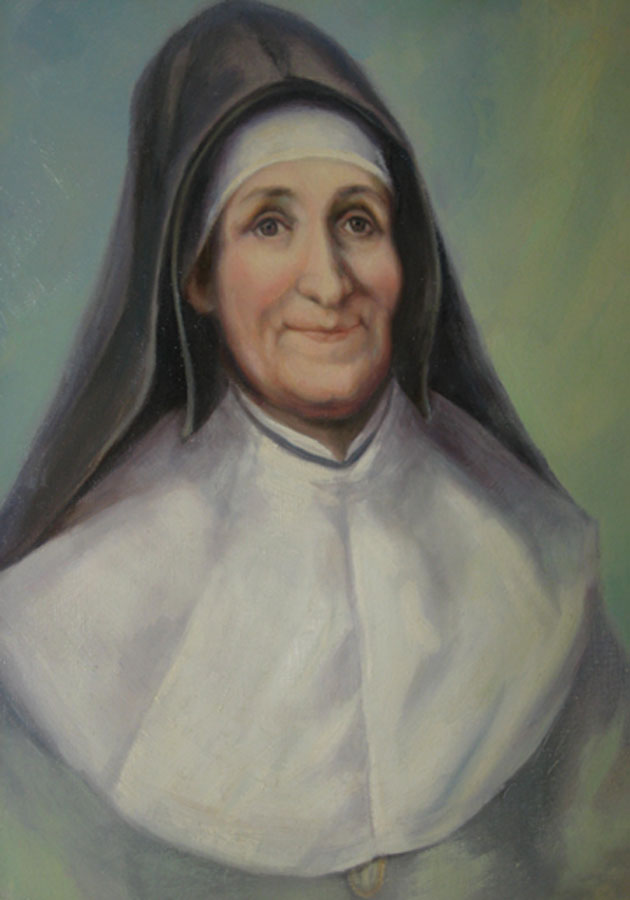
Saint Julie Billiart, born Marie-Rose Julie Billiart in Cuvilly, France, on July 12, 1751, was a woman whose life, though marked by profound suffering, blossomed into a testament of unwavering faith and boundless charity. From a tender age, Julie displayed an extraordinary piety and a keen intellect, often gathering her peers to teach them the catechism. Her family, prosperous farmers, provided a loving and devout home, but their fortunes were tragically reversed when bandits robbed her father, leading to financial ruin. This hardship, coupled with a mysterious paralytic illness that struck her at the age of 22, confined her to a bed for decades, rendering her almost completely immobile. Despite her physical limitations, Julie's spirit remained indomitable; she spent her days in prayer, communion with God, and instructing children who would gather at her bedside, earning her the affectionate title, "the saint in the armchair."
It was amidst the turmoil of the French Revolution, a period of intense persecution for the Church, that Julie's true vocation began to unfold. Guided by divine inspiration and a profound desire to serve God, she envisioned a religious congregation dedicated to the education of poor girls and the spiritual formation of young women. In 1803, miraculously cured of her paralysis after receiving Holy Communion, Julie, alongside her spiritual director, Father Joseph Varin, and her devoted companion, Françoise Blin de Bourdon, founded the Sisters of Notre Dame de Namur. Despite numerous challenges, including political upheaval and ecclesiastical opposition, Julie's unwavering trust in God and her profound love for the poor propelled the nascent community forward. She established schools, trained teachers, and instilled in her sisters a deep commitment to the spiritual and intellectual development of their students, emphasizing the goodness of God in all things.
Saint Julie Billiart passed away peacefully on April 8, 1816, in Namur, Belgium, surrounded by her beloved sisters. Her death, though a source of sorrow for her congregation, was also a moment of profound grace. When her body was exhumed for canonical inspection years later, it was found to be remarkably preserved, a testament to her sanctity and the enduring power of God's grace. Her incorrupt body, a tangible sign of her holiness, rests today in the motherhouse of the Sisters of Notre Dame de Namur in Namur, Belgium, a place of pilgrimage and veneration for countless faithful.
The legacy of Saint Julie Billiart continues to flourish through the Sisters of Notre Dame de Namur, who, inspired by her charism, serve in educational and social ministries across the globe. Her canonization by Pope Paul VI in 1969 solidified her place among the Church's most revered saints. Pilgrims visiting Namur can experience the profound spirituality of Saint Julie by praying at her tomb, reflecting on her life of suffering transformed into service, and drawing inspiration from her unwavering faith. Her life remains a powerful reminder that even in the face of immense adversity, with God's grace, one can achieve extraordinary things and leave an indelible mark on the world.
Discovery
The remarkable story of Saint Julie Billiart's incorrupt body begins not long after her death in 1816. The foundress of the Sisters of Notre Dame de Namur, a woman whose life was a testament to enduring faith despite immense physical suffering, was initially interred in the convent cemetery in Namur, Belgium, a humble resting place befitting her profound humility. It was in 1842, twenty-six years after her passing, that the first exhumation took place. This event was not driven by a premonition of incorruption, but rather by the practical need to relocate the remains of the venerated foundress to a more prominent and accessible crypt within the convent chapel, a common practice for holy individuals whose intercessory power was increasingly recognized. The exhumation was a solemn affair, attended by the Sisters of Notre Dame de Namur, the local ecclesiastical authorities, and a physician to ensure proper procedure. As the earth was carefully removed and the coffin gently opened, a collective gasp reportedly filled the air. There, instead of the skeletal remains typically expected after nearly three decades, lay the body of Mother Julie, remarkably preserved. Her flesh, though somewhat discolored by the burial environment, remained supple, and her features, though softened by time, were still distinctly recognizable. The immediate reaction was one of profound awe and reverence, a clear sign to those present that God had indeed worked a miracle in preserving His faithful servant. The physician, after a thorough examination, confirmed the extraordinary state of preservation, noting the absence of significant decomposition.
Following this initial discovery, the body of Saint Julie Billiart underwent further examinations, each confirming the miraculous state of its preservation. A second, more detailed examination was conducted in 1906, during the process of her beatification. This time, the body was carefully observed by a panel of medical experts and ecclesiastical officials. Their findings corroborated the earlier observations: the tissues remained remarkably intact, and there was no evidence of the natural decay that should have occurred over such an extended period. The body’s flexibility was noted, a characteristic often associated with incorruptibility, and while some desiccation was evident, it was far less than anticipated. These examinations were crucial in validating the claims of incorruption, providing scientific and ecclesiastical confirmation of the phenomenon. In 1920, when Mother Julie was canonized, her incorrupt body became a powerful testament to her sanctity, drawing pilgrims from across the globe. Each subsequent viewing and examination over the decades has consistently reaffirmed the extraordinary preservation, solidifying her place among the ranks of the incorruptible saints.
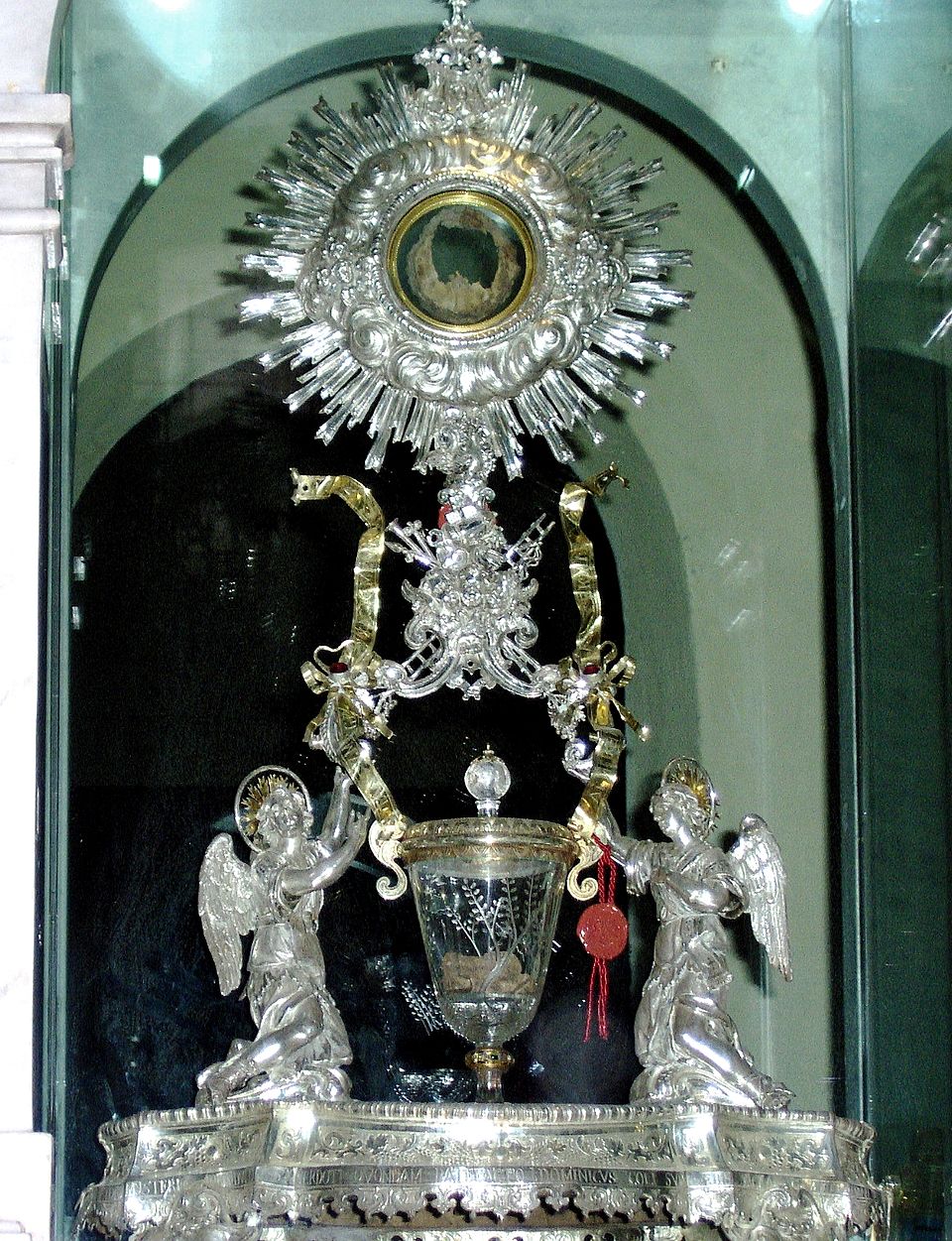
The journey of Saint Julie Billiart's incorrupt body from its initial burial to its current venerated display is a testament to the care and reverence bestowed upon it. After the 1842 exhumation, the body was carefully cleaned and then clothed in the habit of her order. It was then placed in a new, more ornate coffin and reinterred in the crypt of the convent chapel, allowing the sisters and pilgrims to visit and pray before her sacred remains. In the early 20th century, as her cause for beatification and canonization progressed, a more permanent and protective display became necessary. The body was eventually encased in a glass reliquary, allowing for public veneration while simultaneously protecting it from environmental degradation. This reliquary is now prominently displayed in the chapel of the Sisters of Notre Dame de Namur in Namur, Belgium. The glass casing is hermetically sealed to maintain a stable internal environment, controlling humidity and temperature to prevent any further deterioration. The sisters continue to maintain a vigil of prayer and care around her resting place, ensuring its continued preservation and accessibility for the faithful.
While the primary miracle associated with Saint Julie Billiart's body is its incorruption, there have been other subtle yet remarkable details reported over the years. Although not exhibiting phenomena such as the flowing of oil or the emission of a sweet fragrance, which are sometimes associated with other incorruptibles, the sheer resistance of her body to the natural processes of decay is itself a profound marvel. The consistent reports of its flexibility during examinations, even after decades in the earth, stand as a testament to an enduring vitality beyond natural explanation. Furthermore, the absence of any significant putrefaction, despite the initial burial conditions, speaks volumes. The body has remained remarkably stable, defying the scientific expectations for organic matter over such an extended period. These subtle yet persistent details, meticulously documented by those who have witnessed and examined her remains, collectively contribute to the profound spiritual significance of Saint Julie Billiart's incorrupt body, serving as a constant source of inspiration and a tangible reminder of God's power and grace.
Scientific Analysis
The phenomenon of apparent incorruption, as observed in the remains of Saint Julie Billiart, presents a compelling subject for scientific inquiry, particularly given its historical context and the reported state of preservation. Records indicate that her body has undergone several examinations since her death in 1816. While precise, detailed medical reports from the early 19th century are often less comprehensive than modern forensic analyses, historical accounts suggest that initial observations noted an unusual degree of preservation. Following her death, her remains were interred, and subsequent exhumations, particularly one in 1906 in preparation for her beatification, provided opportunities for closer inspection. During this 1906 examination, conducted by ecclesiastical authorities and medical professionals, it was reported that her body, though desiccated, retained a remarkable degree of flexibility in the joints and a discernible appearance of her facial features, a condition inconsistent with typical decomposition over such an extended period. Further examinations, though less formally documented in publicly accessible scientific literature, are understood to have occurred in the decades leading up to her canonization in 1969, each reportedly reaffirming the unusual state of preservation. These examinations, while not always meeting contemporary forensic standards for detailed tissue analysis or imaging, consistently noted the absence of advanced putrefaction and the persistence of soft tissue structures beyond what would be expected. The identities of all medical professionals involved in these historical examinations are not consistently recorded in publicly available scientific archives, but their findings, as reported through ecclesiastical channels, consistently describe a state of preservation that defied immediate natural explanation.
The scientific remarkable aspect of Saint Julie Billiart's case lies in the reported defiance of typical post-mortem decomposition processes. After death, the human body typically undergoes a predictable sequence of changes: autolysis, putrefaction, and ultimately, skeletalization. These processes are driven by internal enzymes and external microbial activity, leading to the breakdown of tissues. Environmental factors such as temperature, humidity, and the presence of oxygen significantly influence the rate and extent of decomposition. Saint Julie Billiart was interred in a traditional manner, and there is no historical record or physical evidence suggesting any deliberate embalming or sophisticated preservation treatments that would be capable of maintaining soft tissue integrity for over a century. The local climate in Namur, Belgium, characterized by temperate conditions, would typically promote decomposition rather than inhibit it to such an extent. While certain burial conditions, such as extremely dry, cold, or anoxic environments, can naturally slow decomposition, the reported conditions of her interment do not align with these extreme scenarios. The persistence of flexible joints and recognizable facial features, as described in historical accounts, challenges the conventional understanding of taphonomy, the study of how organisms decay and become fossilized. The absence of significant adipocere formation (grave wax), which can preserve body contours but typically results in a waxy, brittle texture, further distinguishes this case from other forms of natural preservation. The reported state of preservation, therefore, presents a scientific enigma, defying the expected outcomes of natural post-mortem processes under ordinary burial conditions.
Various natural explanations have been proposed for instances of apparent incorruption, including saponification (adipocere formation), mummification, or preservation due to specific environmental conditions. However, in the case of Saint Julie Billiart, these explanations appear to fall short. Adipocere formation typically occurs in wet, anaerobic environments and results in a soap-like substance that replaces fatty tissues, often preserving the general body shape but not the suppleness or detailed facial features reportedly observed. Mummification, on the other hand, requires extremely dry conditions that desiccate tissues rapidly, preventing microbial growth. The climate and burial conditions in Namur are not conducive to natural mummification. Skeptics often attribute such cases to misinterpretation of natural processes, the effects of desiccation over time, or even deliberate, though unrecorded, preservation efforts. While desiccation undoubtedly played a role in the overall preservation of her remains, the reported flexibility of joints and the retention of recognizable features after such a long period remain difficult to reconcile with simple desiccation alone. The absence of any documented embalming techniques capable of producing such long-term soft tissue preservation in the early 19th century further complicates purely naturalistic explanations. The scientific community, while acknowledging the potential for unusual environmental factors, often finds the reported details of incorruptibility challenging to explain within the established framework of taphonomy without more direct, modern forensic evidence.
From a modern scientific perspective, the case of Saint Julie Billiart’s incorruption presents an opportunity for advanced forensic investigation. While historical accounts provide valuable qualitative data, contemporary techniques could offer quantitative insights into the actual state of preservation. Non-invasive methods such as computed tomography (CT) scans could provide detailed imaging of internal structures, assessing the integrity of organs and tissues without disturbing the remains. Magnetic Resonance Imaging (MRI) could further differentiate soft tissues. Chemical analyses, including gas chromatography-mass spectrometry (GC-MS) or liquid chromatography-mass spectrometry (LC-MS), could identify residual organic compounds, potentially revealing the presence of unique preservation agents or unusual biochemical changes within the tissues. Carbon dating could precisely confirm the age of the remains, while isotopic analysis might shed light on dietary or environmental factors during her life. Microbiological analysis of any remaining tissues or burial soil could identify specific microbial communities that might have played a role in either preservation or degradation. The application of these modern techniques, if permitted, could potentially distinguish between natural desiccation, unique environmental interactions, or other unknown factors. Without such direct scientific examination, the phenomenon remains largely in the realm of historical anecdote and religious tradition, presenting an intriguing challenge for the scientific understanding of post-mortem processes and the limits of natural decomposition. The unanswered questions pertain to the precise chemical and physical state of the preserved tissues, the exact environmental conditions of her burial over two centuries, and the specific mechanisms that could account for such an unusual degree of preservation.
Spiritual Significance
The enduring phenomenon of incorruption, particularly as exemplified by figures like Saint Julie Billiart, offers a profound theological statement within the Catholic tradition, speaking directly to the sanctity of the human body and the promise of resurrection. For centuries, the Church has viewed the preservation of certain saints' bodies from natural decay as a miraculous sign, a tangible affirmation of divine favor and the power of grace. It is not merely a biological anomaly but a spiritual signpost, reminding us that the body, far from being a mere vessel, is indeed a "temple of the Holy Spirit," as articulated in 1 Corinthians 6:19. In Julie Billiart's case, her incorrupt remains, resting in Namur, Belgium, serve as a visible testament to her extraordinary holiness and her intimate union with Christ. This preservation underscores the Catholic doctrine of the resurrection of the body, offering a prefigurement of the glorified state awaiting the faithful. It reinforces the communion of saints, bridging the gap between the Church militant on earth and the Church triumphant in heaven, demonstrating that death does not sever the bond of love and intercession. The Church interprets such incorruption not as a prerequisite for sanctity, but as a divine seal, a unique manifestation of God's power working through His chosen ones, inviting deeper reflection on the eternal destiny of humanity and the transformative power of divine love.
Saint Julie Billiart's life, despite its profound physical limitations, was a radiant tapestry woven with heroic virtues and a unique spiritual charism. Her particular gift lay in an unwavering, almost mystical, trust in God's providence, even amidst decades of debilitating paralysis. This profound faith fueled an extraordinary charity, as she transformed her sickbed into a spiritual powerhouse, offering counsel, comfort, and catechism to all who sought her out. Her humility was evident in her acceptance of her suffering, never allowing it to diminish her fervent spirit or her desire to serve God and neighbor. Obedience to God's will, even when it seemed inscrutable, marked her every decision. Her mysticism was not one of dramatic ecstasies, but rather a deep, abiding interior union with Christ, which she shared through her simple yet profound teachings. She contributed significantly to the spiritual tradition of active contemplation, demonstrating that profound spiritual life is possible even in the most challenging external circumstances. Her founding of the Sisters of Notre Dame de Namur, an order dedicated to the education of girls, particularly the poor, stands as a monumental testament to her enduring charism of faith, charity, and an unshakeable belief in the transformative power of Christian education, all born from a life seemingly constrained by physical infirmity.
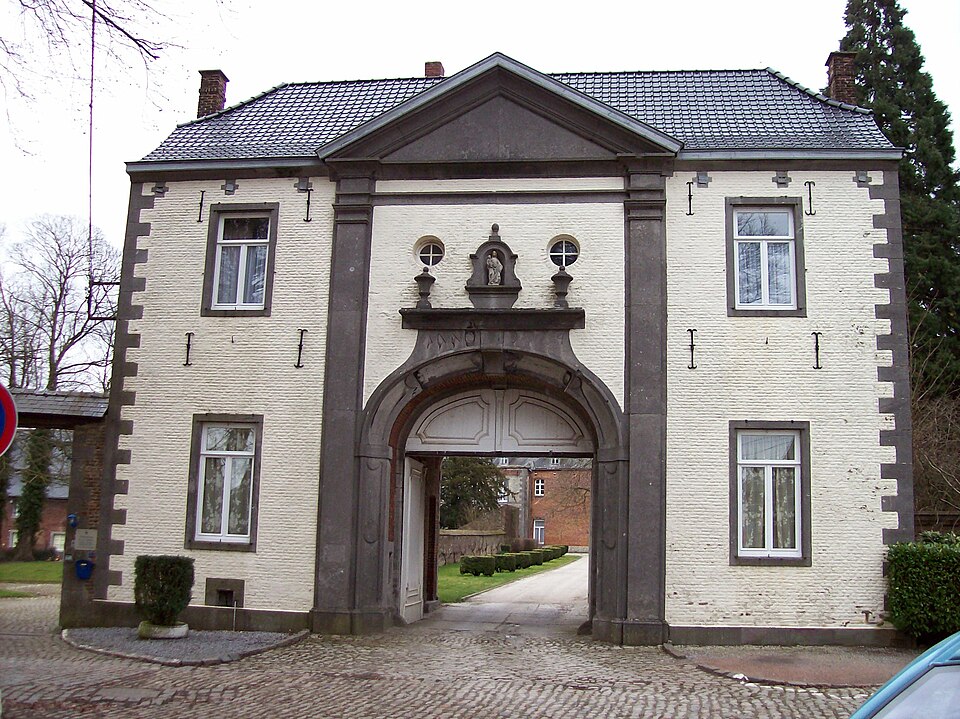
Devotion to Saint Julie Billiart has flourished since her death in 1816, evolving from local reverence to a global veneration, particularly within the educational sphere. As the foundress of the Sisters of Notre Dame de Namur, her spiritual daughters have been instrumental in spreading her story and charism across continents. She is widely invoked as a patroness of the sick, those suffering from paralysis, and educators, reflecting the defining aspects of her life. Pilgrims today journey to the Convent of the Sisters of Notre Dame de Namur in Namur, Belgium, to visit her incorrupt body, which rests in a glass reliquary. The experience of visiting her shrine is often described as one of profound peace and inspiration. Many come to pray for healing, guidance, or simply to draw strength from her enduring presence. The atmosphere is one of quiet reverence, where the tangible reality of her preserved body serves as a powerful focal point for prayer and reflection. While specific novenas or prayers are often associated with the Sisters of Notre Dame de Namur, the faithful frequently offer personal petitions, seeking her intercession for their own struggles, finding solace and renewed hope in the silent witness of her incorrupt remains, a testament to a life lived entirely for God.
The incorrupt body of Saint Julie Billiart itself has been a source of immense spiritual consolation for the faithful, serving as a silent, yet eloquent, witness to the power of God's grace. Beyond the miraculous preservation of her physical form, numerous miracles have been attributed to her intercession throughout the centuries. These range from documented physical healings of the sick, mirroring her own life of suffering and eventual restoration, to profound spiritual conversions and answered prayers for those facing seemingly insurmountable challenges. Many who visit her shrine or invoke her name report a tangible sense of peace and renewed faith. The very existence of her incorrupt body acts as a continuous miracle, a visible sign that God continues to work wonders through His saints. For those grappling with doubt or despair, the sight of her preserved remains offers a powerful affirmation of the supernatural, a concrete bridge between the earthly and the divine. Her intercession is particularly sought by those in the teaching profession, as well as by individuals enduring chronic illness, finding in her life a model of perseverance and trust in divine providence, and in her incorrupt body, a beacon of hope.
Saint Julie Billiart's enduring message holds profound relevance for contemporary Catholics and seekers alike, offering a compelling counter-narrative to modern materialism and secularism. Her life, marked by extreme physical suffering and yet overflowing with spiritual fruitfulness, challenges the prevailing notion that worth is measured by physical prowess or worldly success. She teaches us that true strength lies not in outward ability, but in an interior surrender to God's will and an unshakeable faith. In a world often consumed by instant gratification and superficiality, Julie's decades of patient endurance and unwavering commitment to her mission remind us of the transformative power of perseverance and the profound joy found in selfless service. Her incorruption serves as a tangible bridge between the visible and invisible worlds, a powerful reminder that there is more to existence than what meets the eye, and that the spiritual realm is profoundly real and impactful. Modern believers can learn from her example that even in the most constrained circumstances, one can live a life of extraordinary purpose and holiness, demonstrating that divine grace can elevate and transform even the most ordinary of lives into a sacred wonder, inspiring us to seek deeper meaning and connection in our own spiritual journeys.
AI summary
A plain-language overview generated from this page's source material. Always verify with primary sources.