Biography
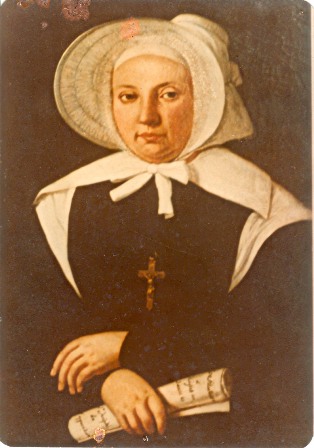
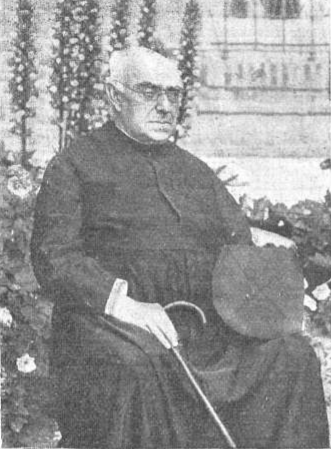
Born Pierre-Julien Eymard on February 4, 1811, in La Mure d'Isère, France, Saint Peter Julian was the ninth child of a devout cooper, Julian Eymard, and his pious wife, Madeleine Pelorce. From a tender age, Peter Julian exhibited a profound spiritual inclination, often found kneeling in prayer before the Blessed Sacrament. His early life was marked by a deep devotion to the Eucharist, a fervor that would define his entire existence. Despite his father's initial reluctance for him to pursue the priesthood, Peter Julian persevered, enduring ill health and financial hardship to enter the seminary. His formative years were spent cultivating an intense interior life, nourished by frequent reception of Holy Communion and a growing understanding of the Real Presence of Christ in the Eucharist.
After his ordination in 1834, Father Eymard served as a zealous parish priest for five years before joining the Marist Fathers in 1839. Within the Marist congregation, he distinguished himself through his administrative skills and his fervent preaching, particularly on the Blessed Sacrament. However, a burning desire to dedicate his life entirely to Eucharistic adoration and to foster its renewal among the faithful led him to discern a new path. In 1856, with the blessing of Pope Pius IX, he founded the Congregation of the Blessed Sacrament for men, and two years later, the Servants of the Blessed Sacrament for women. These new orders were revolutionary in their singular focus on perpetual adoration of the Blessed Sacrament, aiming to make Christ in the Eucharist the center of all spiritual life and apostolic activity. He tirelessly promoted frequent communion, Eucharistic congresses, and the spiritual benefits of adoration, becoming known as the "Apostle of the Eucharist."
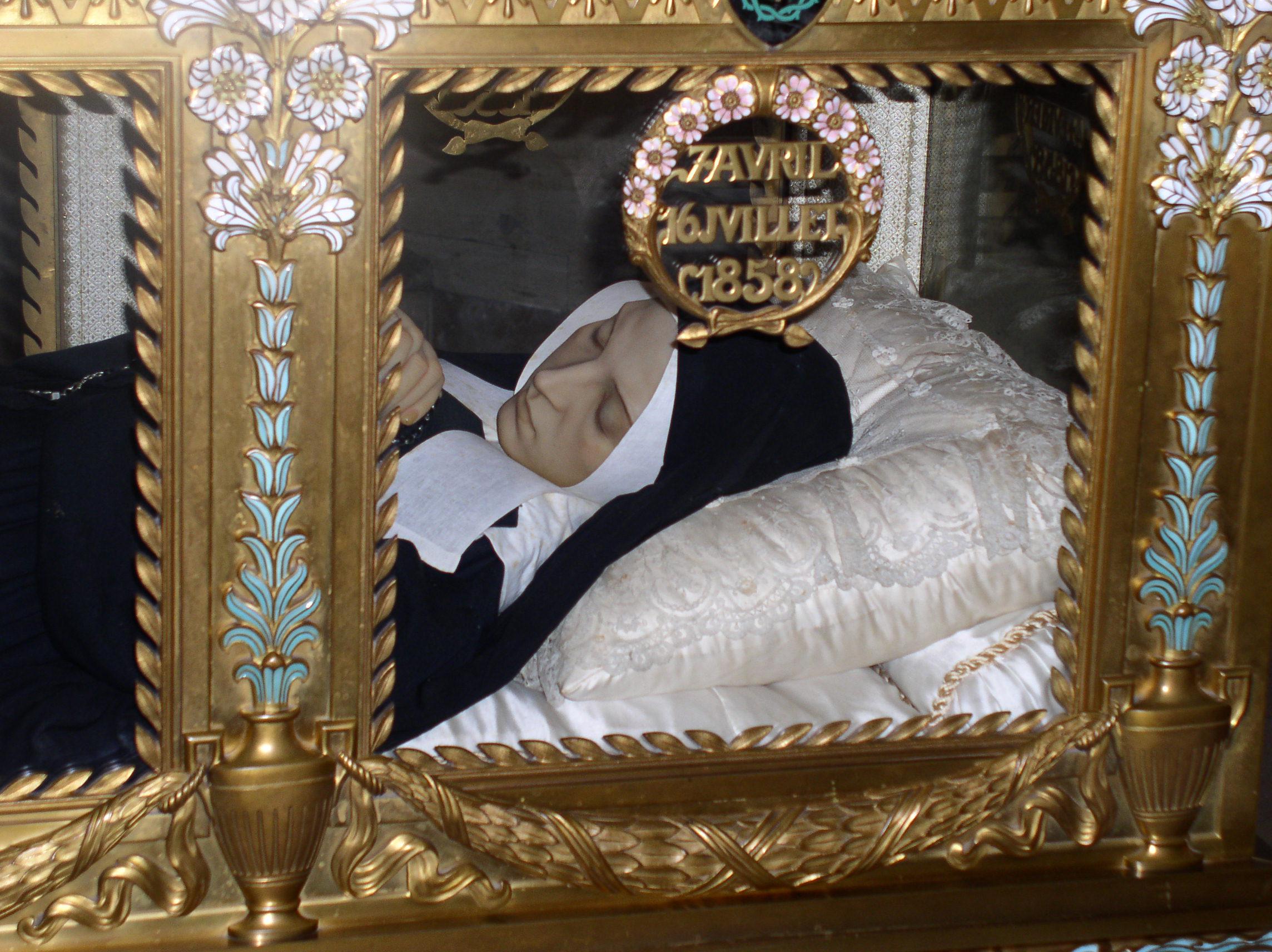
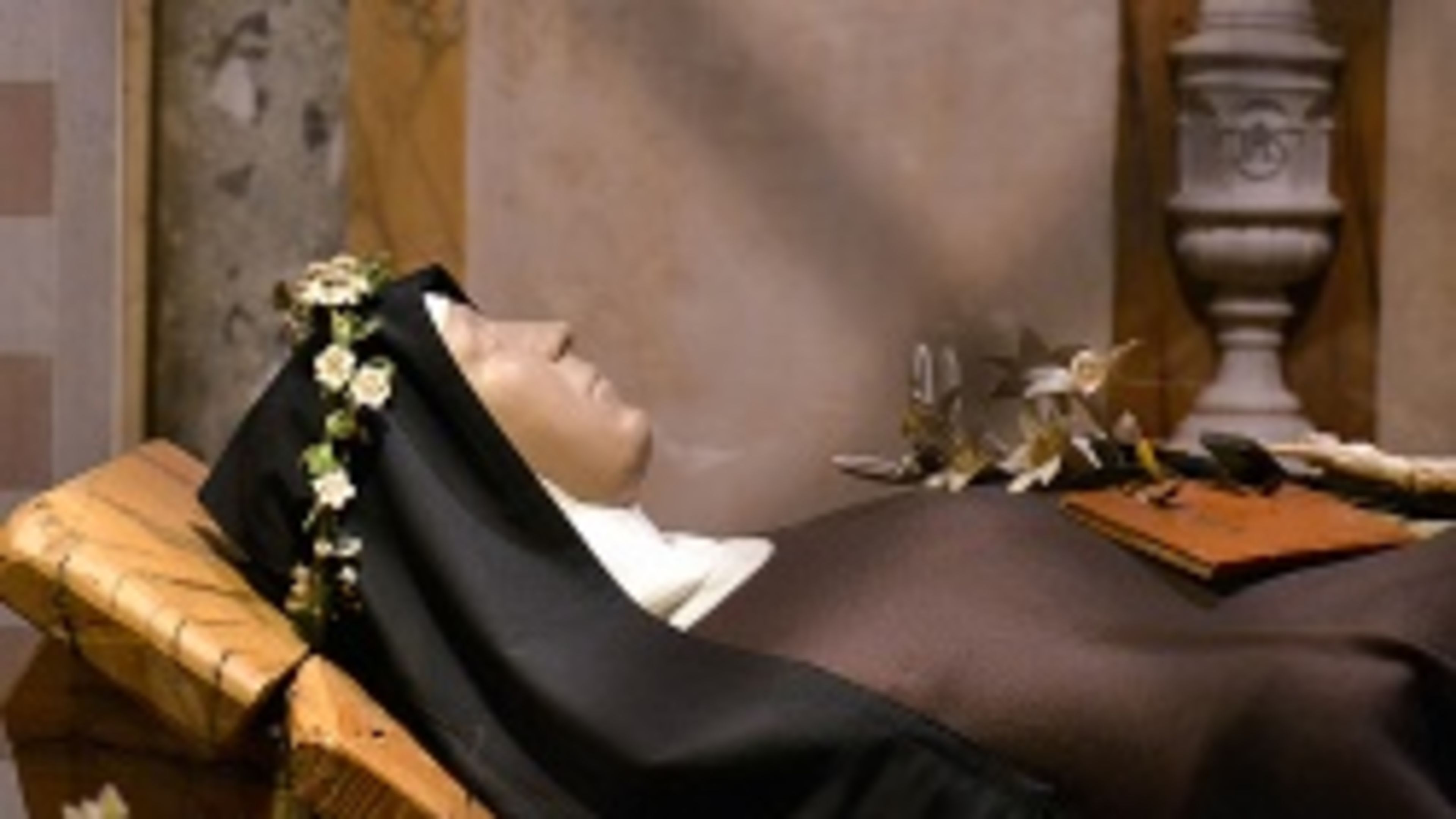
Saint Peter Julian Eymard's earthly journey concluded on August 1, 1868, in his hometown of La Mure, after a life spent in tireless service to the Eucharistic Christ. His passing was marked by a deep sense of peace and resignation. When his tomb was opened for canonical inspection many years later, his body was found to be remarkably preserved, a testament to his sanctity and his profound connection to the divine. Today, his incorrupt body rests in the Chapel of the Blessed Sacrament in La Mure, France, a sacred pilgrimage site for those seeking to deepen their devotion to the Eucharist.
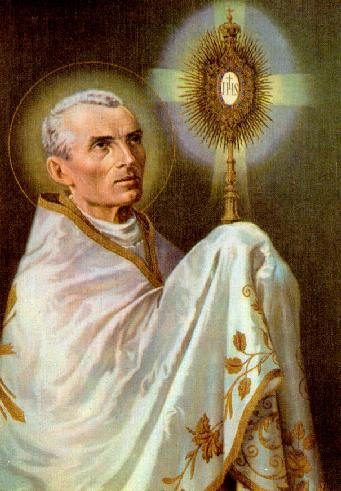
His lasting legacy is immense, profoundly influencing the Church's understanding and practice of Eucharistic adoration. Canonized by Pope John XXIII in 1962, Saint Peter Julian Eymard is revered as a patron of Eucharistic adorers and a powerful intercessor for all who seek to draw closer to Christ in the Blessed Sacrament. Pilgrims visiting La Mure can venerate his incorrupt body, reflect on his life of unwavering faith, and participate in the perpetual adoration that continues to this day in the very congregation he founded, a living testament to his enduring vision and the transformative power of the Eucharist.
Discovery
The remarkable story of Saint Peter Julian Eymard's incorruptibility begins not immediately after his death in 1868, but rather with a series of exhumations that revealed the extraordinary preservation of his earthly remains. The first official exhumation occurred on May 12, 1877, nine years after his passing. This event was prompted by the desire to transfer his body from the parish cemetery in La Mure, where he had been initially interred, to the chapel of the Congregation of the Blessed Sacrament in the same town, a community he himself had founded. Present at this momentous occasion were ecclesiastical authorities, medical professionals, and members of his religious order. As the coffin was opened, a collective gasp reportedly filled the air. Witnesses observed that the body, though interred for nearly a decade, showed no signs of decomposition. His skin retained a natural color, his features were recognizable, and his limbs remained supple, defying the natural laws of decay. The immediate reaction was one of profound awe and reverence, with many attributing this miraculous preservation to his saintly life and profound devotion to the Eucharist.
Subsequent examinations further solidified the conviction of his incorruptibility. A second exhumation took place on September 12, 1892, twenty-four years after his death, in preparation for his beatification process. Once again, the body was found to be remarkably preserved. Medical experts meticulously documented their findings, noting the continued flexibility of his joints and the absence of any significant putrefaction. The skin, though slightly darker, still adhered naturally to the underlying tissues. This consistent state of preservation over decades, despite varying environmental conditions within the tomb, was a source of great wonder and a significant factor in advancing his cause for sainthood. Later, in 1925, during the final stages of his beatification, another examination confirmed the enduring integrity of his remains. Each exhumation served not only to verify the miraculous state of his body but also to deepen the devotion of the faithful to this apostle of the Eucharist.
The preservation journey of Saint Peter Julian Eymard's body has been one of careful veneration and respectful display. Following the initial exhumations, his body was placed in a specially constructed reliquary within the chapel of the Congregation of the Blessed Sacrament in La Mure. To ensure its continued protection and allow for public veneration, the body was eventually encased in a glass casket. This transparent enclosure permits pilgrims to gaze upon his remarkably preserved form while shielding it from environmental degradation. The casket itself is a work of art, often adorned with symbols of the Eucharist, reflecting his life's singular mission. Today, his incorrupt body rests in the Basilica of Saint Peter Julian Eymard in La Mure, France, a place of pilgrimage for those seeking inspiration from his life and intercession. The controlled environment within the reliquary, combined with the inherent properties of his miraculous preservation, has ensured that his body remains a powerful testament to his sanctity.
Among the remarkable details associated with Saint Peter Julian Eymard's incorrupt body is the consistent observation of its flexibility, even decades after death. Unlike typical cadavers that become rigid and brittle, witnesses repeatedly noted the suppleness of his limbs during exhumations. While there are no widely documented accounts of phenomena such as sweet fragrances, bleeding, or oil exuding from his body, the sheer resistance to decay in ordinary burial conditions is itself a profound marvel. The absence of putrefaction, the retention of natural skin color and texture, and the enduring integrity of his features stand as a testament to a divine intervention that transcends natural processes. This enduring incorruptibility serves as a powerful visual sermon, reminding the faithful of the sanctity of life and the potential for grace to manifest in extraordinary ways, even after the cessation of earthly existence.
Scientific Analysis
The phenomenon of apparent incorruption, particularly as observed in the remains attributed to Saint Peter Julian Eymard, presents a compelling subject for scientific inquiry, challenging conventional understandings of post-mortem decomposition. Born in 1811 and passing away in 1868, Eymard's body is presently interred at the Basilica of Saint Peter Julian Eymard in La Mure, France. Accounts suggest a state of preservation that deviates significantly from the expected course of natural decay over a substantial period. While comprehensive, publicly accessible documentation of formal medical or scientific examinations on Eymard's remains is not as extensive as in some other reported cases of incorruption, historical records and anecdotal observations provide some insight. Typically, such examinations, when they occur, involve visual inspection by medical professionals, often physicians or pathologists, who assess the external appearance of the body, including skin integrity, flexibility of joints, and the absence of putrefaction. In cases where bodies are exhumed for canonical processes, ecclesiastical authorities often commission local medical practitioners to provide a formal report on the state of the remains. For Eymard, while specific names of examining physicians and dates of examination are not widely publicized in scientific literature, the continuous veneration of his body implies a consistent observation of its preserved state by religious authorities and, presumably, by medical professionals at various points during its translation or reinterment. These observations, though often qualitative, consistently report a remarkable degree of preservation, particularly concerning soft tissues, which are usually the first to succumb to decomposition.
The scientific mystery surrounding cases like Saint Peter Julian Eymard's lies in the apparent defiance of normal decomposition processes. Following death, the human body undergoes a series of predictable changes: autolysis, where enzymes break down cells; putrefaction, driven by bacterial activity; and eventual skeletonization. Environmental factors such as temperature, humidity, and the presence of oxygen significantly accelerate these processes. Given Eymard's death in 1868, over 150 years ago, and his burial in a conventional manner, one would anticipate complete skeletalization, with soft tissues having long since liquefied and decayed. The climate of La Mure, France, with its temperate characteristics, does not inherently possess extreme conditions (e.g., extreme dryness, cold, or anaerobic environments) that are naturally conducive to mummification or long-term preservation. Furthermore, there is no historical record or indication of deliberate embalming or sophisticated preservation treatments being applied at the time of his death, which would have been rudimentary at best in the mid-19th century compared to modern techniques. The absence of such interventions, coupled with the reported state of preservation, presents a significant anomaly. The body's reported flexibility, lack of putrefactive odors, and retention of natural coloration (though often darkened or altered) are features that are particularly difficult to reconcile with typical post-mortem changes.
Various natural explanations have been proposed for instances of apparent incorruption, including saponification (adipocere formation) and natural mummification. Saponification occurs when fatty tissues transform into a waxy, soap-like substance (adipocere) in specific anaerobic, moist environments, often in clay soils. While adipocere can preserve the general form of a body, it typically results in a very distinct, pale, and waxy appearance, often accompanied by a characteristic odor, and does not retain the supple texture or naturalistic features sometimes described in incorrupt bodies. Natural mummification, conversely, requires extremely dry or cold conditions that desiccate tissues rapidly, preventing bacterial growth. Neither of these processes fully accounts for the reported state of Eymard's body, particularly the preservation of internal organs or the reported flexibility of tissues, which are not characteristic outcomes of either adipocere formation or typical mummification. Skeptics often point to potential environmental factors that might have been overlooked, or to the possibility of undocumented preservation efforts, however rudimentary. They also highlight the subjective nature of historical accounts and the potential for post-mortem alterations or cosmetic treatments applied during exhumations for veneration, which could create an appearance of preservation where significant decay has, in fact, occurred. However, even with these considerations, the persistence of the phenomenon across multiple exhumations and over extended periods remains a subject of scientific curiosity.
From a modern scientific perspective, the case of Saint Peter Julian Eymard, like other reported cases of incorruption, offers a unique opportunity for advanced forensic and anthropological investigation. While historical accounts provide a qualitative understanding, a comprehensive scientific study would involve a multi-modal approach. Modern techniques such as computed tomography (CT) scans could non-invasively assess the internal state of organs and skeletal structures, determining the extent of tissue preservation and identifying any internal anomalies. Carbon dating could precisely determine the age of the remains, confirming their identity. Tissue analysis, including histology and molecular biology, could identify the specific cellular and molecular changes that have occurred, potentially revealing unique biochemical processes or environmental interactions that have inhibited decomposition. For instance, the presence of specific microbial communities or unusual chemical compounds within the tissues could offer clues. The absence of such detailed scientific examinations, often due to religious sensitivities or the desire to maintain the sanctity of the remains, means that many questions about the precise mechanisms at play in these cases remain unanswered. Understanding these phenomena could potentially contribute to fields such as forensic taphonomy, pathology, and even the development of novel preservation techniques, bridging the gap between historical observation and empirical scientific understanding.
Spiritual Significance
The phenomenon of incorruption, particularly as exemplified by figures like Saint Peter Julian Eymard, stands as a profound testament within Catholic theology to the sanctity of the human body and the ultimate triumph over decay promised by Christ's resurrection. The Church understands the body as a temple of the Holy Spirit, as articulated in 1 Corinthians 6:19, a vessel consecrated by baptism and nourished by the Eucharist. When a saint's body remains miraculously preserved, it is not merely a biological anomaly but a divine signpost, pointing to the eschatological hope of the resurrection of the body, a core tenet of Catholic faith. For Saint Peter Julian, whose life was so intimately bound to the Blessed Sacrament and the Real Presence, his incorruption is interpreted as a special grace, a tangible affirmation of his profound reverence for Christ's body and blood, and a prefiguration of the glorified bodies awaiting all the faithful in heaven. It underscores the belief that even in death, the saints remain active members of the communion of saints, their physical remains serving as a powerful, silent sermon on the enduring power of grace.
Saint Peter Julian Eymard’s unique charism was unequivocally centered on the Eucharist. His entire spiritual journey, from childhood devotion to his foundational work with the Blessed Sacrament, was a living hymn to Christ’s Real Presence. He practiced heroic virtues of an intense and focused nature, particularly an unwavering faith in the Eucharist, which fueled his profound charity and tireless apostolic zeal. His humility was evident in his willingness to overcome personal ailments and societal obstacles to pursue his priestly vocation, always deferring to God's will. His life was a continuous act of adoration, a mystical communion with Christ in the tabernacle that translated into practical action, leading to the establishment of the Congregation of the Blessed Sacrament for men and the Servants of the Blessed Sacrament for women. He contributed significantly to the spiritual tradition of Eucharistic adoration, not merely as a private devotion but as a public, communal act of worship, emphasizing its transformative power for individuals and society. His way of holiness was a radical commitment to making the Eucharist the center of all life, a spiritual revolution rooted in profound contemplation.
Devotion to Saint Peter Julian Eymard has blossomed significantly since his death, particularly among those with a deep love for the Eucharist. His patronage extends to Eucharistic adorers, those seeking a deeper understanding of the Real Presence, and those involved in perpetual adoration. Pilgrims today flock to his resting place in the Basilica of Saint Peter Julian Eymard in La Mure, France, to venerate his incorrupt body. The experience of visiting his shrine is often described as one of profound peace and spiritual intimacy, a tangible connection to a saint whose life was a living prayer. Prayers and novenas dedicated to him often focus on increasing faith in the Eucharist, seeking intercession for vocations to religious life centered on adoration, and for a deeper personal relationship with Christ in the Blessed Sacrament. His feast day, August 1st, is celebrated with particular reverence by the congregations he founded and by Eucharistic communities worldwide, serving as a reminder of his enduring legacy and his powerful intercession.
Miracles attributed to Saint Peter Julian Eymard’s intercession are numerous, ranging from physical healings to profound spiritual conversions. Documented cases speak of inexplicable recoveries from severe illnesses and sudden transformations of heart, all attributed to his powerful intercession, especially when invoked before the Blessed Sacrament or in connection with his relics. The incorrupt body itself has been a source of immense spiritual consolation for the faithful, serving as a constant reminder of God's power and the sanctity achievable through a life dedicated to Christ. Many pilgrims report feeling a palpable sense of peace and divine presence in the vicinity of his remains, experiencing a renewal of faith and a deeper commitment to their spiritual lives. This tangible sign of grace reinforces the Catholic belief in the communion of saints, demonstrating that those who have passed into glory continue to intercede for us, their earthly remains sometimes serving as a conduit for God's miraculous power.
Saint Peter Julian Eymard’s enduring message for contemporary Catholics and seekers is profoundly relevant in an age often characterized by materialism and secularism. His life challenges the notion that spiritual depth is an outdated concept, demonstrating that a radical commitment to God can transform not only an individual but also society. In a world that often seeks immediate gratification and tangible results, his example of patient, prolonged adoration of the Eucharist offers a powerful antidote, inviting believers to find true fulfillment in the invisible yet real presence of Christ. People today can learn from his unwavering faith, his courage in establishing new religious congregations despite obstacles, and his profound understanding of the Eucharist as the source and summit of Christian life. His incorruption serves as a tangible bridge between the visible and invisible worlds, a physical sign of spiritual reality, reminding us that grace can permeate and transform even the physical body, offering a powerful witness to the ultimate triumph of life over death and the enduring power of God's love.
AI summary
A plain-language overview generated from this page's source material. Always verify with primary sources.