Biography
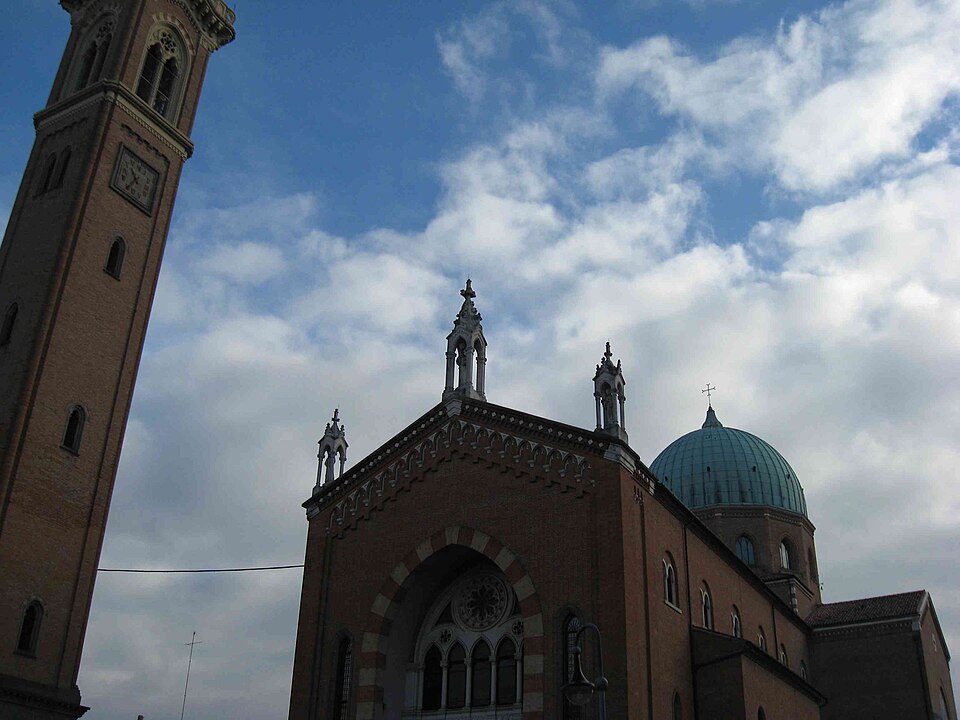
Born Giuseppe Melchiorre Sarto in 1835 in Riese, a small village in the Veneto region of Italy, the future Pope Pius X came from humble beginnings. His father was a postman and his mother a seamstress, and he was the second of ten children. Despite their poverty, his parents instilled in him a deep faith and a love for learning. He showed exceptional intellectual promise from a young age, and through the generosity of a local priest, he was able to attend the seminary in Padua, where he excelled in his studies. Ordained a priest in 1858, Father Sarto dedicated himself wholeheartedly to pastoral work, serving in various parishes and demonstrating a profound compassion for his flock, particularly the poor and the sick. His early experiences shaped his deep understanding of the spiritual needs of ordinary people and his unwavering commitment to catechesis.
Father Sarto's ascent through the Church hierarchy was marked by his humility, piety, and administrative acumen. He served as a spiritual director, chancellor of the diocese of Treviso, and bishop of Mantua, where he tirelessly worked to revitalize the spiritual life of his diocese. In 1893, he was appointed Patriarch of Venice and elevated to the cardinalate. His reputation for holiness and pastoral zeal preceded him, and in 1903, following the death of Pope Leo XIII, he was unexpectedly elected to the papacy, taking the name Pius X. His pontificate was characterized by a fervent desire to "restore all things in Christ" (Instaurare Omnia in Christo). He famously lowered the age for First Communion, encouraging frequent reception of the Eucharist, and championed the use of Gregorian Chant in liturgical music. He also courageously confronted the burgeoning theological movement of Modernism, which he perceived as a threat to the integrity of Catholic doctrine, issuing the encyclical *Pascendi Dominici Gregis* to condemn its errors.
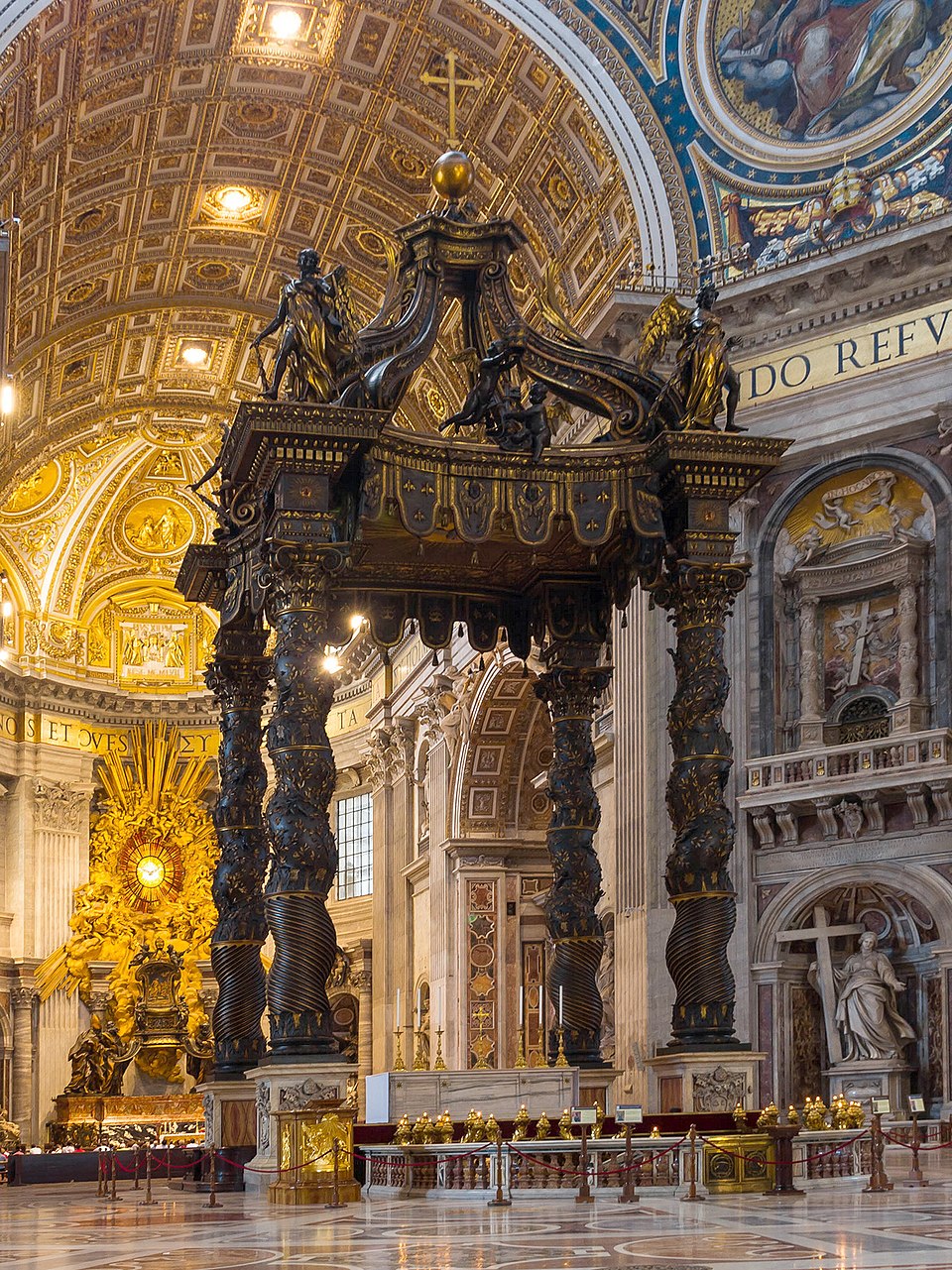
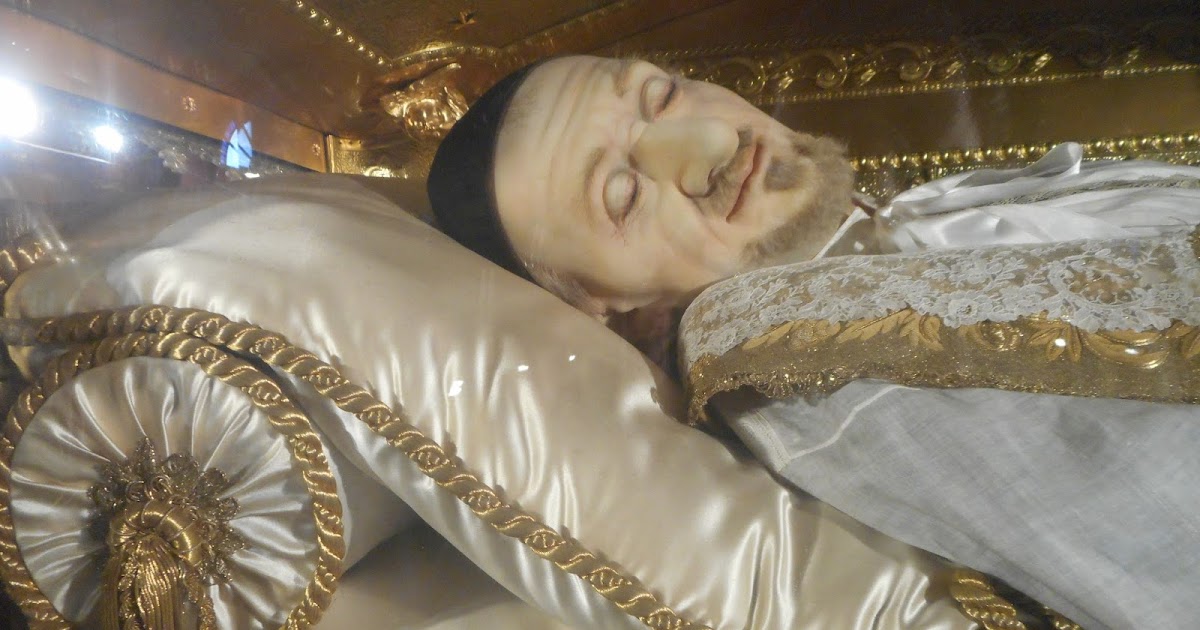
Pope Pius X passed away on August 20, 1914, just weeks after the outbreak of World War I, a conflict that deeply grieved him. His final words, "I was born poor, I have lived poor, I wish to die poor," reflected his lifelong commitment to evangelical poverty. Upon his death, he was interred in the Vatican Grottoes. When his tomb was opened in 1944 for his beatification process, his body was found to be remarkably preserved. Though not entirely incorrupt in the sense of being perfectly supple, his remains were remarkably intact, a testament to his sanctity. Today, the body of Saint Pius X lies in a glass sarcophagus beneath the altar of the Chapel of the Presentation in St. Peter's Basilica, clothed in papal vestments, his face covered with a silver mask.
Saint Pius X was beatified in 1951 and canonized in 1954, becoming the first pope to be canonized since Pope Pius V in 1672. His legacy endures as a pope of profound spiritual depth, a champion of the Eucharist, and a defender of Catholic orthodoxy. Pilgrims from around the world visit his tomb in St. Peter's Basilica, drawn by his example of holiness and his unwavering faith. He is venerated as the patron saint of First Communicants and is remembered for his simple piety, his pastoral heart, and his courageous leadership in a challenging era for the Church. His incorrupt body serves as a powerful reminder of the enduring power of grace and the sanctity of a life dedicated entirely to Christ.
Discovery
The story of Pope Pius X's incorrupt body begins not with his death in 1914, but with the initial exhumation that occurred in 1944, a full thirty years after his passing. The world was embroiled in the Second World War, yet the Vatican proceeded with the canonical process for beatification. As part of this meticulous procedure, the tomb of the venerable pontiff, Giuseppe Melchiorre Sarto, was opened in the Vatican Grottoes. Present at this solemn occasion were numerous ecclesiastical authorities, including Cardinal Federico Tedeschini, the Postulator of the Cause, and a team of medical experts. What they beheld upon opening the lead-lined coffin was nothing short of astonishing. Despite the passage of three decades and the typical processes of decomposition, the body of Pope Pius X was found to be remarkably preserved. His features were recognizable, his vestments intact, and there was no evidence of the usual decay one would expect. The immediate reaction was one of profound awe and reverence, a clear indication to many that a miracle was at hand, further bolstering the case for his sanctity. This discovery resonated deeply within the Catholic world, providing a tangible sign of divine favor for a pontiff widely revered for his piety and pastoral zeal.
Following this initial discovery, further examinations and exhumations were conducted as the cause for beatification and canonization progressed. In 1951, prior to his beatification, the body was again exhumed for a more thorough medical and canonical inspection. This examination confirmed the extraordinary state of preservation noted seven years prior. The medical experts, including Professor Galeazzi-Lisi, the Pope's personal physician, meticulously documented their findings. They observed that the internal organs were largely intact, and the skeletal structure showed no signs of disintegration. There were no embalming agents or artificial preservatives found within the body, further enhancing the miraculous nature of its incorruption. The body was then encased in a crystal coffin, allowing for public veneration during the beatification ceremonies. In 1954, when he was canonized as Saint Pius X, the body was once more examined, and its condition remained remarkably consistent with previous findings, defying the natural course of decay. These repeated inspections over the years consistently affirmed the incorrupt state, a testament to a phenomenon that continues to perplex and inspire.
The journey of Saint Pius X's body from a humble tomb to its current place of veneration is a testament to the Church's reverence for its saints. After the initial exhumations and subsequent examinations, the body was prepared for public display. It was clothed in papal vestments, including a white cassock, a red mozzetta, and a papal stole, reflecting his dignity as a pontiff. To protect the body from environmental factors and to allow for public viewing, it was placed within a magnificent crystal and bronze sarcophagus. This elaborate reliquary now rests beneath the Altar of the Presentation of the Blessed Virgin Mary in St. Peter's Basilica, a place of prominence and honor. Pilgrims from around the world can approach the altar and gaze upon the remarkably preserved form of the saint, his face serene, his hands clasped in prayer. The transparent nature of the casket allows for an unobstructed view, inviting contemplation and prayer, and serving as a powerful visual reminder of his sanctity and the enduring mystery of incorruption.
While there are no documented accounts of unusual phenomena such as sweet fragrances, flexibility, bleeding, or oil exuding from the body of Saint Pius X, the sheer fact of its incorruption is considered a remarkable detail in itself. The resistance to decay over such an extended period, particularly without any known embalming or artificial preservation methods, is the primary miraculous aspect associated with his remains. Medical experts have consistently attested to the absence of such interventions, making the body's preserved state an anomaly in the natural order. This enduring incorruption, defying the typical processes of decomposition, is the singular and most profound remarkable detail associated with Saint Pius X, serving as a constant source of wonder and a powerful affirmation of his holiness for the faithful.
Spiritual Significance
The phenomenon of incorruption, particularly as exemplified by Saint Pope Pius X, stands as a profound testament to the Catholic Church's understanding of the human body and its ultimate destiny. Within Catholic theology, the body is not merely a vessel for the soul but is itself a temple of the Holy Spirit, destined for resurrection and glorification. Saint Paul's words in 1 Corinthians 6:19, "Do you not know that your body is a temple of the Holy Spirit within you, whom you have from God, and that you are not your own?", resonate deeply with the mystery of incorruption. It is not a denial of death or decay, but rather a miraculous suspension of the natural process, signifying God's special favor and the saint's profound union with Christ. For Pius X, whose body remains remarkably preserved over a century after his death, this incorruption serves as a tangible sign of his sanctity and a powerful reminder of the Church's belief in the resurrection of the body and the enduring reality of the communion of saints. It underscores the belief that those who have lived lives of heroic virtue are already participating in the glory of the Risen Christ, and their earthly remains can become a source of spiritual grace and inspiration for the faithful still on their pilgrim journey. The Church interprets such incorruption not as embalming or a natural anomaly, but as a supernatural intervention, a visible sign of an invisible grace, pointing towards the ultimate triumph over death promised to all believers.
Saint Pope Pius X, born Giuseppe Melchiorre Sarto, possessed a unique charism rooted in profound humility and an unwavering commitment to pastoral care. His heroic virtues were evident from his earliest days as a priest, serving with boundless compassion for his flock, especially the poor and the sick, in the humble parishes of his native Italy. He eschewed worldly pomp and power, embodying a spirit of radical poverty that continued even into his papacy. His pontificate was marked by a fervent desire to "restore all things in Christ" (Instaurare Omnia in Christo), a motto that encapsulated his spiritual vision. He championed frequent communion, lowered the age for First Communion, and vigorously promoted catechetical instruction, believing that a deep understanding of the faith was essential for spiritual growth. His profound spirituality was not mystical in the ecstatic sense, but rather a practical, pastoral mysticism, focused on bringing the sacraments and the teachings of the Church directly to the people. He was a staunch defender of Catholic doctrine against modernism, yet his firmness was always tempered by a shepherd's heart. His life exemplified an extraordinary blend of intellectual rigor and tender pastoral solicitude, demonstrating that true holiness lies in faithfully serving God and His people, regardless of one's station.
Devotion to Saint Pope Pius X has flourished since his death, particularly among those who cherish traditional Catholic doctrine and the sanctity of the liturgy. His patronage extends to catechists, First Communicants, and those suffering from poverty, reflecting his lifelong dedication to these causes. His feast day, August 21st, is observed with special Masses and prayers, and numerous novenas invoke his intercession for spiritual renewal and fidelity to the Church. Pilgrims from across the globe journey to St. Peter's Basilica in Vatican City, where his incorrupt body lies enshrined beneath the altar of the Presentation. The experience of visiting his tomb is often described as profoundly moving; to stand before the remarkably preserved remains of a saint who walked the earth over a century ago offers a tangible connection to the history of the Church and the enduring power of faith. The sight of his serene countenance, even through the glass, serves as a powerful visual aid for meditation on holiness, the brevity of earthly life, and the promise of eternal life. It is a place of quiet reverence, where prayers are offered, and many report a sense of peace and renewed spiritual vigor in his presence.
Numerous miracles have been attributed to the intercession of Saint Pope Pius X, both during his lifetime and after his death. Documented healings from various ailments, including cancers and chronic diseases, played a significant role in his beatification and canonization processes. Beyond physical cures, countless conversions and spiritual healings have been reported, with individuals experiencing a profound return to the faith or a deepening of their spiritual lives through his intercession. The incorrupt body itself has been a source of immense spiritual consolation for the faithful. For many, its preservation is a direct affirmation of God's presence and activity in the world, a visible sign that heaven is not far removed from earth. It offers a tangible anchor in an often-skeptical world, reminding believers of the reality of sanctity and the power of prayer. The consistent reports of answered prayers and spiritual graces received at his tomb underscore the enduring belief in the communion of saints and the efficacy of their intercession before God. It is a living testament to the truth that death does not sever the bonds of love and prayer between the Church militant and the Church triumphant.
For contemporary Catholics and seekers alike, Saint Pope Pius X offers an enduring message of fidelity, simplicity, and spiritual courage. In an age often characterized by materialism, secularism, and a questioning of traditional values, his life stands as a powerful counter-narrative. His humble origins and unwavering commitment to pastoral service challenge the modern pursuit of wealth and status, reminding us that true greatness lies in serving God and neighbor. His steadfast defense of Catholic doctrine, while sometimes perceived as rigid, offers a beacon of clarity in a world awash with relativism, encouraging believers to anchor their faith in timeless truths. His emphasis on frequent communion and catechesis remains profoundly relevant, urging us to deepen our personal relationship with Christ through the sacraments and a robust understanding of our faith. His incorruption serves as a tangible bridge between the visible and invisible worlds, a miraculous sign that transcends scientific explanation and points to the transcendent reality of God's grace. It reminds us that sanctity is attainable, that heroic virtue is rewarded, and that the ultimate destiny of the human person is not decay but glorification in Christ. His example calls us to live lives of integrity, to defend the truth with charity, and to find our ultimate joy and purpose in God alone.
AI summary
A plain-language overview generated from this page's source material. Always verify with primary sources.