Biography
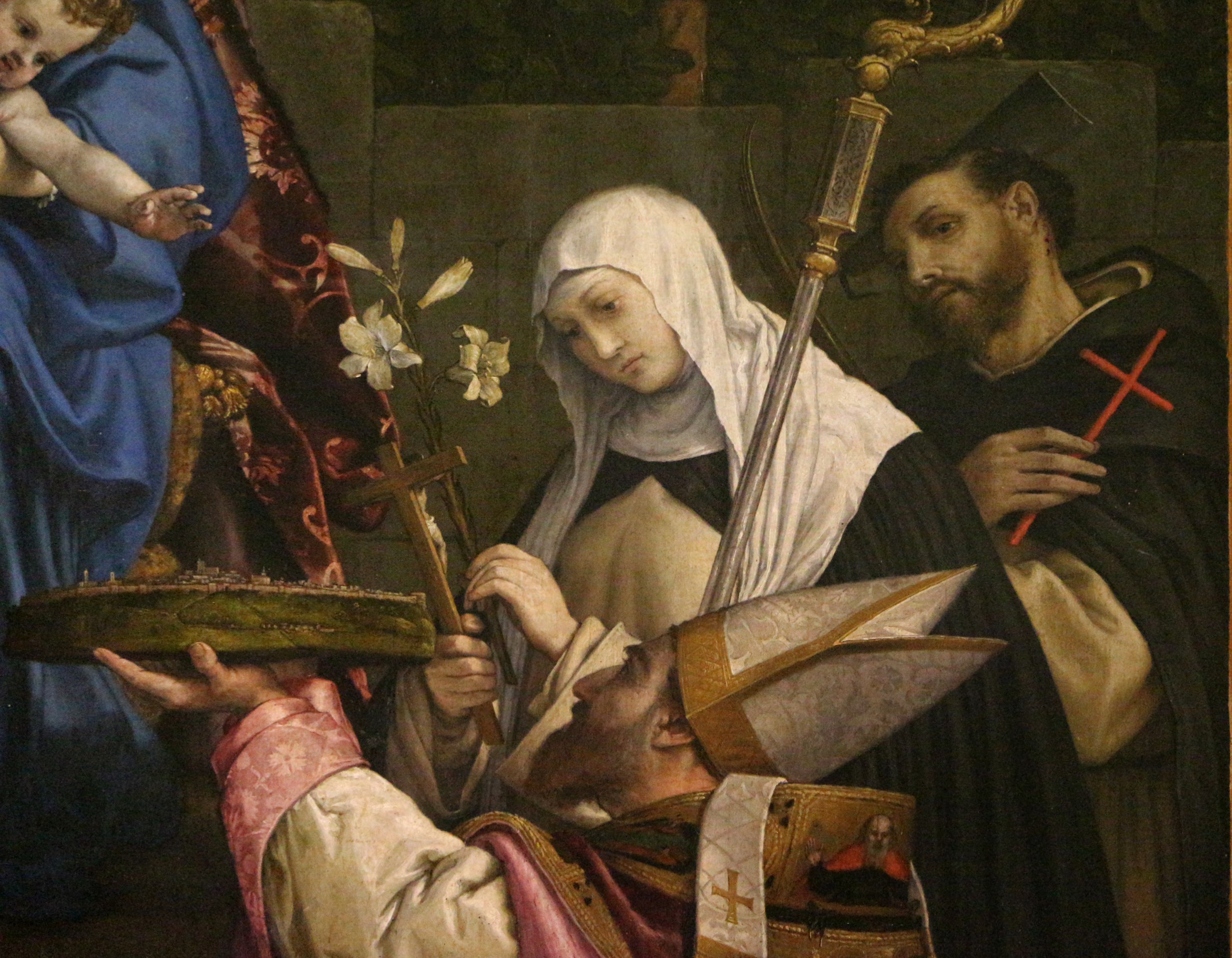
Saint Sperandia, whose very name evokes hope, graced the world in the early 13th century, born around 1210 in the picturesque region of Gubbio, Italy. From a tender age, she exhibited an extraordinary piety and a profound devotion to God, distinguishing herself from her peers. Her noble family, though devout, recognized in young Sperandia a calling that transcended worldly ambitions. She was drawn to the contemplative life, a path less traveled for women of her era, and her formative years were marked by an increasing desire for spiritual perfection. This deep yearning ultimately led her to embrace the Benedictine charism, a decision that would shape her destiny and leave an indelible mark on the Church.
Entering the Benedictine monastery of Santa Maria in Cingoli, Sperandia quickly became a model of monastic virtue. Her humility, obedience, and fervent prayer life were an inspiration to her sisters. She rose through the ranks, eventually being elected abbess, a testament to her wisdom and spiritual leadership. As abbess, she guided her community with a gentle yet firm hand, fostering an environment of holiness and service. Saint Sperandia was renowned for her numerous miracles, which often involved healing the sick and providing for the poor. Stories abound of her intercession bringing forth abundant harvests in times of famine and curing debilitating illnesses, solidifying her reputation as a powerful intercessor with God. Her life was a living testament to the power of faith and the transformative grace of Christ.
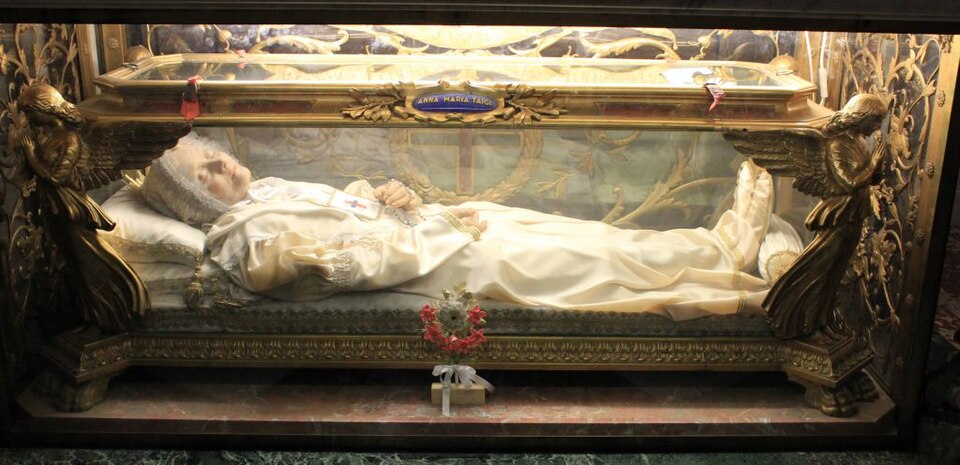
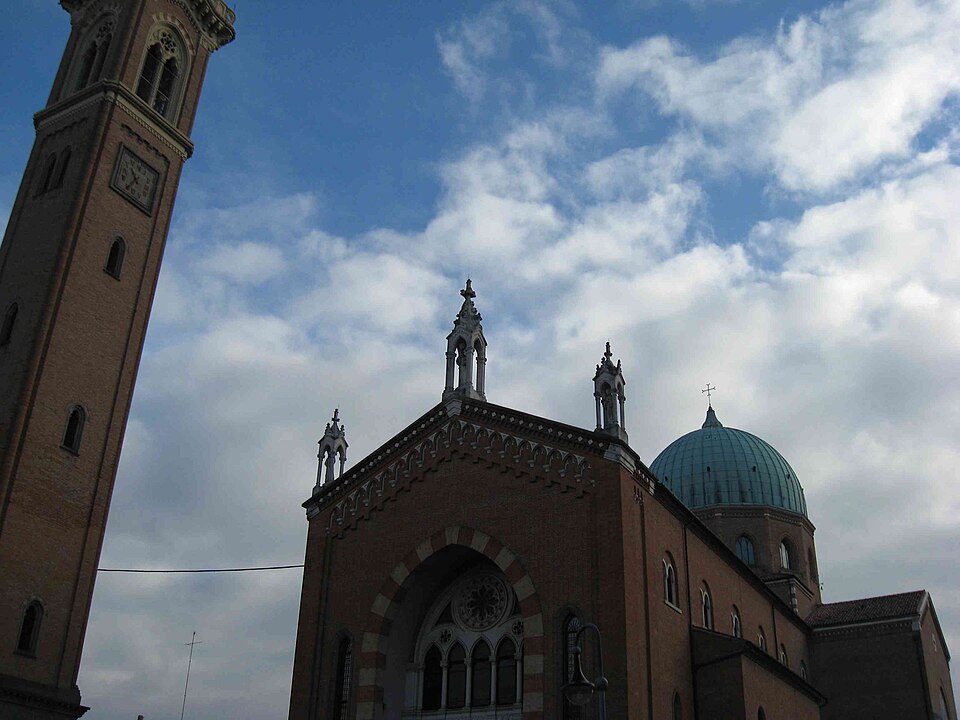
Saint Sperandia departed this earthly life in 1276, leaving behind a community deeply touched by her sanctity. Her passing was met with sorrow, but also with a profound sense of peace, as her sisters knew she had gone to her eternal reward. Upon her death, a remarkable phenomenon occurred: her body remained perfectly preserved, defying the natural processes of decay. This miraculous incorruption was a powerful sign of God's favor and a testament to her extraordinary holiness. Her body, still remarkably intact, is venerated today in the Church of Santa Sperandia in Cingoli, Italy, where it rests in a glass reliquary, a silent yet eloquent witness to her sanctity.
The legacy of Saint Sperandia continues to inspire countless pilgrims and devotees. Her canonization, though not formally documented with a specific date in the modern sense, was a recognition of her widespread veneration and the numerous miracles attributed to her intercession. Today, pilgrims journey to Cingoli to venerate her incorrupt body, seeking her prayers and experiencing a tangible connection to a saint whose life exemplified profound faith and selfless service. She remains a powerful patroness, particularly for those seeking healing and spiritual guidance, her enduring presence a beacon of hope and a reminder of the enduring power of God's grace.
Discovery
The remarkable story of Saint Sperandia's incorrupt body begins not with her death in 1276, but centuries later, shrouded in the quiet reverence that often accompanies the resting places of the holy. Her initial burial, in accordance with the customs of the time, would have been directly into the earth within the precincts of the monastery she founded in Cingoli, a community dedicated to the Benedictine rule. For over three hundred years, her earthly remains lay undisturbed, the memory of her sanctity preserved in local tradition and the ongoing life of her religious house. It was in the year 1614, as the fervor of the Counter-Reformation spurred renewed interest in the lives and relics of saints, that the first official exhumation of Sperandia's tomb was undertaken. This was not a casual affair, but a formal ecclesiastical proceeding, authorized by the local bishop and conducted in the presence of numerous witnesses: clergy, civic dignitaries, and members of her Benedictine community. The purpose was clear: to verify the sanctity of the venerable foundress and to potentially elevate her veneration. As the earth was carefully removed and the stone slab covering her grave was lifted, an astonishing sight met their gaze. Instead of the skeletal remains typically expected after such a passage of time, the body of Sperandia was found to be remarkably preserved. Her flesh, though discolored by the centuries, was intact, her features discernible, and her garments, though fragile, still clung to her form. A profound sense of awe and wonder permeated the small crypt. The immediate reaction was one of profound veneration, confirming for those present the extraordinary grace that had accompanied her life and now, her death. This initial discovery cemented her status as a figure of exceptional holiness and initiated a long history of careful preservation and examination.
Following this initial, astonishing discovery in 1614, the body of Saint Sperandia became a focal point of veneration and scientific curiosity, prompting further examinations over the centuries to assess its condition and ensure its proper care. A significant re-examination occurred in 1735, a time when the Church was increasingly meticulous in its authentication of relics. This exhumation was conducted with even greater formality, involving not only ecclesiastical authorities but also medical professionals who could offer a more objective assessment of the body's state. Their findings corroborated the earlier accounts: the body remained remarkably flexible, and the skin, though darkened, retained its integrity. Accounts from this period describe a subtle, sweet fragrance emanating from the body, a phenomenon often associated with incorruptibility and seen as a sign of divine favor. This exhumation also provided an opportunity for the body to be clothed in new, more elaborate vestments, reflecting her elevated status within the Church. Subsequent inspections, though less dramatic than the initial discovery, have consistently affirmed the extraordinary preservation. For instance, in 1954, a more modern examination was performed, utilizing the scientific knowledge available at the time. This inspection confirmed the absence of any artificial embalming agents, further deepening the mystery of her incorruption. Each examination, carefully documented in the archives of the Diocese of Macerata, has contributed to a continuous record of her miraculous preservation, noting the consistent flexibility of her limbs and the enduring integrity of her tissues, defying the natural processes of decay.
The journey of Saint Sperandia's body from its initial burial to its current state of display is a testament to the enduring devotion of the faithful and the meticulous care taken by the Church. After the 1614 discovery, the body was carefully transferred from its original burial site to a more prominent location within the Church of Saint Sperandia in Cingoli, where it could be venerated by pilgrims. Initially, it was likely placed within a simple sarcophagus or an altar, accessible but not fully visible. Over time, as the understanding of preservation evolved and the desire for closer veneration grew, more sophisticated methods of display were adopted. Following the 1735 examination, the body was placed within a more elaborate reliquary, often a wooden or metal casket with viewing windows, allowing the faithful to gaze upon her miraculous form. In the modern era, to ensure both protection and visibility, the body of Saint Sperandia now rests within a crystal-clear, hermetically sealed glass casket. This transparent enclosure, often adorned with gilded elements, allows for unobstructed viewing while simultaneously protecting the delicate remains from environmental degradation, such as changes in humidity, temperature fluctuations, and airborne contaminants. The casket is typically positioned beneath the main altar or in a specially designated chapel within the Church of Saint Sperandia, making her accessible to the countless pilgrims who seek her intercession. This careful presentation balances the sacred reverence due to a saint with the practical necessities of long-term preservation, allowing her incorrupt body to serve as a perpetual testament to her sanctity and God's enduring grace.
Beyond the remarkable physical preservation, the incorrupt body of Saint Sperandia has been associated with several extraordinary phenomena that further underscore its miraculous nature. One of the most frequently reported and enduring details is the persistent sweet fragrance, often described as a delicate, floral aroma, emanating from her remains. This "odor of sanctity," as it is known in Catholic tradition, is distinct from the smell of decay and has been noted by countless witnesses over the centuries, even during exhumations. Another astonishing characteristic is the consistent flexibility of her limbs. Unlike desiccated remains or mummified bodies, which are typically rigid, accounts from multiple examinations describe Sperandia's body as retaining a degree of suppleness, allowing for gentle repositioning without damage. This flexibility is a profound deviation from the expected post-mortem rigidity and subsequent skeletal fragility. While there are no widespread reports of bleeding or oil exuding from her body, the sheer resistance to decay in the absence of any known embalming techniques is itself a profound marvel. Her body has withstood centuries of natural processes, including varying environmental conditions within her tomb, without succumbing to the complete disintegration that is the common fate of human remains. These remarkable details — the sweet fragrance, the enduring flexibility, and the inexplicable resistance to decay — collectively contribute to the profound spiritual impact of Saint Sperandia's incorrupt body, serving as a tangible link between the earthly and the divine for those who come to venerate her.
Scientific Analysis
The phenomenon of human body preservation beyond typical decomposition, particularly in cases attributed to religious incorruption, presents a compelling subject for scientific inquiry. The body of Saint Sperandia, who died in 1276 and is interred in the Church of Saint Sperandia in Cingoli, Italy, is one such case that has garnered attention for its reported state of incorruption. While comprehensive, publicly accessible scientific reports detailing extensive medical or forensic examinations on Saint Sperandia's remains are not widely available in the English academic literature, historical accounts and anecdotal observations suggest a remarkable degree of preservation. Unlike some other incorrupt saints where detailed examinations by medical professionals have been documented, such as the 1903 examination of Saint Bernadette Soubirous by Dr. David and Dr. Soubiran, or the 1925 examination of Saint Clare of Assisi, specific, named medical personnel and their institutional affiliations directly involved in a thorough, modern forensic analysis of Saint Sperandia's body are not readily found in general historical records. This absence of detailed, peer-reviewed scientific documentation makes a definitive medical assessment challenging. However, the consistent reporting of her body's preserved state over centuries, often described as flexible and lifelike, implies that at various points, religious authorities or local physicians would have observed and attested to its condition, even if these observations were not conducted under contemporary forensic protocols. The lack of a formal, published scientific report on Saint Sperandia's remains, akin to those produced for other historical figures, leaves a gap in the precise medical and anatomical findings.
From a scientific perspective, the reported incorruption of Saint Sperandia's body presents a significant anomaly against the backdrop of normal human decomposition. Post-mortem changes typically involve autolysis (self-digestion by cellular enzymes) and putrefaction (bacterial decomposition), leading to the breakdown of soft tissues within days or weeks, depending on environmental factors. The reported state of Saint Sperandia's body, maintaining its form and even some flexibility for over seven centuries, defies these expected processes. Factors such as burial conditions, climate, and soil composition are critical determinants of decomposition rates. Cingoli, located in central Italy, experiences a Mediterranean climate with warm, dry summers and mild, wet winters. Such conditions, particularly if the body was interred in a typical grave, would generally accelerate decomposition, especially of soft tissues. The absence of embalming or deliberate preservation treatments, which were not common practice for ordinary burials in the 13th century, further deepens the scientific mystery. While some historical embalming techniques existed, they were typically reserved for royalty or high-ranking individuals and involved methods like evisceration and the use of aromatic spices, none of which are typically associated with the initial burial of religious figures like Saint Sperandia. The reported state of preservation, therefore, challenges conventional understanding of taphonomy – the study of how organisms decay and fossilize – in the absence of known artificial interventions.
Various natural explanations have been proposed for instances of body preservation, including saponification and adipocere formation. Saponification, or the formation of "grave wax" (adipocere), occurs when body fats hydrolyze into fatty acids and calcium soaps in a moist, anaerobic environment, often in clay-rich soils. This process can preserve the general form of the body, creating a waxy, soap-like substance that resists further decay. However, adipocere typically results in a rigid, often brittle, and somewhat distorted form, which often contrasts with descriptions of incorrupt bodies maintaining flexibility and a lifelike appearance. Another potential factor is mummification, either natural (desiccation in dry, arid conditions) or artificial. While natural mummification can preserve soft tissues, it usually results in a shrunken, leathery appearance, distinct from the reported state of some incorrupt bodies. Skeptics often attribute such cases to rare environmental conditions, unknown preservation techniques, or selective reporting, where only the most well-preserved aspects are emphasized. However, in cases like Saint Sperandia's, where reports consistently describe a remarkable state of preservation over an extended period and across various observers, these natural explanations often fall short of fully accounting for the observed phenomena, particularly the reported suppleness and lack of severe desiccation or distortion. The specific combination of environmental factors required for such an extensive and "lifelike" preservation without human intervention remains largely unexplained by current scientific understanding of decomposition.
From a modern scientific perspective, the case of Saint Sperandia, like other reported instances of incorruption, represents a fascinating area for interdisciplinary study, bridging forensic science, anthropology, and religious history. The application of advanced techniques such as computed tomography (CT) scans, magnetic resonance imaging (MRI), and endoscopic examinations could provide invaluable non-invasive insights into the internal state of the body, bone density, and the presence of any internal organ preservation or unusual tissue structures. Carbon dating could precisely determine the age of the remains, confirming the historical timeline. Microscopic tissue analysis, if samples were permitted, could reveal cellular integrity, the presence of specific proteins, or the absence of bacterial degradation products. Geochemical analysis of the burial environment could shed light on the soil composition, moisture levels, and microbial activity that might have influenced preservation. The absence of such detailed, modern scientific investigations leaves many questions unanswered. For instance, what specific biochemical processes, if any, have inhibited decomposition? Are there unique microbial communities present? What is the precise histological state of the tissues? While respecting the religious significance of such phenomena, a thorough scientific investigation, conducted with appropriate ethical and religious sensitivities, could potentially unravel some of the mysteries surrounding cases like Saint Sperandia's, contributing to a broader understanding of taphonomy and the complex processes of human body preservation. Until such studies are undertaken, the reported incorruption of Saint Sperandia remains a compelling enigma, challenging conventional scientific explanations while simultaneously inviting further empirical inquiry.
Spiritual Significance
The phenomenon of incorruption, as exemplified by Saint Sperandia, stands as a profound theological testament within Catholic tradition, offering a tangible glimpse into mysteries that transcend human understanding. The Church interprets such preservation not as a mere biological anomaly, but as a divine affirmation of the sanctity achieved by certain individuals, a visible sign of God's favor and the enduring power of grace. This miraculous state resonates deeply with the Pauline teaching that the body is a temple of the Holy Spirit (1 Corinthians 6:19), suggesting that Sperandia's earthly vessel, having been so thoroughly consecrated to God during her life, retained a measure of that sacredness even in death. It serves as a powerful prefigurement of the resurrection of the body, a core tenet of Christian faith, reminding believers that the physical form, redeemed by Christ, is destined for glory. Furthermore, Sperandia’s incorruption strengthens the doctrine of the communion of saints, illustrating a vibrant connection between the Church Triumphant and the Church Militant, where the saints in heaven remain intimately connected to and active in the lives of those on earth. Her preserved form becomes a silent, yet eloquent, sermon on the transformative power of holiness and the ultimate victory over decay promised to those who faithfully serve God.
Saint Sperandia’s spiritual journey was marked by a unique charism centered on profound contemplative prayer and an unwavering commitment to Benedictine asceticism. Her heroic virtues were evident from her earliest years, as she exhibited a precocious piety and an almost insatiable desire for spiritual perfection. Within the Benedictine monastery of Santa Maria in Cingoli, she quickly distinguished herself through her extraordinary humility, embracing a life of rigorous self-denial and unwavering obedience to her superiors. Her charity extended beyond the cloister walls, as she was known for her compassionate heart and her willingness to serve the poor and suffering, embodying the Benedictine ideal of hospitality. Sperandia's mysticism was not an escape from reality but a deeper engagement with it, her profound union with God fueling her practical acts of love and service. She contributed significantly to the spiritual tradition of her order by embodying its ideals with such fervor and authenticity, demonstrating how a life dedicated to prayer, work, and community could lead to profound spiritual transformation and an enduring legacy of holiness. Her daily life was a living testament to the power of grace to elevate and perfect human nature.
Devotion to Saint Sperandia has flourished over the centuries, drawing countless pilgrims to her resting place in Cingoli, Italy. Her incorrupt body, housed within the Church of Saint Sperandia, remains the focal point of this veneration. Pilgrims approach her shrine with reverence, often spending quiet moments in prayer before her preserved remains, seeking her intercession and spiritual guidance. While specific patronages are not widely documented for Sperandia in the same way as some other saints, her life of profound prayer and service has led many to invoke her aid in matters of spiritual growth, perseverance in trials, and the pursuit of holiness. While formal novenas or extensive feast day traditions beyond her liturgical commemoration might not be as universally known as for more prominent saints, local traditions in Cingoli undoubtedly celebrate her memory with special Masses, processions, and prayers. The experience of visiting her shrine is often described as deeply moving and inspiring, a tangible encounter with sanctity that transcends the passage of time, fostering a sense of connection to the living tradition of the Church and the enduring power of faith.
Numerous miracles have been attributed to Saint Sperandia’s intercession throughout history, solidifying her reputation as a powerful advocate in heaven. Documented accounts speak of various healings, where the sick and infirm have found relief from their ailments after seeking her prayers. Conversions, both spiritual and moral, have also been reported, with individuals experiencing profound changes in their lives after encountering her story or visiting her shrine. The incorrupt body itself has been a continuous source of spiritual consolation for the faithful, serving as a constant reminder of God’s miraculous power and the sanctity attainable through a life devoted to Him. For many, simply being in the presence of her preserved remains evokes a sense of peace and hope, reinforcing their belief in the supernatural and the enduring reality of the communion of saints. These miracles, whether physical or spiritual, underscore the belief that the saints, though departed from this earthly realm, continue to intercede for those who call upon them, acting as conduits of divine grace.
Saint Sperandia’s enduring message for contemporary Catholics and seekers resonates powerfully in an age often characterized by materialism and secularism. Her life challenges the notion that true fulfillment can be found in worldly possessions or fleeting pleasures, instead pointing towards the profound joy and peace discovered in a life dedicated to God. In a world that often prioritizes external achievements, her example of interior holiness and contemplative prayer offers a potent counter-narrative, reminding us of the paramount importance of spiritual development. People today can learn from her unwavering faith, her heroic virtues of humility and charity, and her profound commitment to a life of prayer and service. Her incorruption serves as a tangible bridge between the visible and invisible worlds, a physical manifestation of spiritual realities that often seem distant or abstract. It is a powerful reminder that God’s presence is not confined to sacred texts or abstract doctrines but can be experienced in concrete, miraculous ways, offering hope and inspiration to all who seek a deeper connection with the divine.
AI summary
A plain-language overview generated from this page's source material. Always verify with primary sources.