Biography
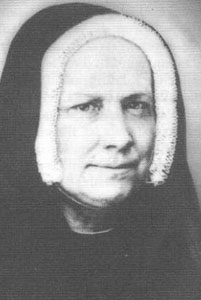
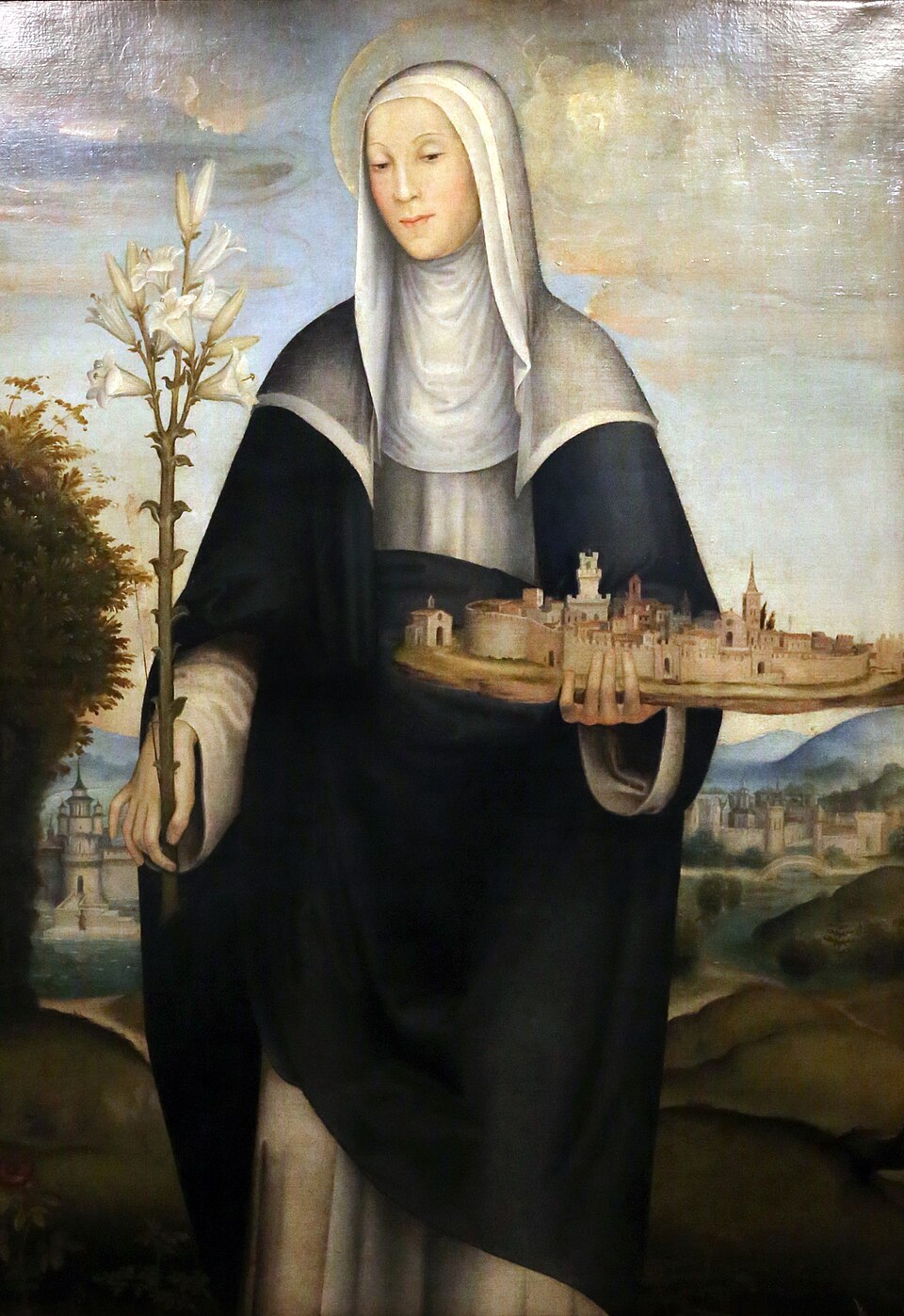
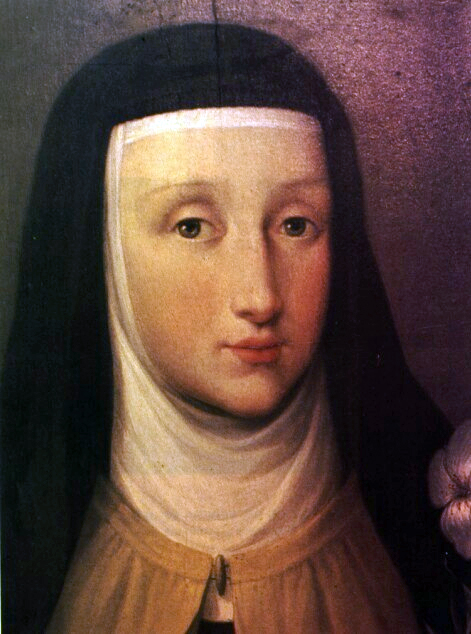
Born Anna Maria Redi in 1747 to a noble family in Arezzo, Tuscany, Saint Teresa Margaret of the Sacred Heart was destined for a life of profound spiritual devotion from her earliest years. Her pious parents, Count Ignazio Redi and Camilla Billeti, instilled in their eleven children a deep love for God and a commitment to Christian virtues. From a young age, Anna Maria displayed an unusual maturity and a strong inclination towards prayer and solitude, often retreating to quiet corners to commune with the Divine. Educated initially by the Benedictine nuns of Santa Apollonia in Florence, she excelled in her studies but more significantly, deepened her interior life. It was during her time at the convent school that she first felt the irresistible call to religious life, discerning a particular attraction to the austere and contemplative charism of the Discalced Carmelites, a decision that would shape her brief but impactful earthly journey.
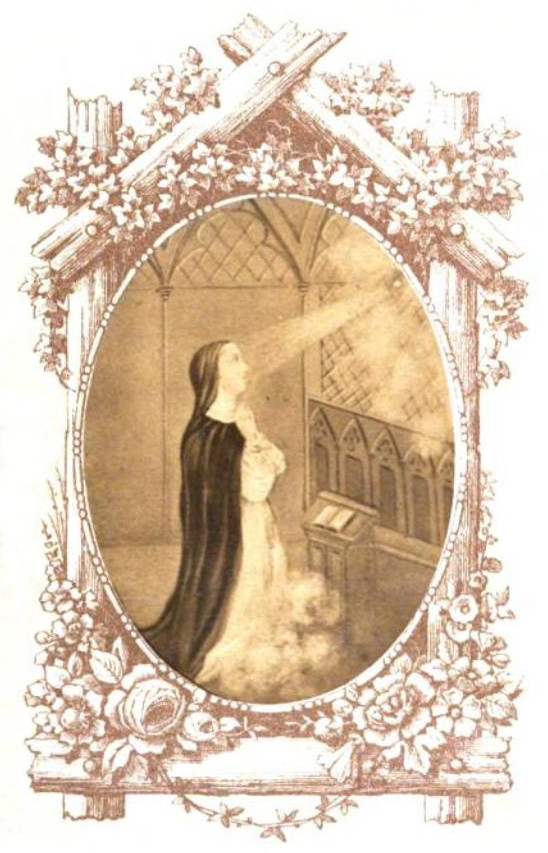
At the tender age of seventeen, Anna Maria entered the Discalced Carmelite Monastery of Saint Teresa in Florence, taking the name Teresa Margaret of the Sacred Heart. Her life within the cloister was marked not by extraordinary external deeds, but by an extraordinary fidelity to her vows, a profound spirit of sacrifice, and an intense interior life centered on the Sacred Heart of Jesus. She lived a life of hidden holiness, embracing the Carmelite ideals of prayer, penance, and fraternal charity with remarkable fervor. Though she served humbly as infirmarian for a time, her true ministry was her unwavering prayer and her silent witness to God’s love. Her spiritual director, Father Ildefonso di San Luigi, recognized her exceptional sanctity, noting her profound humility and her constant striving for union with God. She dedicated herself to loving God with all her heart and soul, offering herself as a victim of love for the conversion of sinners and the sanctification of the Church, embodying the Carmelite motto: "With zeal I have been zealous for the Lord God of hosts."
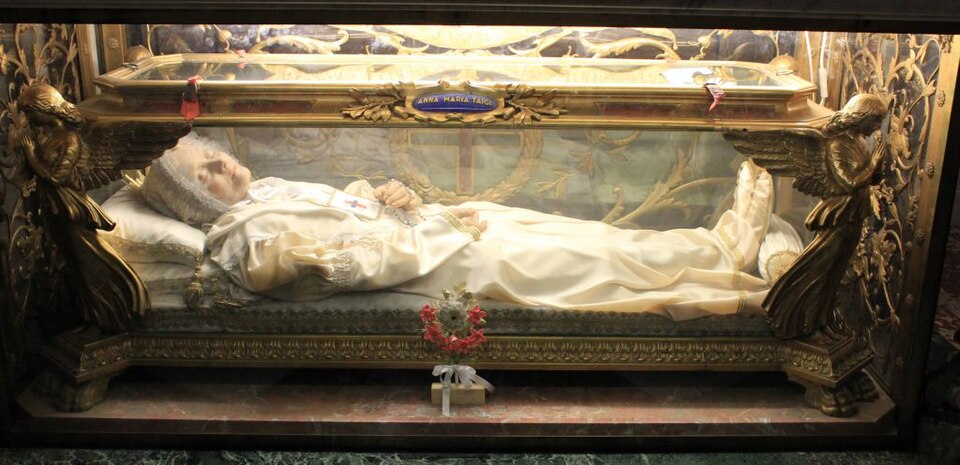
Tragically, Saint Teresa Margaret's earthly pilgrimage was cut short. She contracted a severe illness, likely dysentery, and after a brief but intense period of suffering, she passed away on March 7, 1770, at the age of just twenty-three. Her death was met with deep sorrow by her community, who already recognized her exceptional holiness. Miraculously, when her body was exhumed a few days after her burial, it was found to be perfectly preserved, supple, and emitting a sweet fragrance, a clear sign of God's favor. This incorruption, a testament to her purity and sanctity, has persisted to this day. Her body, still remarkably intact, rests in a glass reliquary in the chapel of the Discalced Carmelite Monastery of Saint Teresa in Florence, where it continues to inspire awe and devotion.
Saint Teresa Margaret of the Sacred Heart was canonized by Pope Pius XI in 1934, officially recognizing her profound sanctity and her powerful intercession. Her legacy endures as a testament to the power of hidden holiness and the transformative love of the Sacred Heart of Jesus. Pilgrims today can visit her incorrupt body in Florence, where they are invited to contemplate a life lived entirely for God, a life that, though short, radiated an intense spiritual light. She remains a powerful patron for those seeking to deepen their interior life, for the sick, and for all who strive for perfect union with God through love and sacrifice, reminding us that true greatness lies not in worldly achievements, but in the profound and unwavering love of God.
Discovery
The extraordinary story of Saint Teresa Margaret of the Sacred Heart's incorruptibility begins not with her death in 1770, but with a series of remarkable discoveries that unfolded years later, solidifying her reputation for sanctity. Her earthly journey concluded at the tender age of twenty-three, and she was laid to rest in the common burial ground of the Carmelite Monastery of St. Teresa in Florence, Italy. It was customary for Carmelite nuns to be interred directly in the earth, without coffins, a practice that, while humble, often led to rapid decomposition. However, the first hint of something extraordinary occurred in 1771, a mere year after her passing. The monastery was undergoing renovations, necessitating the relocation of several graves. During this process, the body of Sister Teresa Margaret was exhumed. To the astonishment of the sisters and the attending ecclesiastical authorities, her body was found to be perfectly preserved. Her skin retained its natural color, her limbs were flexible, and there was no sign of the decay typically associated with a year in the earth. The air was reportedly filled with a sweet, floral fragrance, a phenomenon often associated with incorrupt saints. This initial discovery sparked immediate awe and reverence, leading to the decision to place her remains in a temporary resting place within the monastery, rather than reinterring them in the common ground.
The initial discovery in 1771 was merely the beginning of a series of examinations that would continue to affirm the miraculous preservation of Saint Teresa Margaret. Her body was again examined in 1772, and then more formally in 1773, by a commission of physicians and ecclesiastical officials. These examinations consistently reported the same astonishing findings: the body remained supple, the skin was intact and naturally colored, and the internal organs showed no signs of decomposition. The sweet odor persisted, further baffling the scientific minds of the era. One particularly striking detail noted during these early inspections was the continued flexibility of her joints, allowing her limbs to be gently moved without stiffness. Over the ensuing decades, as her reputation for sanctity grew and the process for her beatification advanced, further canonical inspections were conducted. Notably, in 1801, and again in 1906, medical professionals and church officials meticulously documented the state of her remains. Each time, despite the passage of many years and the natural processes of decay, her body was found to be remarkably preserved. The 1906 examination, conducted in preparation for her beatification, confirmed that her facial features were still discernible, her hands and feet were largely intact, and the overall state of preservation was extraordinary, especially given the conditions of her initial burial.
The journey of Saint Teresa Margaret's body from a simple grave to its current venerated display is a testament to the enduring belief in her sanctity and the miraculous nature of her preservation. Following the initial discoveries, her remains were carefully placed in a wooden casket and kept within the Carmelite Monastery of St. Teresa. As the devotion to her grew, and particularly after her beatification in 1929 and canonization in 1934, greater measures were taken for her veneration and protection. Today, her incorrupt body is enshrined in a magnificent glass casket, allowing pilgrims and the faithful to view her remarkably preserved form. This casket is located within a chapel dedicated to her, situated within the very monastery where she lived and died. The display is designed to be both reverent and accessible, with the body clothed in the traditional Carmelite habit. The glass enclosure provides a controlled environment, protecting the relics from environmental degradation and the touch of human hands, while still allowing for clear observation. The chapel itself is a place of quiet contemplation, drawing countless visitors who come to seek her intercession and marvel at the enduring sign of God's grace.
Among the most remarkable details associated with the incorruption of Saint Teresa Margaret of the Sacred Heart are the consistent reports of a sweet, floral fragrance emanating from her remains, even decades after her death. This phenomenon, often referred to as the "odor of sanctity," has been noted by numerous witnesses during various exhumations and examinations. Furthermore, the persistent flexibility of her limbs, a stark contrast to the rigor mortis and eventual stiffness typically observed in deceased bodies, has been a recurring point of astonishment. Unlike many incorruptibles who appear mummified or hardened, Saint Teresa Margaret's body has retained a degree of natural suppleness. While there are no reports of bleeding or oil exuding from her body, the sheer resistance to decay in the absence of embalming or special preservation techniques, particularly after being buried directly in the earth, remains a profound mystery. Her incorruption stands as a powerful testament to her extraordinary holiness and serves as a continuous source of inspiration and spiritual reflection for those who visit her shrine in Florence.
Scientific Analysis
The phenomenon of exceptional post-mortem preservation, often termed incorruption within religious contexts, presents a fascinating intersection for scientific inquiry, particularly in cases such as that of Saint Teresa Margaret of the Sacred Heart. Born Anna Maria Redi in 1747, she died in 1770 at the age of 23. Her remains, interred at the Carmelite Monastery of St. Teresa in Florence, Italy, have been observed to exhibit an unusual degree of preservation, defying typical decomposition processes over centuries. While detailed, formal medical or scientific examinations of her body are not extensively documented in public scientific literature with the same rigor as some more recent cases, historical accounts and ecclesiastical records provide some insights. Early observations, often conducted by ecclesiastical authorities and accompanying medical professionals of the time, typically involved visual inspection and palpation. These examinations, while lacking the sophisticated instrumentation of modern forensic science, consistently noted the suppleness of the skin, the absence of putrefaction, and the preservation of internal organs, particularly the heart. For instance, reports from the 18th and 19th centuries, often associated with canonical processes for beatification and canonization, describe the body as being remarkably intact. These historical accounts, while not peer-reviewed scientific studies, form the primary basis for the classification of her remains as "incorrupt." The precise dates and names of physicians involved in these early inspections are often embedded within hagiographical texts and archival records of the Carmelite Order, rather than published scientific journals.
The scientific mystery surrounding Saint Teresa Margaret's preservation lies in its defiance of conventional understanding of human decomposition. Under normal circumstances, a body interred in a typical grave environment would undergo rapid putrefaction driven by microbial action, leading to the disintegration of soft tissues within months to a few years, depending on environmental factors. The climate of Florence, characterized by warm summers and mild winters, combined with typical burial conditions, would generally accelerate decomposition. Factors such as soil moisture, oxygen availability, and microbial load are critical determinants, and none of these are reported to have been exceptionally inhibitory to decay in her burial site. The observed preservation of internal organs, particularly the heart, is especially remarkable, as these are among the first tissues to succumb to autolysis and microbial degradation. There is no historical record or scientific evidence suggesting any deliberate embalming or sophisticated preservation treatments were applied to her body at the time of her death in 1770. Embalming techniques of the 18th century, while existing, were rudimentary compared to modern methods and typically involved evisceration and the use of various chemicals, which would leave discernible traces. The absence of such evidence, coupled with the reported natural appearance and suppleness, challenges simple explanations of artificial preservation.
Various natural explanations for exceptional body preservation have been proposed in other cases, such as saponification (adipocere formation) and mummification. Saponification occurs when fatty tissues convert into a waxy, soap-like substance (adipocere) in anaerobic, moist environments, often forming a protective layer that inhibits further decay. While adipocere can preserve external features, it typically alters the texture and color of the tissues significantly, often resulting in a brittle or chalky consistency. Furthermore, it does not usually account for the preservation of internal organs with their original texture and flexibility. Mummification, on the other hand, requires extremely dry conditions that desiccate tissues, preventing microbial growth. This is inconsistent with the humid conditions often found in subterranean burial vaults in temperate climates like Florence. Skeptics often attribute such cases to unusual environmental conditions, misidentification of remains, or the natural variability of decomposition processes. However, the consistent reports of her body's state over centuries, and its presentation in a manner that suggests more than mere skeletal remains or extreme adipocere, make these explanations insufficient to fully account for the phenomenon in this specific instance. The sustained integrity of soft tissues, particularly the heart, remains largely unexplained by these conventional natural processes.
From a modern scientific perspective, the case of Saint Teresa Margaret of the Sacred Heart, like other cases of alleged incorruption, presents a unique opportunity for interdisciplinary research. While historical accounts provide valuable qualitative data, the application of contemporary forensic techniques could offer definitive insights. Non-invasive methods such as computed tomography (CT) scans could provide detailed three-dimensional imaging of internal structures without disturbing the remains, allowing for precise assessment of organ integrity and the presence of any foreign materials or embalming agents. Carbon dating of tissue samples could confirm the age of the remains, while advanced tissue analysis, including histology and molecular biology, could identify the specific mechanisms of preservation at a cellular level, distinguishing between natural processes like adipocere formation and truly anomalous preservation. Such analyses could also detect the presence of microbial inhibitors or unusual chemical compositions within the tissues. The ethical considerations surrounding the disturbance of revered religious relics are significant, often precluding such invasive examinations. Consequently, many questions remain unanswered, particularly regarding the precise biochemical and environmental factors that have contributed to this remarkable state of preservation. The case continues to stand as a testament to the complex and often unpredictable nature of post-mortem changes, challenging scientific paradigms while simultaneously inspiring further inquiry into the remarkable resilience and transformation of biological matter.
Spiritual Significance
The phenomenon of incorruption, particularly as exemplified by Saint Teresa Margaret of the Sacred Heart, stands as a profound testament within Catholic theology to the sanctity of the human body and the promise of future resurrection. The Church views incorruption not as a mere biological anomaly, but as a divine sign, a tangible manifestation of God's favor and a prefigurement of the glorified body. Saint Paul's assertion in 1 Corinthians 6:19, that our bodies are temples of the Holy Spirit, finds a striking visual echo in the preserved remains of saints like Teresa Margaret. Her incorrupt body, defying natural decay for centuries, underscores the theological conviction that the body, redeemed by Christ, is destined for resurrection and eternal glory. This miraculous preservation serves as a powerful catechesis on the sanctity of life, the dignity of the human person, and the ultimate victory over death promised to those who die in Christ. It reinforces the doctrine of the communion of saints, reminding the faithful that those who have passed into eternity remain intimately connected to the Church militant, their bodies awaiting the final consummation of God's redemptive plan. The Church's careful investigation and veneration of such phenomena are rooted in a deep respect for divine mystery and a desire to draw spiritual lessons from these extraordinary interventions.
Saint Teresa Margaret's unique charism was profoundly shaped by her deep immersion in Carmelite spirituality, particularly her fervent devotion to the Sacred Heart of Jesus. Her heroic virtues were characterized by an extraordinary humility, a burning charity, and an unwavering obedience that often bordered on the mystical. From her earliest years, Anna Maria Redi displayed a remarkable interiority, a predisposition for contemplation that blossomed within the strict enclosure of the Carmelite monastery. Her spiritual journey was marked by a profound simplicity and a hidden life of prayer, penance, and self-sacrifice. She embraced the Carmelite ideal of living a life of profound union with God through constant prayer and mortification, seeking to imitate Christ in His suffering and love. Her particular way of holiness was one of profound interiority, where the ordinary duties of convent life became extraordinary acts of love for God. She was known for her gentleness, her profound peace, and her radiant joy, even amidst severe spiritual trials. Her spiritual writings, though few, reveal a soul utterly consumed by divine love, offering a beautiful example of how a hidden life can bear immense spiritual fruit, contributing to the rich tradition of Carmelite mysticism.
Devotion to Saint Teresa Margaret of the Sacred Heart has steadily grown since her death, drawing pilgrims from across the globe to her resting place in Florence. Her canonization in 1934 solidified her place among the Church's most revered saints, particularly within the Carmelite order and among those devoted to the Sacred Heart. She is often invoked as a patroness of purity, those seeking a deeper spiritual life, and individuals struggling with interior trials. Pilgrims visiting the Carmelite Monastery of St. Teresa in Florence are met with the awe-inspiring sight of her incorrupt body, displayed for veneration. The experience of standing before her, centuries after her passing, is often described as profoundly moving, a tangible encounter with the divine. Many come to offer prayers, light candles, and seek her intercession, finding solace and inspiration in her preserved remains. While specific novenas or elaborate feast day traditions are not as widespread as for some other saints, her feast day on September 1st is observed with particular reverence by Carmelites and those dedicated to her memory, often involving special Masses and prayer services. The quiet reverence surrounding her shrine speaks volumes of the enduring power of her sanctity.
Numerous miracles have been attributed to the intercession of Saint Teresa Margaret of the Sacred Heart, both during her lifetime and, more significantly, following her death and the discovery of her incorrupt body. Documented healings, often of chronic illnesses and debilitating conditions, have been reported by those who have prayed to her or visited her shrine. Conversions of heart, where individuals have experienced profound spiritual awakenings and a renewed commitment to faith, are also frequently cited among the graces received through her intercession. The incorrupt body itself has been a source of immense spiritual consolation for the faithful, serving as a constant reminder of God's power and the reality of eternal life. Many pilgrims speak of feeling a profound sense of peace and closeness to God in her presence, experiencing a tangible connection to the heavenly realm. These miracles, whether physical or spiritual, underscore the Catholic belief in the communion of saints and the efficacy of intercessory prayer, demonstrating that those in heaven continue to play an active role in the lives of the faithful on earth.
Saint Teresa Margaret's enduring message for contemporary Catholics and seekers resonates deeply in a world often characterized by materialism and secularism. Her life challenges the prevailing notion that true fulfillment lies in worldly possessions or fleeting pleasures, instead pointing to the profound joy and peace found in a life dedicated to God. In an age of constant distraction and external stimulation, her example of profound interiority and contemplative prayer offers a powerful antidote, inviting individuals to cultivate a rich inner life and seek communion with the Divine. She teaches us that sanctity is not reserved for the extraordinary, but can be found in the faithful execution of ordinary duties, imbued with extraordinary love. For modern believers, her incorruption serves as a tangible bridge between the visible and invisible worlds, a concrete sign of the spiritual realities that transcend our earthly existence. It reminds us that our ultimate destiny is not decay, but resurrection and eternal life, offering hope and challenging us to live lives worthy of such a glorious promise. Her legacy is a timeless testament to the transformative power of divine love and the enduring truth of the Catholic faith.
AI summary
A plain-language overview generated from this page's source material. Always verify with primary sources.