Biography
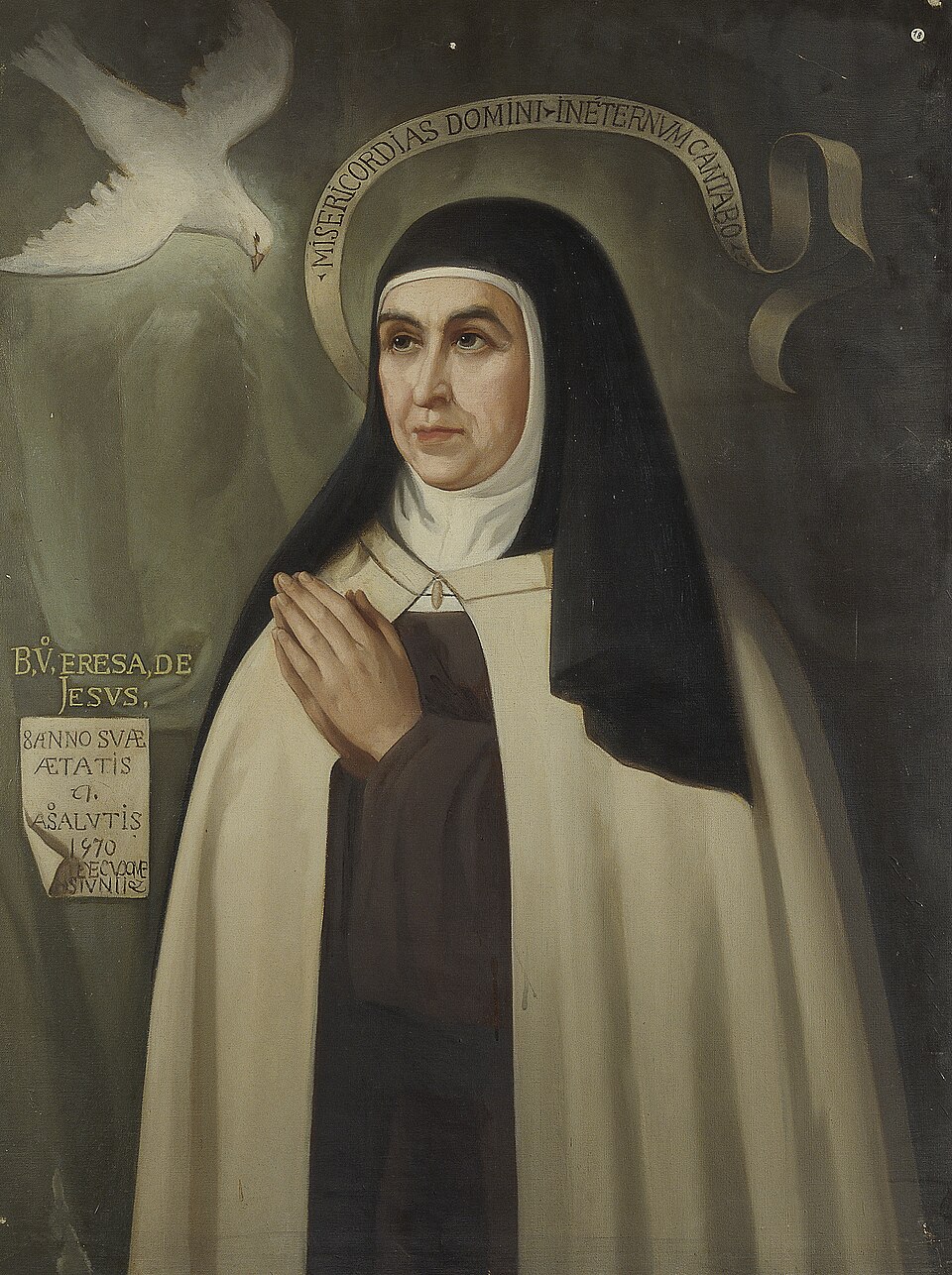
Saint Teresa of Ávila, born Teresa de Cepeda y Ahumada in 1515, entered a world of fervent Catholic faith and burgeoning intellectualism in Castile, Spain. From a noble family, she was one of ten children, and her early life was marked by a profound spiritual sensitivity. Even as a child, she displayed an ardent desire for martyrdom, once running away with her brother to seek it in Moorish lands. Though dissuaded, this early zeal foreshadowed a life dedicated entirely to God. Educated by Augustinian nuns, she developed a deep interior life, yet also struggled with worldly attachments, a theme she would later explore with profound honesty in her writings. At the age of twenty, despite her father's initial resistance, she entered the Carmelite convent of the Incarnation in Ávila, embarking on a spiritual journey that would transform not only her own life but the entire Carmelite Order.
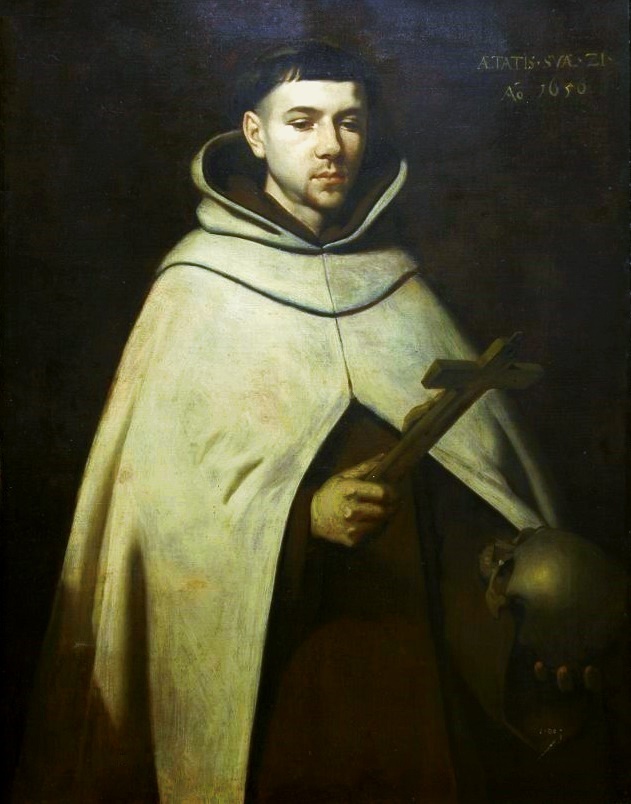
Within the cloister, Teresa's spiritual life deepened, though she grappled for many years with what she termed "spiritual dryness" and the distractions of convent life. Through intense prayer, penance, and a radical commitment to Christ, she experienced profound mystical graces, including visions, ecstasies, and the extraordinary phenomenon of transverberation – the piercing of her heart by an angel's fiery dart, leaving a wound of divine love. These experiences ignited within her a burning desire for reform. Recognizing the laxity that had crept into many religious houses, she embarked on an ambitious project to restore the Carmelite Order to its original, stricter rule. With immense courage and against considerable opposition, she founded the first Discalced Carmelite convent in 1562, establishing a new branch of the order dedicated to poverty, enclosure, and contemplative prayer. Her tireless efforts, often undertaken amidst great suffering and misunderstanding, led to the foundation of numerous monasteries and convents throughout Spain, alongside her spiritual director and collaborator, Saint John of the Cross. Her literary masterpieces, "The Interior Castle" and "The Way of Perfection," born from her own mystical experiences, remain unparalleled guides to the spiritual life, earning her the rare distinction of Doctor of the Church.
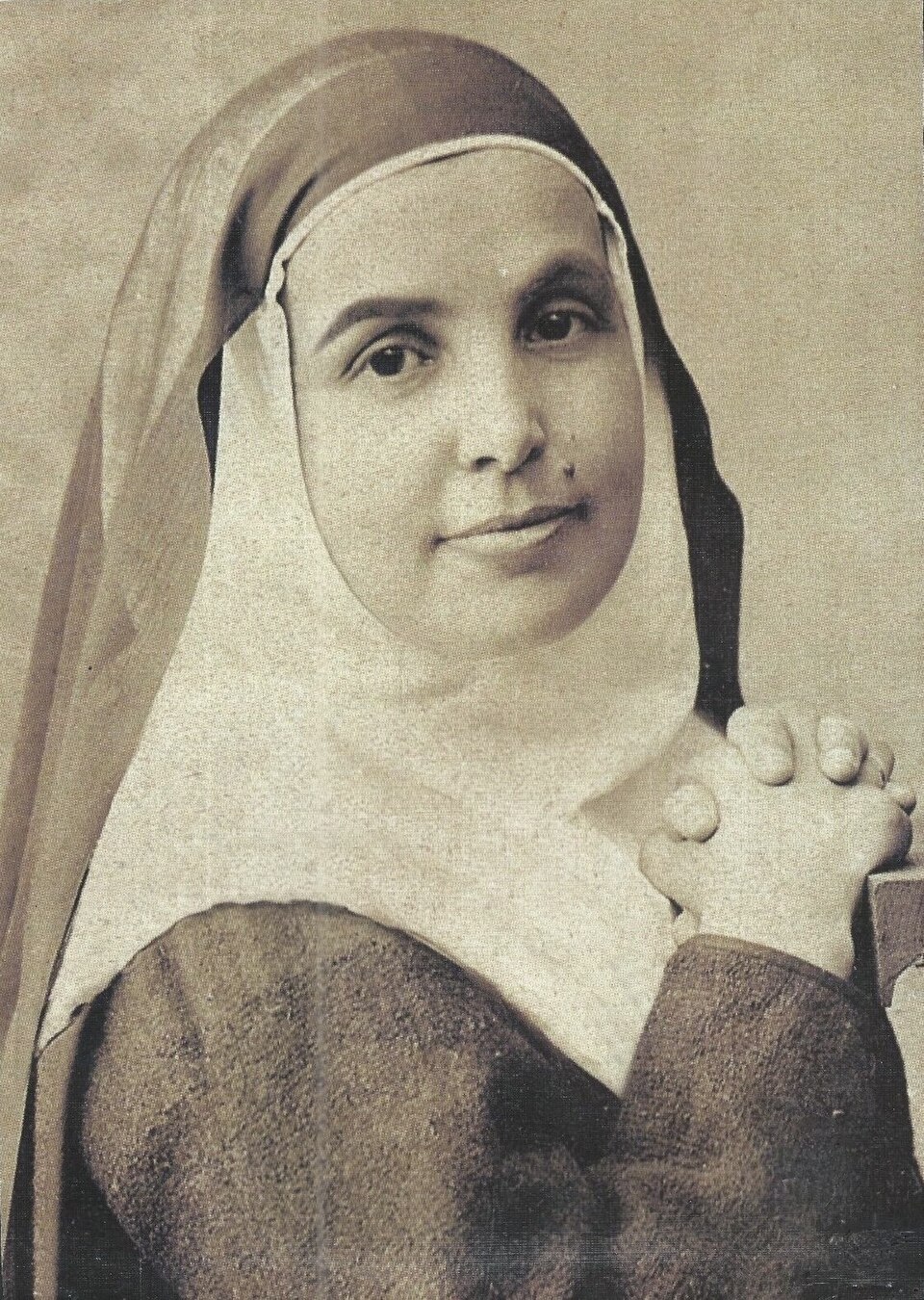
Teresa's earthly pilgrimage concluded on October 4, 1582, in Alba de Tormes, where she died in the arms of her beloved companion, Blessed Anne of Saint Bartholomew. Her final words, "My Lord, it is time to go. May Thy will be done. The hour has come for us to see each other," encapsulated her profound longing for divine union. Nine months after her burial, her body was exhumed and found to be miraculously incorrupt, emitting a sweet, heavenly fragrance that permeated the air. This extraordinary preservation, a testament to her sanctity, led to the distribution of various relics over the centuries. Today, her heart and left hand are preserved in the Carmelite convent in Alba de Tormes, a powerful focal point for pilgrims. The heart, in particular, bears a visible wound, which many interpret as physical evidence of the transverberation she described, a tangible sign of her intense mystical union with God.
Saint Teresa of Ávila stands as one of the most influential figures in Catholic history, a towering intellect and a profound mystic whose legacy continues to inspire millions. Her canonization in 1622 affirmed her sanctity, and her subsequent declaration as a Doctor of the Church in 1970 recognized the enduring theological and spiritual depth of her writings. Pilgrims to Alba de Tormes today can venerate her incorrupt heart and hand, tangible reminders of a life utterly consumed by divine love. Her teachings on prayer, the stages of the spiritual life, and the importance of interior recollection remain as relevant as ever, guiding souls on their journey to God. Through her life and her writings, Saint Teresa continues to call all Christians to a deeper, more intimate relationship with Christ, proving that even in the midst of worldly struggles, profound sanctity and mystical union are attainable.
Discovery
The story of Saint Teresa of Ávila's incorruptibility begins not long after her earthly journey concluded. She died on October 4, 1582, in Alba de Tormes, during a visitation to the Convent of the Annunciation. Her burial was a simple affair, in a plain wooden coffin, interred in the convent's chapel. However, the remarkable events commenced nine months later, on July 4, 1583. Father Gracián, her confessor and a prominent figure in the Discalced Carmelite order, ordered her exhumation. He was eager to see her remains, perhaps driven by a premonition or the burgeoning reverence for her sanctity. When the coffin was opened, a profound astonishment swept through those present. The body of Teresa, though interred for months in a damp environment, was found to be perfectly preserved. There was no sign of decomposition; her flesh was supple, her habit still vibrant, and a sweet, unearthly fragrance, often described as a mixture of lilies and spices, emanated from her remains. This miraculous scent was so potent that it filled the chapel, a clear sign to the witnesses of her sanctity. Among those present were Father Gracián himself, several Carmelite nuns, and other ecclesiastical figures, all of whom bore witness to this extraordinary discovery, confirming the immediate and widespread belief in her special favor from God.
The initial exhumation in 1583 was merely the first in a series of examinations that would span centuries, each revealing the persistent incorruption of her remains. Following the initial discovery, the body was reinterred, but not for long. In 1585, just three years after her death, a more thorough examination was conducted. During this inspection, it was decided, perhaps controversially by modern standards, to remove her left hand as a relic for the Carmelite monastery in Lisbon, a testament to the fervent desire for tangible connections to the saint. This act marked the beginning of the distribution of her relics. Further examinations in 1586, 1588, and 1590 continued to confirm the body's remarkable state of preservation. Each time, witnesses attested to the suppleness of her skin, the natural color of her habit, and the enduring sweet fragrance. It was during one of these early examinations that her heart was also removed and placed in a separate reliquary. This heart, remarkably, bore distinct marks, which many interpreted as the physical manifestation of transverberation – the mystical piercing of her heart by an angel's fiery lance, an experience she herself had vividly described in her writings. These ongoing inspections solidified the belief in her incorruption, even as the body was gradually dismembered for the veneration of the faithful.
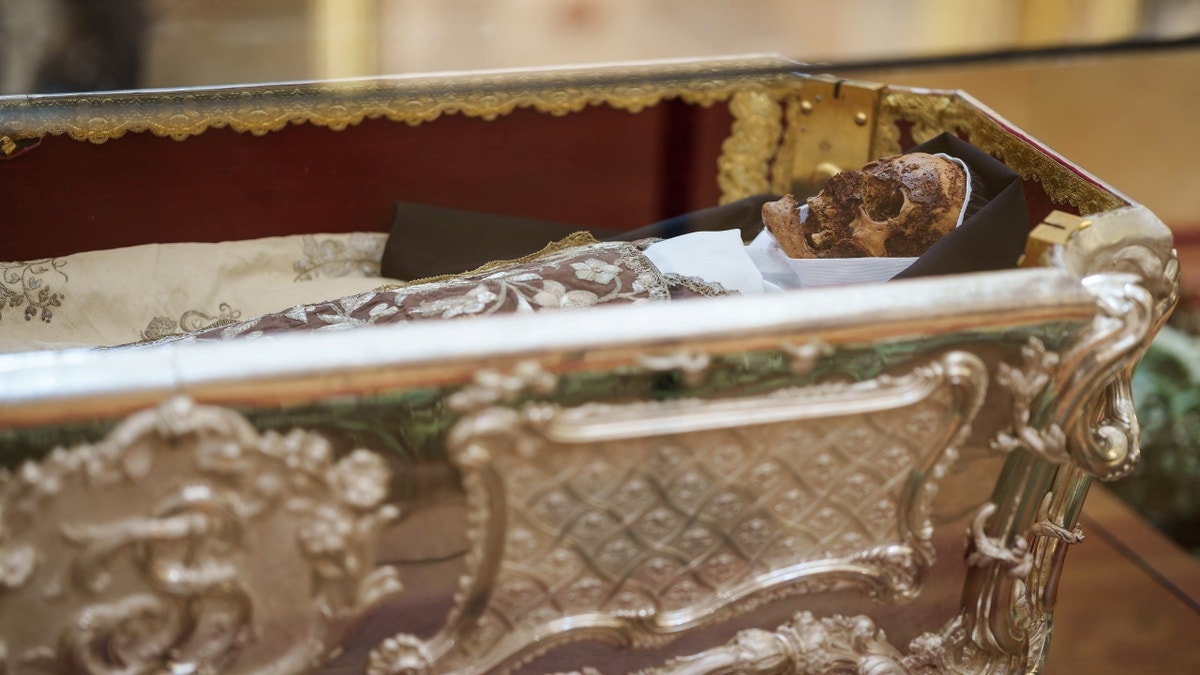
The preservation journey of Saint Teresa's remains has been one of both veneration and fragmentation. After the initial exhumations and the removal of several significant relics, the remaining body was eventually placed in a more fitting resting place. Today, the main portion of her body, though missing several parts, is preserved within a glass casket in the Convent of the Annunciation in Alba de Tormes, Spain, where she died. This casket allows pilgrims to view her remains, which, despite the passage of over four centuries, retain a remarkable degree of preservation. The most celebrated relics, her heart and her left hand, have their own distinct histories. Her heart is housed in a magnificent reliquary, also at the Convent of the Annunciation, encased in crystal and gold, a focal point for devotion. The left hand, initially sent to Lisbon, has a more complex journey, with various portions of it now residing in different Carmelite convents around the world, including Rome and Ávila. These relics are meticulously cared for, often kept in climate-controlled environments and regularly inspected by ecclesiastical authorities to ensure their continued preservation and to protect them from decay or damage. The elaborate reliquaries themselves are works of art, reflecting the profound reverence accorded to these sacred objects.
Beyond the mere absence of decay, several remarkable phenomena have consistently been associated with Saint Teresa's incorrupt body throughout the centuries. The most frequently cited is the persistent sweet fragrance that emanated from her remains. This ethereal scent, often likened to a blend of roses, lilies, and other exotic spices, was noted at her first exhumation and continued to be reported during subsequent inspections. It was not merely a faint aroma but often described as potent enough to fill a room, defying natural explanation. Another striking detail was the suppleness of her flesh. Unlike the rigid, desiccated remains typically found after such a long period, her body was repeatedly described as flexible, as if she had only recently passed away. There were also accounts of a miraculous oil or liquid exuding from her bones or flesh, particularly from her left hand, which was collected and venerated by the faithful. While the main portion of her body now rests in Alba de Tormes, the individual relics, particularly the heart with its distinct marks, continue to be objects of profound devotion, serving as tangible testaments to the extraordinary life and enduring sanctity of this Doctor of the Church. These phenomena, consistently reported over centuries by numerous witnesses, underscore the unique and miraculous nature of Saint Teresa's incorruption.
Preservation
Heart preserved in the Convent of the Annunciation, Alba de Tormes. Left hand in various locations.
Scientific Analysis
The phenomenon of incorruption, particularly as observed in the case of Saint Teresa of Ávila, presents a compelling subject for scientific inquiry, bridging historical accounts with forensic analysis. Following her death in 1582, her body underwent a series of exhumations and examinations that have been meticulously documented. The initial exhumation occurred nine months after her burial in 1583, reportedly revealing a body that was supple, with intact skin and a pleasant odor, in stark contrast to the expected putrefaction. Friar Jerónimo Gracián, a close associate, was among the first to witness this state. Further examinations were conducted by various ecclesiastical and medical personnel over the centuries. For instance, in 1585, Dr. Juan de la Fuente, a physician, reportedly inspected the body and confirmed its unusual preservation. A more detailed account comes from the 17th century, where records indicate examinations by local doctors and religious authorities, consistently noting the absence of typical decomposition. The most striking findings pertained to her heart and left hand, which were found to be remarkably preserved, exhibiting a degree of integrity that defied conventional understanding of post-mortem changes. The heart, in particular, displayed a significant wound, which was interpreted by many as consistent with her mystical experience of transverberation, where an angel pierced her heart with a fiery dart. These early observations, while lacking the rigorous methodology of modern forensic science, consistently reported a state of preservation far beyond what would be expected for a body buried without deliberate embalming.
The scientific enigma surrounding Saint Teresa's incorruption lies in its apparent defiance of normal decomposition processes. Human decomposition is a complex biological sequence driven by autolysis (self-digestion by enzymes) and putrefaction (bacterial action), leading to the breakdown of tissues and organs. Environmental factors such as temperature, humidity, and the presence of oxygen significantly influence this rate. Saint Teresa was buried in a conventional manner within the Convent of the Annunciation in Alba de Tormes, Spain. The climate in this region, characterized by warm summers and moderate humidity, would typically accelerate decomposition. There are no historical records indicating any deliberate embalming or preservation treatments applied to her body at the time of death. The initial reports of a flexible body, intact skin, and a persistent sweet odor are highly anomalous. While natural phenomena like saponification (adipocere formation) can preserve fatty tissues, turning them into a waxy, soap-like substance, this process usually results in a rigid, brittle body, not the supple state described. Furthermore, saponification typically affects adipose tissue, whereas the reported preservation extended to other soft tissues and organs, notably the heart. The persistence of a "sweet odor" for years is also inconsistent with the putrid smell associated with decomposition or the faint, sometimes acrid, scent of adipocere. These discrepancies highlight the scientific challenge in explaining the early observations through known natural processes.
Various natural explanations have been proposed to account for instances of incorruption, including saponification, mummification, and specific environmental conditions. Saponification, as mentioned, involves the hydrolysis of fats into fatty acids and soaps, requiring a moist, anaerobic environment. While it can preserve a body's general form, it does not typically maintain the flexibility or color of living tissue, nor does it account for the reported sweet odor. Mummification, on the other hand, occurs in dry, arid conditions that dehydrate tissues, preventing bacterial growth. The burial environment in Alba de Tormes does not align with the extreme dryness required for natural mummification. Skeptics often attribute such cases to a combination of favorable environmental factors, misinterpretation of observations, or even deliberate, though unrecorded, preservation efforts. However, in Saint Teresa's case, the specific details—the reported suppleness, the intactness of internal organs like the heart, and the persistent sweet odor—make it difficult to reconcile fully with these natural explanations. The distribution of relics, particularly the heart and hand, has further complicated comprehensive scientific analysis of the entire body as a single unit, as it has been dismembered over centuries.
From a modern scientific perspective, the case of Saint Teresa of Ávila presents a unique opportunity for interdisciplinary research, though the historical context and relic distribution pose significant challenges. Contemporary forensic pathology and taphonomy have advanced significantly, offering tools that could potentially shed light on such historical phenomena. Techniques such as CT scans could provide non-invasive insights into the internal structure and state of preservation of the remaining tissues. Carbon dating could establish the authenticity of the tissues, while advanced tissue analysis, including histology and molecular biology, might identify specific preservation mechanisms or substances. For instance, analyzing the chemical composition of the preserved tissues could reveal the presence of any natural or artificial preservative agents. The reported wound on the heart could be examined with modern imaging to determine its nature and origin. While the historical accounts are compelling, the absence of rigorously controlled scientific studies at the time means that many questions remain unanswered. A comprehensive, non-destructive examination of the extant relics, utilizing the full spectrum of modern forensic science, would be invaluable in moving from anecdotal evidence to empirical understanding, potentially revealing novel insights into the complex processes of post-mortem preservation, whether natural or otherwise.
Spiritual Significance
The enduring phenomenon of incorruption, particularly in the case of Saint Teresa of Ávila, offers a profound theological testament to the sanctity of the human body and the transformative power of divine grace. Within Catholic theology, the incorrupt body of a saint is not merely a biological anomaly but a miraculous sign, pointing toward the ultimate destiny of humanity: the resurrection of the body. Saint Paul's teaching in 1 Corinthians 6:19, that our bodies are temples of the Holy Spirit, finds a tangible echo in these preserved remains. For Teresa, whose heart and one hand remain miraculously intact centuries after her death, this incorruption is interpreted by the Church as a divine affirmation of her extraordinary union with God, a physical manifestation of the spiritual fire that consumed her. It is a foretaste of the glorified body promised to the faithful, a visible link in the communion of saints, reminding us that those who have gone before us in faith are not distant memories but living members of the Mystical Body of Christ, interceding for us from heaven. The preservation of her heart, in particular, speaks to the depth of her love for God, a love so intense it seemingly defied the natural processes of decay, becoming a perennial sermon on the power of divine charity.
Saint Teresa of Ávila, a Doctor of the Church, was endowed with a unique charism for mystical prayer and spiritual reform, founding the Discalced Carmelite Order. Her heroic virtues were manifold, but perhaps most prominent was her profound humility, which allowed her to receive extraordinary graces while remaining grounded in self-knowledge. She practiced an intense charity, not only towards her sisters in community but also in her tireless efforts to renew the Carmelite charism, often facing immense opposition. Her obedience to the Church, even amidst profound mystical experiences that might have led others astray, was unwavering. Her daily life was a testament to a radical poverty, both material and spiritual, seeking detachment from all worldly comforts to better cleave to God. She was a pioneer in articulating the stages of interior prayer, contributing immensely to the mystical tradition through her seminal works like "The Interior Castle" and "The Way of Perfection." Her way of holiness was characterized by a practical mysticism, emphasizing that even the most sublime spiritual experiences must be rooted in concrete acts of virtue and service, demonstrating that profound union with God is attainable not just in cloistered contemplation but also in the active pursuit of holiness.
Devotion to Saint Teresa of Ávila has flourished since her canonization in 1622, solidifying her place as one of the most beloved and influential saints. She is widely recognized as a patron saint of those suffering from headaches (due to her own struggles), writers, and Spanish Catholics. Her feast day on October 15th is celebrated with particular solemnity, often marked by special Masses, novenas, and reflections on her spiritual writings. Pilgrims from across the globe journey to the Convent of the Annunciation in Alba de Tormes, Spain, where her incorrupt heart and hand are venerated. The experience of visiting her shrine is often described as deeply moving, a tangible encounter with sanctity. To stand before these miraculously preserved relics is to touch a piece of sacred history, to feel a profound connection to a woman who walked with God in an extraordinary way. The reverence with which these relics are displayed and the prayers offered by countless pilgrims attest to a living faith that transcends time, finding inspiration and intercession in the physical remnants of a life lived entirely for Christ.
The incorrupt body of Saint Teresa has itself been a source of profound spiritual consolation and a catalyst for numerous miracles attributed to her intercession. While specific, widely documented miracles directly linked to her incorruption are often interwoven with the broader narrative of her powerful intercession, the very existence of her preserved heart and hand is considered a continuous miracle, inspiring faith and wonder. Throughout the centuries, countless individuals have reported healings, conversions, and answered prayers after invoking her name or visiting her shrine. The spiritual power emanating from her relics is not merely anecdotal; it is a lived experience for many who seek her aid. The faithful believe that through her powerful intercession, God continues to work wonders, demonstrating that death does not sever the bonds of love and prayer within the communion of saints. Her incorruption serves as a constant reminder of the supernatural dimension of faith, challenging a purely materialistic worldview and offering hope in the face of suffering and doubt.
For modern believers, Saint Teresa of Ávila’s life and her incorruption offer an enduring message of hope, spiritual discipline, and the profound possibility of union with God. In an age often characterized by materialism, secularism, and a pervasive sense of spiritual emptiness, her radical commitment to Christ and her profound mystical experiences challenge us to look beyond the superficial and seek deeper meaning. Her writings, still vibrant and relevant, provide a roadmap for interior prayer and growth, demonstrating that holiness is not an abstract concept but a journey accessible to all who earnestly seek God. Her incorruption serves as a tangible bridge between the visible and invisible worlds, a physical sign that the spiritual realm is real and that God’s power can transcend natural laws. It encourages people today to cultivate an interior life, to embrace humility, and to pursue a love for God that transforms every aspect of their existence, reminding us that true fulfillment is found not in worldly possessions but in an intimate relationship with the Divine.
AI summary
A plain-language overview generated from this page's source material. Always verify with primary sources.