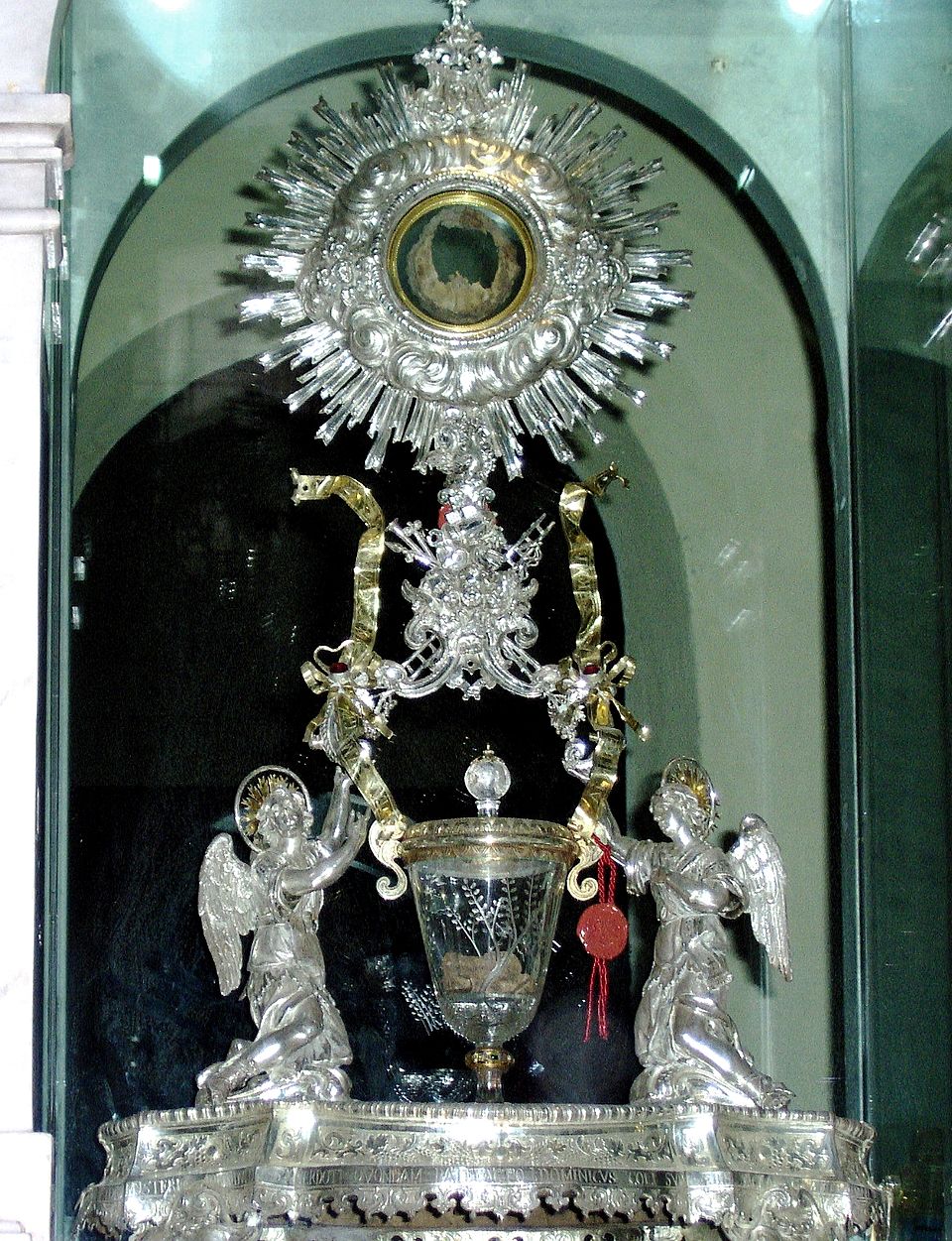
A dying man received Communion but vomited. The vomit was thrown into a fire, but the next morning the consecrated Host was found intact and unburned among the ashes. The Host survived a second fire when the house burned down. The miracle became the founding event of Amsterdam's civic identity.
History
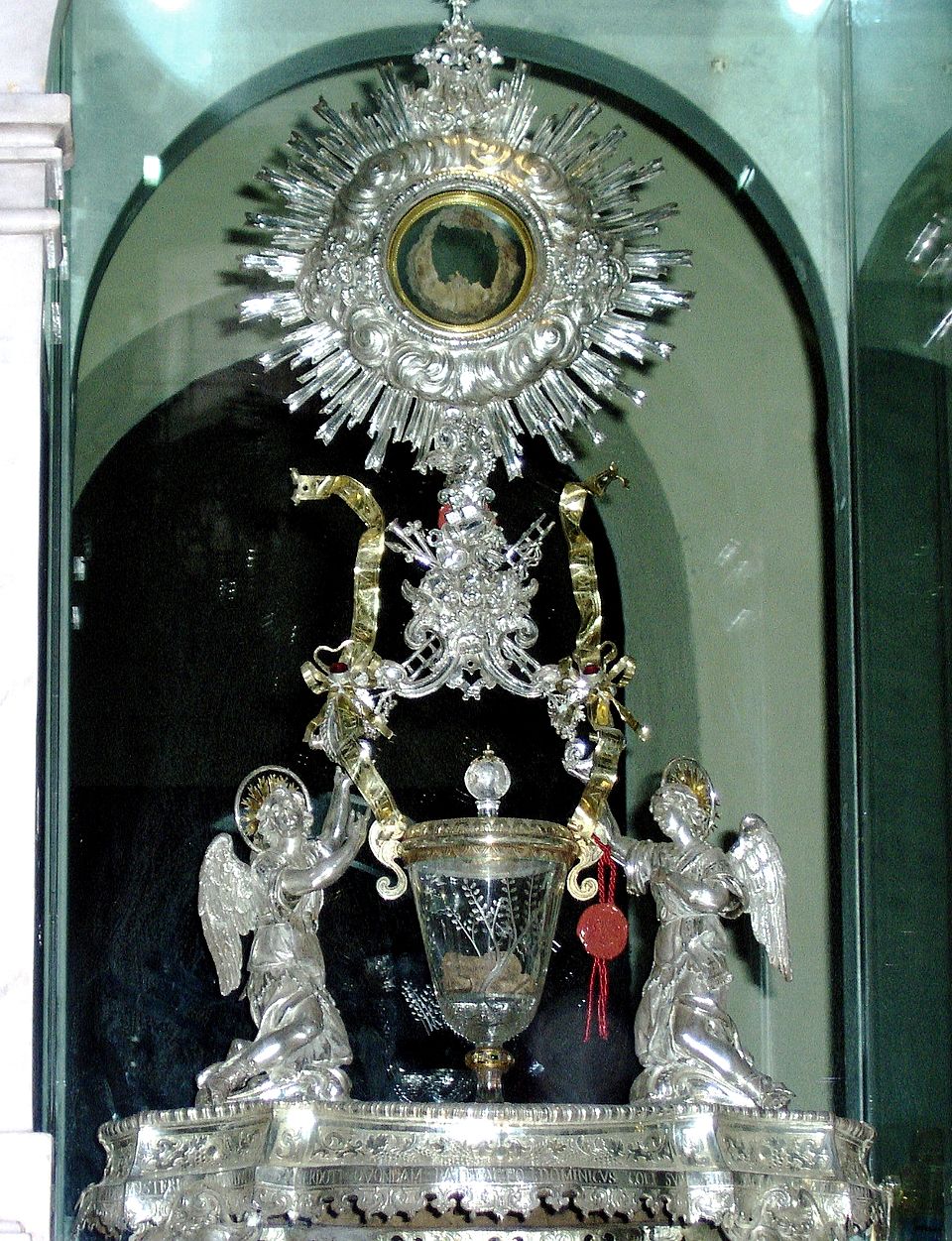
On March 15, 1345, a dying man in Amsterdam received the last sacraments, including Holy Communion. However, he became ill and vomited. The woman caring for him threw the vomit, including the consecrated Host, into the fire. The next morning, when she went to clean out the ashes, she found the Host perfectly intact and unburned, glowing among the cold ashes. She placed it in a linen cloth and brought it to the parish priest, who returned it to the church. However, the Host miraculously returned to the house twice. When the house itself later caught fire and burned down, the Host was again found unharmed among the ashes. The miracle was investigated and approved by the Bishop of Utrecht. The site became Amsterdam's most important pilgrimage destination, and the annual Stille Omgang (Silent Procession) — a nighttime walking pilgrimage through the streets of Amsterdam — has been held in commemoration since the 15th century. The procession continues to this day, making it one of the oldest continuous religious traditions in the Netherlands.
Scientific Findings
The miracle is extensively documented in historical records from the 14th century onward. The survival of the Host through two separate fires was witnessed by multiple people and formally investigated by Church authorities. The annual Stille Omgang procession has continued for nearly 700 years, serving as continuous testimony to the event.
AI summary
A plain-language overview generated from this page's source material. Always verify with primary sources.