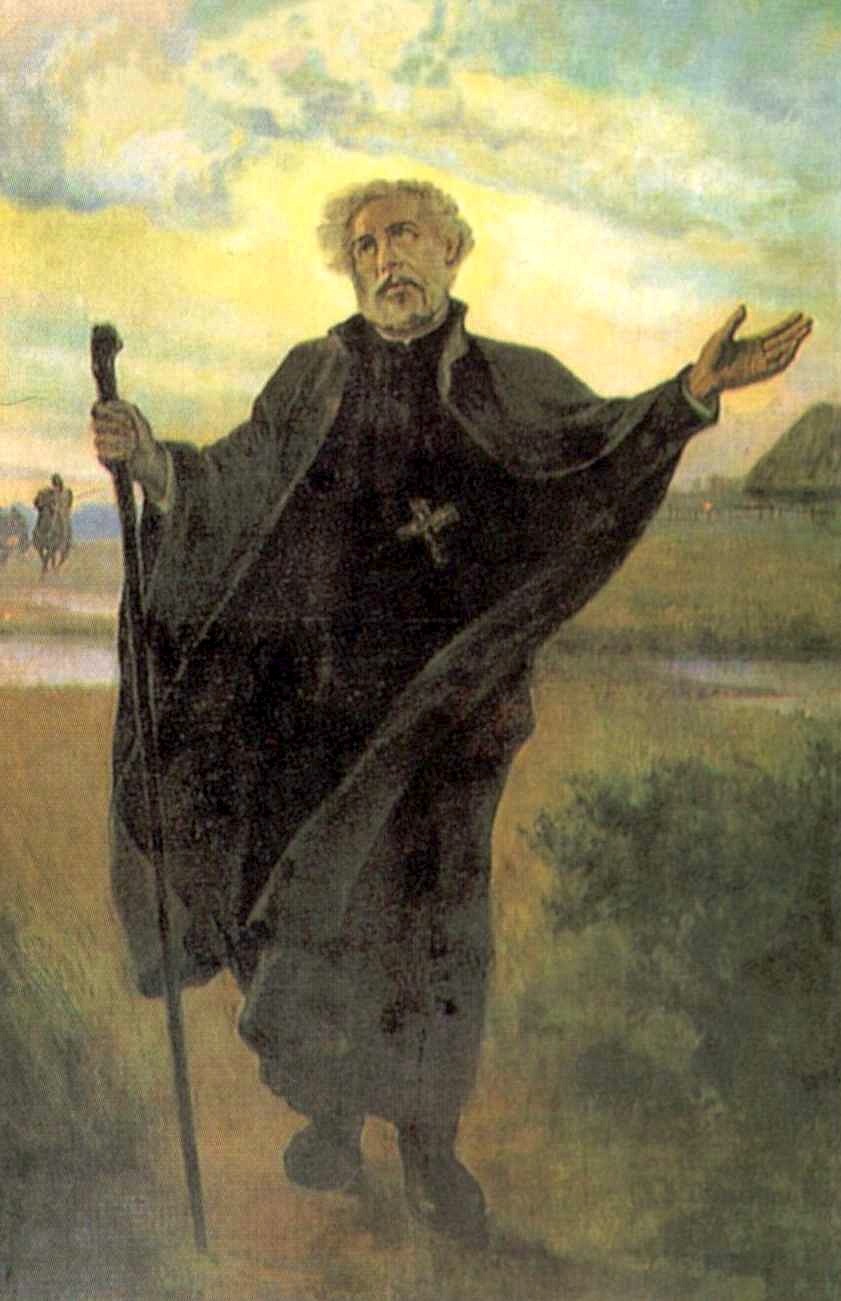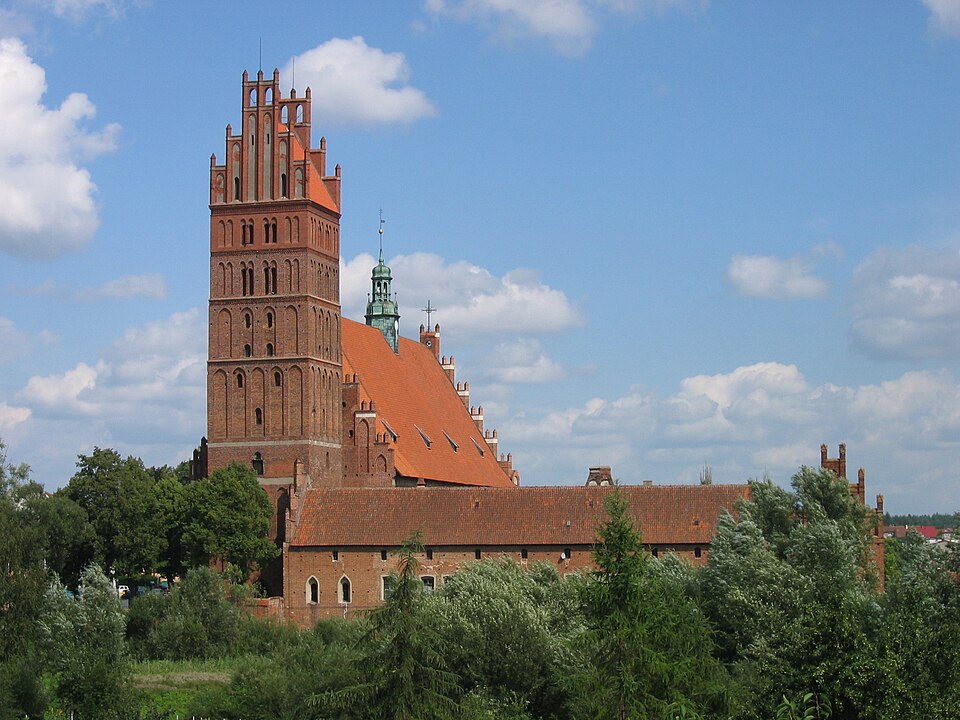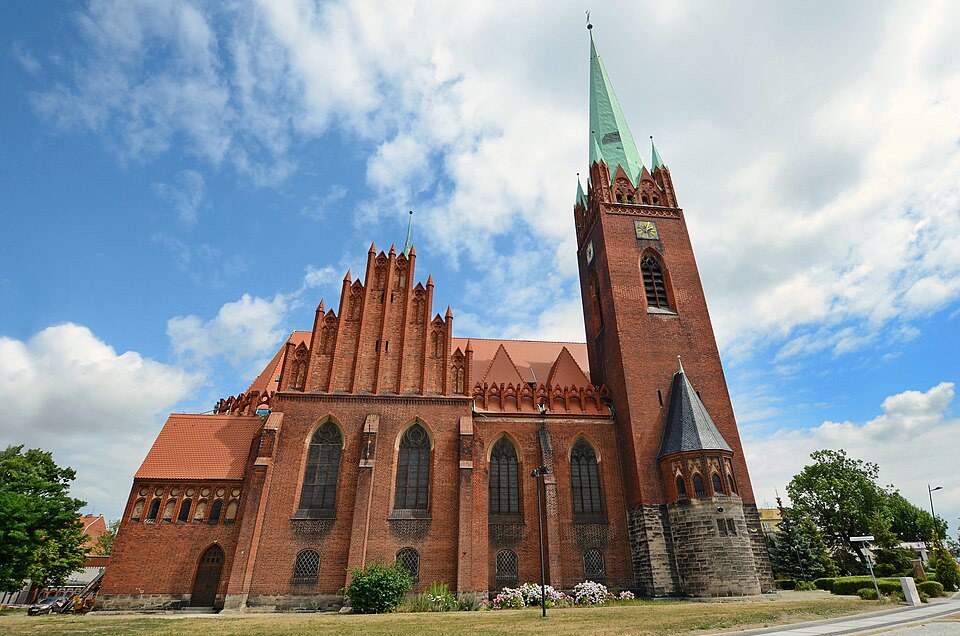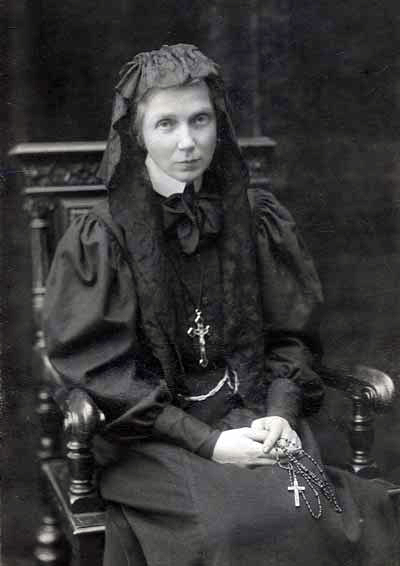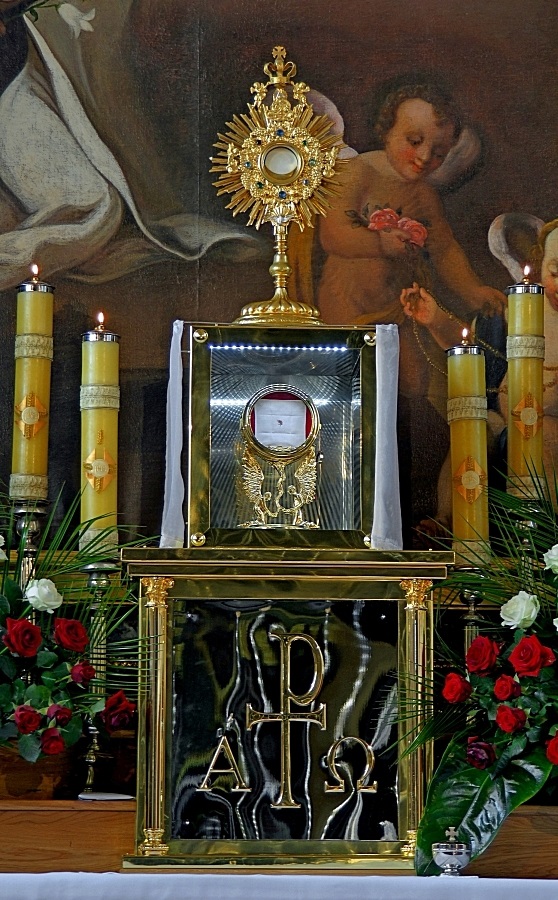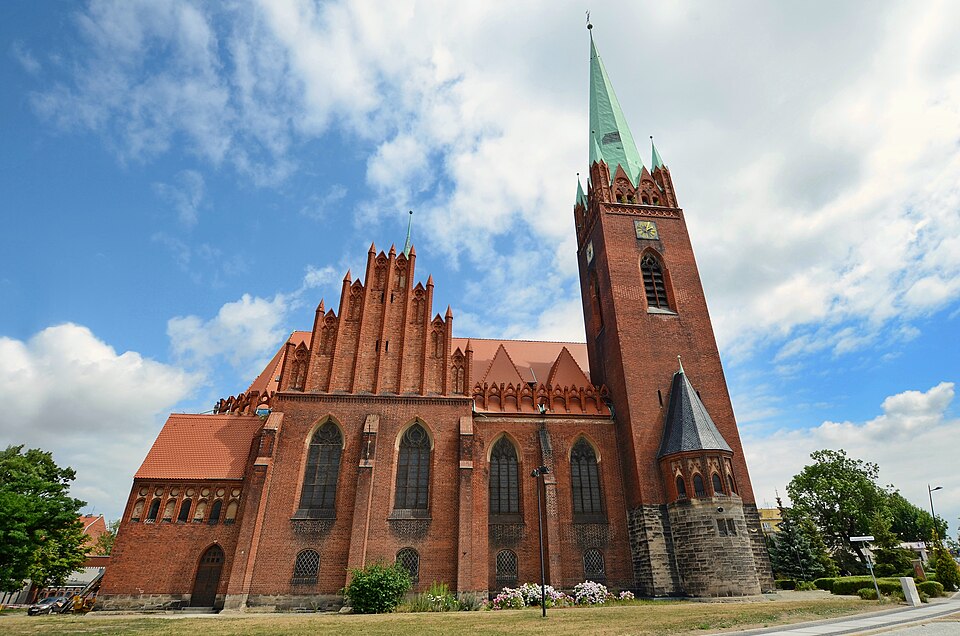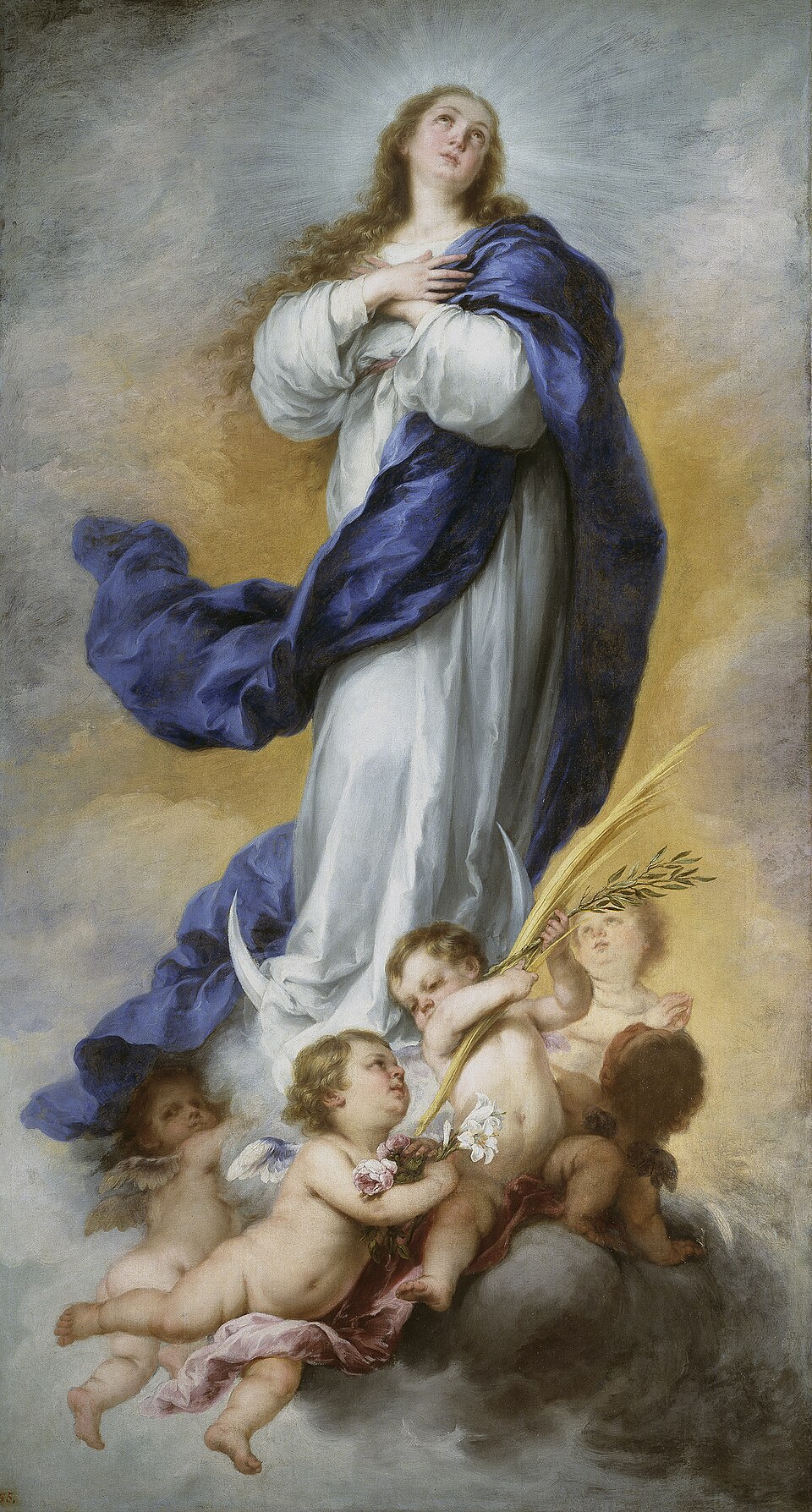
Two young girls, Justyna Szafrynska and Barbara Samulowska, saw the Blessed Virgin Mary seated on a golden throne with the infant Jesus on her lap, accompanied by angels, above a maple tree near the parish church. Our Lady spoke to the children in the Warmian dialect of Polish — the only approved apparition where Mary spoke in Polish. She requested daily recitation of the Rosary and identified herself as 'the Blessed Virgin Mary of the Immaculate Conception.'
History
The apparitions began on June 27, 1877, and continued through September 16, 1877, with 160 apparitions in total. The two visionaries were questioned separately and their accounts were consistent. Our Lady appeared seated on a throne with the Christ Child, surrounded by angels. She spoke in the local Warmian Polish dialect, which was significant because the region was under Prussian rule and the German authorities were suppressing Polish language and culture. The apparitions drew enormous crowds — up to 50,000 people at a time — and became a rallying point for Polish Catholic identity under foreign occupation.
Messages
'I am the Blessed Virgin Mary of the Immaculate Conception. I desire that you pray the Rosary every day.' She also requested that the sick and suffering come to the shrine for healing.
Associated Miracles
Numerous healings were reported during and after the apparitions, including cures of blindness, paralysis, and other ailments. A miraculous spring appeared at the site.
Scientific Investigation
Bishop Filip Krementz of Warmia conducted a thorough canonical investigation in 1877. The children were examined by doctors and theologians. The investigation concluded positively.
Spiritual Significance
The Gietrzwald apparitions are the only Church-approved Marian apparitions in Poland where Our Lady spoke in Polish. They played a crucial role in sustaining Polish Catholic identity during the Kulturkampf — Bismarck's campaign against the Catholic Church. The shrine became a symbol of resistance and faith.