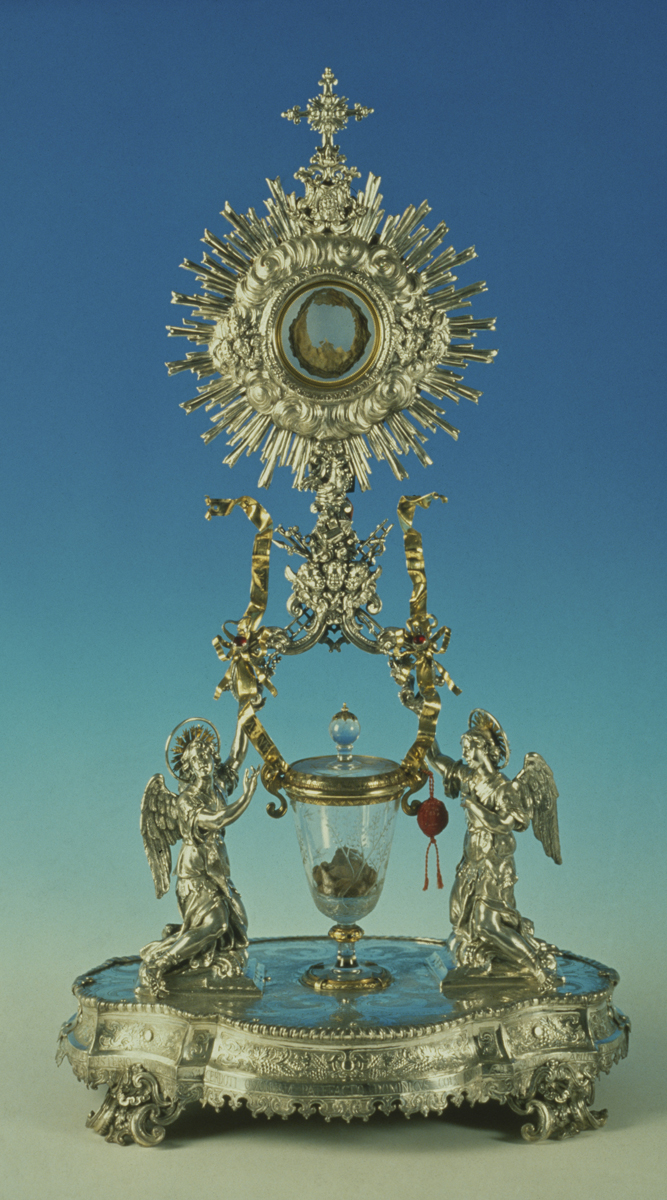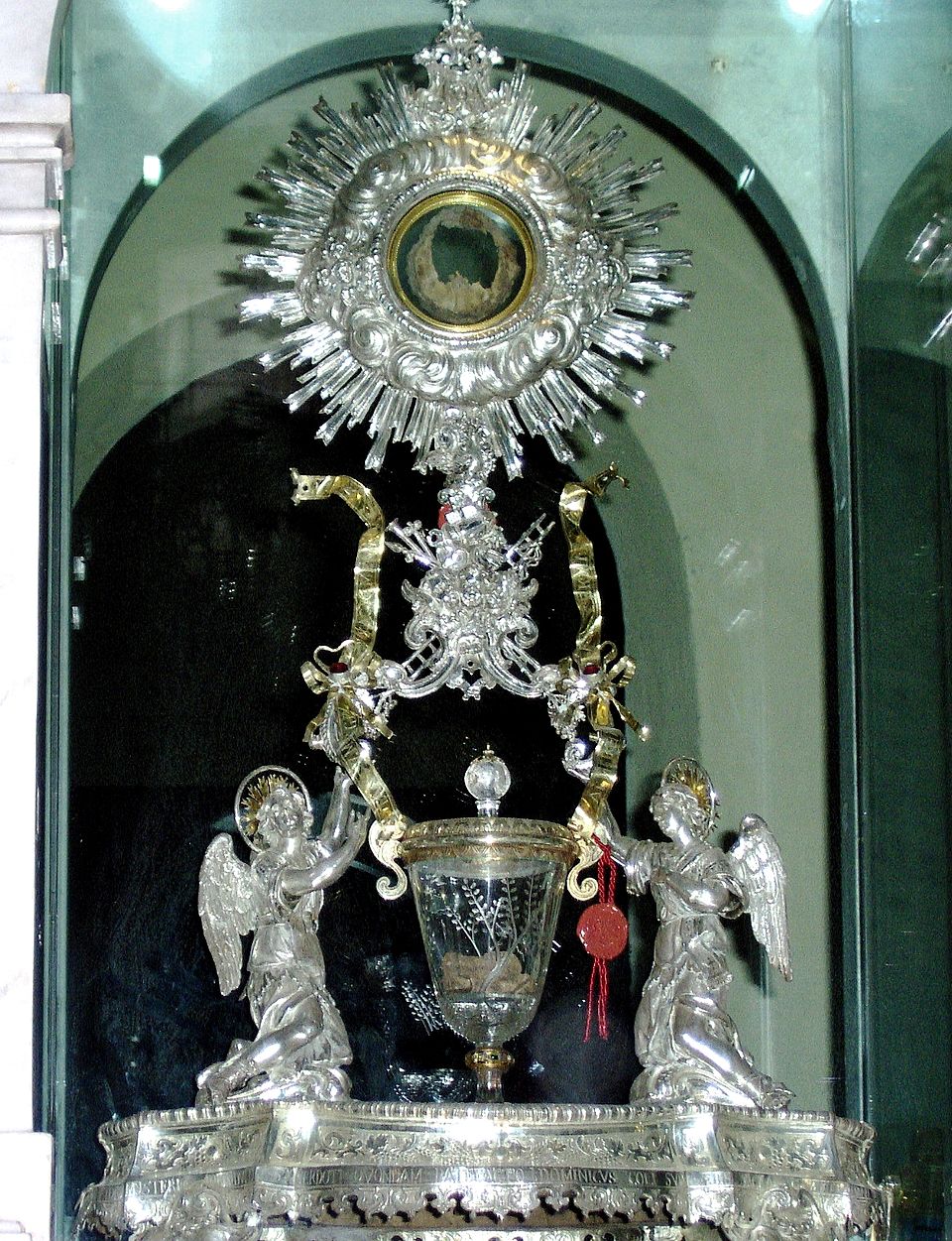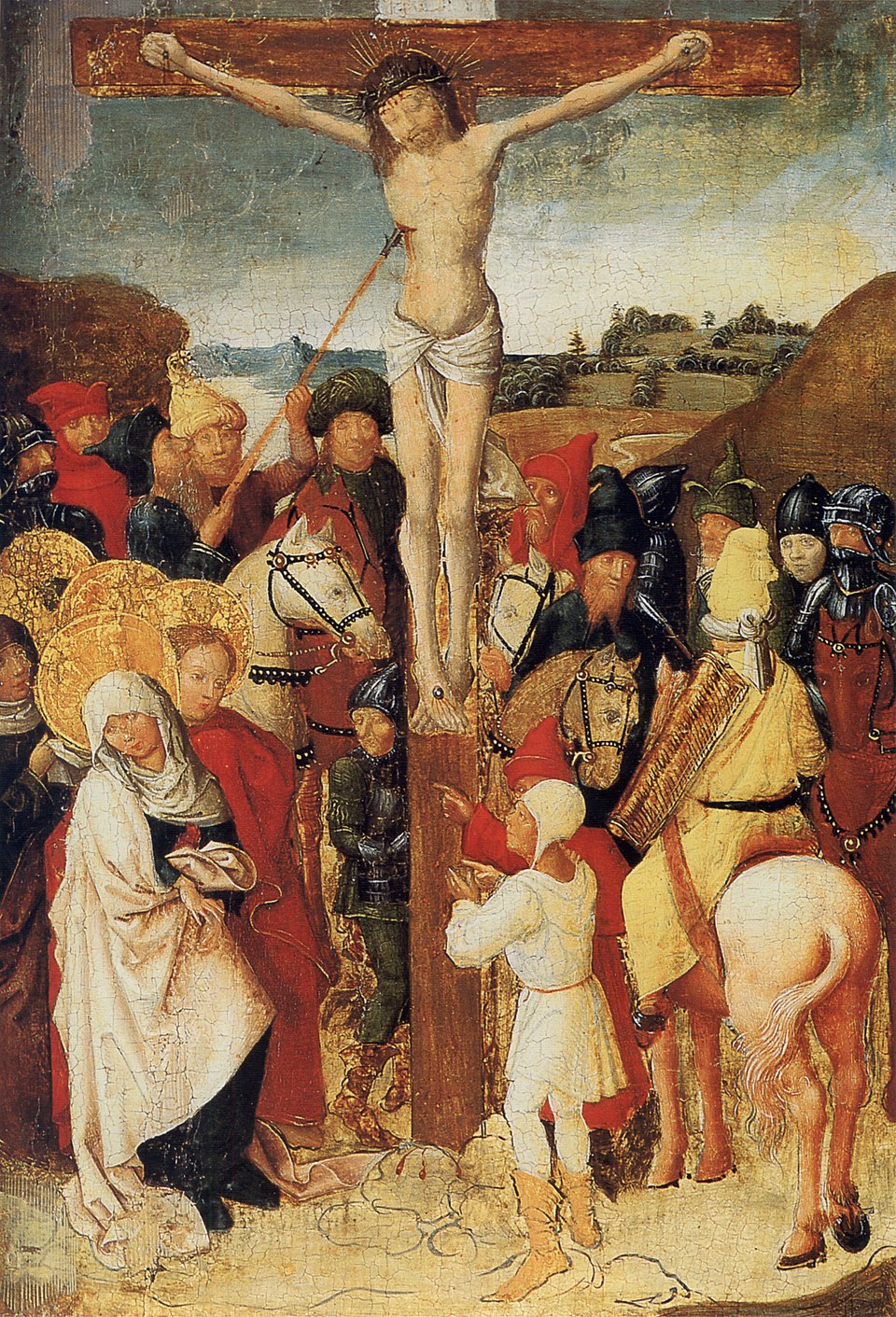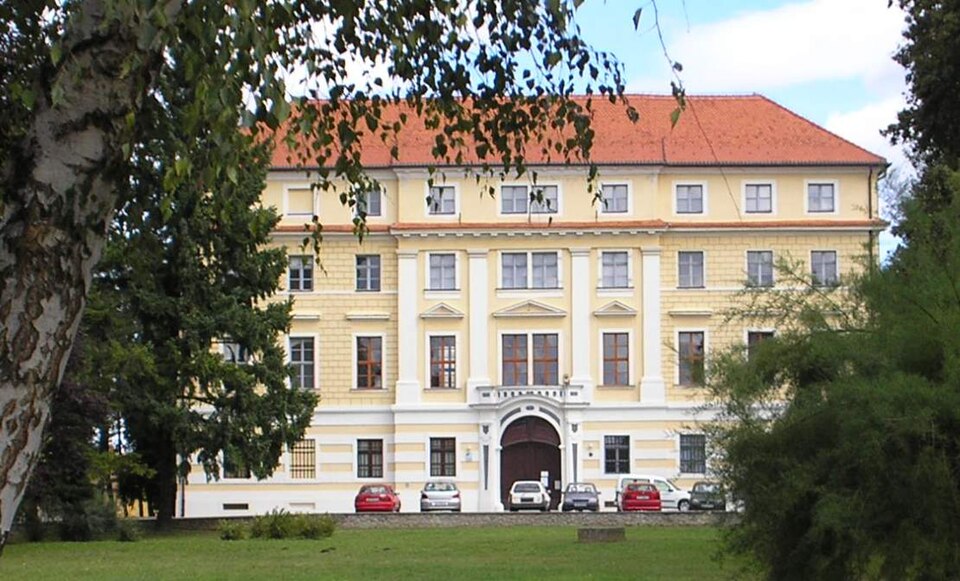
During Mass, the wine in the chalice transformed into blood. The blood has been preserved in a crystal vial for over 600 years. Pope Leo X confirmed the miracle in 1513, and the shrine is one of Croatia's most important pilgrimage sites.
History
In 1411, a priest in Ludbreg was celebrating Mass when, at the moment of consecration, the wine in the chalice visibly transformed into blood. The priest, initially doubting the Real Presence, was overwhelmed by the miracle and reported it to his superiors. The blood was carefully preserved in a crystal vial. For over a century, the miracle was kept relatively quiet, but in 1513, Pope Leo X officially confirmed the miracle and granted special indulgences to pilgrims visiting the shrine. The Chapel of the Precious Blood was built to house the relic, and Ludbreg became one of Croatia's most important pilgrimage destinations. In 1739, Pope Benedict XIV reconfirmed the miracle and elevated the chapel. Today, the annual pilgrimage to Ludbreg on the first Sunday after the Feast of the Holy Trinity attracts tens of thousands of pilgrims from across Croatia and neighboring countries.
Scientific Findings
The blood preserved in the crystal vial has been examined at various points in history. The relic has been continuously preserved since 1411. The papal confirmations by Leo X (1513) and Benedict XIV (1739) provide strong ecclesiastical documentation.
AI summary
A plain-language overview generated from this page's source material. Always verify with primary sources.