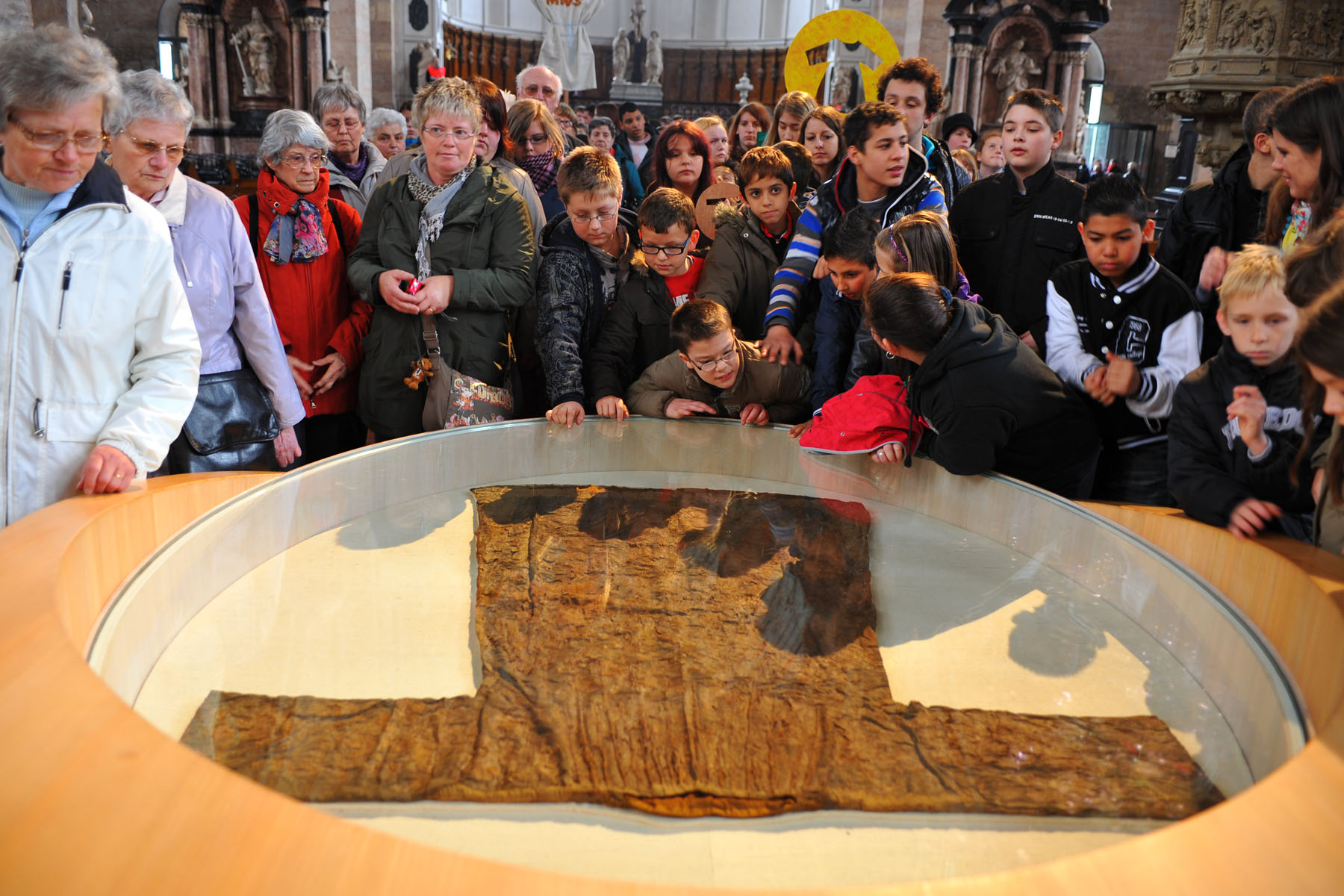
A priest accidentally knocked over the chalice during Mass, spilling the consecrated wine onto the corporal. The wine formed an image of the crucified Christ surrounded by eleven images of the head of Christ wearing the crown of thorns. The bloodstained corporal is preserved in the Basilica of the Holy Blood.
History
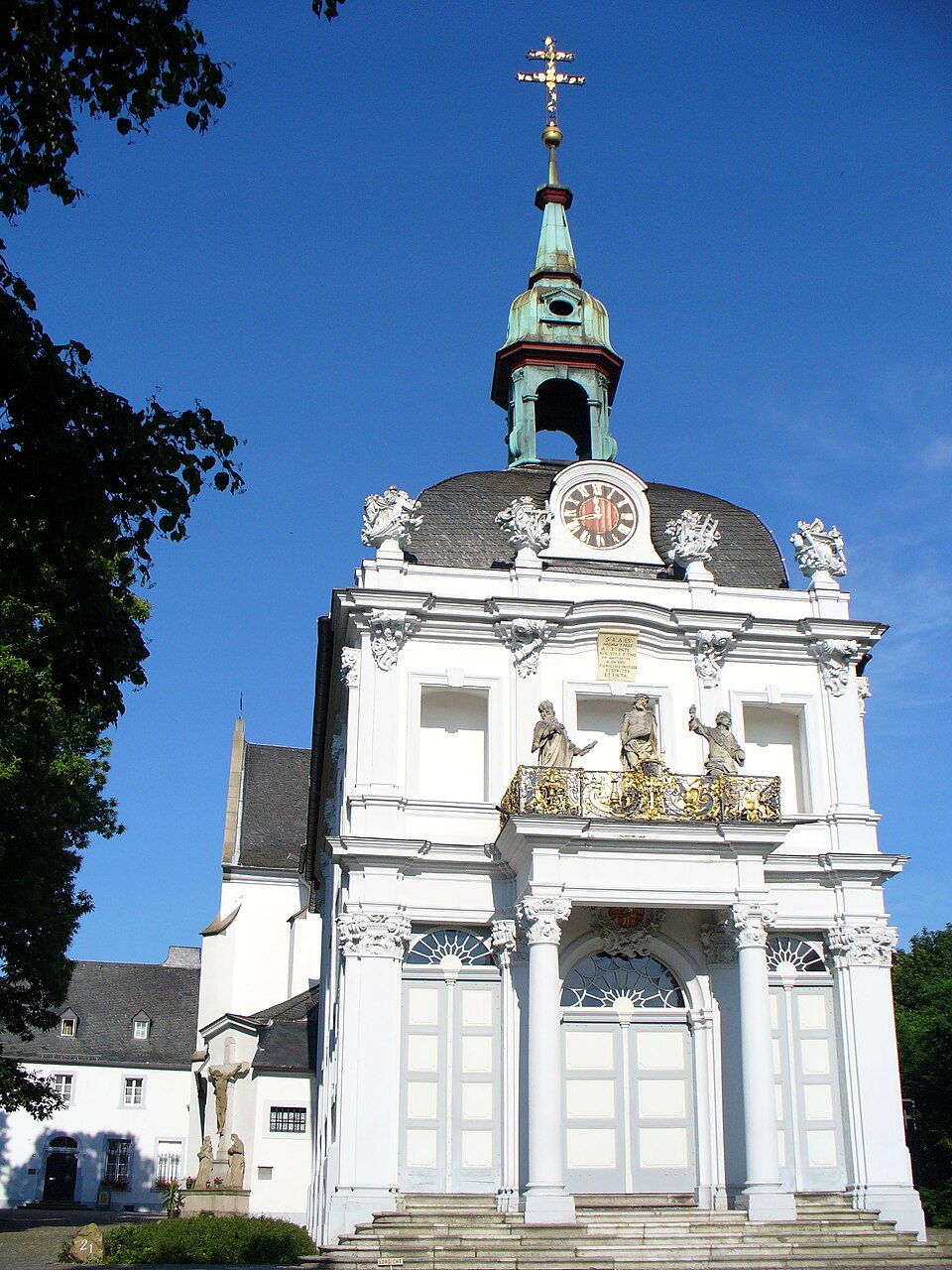
In 1330, Father Heinrich Otto was celebrating Mass in the small church of Walldürn when he accidentally knocked over the chalice after the consecration. The consecrated wine spilled onto the corporal (altar cloth), and to the priest's astonishment, the wine formed a clear image of the crucified Christ surrounded by eleven images of the head of Christ wearing the crown of thorns. Overcome with fear and shame, Father Otto hid the corporal beneath the altar stone, where it remained hidden for decades. On his deathbed, he confessed the miracle to another priest. The corporal was recovered and found to be perfectly preserved with the miraculous images still clearly visible. The discovery led to an enormous surge of pilgrimage to Walldürn. In 1445, Pope Eugene IV officially recognized the miracle and granted indulgences to pilgrims visiting the site. The current Basilica of the Holy Blood was built between 1698 and 1728 to accommodate the growing number of pilgrims. Today, the annual Walldürn pilgrimage is one of the largest in Germany, attracting tens of thousands of pilgrims each year.
Scientific Findings
The corporal has been preserved for nearly 700 years. The images formed by the consecrated wine remain clearly visible on the cloth. Examinations have confirmed the presence of blood components in the stains. The formation of recognizable images from spilled liquid is considered scientifically inexplicable, as liquid spills typically form random patterns rather than coherent images.
AI summary
A plain-language overview generated from this page's source material. Always verify with primary sources.