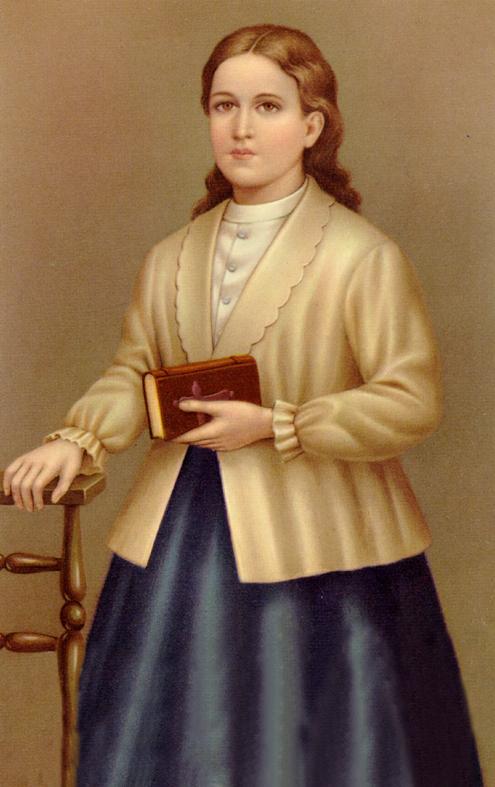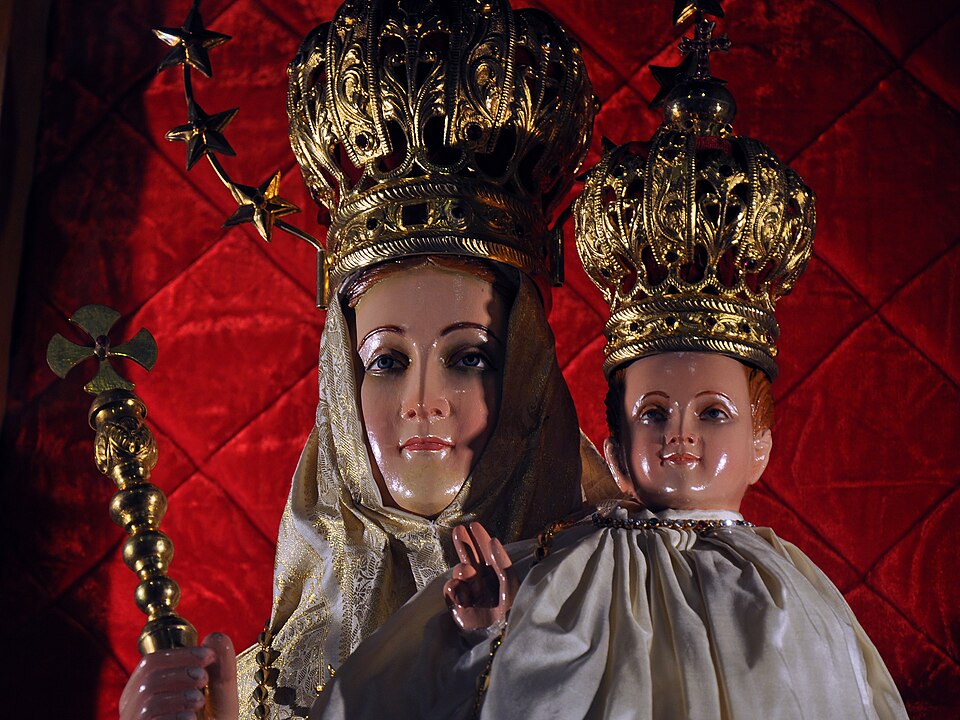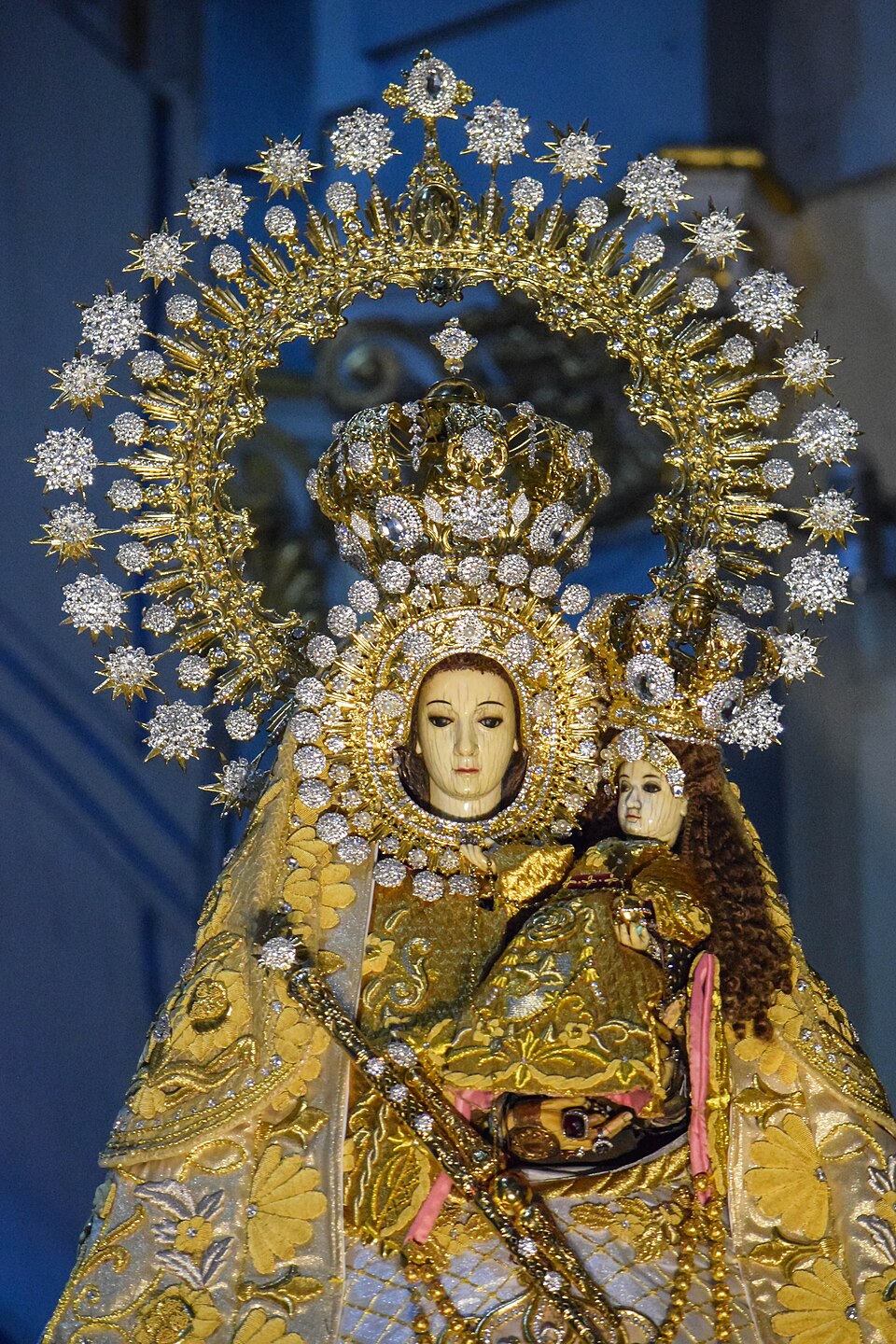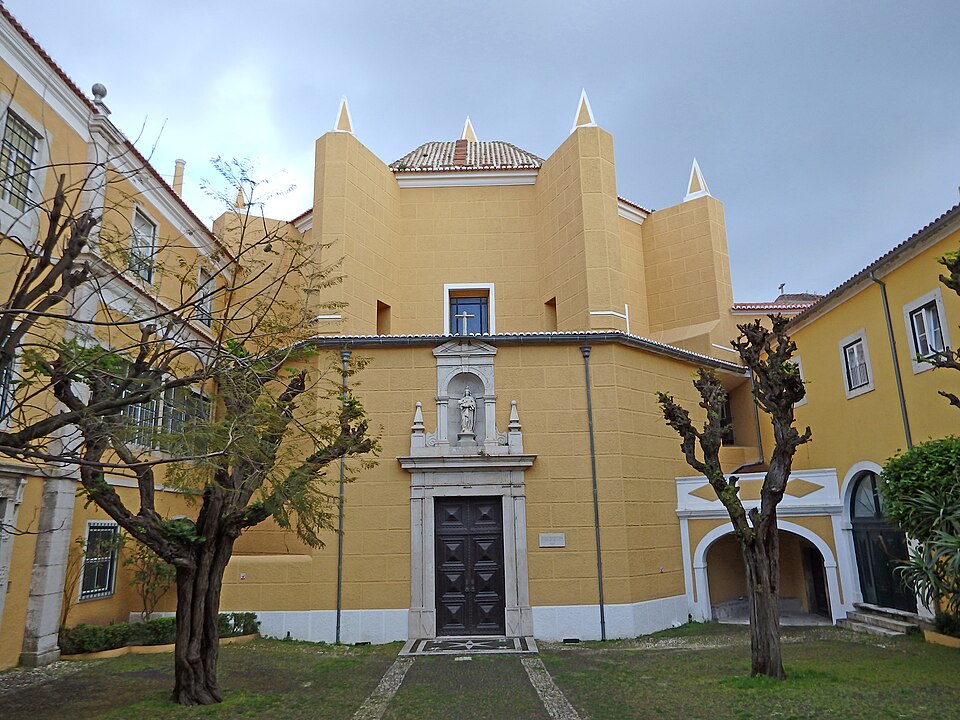
Our Lady of Good Success appeared to Mother Mariana de Jesus Torres, a Spanish-born Conceptionist nun living in Quito, Ecuador. The Virgin Mary requested that a statue be made in her likeness and prophesied about future crises in the Church and the world, particularly in the 19th and 20th centuries. She warned of the loss of faith, corruption of morals, and attacks on the sacraments, but promised that her devotion would bring restoration.
History
Mother Mariana de Jesus Torres was born in Spain in 1563 and traveled to Ecuador to help found the Conceptionist Royal Convent in Quito. Beginning on February 2, 1594, she received a series of apparitions from the Blessed Virgin Mary over a period of 40 years. Our Lady appeared holding the infant Jesus and a crosier, and requested that a statue be made depicting her in this manner. The statue was miraculously completed — according to tradition, the face was finished by the Archangels Michael, Gabriel, and Raphael. The devotion was approved by the local bishop in 1611 and has experienced a remarkable revival in recent decades.
Messages
Our Lady prophesied about future crises in the Church, including the loss of innocence in children, corruption of morals, and attacks on the sacraments of Marriage and Holy Orders. She promised that devotion to her under the title of Good Success would bring consolation and restoration.
Associated Miracles
The miraculous completion of the statue's face; the healing of a blind girl at Mother Mariana's wake; the incorrupt body of Mother Mariana discovered centuries after her death.
Scientific Investigation
The apparitions were investigated by Bishop Salvador de Ribera of Quito, who approved the devotion in 1611. The miraculous completion of the statue was examined by Church authorities.
Spiritual Significance
The prophecies of Our Lady of Good Success have gained renewed attention in modern times for their apparent relevance to current Church and societal challenges. The devotion emphasizes trust in God's providence and Mary's intercession during times of crisis.