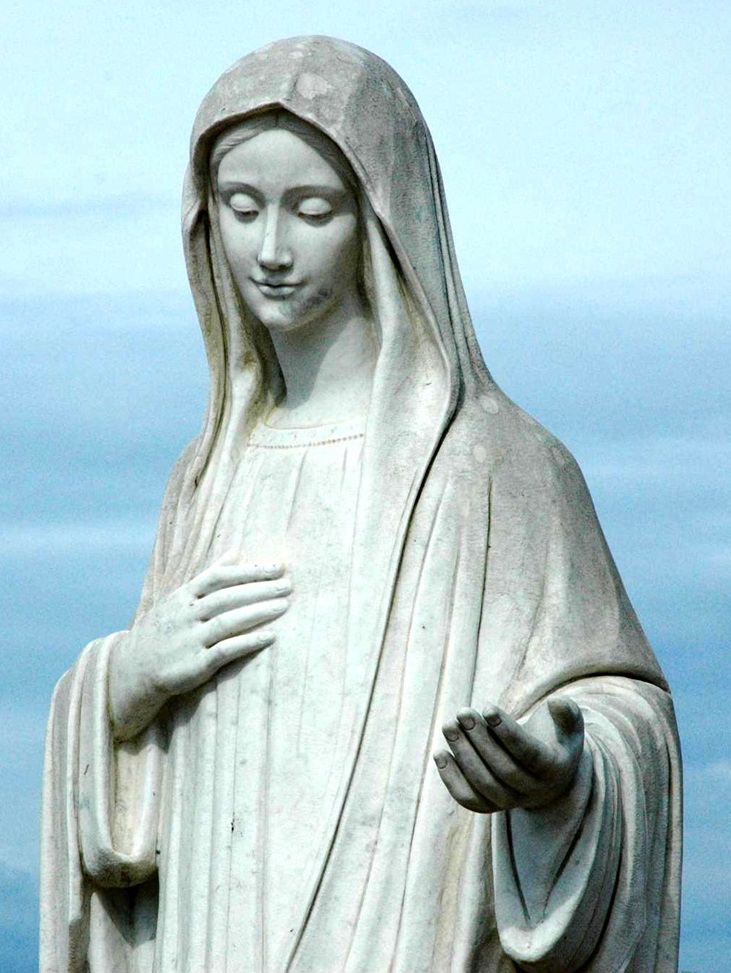
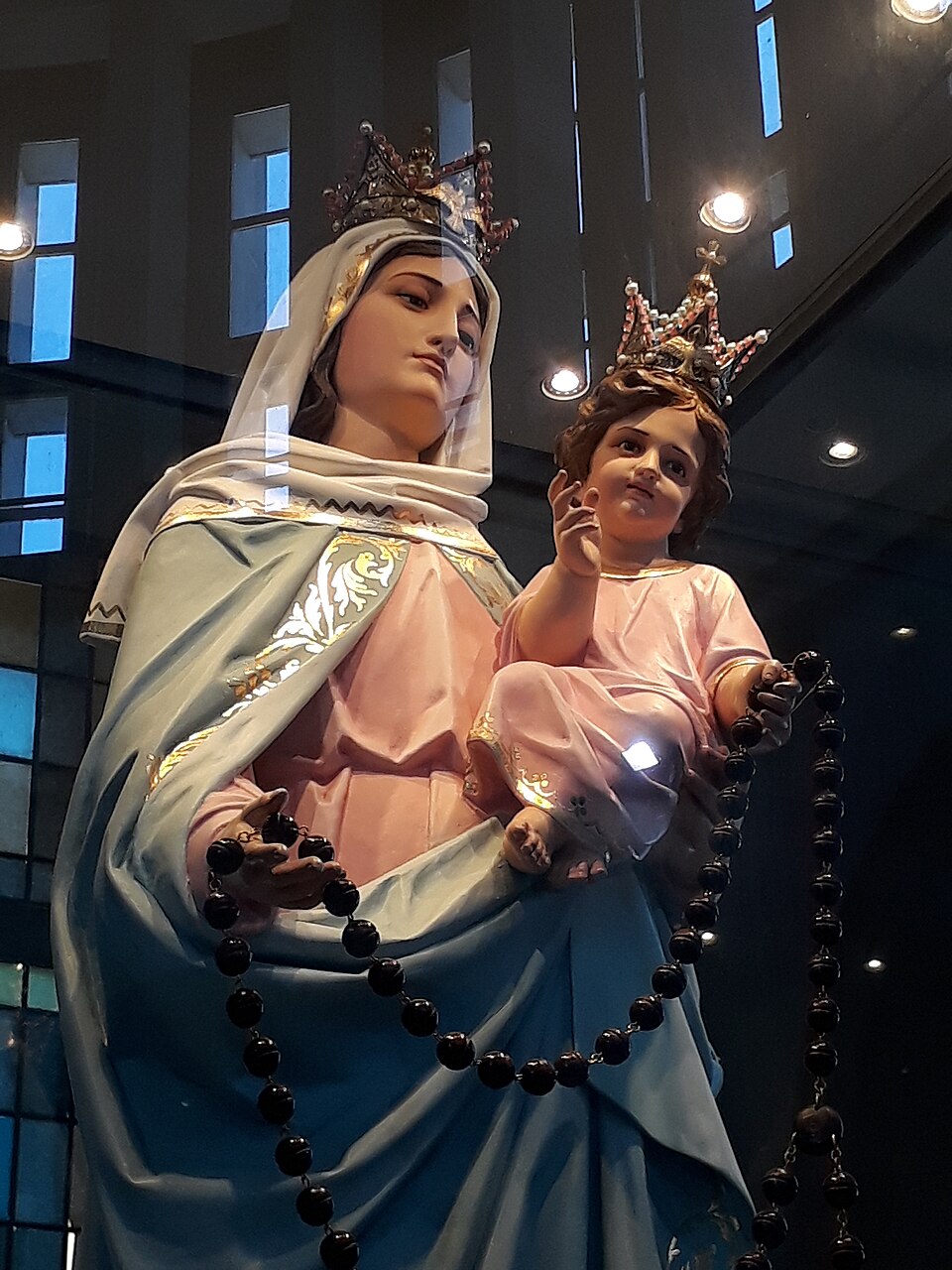
The Blessed Virgin Mary appeared to the indigenous peasant Juan Diego on Tepeyac Hill in December 1531, requesting that a church be built in her honor. As proof, she left her miraculous image imprinted on Juan Diego's tilma (cloak), which remains preserved to this day — defying all known scientific explanation for its preservation over nearly 500 years.
History
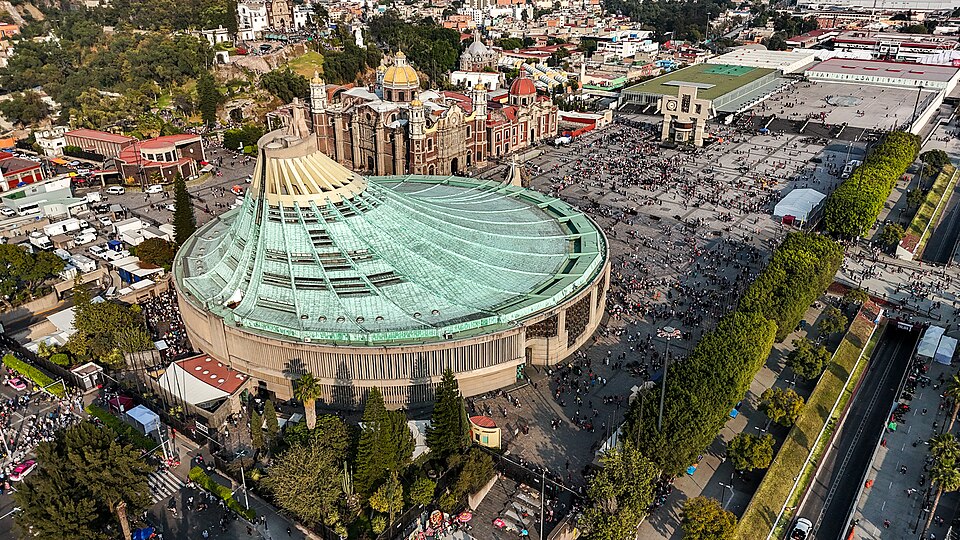
In December 1531, just ten years after the Spanish conquest of the Aztec Empire, a Nahua peasant named Juan Diego Cuauhtlatoatzin was walking past Tepeyac Hill when he heard beautiful music and saw a radiant woman who identified herself as the Virgin Mary. She asked him to request that the local bishop, Juan de Zumarraga, build a church on the hill. After the bishop demanded proof, the Virgin instructed Juan Diego to gather roses from the hilltop — roses that should not have been blooming in December. When Juan Diego opened his tilma before the bishop, the roses fell out and the miraculous image of the Virgin was found imprinted on the cloth. The tilma, made of maguey fiber that normally decomposes within 20 years, has survived nearly 500 years. The image has been studied by NASA scientists, ophthalmologists, and textile experts, all of whom have been unable to explain its origin or preservation. The basilica built at the site is now the most-visited Catholic pilgrimage site in the world, receiving over 10 million visitors annually.
Messages
The Virgin spoke to Juan Diego in his native Nahuatl language, calling herself 'the Mother of the very true God.' Her central message was one of maternal love and protection for the indigenous peoples of the Americas. She said: 'Am I not here, I who am your Mother? Are you not under my shadow and protection? Am I not the source of your joy? Are you not in the fold of my mantle, in the crossing of my arms?' The apparition is credited with the conversion of millions of indigenous people to Christianity within a decade — one of the largest mass conversions in history.
Spiritual Significance
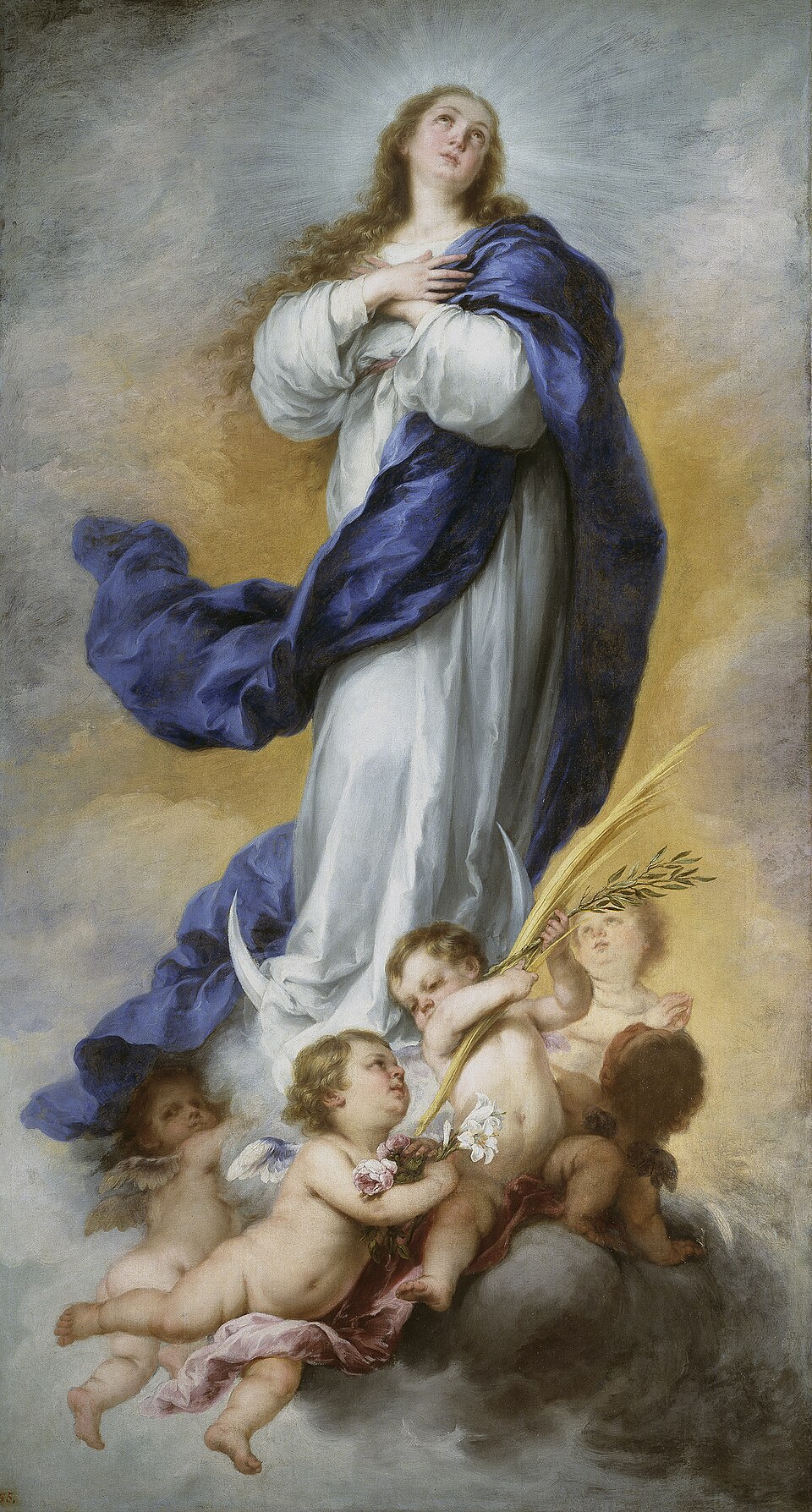
Our Lady of Guadalupe holds a unique place in Catholic devotion as the Patroness of the Americas and the Empress of Latin America. The image on the tilma is rich with symbolism: she stands on a crescent moon (echoing Revelation 12), wears a mantle covered in stars matching the constellation pattern of December 1531, and her hands are joined in prayer — indicating she is not God but points to someone greater. She appears pregnant, carrying Christ to the New World. The feast day of December 12 is one of the most celebrated in the Catholic calendar, and Pope Francis has called her 'the great missionary who brought the Gospel to our Americas.'