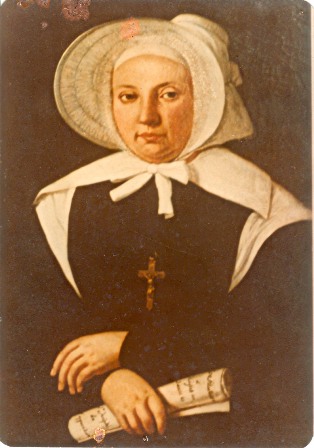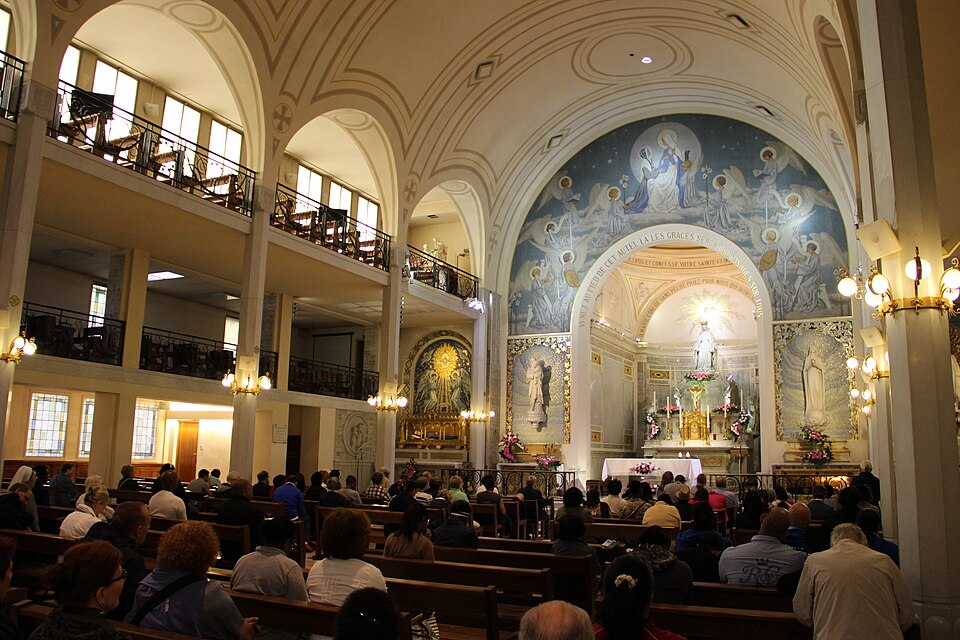
The Blessed Virgin Mary appeared to novice Catherine Laboure in the chapel of the Daughters of Charity in Paris, revealing the design of a medal that would become one of the most widely distributed sacramentals in Catholic history — the Miraculous Medal.
History
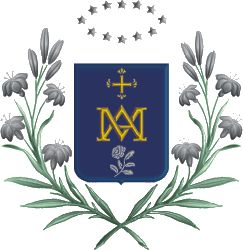
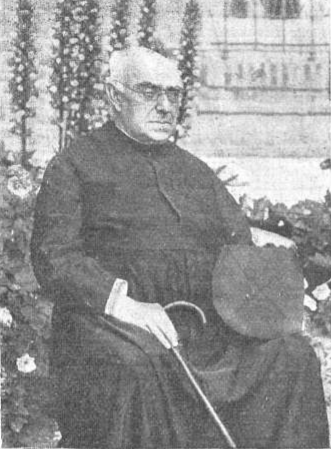
On November 27, 1830, during evening meditation in the chapel at Rue du Bac, Catherine Laboure saw the Blessed Virgin standing on a globe, with rays of light streaming from her hands. An oval frame formed around the vision with the words: 'O Mary, conceived without sin, pray for us who have recourse to thee.' The image then rotated to show the reverse side: the letter M surmounted by a cross, with the hearts of Jesus and Mary below. The Virgin instructed Catherine to have a medal struck according to this design, promising that 'all who wear it will receive great graces.' Catherine's confessor, Father Aladel, eventually brought the design to the Archbishop of Paris, and the first 1,500 medals were struck in 1832. The medal spread rapidly throughout France and the world, accompanied by numerous reports of conversions, healings, and protections. Catherine kept her identity as the visionary secret for 46 years, revealing it only shortly before her death in 1876.
Messages
The Virgin's message centered on the power of prayer and the promise of grace to those who trust in her intercession. She told Catherine: 'Come to the foot of this altar. There, graces will be shed on all, great and little, who ask for them with confidence and fervor.' The rays of light from her hands symbolized the graces she obtains for those who ask — and the dark gems on her fingers that did not emit light represented graces that no one asks for.
Spiritual Significance
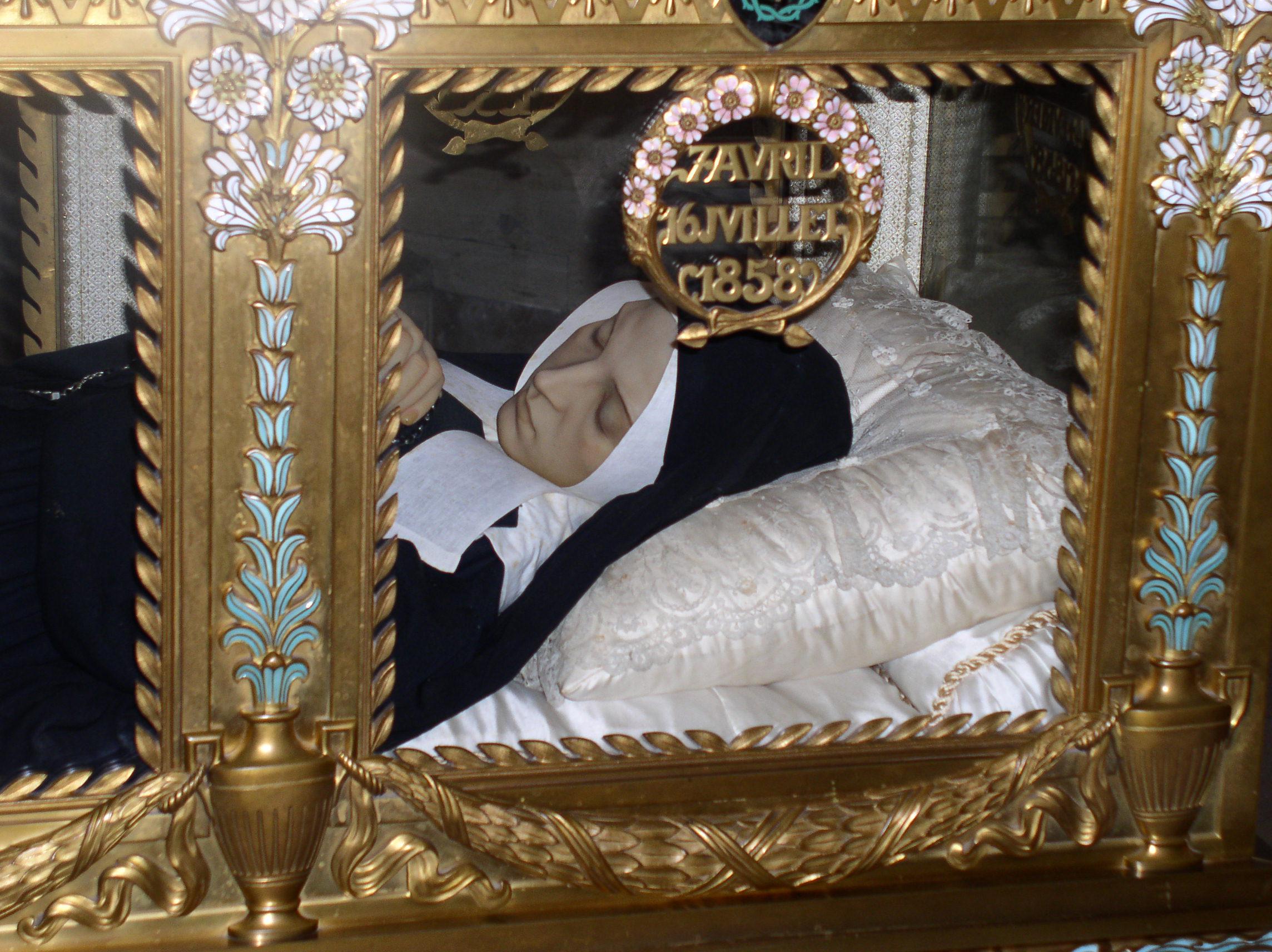
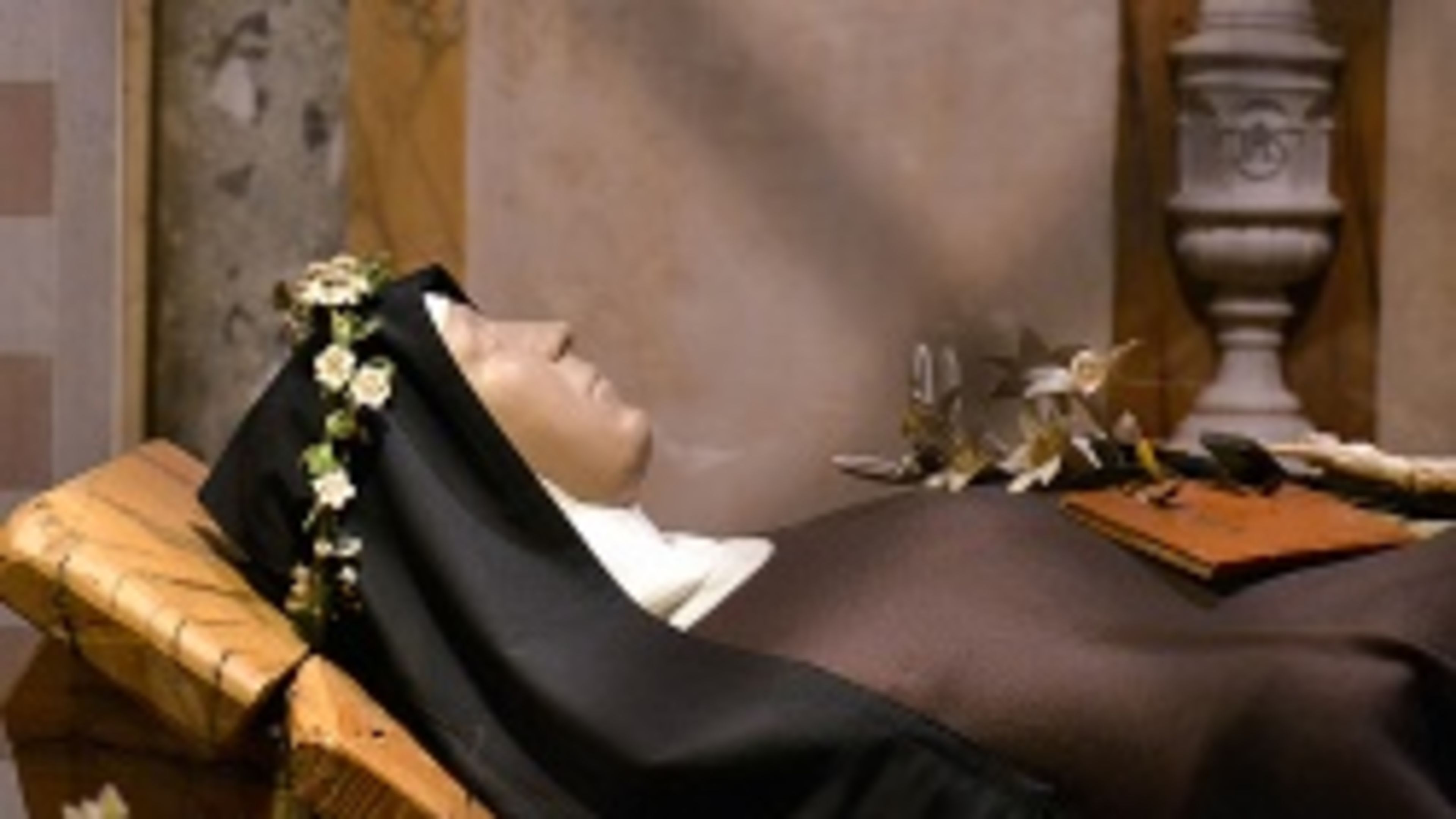
The Miraculous Medal apparition is significant for several reasons. It preceded and anticipated the dogma of the Immaculate Conception (defined in 1854) by 24 years, as the prayer on the medal invokes Mary 'conceived without sin.' The body of Catherine Laboure was found incorrupt when exhumed in 1933 — 57 years after her death — and is displayed in the chapel at Rue du Bac. Over a billion Miraculous Medals have been distributed worldwide, making it one of the most recognizable Catholic sacramentals.