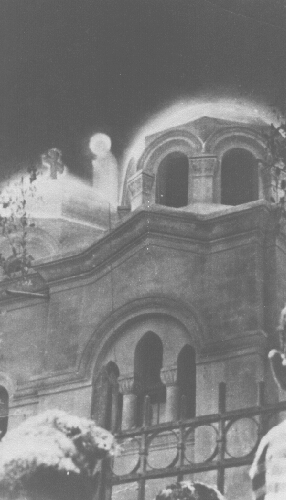
Luminous apparitions of the Blessed Virgin Mary appeared above a Coptic church in Cairo for over three years, witnessed by millions of people — Muslims, Christians, and non-believers alike — and photographed and filmed by Egyptian state television.
History
Beginning on April 2, 1968, luminous apparitions of the Blessed Virgin appeared above the domes of the Coptic Church of the Virgin Mary in Zeitoun, a suburb of Cairo. Unlike most Marian apparitions, these were visible to everyone present — not just selected visionaries. The apparitions continued intermittently for over three years, with some appearances lasting several hours. Crowds of up to 250,000 gathered to witness the phenomenon. The apparitions were photographed extensively and filmed by Egyptian state television. Coptic Patriarch Kyrillos VI established an investigative commission and officially confirmed the apparitions on May 5, 1968. Egyptian President Nasser reportedly witnessed the apparition personally.
Messages
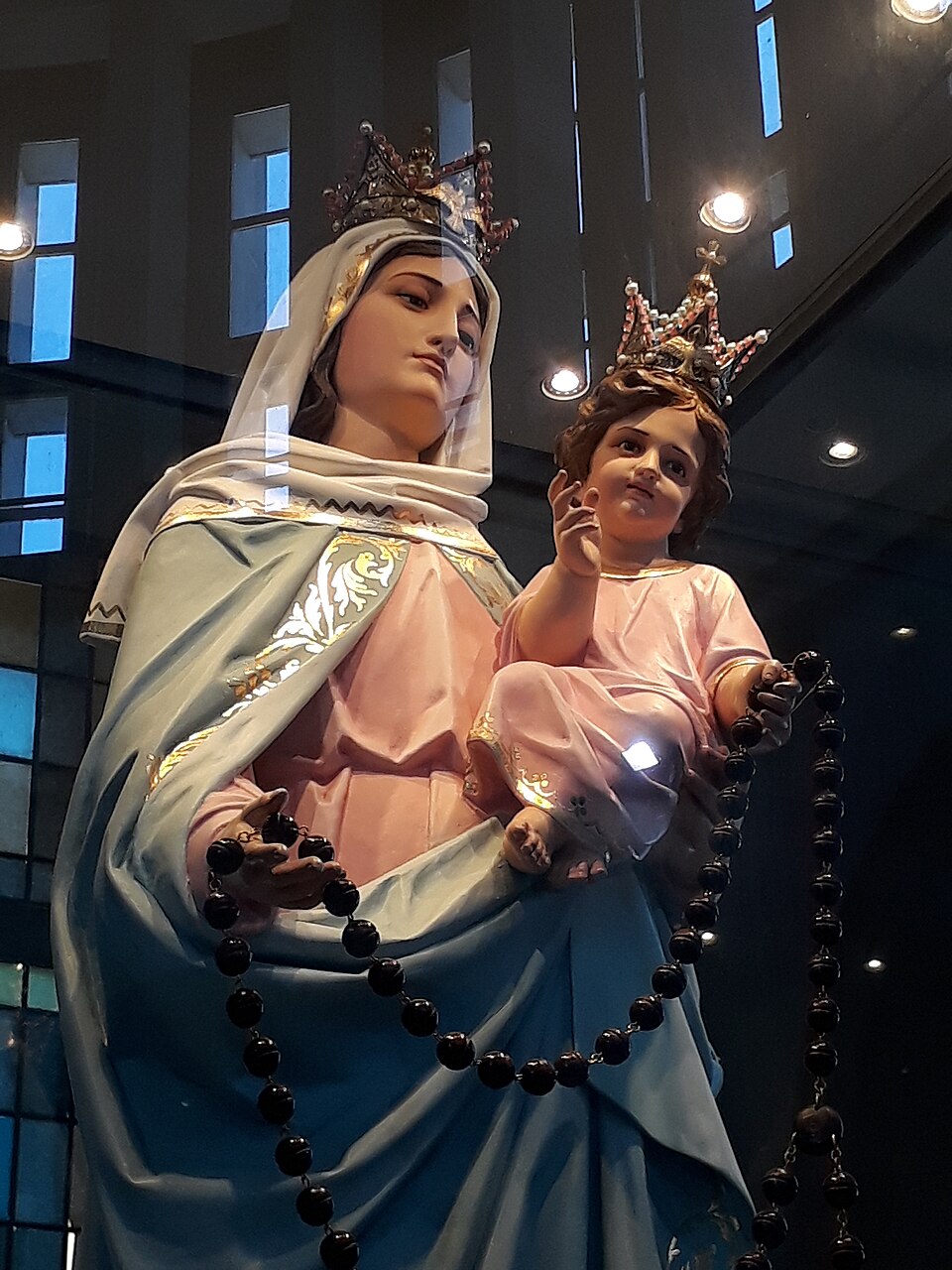
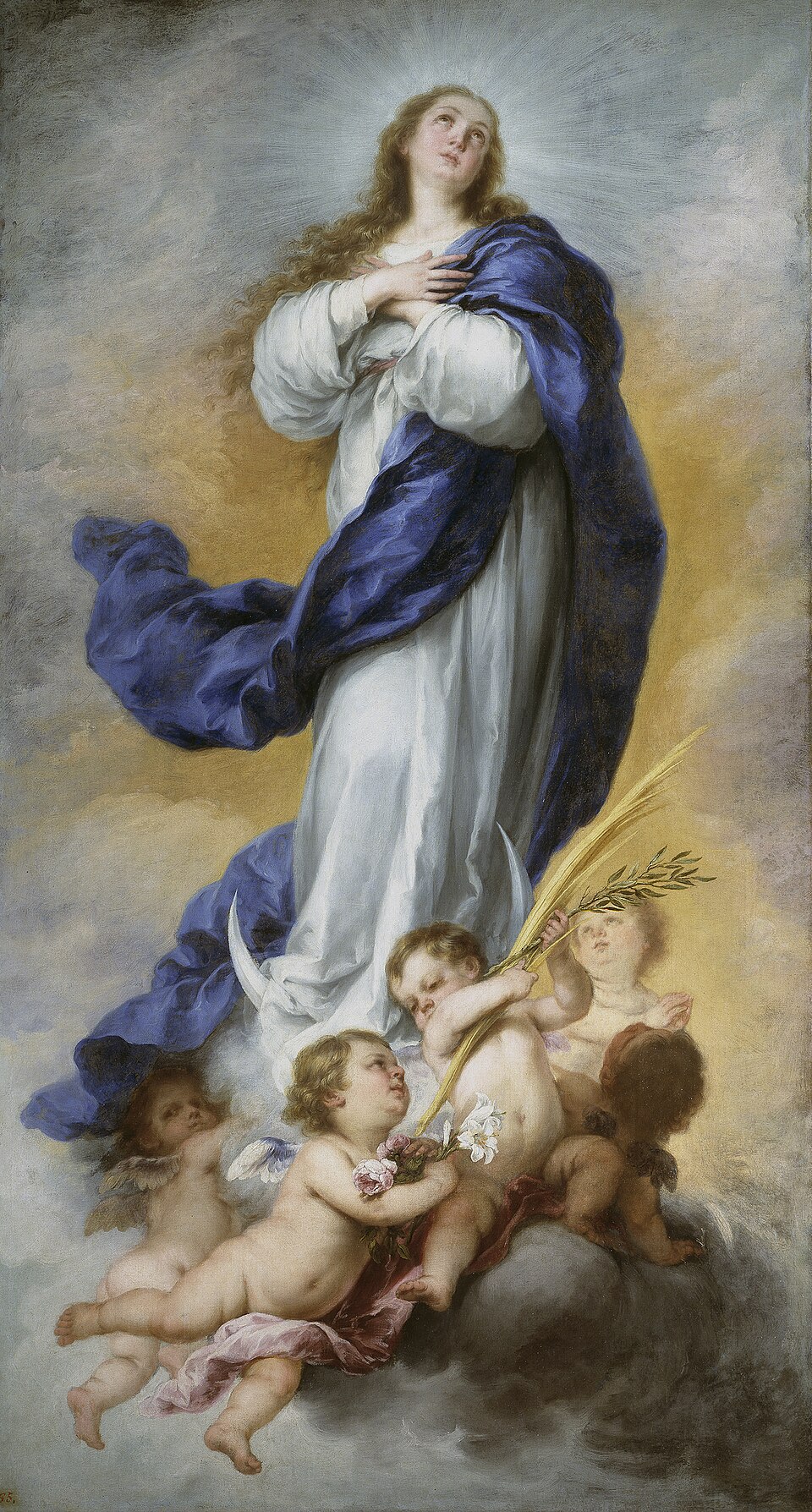
Like Knock, the Zeitoun apparitions were silent — no verbal messages were delivered. The luminous figure of the Virgin appeared in various poses, sometimes holding an olive branch (a symbol of peace), sometimes with the infant Jesus. The apparitions occurred during a period of great turmoil in Egypt following the Six-Day War of 1967.
Spiritual Significance
Zeitoun is unique among approved apparitions for several reasons: it was witnessed by millions rather than a few visionaries; it was visible to people of all faiths (including Muslims who recognized the figure as Maryam); it was photographed and filmed; and it was approved by the Coptic Orthodox Church rather than the Roman Catholic Church. The ecumenical nature of the apparition — appearing above a Coptic church, witnessed by Muslims, in a country with minimal Catholic presence — makes it one of the most universally accessible Marian events in history.