During Forty Hours' Devotion, a fire destroyed the altar and everything on it — except the monstrance containing two consecrated Hosts, which was found suspended in mid-air above the flames. The Hosts remained floating for 33 hours before gently descending. The miracle was witnessed by hundreds of people.
History
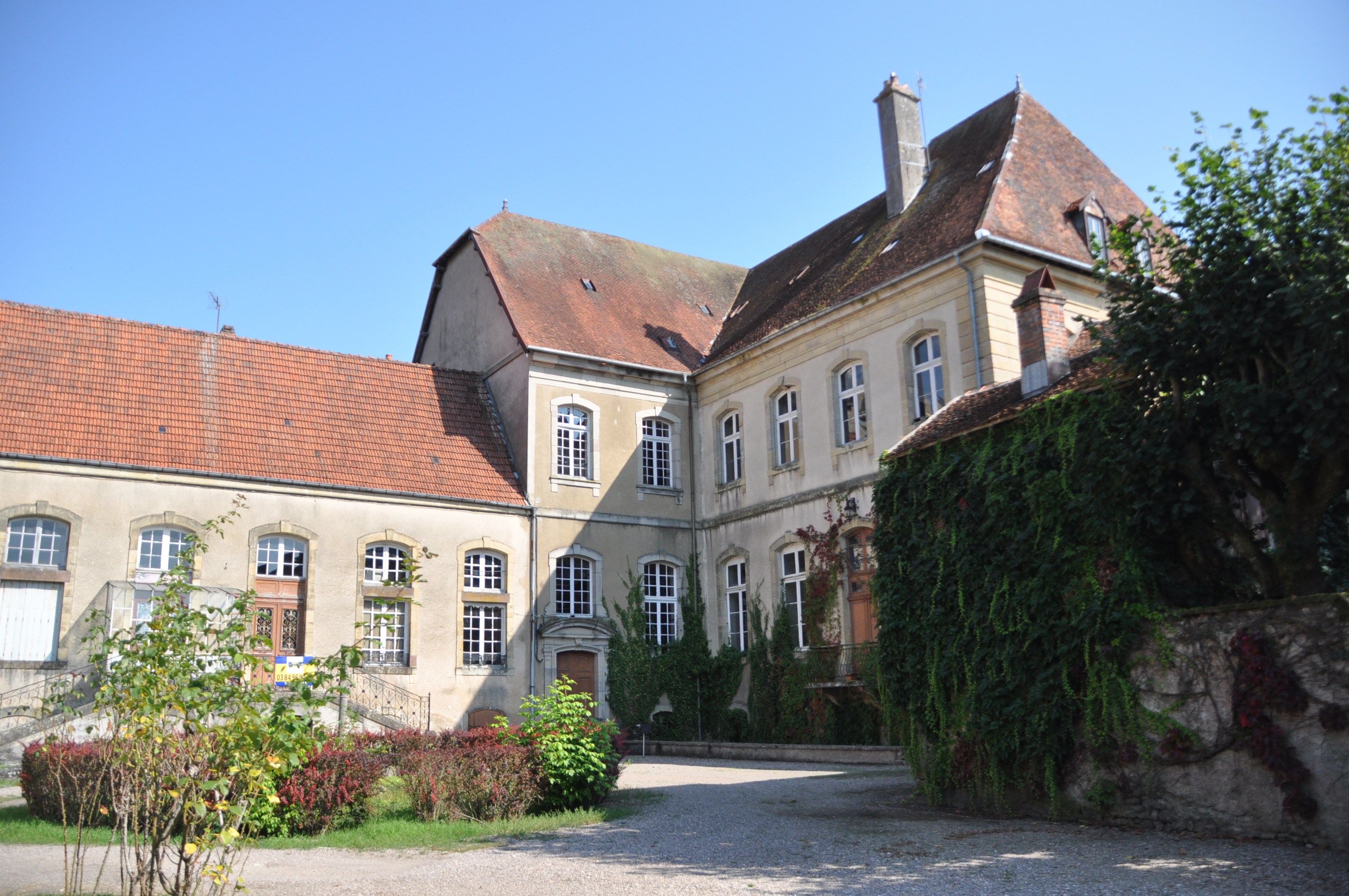
On the evening of May 25, 1608, the Benedictine monks of the Abbey of Faverney in eastern France set up an exposition of the Blessed Sacrament for the Forty Hours' Devotion. Two consecrated Hosts were placed in a monstrance on a temporary altar decorated with flowers and candles. During the night, a fire broke out that completely consumed the altar, the altar cloths, the flowers, and everything else — except the monstrance. When the monks and townspeople rushed to the scene at dawn on May 26, they found the monstrance with its two Hosts suspended in mid-air above the smoldering ruins, with no visible support. The monstrance remained suspended for approximately 33 hours, during which time hundreds of witnesses came to see the phenomenon. On the morning of May 27, the monstrance gently descended onto a new altar that had been prepared beneath it. The miracle was immediately investigated by the Archbishop of Besançon, who declared it authentic. One of the two Hosts was later given to the town of Dole, where it is still preserved.
Scientific Findings
The miracle was extensively documented at the time, with sworn testimonies from hundreds of witnesses including monks, townspeople, and visiting dignitaries. The fire damage to the altar and surroundings was thoroughly documented, confirming the intensity of the blaze. The fact that the metal monstrance survived the fire without damage, and that it remained suspended in air for 33 hours, was attested to by numerous credible witnesses. The Archbishop's investigation included detailed interviews and physical examination of the evidence.
AI summary
A plain-language overview generated from this page's source material. Always verify with primary sources.