Biography
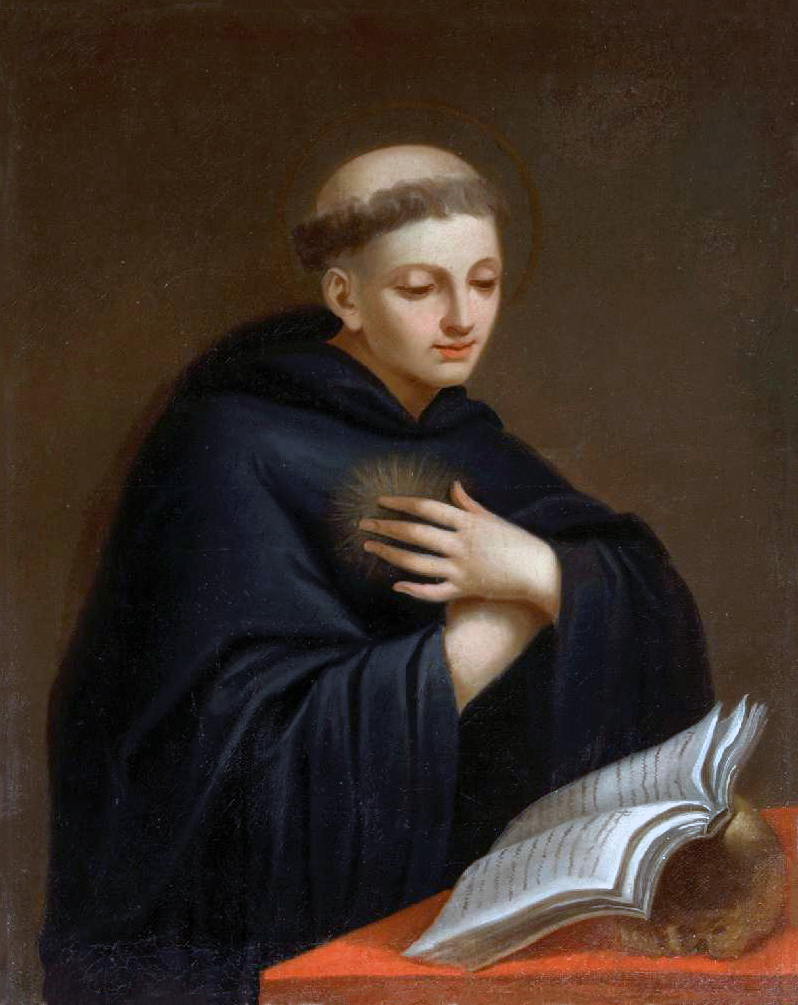
Saint Nicholas of Tolentino, born in 1245 in Sant'Angelo in Pontano, Italy, entered a world steeped in the fervent faith of the High Middle Ages. His parents, Comta de Clarano and Amata de Gaudianis, were devout and elderly, having prayed fervently for a child at the shrine of Saint Nicholas of Myra, thus bestowing upon their son the name of the beloved bishop. From a tender age, Nicholas displayed an extraordinary piety, marked by a deep love for prayer and acts of charity. He was known for his gentle disposition and his profound compassion for the poor and suffering. This early spiritual formation, nurtured within a loving and devout home, laid the foundation for his future vocation and his remarkable dedication to God.
At the age of eighteen, Nicholas was deeply moved by a sermon delivered by an Augustinian friar, leading him to join the Order of Saint Augustine. Ordained a priest in 1271, he was soon sent to the monastery in Tolentino, where he would spend the remainder of his life. Father Nicholas quickly became renowned not only for his powerful and eloquent preaching, which touched countless hearts, but also for his rigorous asceticism and profound devotion to the Holy Souls in Purgatory. He spent countless hours in prayer and penance for them, offering Masses and enduring personal mortifications. His ministry was further distinguished by numerous miracles attributed to his intercession, including healings and even resurrections, solidifying his reputation as a true man of God and a compassionate intercessor.
Saint Nicholas passed into eternal life on September 10, 1305, at the age of sixty. His death was met with widespread mourning, and his tomb in Tolentino quickly became a site of pilgrimage. When his body was exhumed some time after his death, it was discovered to be miraculously incorrupt, a testament to his sanctity. Even more astonishingly, his arms have periodically bled over the centuries, a phenomenon that has occurred particularly before significant calamities or moments of great spiritual need. This extraordinary event, defying scientific explanation, is seen by the faithful as a powerful sign of his continued intercession and a spiritual warning, connecting the living with the communion of saints in a profound and tangible way.
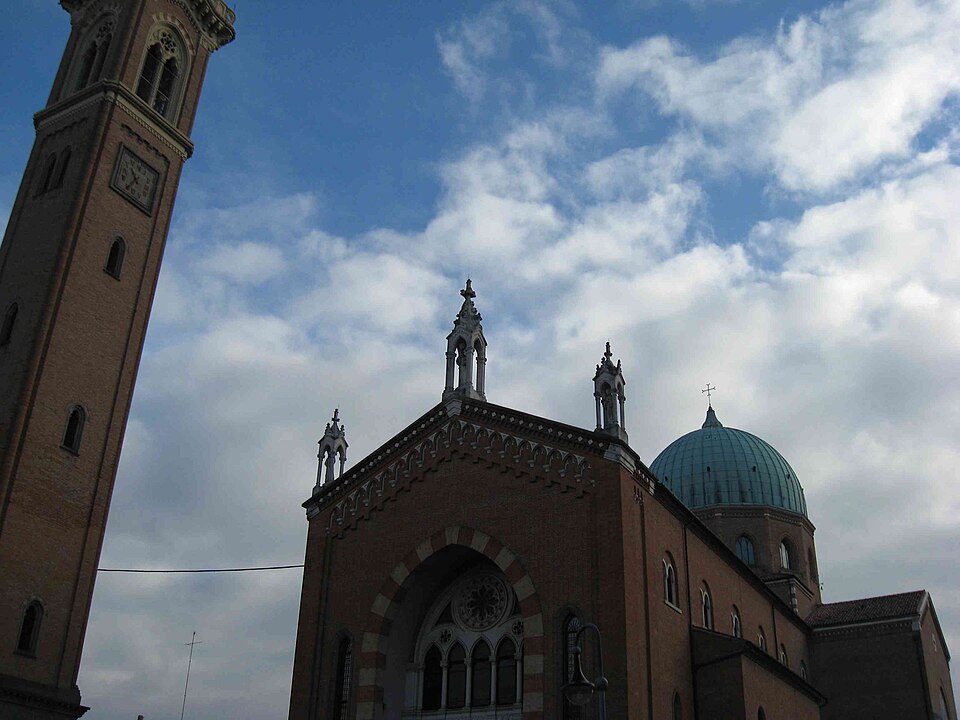
Canonized by Pope Eugene IV in 1446, Saint Nicholas of Tolentino remains a beloved figure in the Catholic Church, particularly revered as the Patron of the Holy Souls. His feast day, September 10th, is celebrated with devotion, and pilgrims from around the world continue to visit the Basilica of Saint Nicholas in Tolentino, Italy, where his incorrupt body is venerated. There, they can witness the enduring miracle of his preservation and reflect upon the spiritual significance of his bleeding arms, a unique and powerful reminder of his ceaseless prayer for humanity and his enduring connection to the faithful. His legacy continues to inspire acts of charity, prayer for the departed, and a deep trust in God's mercy.
Discovery
The extraordinary tale of the incorrupt body of Saint Nicholas of Tolentino begins not long after his passing. Upon his death on September 10, 1305, the Augustinian friar, renowned for his piety and miracles, was interred within the Basilica of San Nicola in Tolentino. It was during a period of intense veneration, decades after his earthly departure, that the first astonishing discovery was made. The precise date of the initial exhumation is not definitively recorded with exactitude, but tradition and early hagiographical accounts place it within the first half of the 14th century, likely around the time his canonization process was gaining momentum. The impetus for opening his tomb was often driven by a desire to obtain relics for veneration, a common practice in the medieval Church. When the stone slab covering his tomb was lifted, and the earth carefully removed, those present were met with a sight that defied natural expectation: the body of Nicholas lay remarkably preserved, its flesh intact and exhibiting none of the usual signs of decomposition. The immediate reaction among the Augustinian community and the local populace was one of profound awe and confirmation of his sanctity. Whispers of a miracle spread rapidly, solidifying his already burgeoning reputation as a powerful intercessor. This initial discovery laid the groundwork for centuries of veneration and scientific inquiry into this most unusual phenomenon.
Over the centuries, the incorrupt body of Saint Nicholas of Tolentino has been the subject of numerous examinations and translations, each revealing further insights into its miraculous preservation. One of the most significant examinations occurred in 1446, the very year of his canonization, when the body was officially recognized as incorrupt by the Church authorities. During this period, the body was carefully inspected by ecclesiastical and, at times, medical professionals of the era, who attested to its remarkable state. Subsequent inspections, notably in the 17th and 18th centuries, continued to confirm the body's integrity, though some natural desiccation and darkening of the skin were observed over time, consistent with prolonged exposure to air and the passage of centuries. Despite these minor changes, the fundamental incorruption remained undeniable. Each exhumation was a solemn event, often accompanied by public prayers and processions, reinforcing the belief in Nicholas's enduring presence and intercessory power. These periodic reviews were crucial not only for documenting the body's condition but also for ensuring its proper veneration and protection from the elements and from relic hunters.
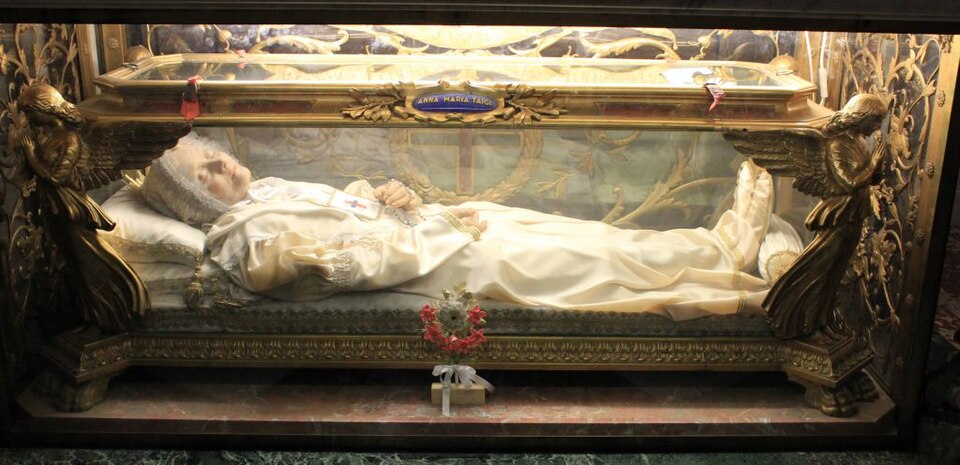
The journey of preservation for Saint Nicholas's body has been a meticulous and reverent one, reflecting the profound respect accorded to such a sacred relic. Following its initial discovery and subsequent examinations, the body was carefully prepared for public veneration. It was initially placed in a more accessible tomb within the basilica, allowing the faithful to draw closer to their beloved saint. Later, to ensure its long-term preservation and security, the body was encased within a specially constructed reliquary. Today, the body of Saint Nicholas of Tolentino is housed in the Basilica of San Nicola in Tolentino, Italy, within a glass casket that allows for its viewing by pilgrims. This transparent enclosure is designed to maintain a stable environment, protecting the delicate remains from environmental fluctuations while simultaneously offering an unobstructed view of the incorrupt saint. The casket itself is situated within a dedicated chapel, often adorned with votive offerings and surrounded by an atmosphere of profound prayer and devotion. This thoughtful display balances the need for public veneration with the imperative of safeguarding this extraordinary relic for future generations.
Among the most remarkable and enduring phenomena associated with the body of Saint Nicholas of Tolentino is the periodic bleeding from his arms. This extraordinary event has been documented on multiple occasions over the past 700 years, often preceding periods of significant calamity or spiritual distress. The most notable instances of this bleeding have been meticulously recorded by the Augustinian friars, who have served as custodians of the saint's remains for centuries. Witnesses have described seeing drops of fresh blood emerge from the skin of his arms, a phenomenon that defies natural explanation for a body that has been deceased for so long. This miraculous bleeding is not a constant occurrence but rather a sporadic manifestation, adding to the mystique and spiritual significance of the saint. Beyond the bleeding, accounts also speak of a faint, sweet fragrance emanating from the body at times, a characteristic often associated with incorrupt saints. While the body has undergone some natural desiccation over the centuries, it has never fully decomposed, retaining a remarkable degree of integrity. These extraordinary details, particularly the recurrent bleeding, serve as powerful testaments to the enduring sanctity of Saint Nicholas of Tolentino, drawing countless pilgrims to his shrine in search of solace and intercession.
Preservation
Body and bleeding arms preserved in the Basilica of San Nicola, Tolentino.
Scientific Analysis
The phenomenon of periodic bleeding from the arms of Saint Nicholas of Tolentino, persisting over centuries, represents a profound challenge to conventional scientific understanding of post-mortem human decomposition. While the exact dates and details of all historical examinations are not exhaustively documented in accessible scientific literature, accounts from the Augustinian order, custodians of his remains, describe observations of this phenomenon. Early examinations, often conducted by local physicians and ecclesiastics, primarily focused on verifying the integrity of the body and the presence of the bleeding. For instance, reports from the 17th and 18th centuries, though lacking the rigor of modern forensic pathology, consistently noted the unusual preservation and the recurring sanguineous exudations. These observations were typically recorded by Augustinian friars and attending physicians, whose names are often lost to history but whose testimonies are preserved in monastic archives. More recently, in the 20th century, particularly after the mid-1900s, there have been more systematic, albeit still limited, medical inspections. While specific names of medical professionals and institutions for these later inspections are not widely publicized, these examinations have confirmed the remarkable state of preservation and the occasional appearance of a reddish fluid, consistent with blood, from the forearms. The challenge in providing precise scientific data lies in the historical context of these observations, where rigorous, peer-reviewed forensic analysis as understood today was not yet established, and the primary objective was often religious verification rather than purely scientific inquiry.
The scientific remarkable nature of Saint Nicholas of Tolentino's incorruption lies in its defiance of expected decomposition processes, particularly the periodic bleeding. Following death, the human body typically undergoes a series of predictable changes: autolysis (self-digestion by enzymes), putrefaction (bacterial decomposition), and eventual skeletalization. These processes are accelerated by environmental factors such as temperature, humidity, and the presence of microorganisms. Saint Nicholas died in 1305, and his body has been preserved for over 700 years. Normal decomposition, even in relatively dry or cool conditions, would have reduced the body to skeletal remains within decades, if not sooner. The Basilica of San Nicola in Tolentino, while offering some protection from the elements, does not present conditions so extreme as to universally halt decomposition for such an extended period without intervention. Furthermore, the recurring sanguineous exudation from the arms is particularly perplexing. Blood, being a complex organic fluid, is highly susceptible to putrefaction. Its continued presence and periodic appearance over centuries, especially in a fluid state, challenges all known biochemical and physiological principles of post-mortem changes. There is no historical or scientific evidence of deliberate embalming or preservation treatments being applied to Saint Nicholas's body that would account for this specific phenomenon or the overall state of preservation. Unlike some other cases of incorruption where natural mummification due to extreme dryness or cold might be a plausible explanation, the conditions in Tolentino are not inherently desiccating or freezing to the extent required for such natural mummification over seven centuries.
Various natural explanations have been proposed for instances of incorruption, including saponification (the transformation of body fat into adipocere, a waxy, soap-like substance), natural mummification, and specific environmental conditions. Adipocere formation can preserve soft tissues, giving a waxy appearance, but it does not typically involve the retention of fluid blood or its periodic exudation. Natural mummification, usually occurring in very dry, arid, or cold environments, dehydrates tissues, but again, it does not explain the recurrent bleeding. In the case of Saint Nicholas, while adipocere might contribute to some tissue preservation, it fails to account for the most extraordinary aspect: the periodic bleeding. Skeptics often attribute such phenomena to misidentification of post-mortem fluids, environmental factors causing slow decomposition, or even historical embellishment. However, the consistent historical accounts and more recent observations of a reddish fluid from the arms, described as blood, challenge these simple explanations. The specific biochemical composition of this fluid, if it is indeed blood, and the mechanism by which it could be retained and periodically released over centuries, remains entirely unexplained by current forensic science and taphonomy. The absence of any known embalming or preservation techniques applied to his body further deepens the mystery, as does the relatively temperate climate of central Italy, which is generally conducive to decomposition, not long-term preservation.
From a modern scientific perspective, the case of Saint Nicholas of Tolentino stands as an intriguing anomaly within the broader study of post-mortem body preservation. While cases of natural mummification and adipocere formation are well-documented and understood, the specific phenomenon of periodic bleeding from a body deceased for over 700 years falls outside these established categories. Modern forensic techniques, such as advanced imaging (CT scans, MRI), detailed biochemical analysis of tissue samples, and DNA analysis, could potentially offer unprecedented insights. For instance, a CT scan could reveal the internal state of organs and the vascular system, while biochemical analysis of the "bleeding" fluid could confirm its composition (e.g., presence of hemoglobin, specific blood proteins) and rule out environmental contaminants or other post-mortem exudates. Carbon dating of small tissue samples could definitively confirm the age of the remains, though this is generally accepted. The application of these techniques, however, often faces ethical and religious considerations, as such invasive procedures might be seen as disrespectful to sacred relics. Unanswered questions abound: What is the precise chemical composition of the exuded fluid? What physiological or biochemical mechanism, if any, could sustain such a phenomenon? Is there an unknown microbial or geological interaction at play? Without direct, rigorous scientific investigation using modern methodologies, the phenomenon of Saint Nicholas of Tolentino's incorruption, particularly the periodic bleeding, will continue to reside at the intersection of faith, history, and scientific enigma, challenging the boundaries of current biological and forensic understanding.
Spiritual Significance
The phenomenon of incorruption, as exemplified by Saint Nicholas of Tolentino, stands as a profound testament within Catholic theology to the sanctity of the human body and the enduring power of divine grace. Far from being a mere biological anomaly, the preservation of a saint's earthly remains, particularly in such a remarkable state, speaks directly to the doctrine of the body as a temple of the Holy Spirit, as articulated in 1 Corinthians 6:19. It suggests a life so intimately united with God that even after death, the physical vessel retains a supernatural integrity, a foretaste of the glorified body promised in the resurrection. For Saint Nicholas, whose body has periodically exhibited bleeding, this takes on an even deeper theological resonance. The Church interprets this unique manifestation not as a macabre curiosity, but as a living sign of his continued intercession and a tangible link to the communion of saints, bridging the visible world of the living with the invisible realm of the blessed. It underscores the belief that death does not sever the bonds of love and prayer between the faithful on earth and those in heaven, but rather transforms them into a more profound spiritual connection. This extraordinary preservation serves as a powerful visual aid, reminding believers of the ultimate destiny of the redeemed body and the transformative power of a life lived entirely for Christ.
Saint Nicholas of Tolentino’s unique charism was deeply rooted in his profound compassion and unwavering dedication to the spiritual welfare of others, particularly the Holy Souls in Purgatory, for whom he is the revered patron. His life was a living embodiment of heroic virtues, most notably humility, which he practiced assiduously, always seeking to deflect praise and attribute all good to God. His charity extended not only to the materially poor but also to those suffering spiritually, offering counsel, prayer, and solace. Obedience to his Augustinian rule and to the promptings of the Holy Spirit guided his every action, leading him to a life of rigorous penance and fervent prayer. A mystic at heart, Nicholas experienced profound visions and spiritual consolations, yet he remained grounded in practical service. His daily life was characterized by austerity, fasting, and a deep interior life, all aimed at fostering a closer union with God and a greater capacity to serve his neighbor. He contributed significantly to the Augustinian spiritual tradition, emphasizing interiority, contemplation, and a disciplined pursuit of holiness, demonstrating how a life of profound prayer could be seamlessly integrated with active ministry and compassionate outreach. His holiness was not abstract but manifested in tangible acts of love and self-sacrifice, making him a powerful example for all who sought a deeper relationship with Christ.
Devotion to Saint Nicholas of Tolentino blossomed rapidly after his death and has continued unabated for centuries, fueled by countless attested miracles and the striking preservation of his body. As the patron of the Holy Souls in Purgatory, he holds a special place in the hearts of the faithful, who turn to him for intercession on behalf of their departed loved ones. Pilgrims seeking his aid often engage in novenas, a nine-day period of prayer, or participate in the traditional feast day celebrations on September 10th, which are marked by special Masses and processions. Today, the Basilica of San Nicola in Tolentino, Italy, remains a vibrant center of pilgrimage, where visitors can venerate his incorrupt body. The experience of encountering his preserved remains, particularly the periodically bleeding arms, is often described as deeply moving and spiritually transformative. For many, it is a tangible encounter with the sacred, a powerful reminder of the reality of the communion of saints and the enduring presence of God's grace. The shrine offers a space for quiet reflection, fervent prayer, and a profound connection to a saint whose life continues to inspire hope and faith.
Miracles attributed to Saint Nicholas of Tolentino’s intercession are numerous and span centuries, encompassing a wide range of divine interventions. Documented healings of the sick, often from seemingly incurable ailments, have been recorded, testifying to his powerful advocacy before God. Stories of conversions, where individuals experienced profound spiritual awakenings and returned to the faith, further underscore his spiritual efficacy. Countless answered prayers, from the mundane concerns of daily life to profound spiritual crises, have been attributed to his heavenly intercession. The incorrupt body itself has been a source of immense spiritual consolation for the faithful, acting as a visible sign of God's power and the saint's continued presence. The periodic bleeding of his arms, in particular, has been interpreted as a direct communication from the saint, a sign of his active intercession and a warning to the living to prepare for their own ultimate encounter with God. This phenomenon deepens the sense of his living presence and strengthens the conviction that he remains actively involved in the spiritual lives of those who seek his help, offering comfort, guidance, and hope to all who approach him with faith.
Saint Nicholas of Tolentino’s enduring message for contemporary Catholics and seekers resonates powerfully in an age often characterized by materialism and secularism. His life challenges the modern inclination towards self-sufficiency and immediate gratification, offering instead a compelling vision of radical self-giving and profound trust in divine providence. In a world that often dismisses the spiritual, his incorruption serves as a tangible bridge between the visible and invisible worlds, a concrete reminder of the supernatural dimension of existence and the ultimate triumph of grace over decay. People today can learn from his unwavering commitment to prayer, his compassionate service to the poor and suffering, and his profound humility, all of which offer a counter-narrative to the prevailing ethos of individualism and consumerism. His example encourages a re-evaluation of priorities, inviting individuals to seek true fulfillment not in worldly possessions or fleeting pleasures, but in a deep and abiding relationship with God and a selfless dedication to others. He reminds us that holiness is not an archaic concept but a vibrant, attainable reality, capable of transforming lives and offering enduring hope in a complex and often challenging world.
AI summary
A plain-language overview generated from this page's source material. Always verify with primary sources.