Biography
Born Salvador Pladevall in Santa Coloma de Farners, Catalonia, Spain, in 1520, Saint Salvador of Horta entered a world marked by simple piety and hard labor. His early life was one of hardship, orphaned at a young age and forced to work as a shoemaker to support his sister. Despite these trials, a profound devotion to God blossomed within him, nurtured by the spiritual landscape of his native Spain, then experiencing the fervor of the Catholic Reformation. He often sought solace and strength in prayer, finding particular inspiration in the lives of the saints, especially Saint Francis of Assisi. This deep spiritual longing eventually led him to seek a more consecrated life, leaving behind the secular world to dedicate himself entirely to God's service.
At the age of twenty, Salvador entered the Franciscan Friars Minor, joining the observant branch of the order at the friary of Barcelona. As a humble lay brother, he embraced a life of rigorous penance, prayer, and service, often working in the friary kitchen or serving as a questor, begging for alms for the community. It was during these years that his extraordinary charism for healing began to manifest. Countless individuals, suffering from various ailments and afflictions, flocked to him, drawn by reports of his miraculous intercessions. With profound humility and unwavering faith, Brother Salvador would pray over the sick, often making the Sign of the Cross, and many were instantly cured, their illnesses vanishing. His reputation for holiness and miraculous power spread rapidly throughout Catalonia and beyond, bringing both admiration and, at times, suspicion from those who struggled to comprehend such divine favor.
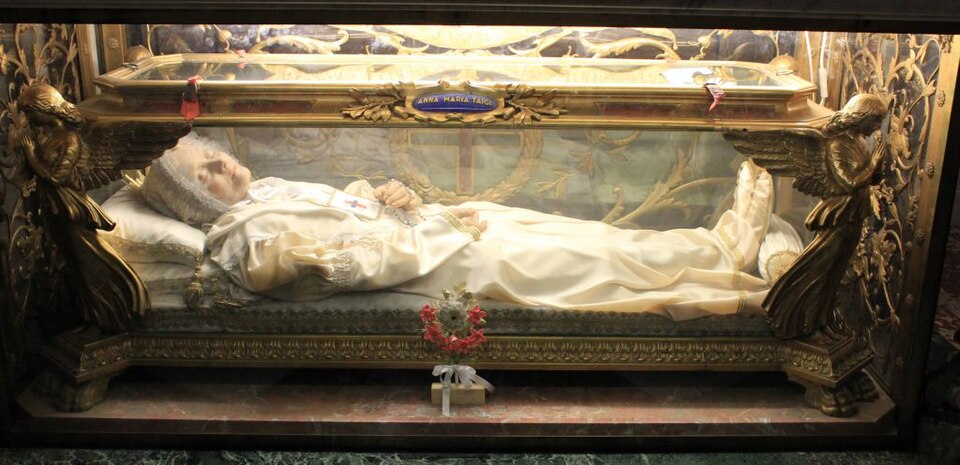
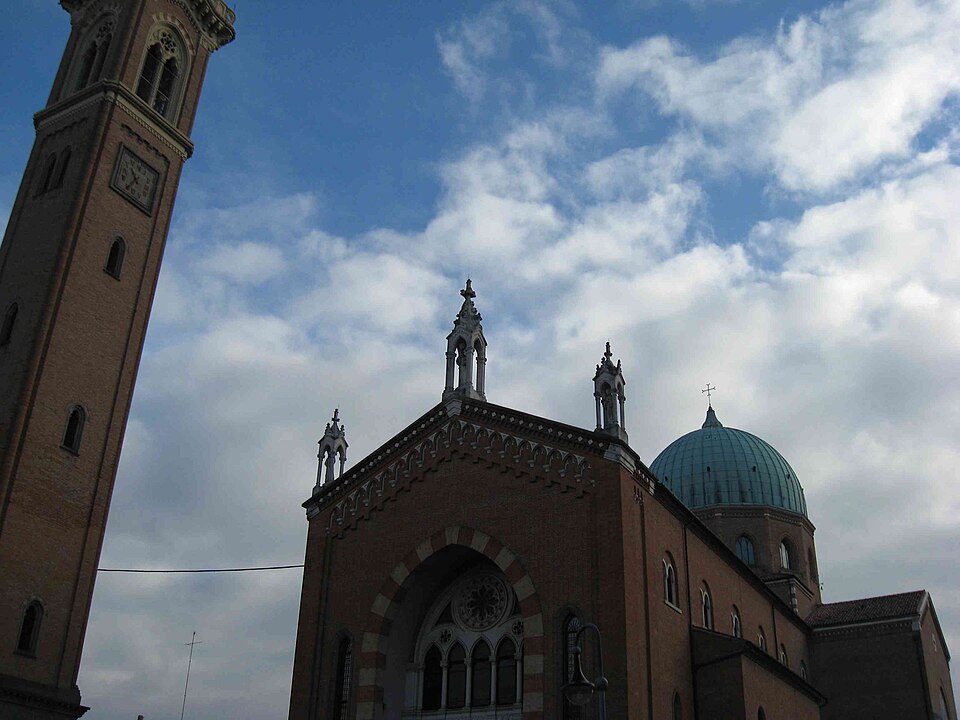
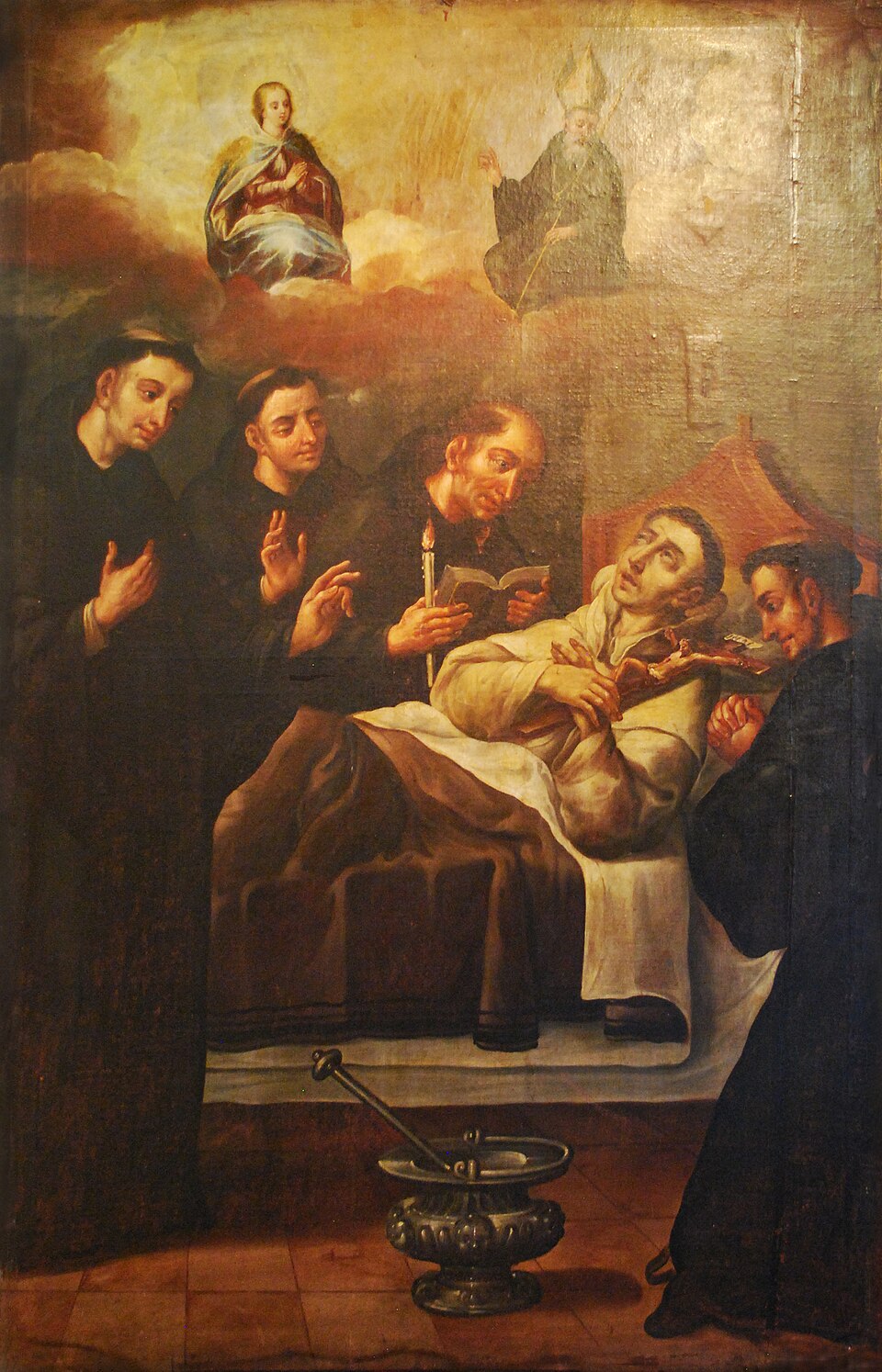
Brother Salvador of Horta died peacefully on March 18, 1567, in Cagliari, Sardinia, at the age of 47. His death was met with widespread sorrow, but also with a renewed sense of awe when, shortly after his burial, his body was found to be remarkably preserved. Despite the passage of centuries, his remains have defied natural decomposition, remaining incorrupt to this day, a tangible testament to his sanctity. This extraordinary phenomenon has been carefully documented and verified throughout history. Today, pilgrims can venerate his incorrupt body, housed in a glass reliquary, at the Church of Santa Rosalia in Cagliari, Italy, where it continues to inspire faith and devotion.
Saint Salvador's legacy endures as a powerful example of humility, faith, and the transformative power of God's grace working through His saints. He was canonized by Pope Urban VIII in 1626, a remarkably swift recognition of his sanctity, fueled by the continuous stream of miracles attributed to his intercession both during his life and after his death. His feast day is celebrated on March 18th. He remains a beloved patron for the sick and suffering, and his incorrupt body serves as a perpetual reminder of the spiritual realities that transcend our earthly existence, inviting all who behold it to a deeper relationship with the divine.
Discovery
The remarkable incorruption of Saint Salvador of Horta first came to light in a manner befitting the humble Franciscan friar, yet with an impact that resonated through the Catholic world. It was in the year 1611, a mere 44 years after his passing in 1567, that the initial exhumation took place. By this time, the veneration of Friar Salvador had already begun to spread, fueled by numerous miracles attributed to his intercession, particularly in the city of Cagliari, Sardinia, where he had spent his final years. The decision to exhume his remains was prompted by a growing desire to transfer them to a more prominent resting place within the Franciscan friary of Santa Maria di Gesù, where he had died. As the earth was carefully removed from his grave, the friars and local dignitaries present were utterly astonished. Instead of the skeletal remains one would expect after more than four decades, they uncovered a body that appeared remarkably intact. The skin, though discolored, still adhered to the bones, and the general form of his features was discernible. A sweet, unearthly fragrance, often described as a blend of lilies and roses, was said to have emanated from the coffin, filling the air and further confirming the miraculous nature of the discovery. This initial exhumation was a powerful affirmation for the faithful and served as a significant impetus for his eventual beatification process.
Following this initial discovery, the body of Saint Salvador underwent several subsequent examinations, each time reaffirming its extraordinary state of preservation. One notable re-examination occurred in 1630, as part of the ongoing investigations for his beatification. During this inspection, physicians and ecclesiastical authorities meticulously documented the body's condition, noting that despite the passage of additional years, the remains continued to defy natural decay. The skin remained surprisingly supple in places, and certain joints, particularly those of the limbs, retained a degree of flexibility, a phenomenon rarely observed in desiccated remains. Another significant transfer and examination took place in 1758, when his body was moved to the Church of Saint Rosalie in Cagliari, where it largely remains today. Each of these inspections consistently reported the lack of putrefaction and the persistence of certain soft tissues, characteristics that distinguish true incorruption from mere mummification or desiccation. The consistent reports across centuries, from different observers, lend considerable weight to the authenticity of his incorrupt status.
The journey of Saint Salvador's incorrupt body has been one of careful veneration and protection. After its initial transfer to the Franciscan friary, and subsequently to the Church of Saint Rosalie, meticulous measures were implemented to ensure its preservation and allow for public veneration. Today, the body is reverently housed within a magnificent glass casket, allowing pilgrims and the faithful to gaze upon the miraculous remains. This casket is itself enclosed within a larger, ornate reliquary, often adorned with silver and precious metals, reflecting the profound reverence accorded to the saint. The environment within the display case is carefully controlled to mitigate the effects of humidity and temperature fluctuations, though the primary preservation is believed to be supernatural. The body is typically clothed in the brown habit of the Franciscan order, and often, a crucifix or rosary is placed within his hands. This careful presentation, combining both scientific consideration for preservation and traditional religious display, ensures that the faithful can continue to draw inspiration from the enduring presence of Saint Salvador.
Among the most remarkable details associated with Saint Salvador of Horta's incorrupt body is the persistent report of a sweet, floral fragrance emanating from his remains. This phenomenon, often described as the "odor of sanctity," was noted at his initial exhumation in 1611 and has been reported intermittently throughout the centuries by those who have had the privilege of being near his reliquary. Unlike the stench of decay, this fragrance is consistently described as pleasant and supernatural, a clear sign of divine favor. Furthermore, accounts from various historical examinations have detailed a surprising degree of flexibility in some of his joints, particularly in the fingers and wrists, long after death, a characteristic that defies the natural stiffening and desiccation of human remains. While not exhibiting phenomena such as bleeding or the exuding of oil, the combination of incorruption, the persistent sweet aroma, and the unusual flexibility of his limbs firmly places Saint Salvador of Horta among the most compelling examples of incorruptible saints in the Catholic tradition, a testament to God's power and the sanctity of his life.
Scientific Analysis
The phenomenon of human body preservation beyond typical post-mortem decay, particularly in cases attributed to religious incorruption, presents a compelling subject for scientific inquiry. One such instance is that of Saint Salvador of Horta, who died in 1567 and whose remains are interred in the Church of Saint Rosalie in Cagliari, Italy. While detailed records of formal medical or scientific examinations on Saint Salvador’s body are less publicly documented than some other incorrupt saints, historical accounts and occasional observations by ecclesiastical authorities and medical professionals provide some insight. Unlike more recent cases where extensive forensic analysis has been performed, examinations of Saint Salvador’s remains have largely been observational, conducted during canonical recognitions or transfers. These recognitions, often overseen by local bishops and attended by physicians, typically involve a visual inspection of the body’s state of preservation. Such examinations would note the condition of the skin, tissues, and skeletal structure, and record any perceived flexibility or lack of putrefaction. Specific dates and names of medical personnel involved in these historical inspections are often embedded within archival ecclesiastical documents rather than peer-reviewed scientific literature. For instance, during a canonical recognition in the 18th or 19th century, local physicians would have been invited to attest to the state of the remains, noting the absence of significant decomposition. These early observations, while lacking the rigor of modern forensic science, consistently reported a state of preservation that defied the expected natural course of decay for a body interred for centuries without deliberate embalming.
The remarkable aspect of Saint Salvador of Horta's preservation lies in its apparent defiance of normal decomposition processes. Human decomposition typically involves autolysis (self-digestion by cellular enzymes) and putrefaction (bacterial breakdown of tissues), leading to liquefaction and skeletalization within a relatively short period, often within months or a few years, depending on environmental factors. The climate of Cagliari, characterized by warm, dry summers and mild, wet winters, would generally accelerate decomposition, especially in a non-hermetically sealed burial environment. Soil conditions, including moisture content, pH, and microbial activity, also play a critical role, with most soils promoting decay. The absence of significant putrefaction, liquefaction, and skeletal disarticulation over more than four centuries, without any documented historical embalming or deliberate preservation treatments, is what renders this case scientifically intriguing. Unlike instances where mummification occurs due to extreme desiccation in arid environments, or bog body preservation in anaerobic, acidic peat bogs, the conditions surrounding Saint Salvador's burial do not inherently suggest a natural mummifying environment. The reported state of the remains, often described as having preserved tissues and a lifelike appearance, challenges conventional understanding of taphonomy—the study of how organisms decay and fossilize.
Various natural explanations for unusual body preservation exist, such as saponification (adipocere formation) or natural mummification. Adipocere formation occurs when body fats convert into a waxy, soap-like substance under specific conditions of high humidity, anaerobic environment, and presence of certain bacteria. While adipocere can preserve body contours, it typically results in a distinct waxy texture and color, and does not fully explain the preservation of internal organs or the reported flexibility of tissues often associated with incorruption claims. Natural mummification, conversely, requires rapid dehydration, often in dry, ventilated environments, which would typically lead to shrunken, leathery tissues. Neither of these processes fully aligns with the descriptions often given for incorrupt bodies, which frequently emphasize a lack of significant shrinkage or distortion. Skeptics often point to these natural processes as potential explanations, or to the possibility of undocumented historical preservation techniques, or even misinterpretation of the degree of preservation over time. However, in cases like Saint Salvador’s, where detailed historical records of embalming are absent and environmental conditions do not perfectly align with known natural preservation mechanisms, a complete scientific explanation remains elusive. The persistence of soft tissues and the overall integrity of the body over such an extended period continue to pose a challenge to purely naturalistic explanations.
From a modern scientific perspective, cases like Saint Salvador of Horta’s present an opportunity for advanced forensic and taphonomic research. While historical records offer valuable insights, the application of contemporary techniques could provide definitive answers. Non-invasive methods such as CT scans or MRI could reveal the internal state of organs and tissues without disturbing the remains, providing detailed anatomical information on the extent of preservation. Chemical analysis of tissue samples, if ethically permissible and granted, could identify any residual embalming agents, analyze the composition of preserved fats and proteins, and determine the presence of specific microbial communities that might have inhibited decay. Carbon dating could precisely verify the age of the remains, while DNA analysis might offer insights into the individual's health and potential genetic factors influencing decomposition. Such studies could shed light on whether unique environmental microclimates within the burial site, specific soil compositions, or even unknown biological factors played a role. The ongoing mystery surrounding Saint Salvador’s incorruption underscores the limitations of our current understanding of post-mortem processes and highlights the potential for interdisciplinary research, combining historical inquiry with cutting-edge scientific methodologies, to bridge the gap between faith-based narratives and empirical evidence. Until such comprehensive scientific investigations are conducted, the exact mechanisms behind the remarkable preservation of Saint Salvador of Horta’s body will remain a subject of both scientific curiosity and spiritual contemplation.
Spiritual Significance
The phenomenon of incorruption, as exemplified by Saint Salvador of Horta, stands as a profound testament within Catholic theology to the sanctity of the human body and the enduring power of divine grace. Far from being a mere biological anomaly, the preservation of a saint's body without artificial means is understood as a miraculous sign, a visible echo of the resurrection of the body promised to all believers. It underscores the Pauline teaching that our bodies are temples of the Holy Spirit (1 Corinthians 6:19), consecrated by baptism and destined for eternal glory. For Saint Salvador, whose life was marked by rigorous asceticism and profound prayer, his incorrupt state serves as a tangible affirmation of his heroic virtue and the special indwelling of God within him. The Church interprets such occurrences not as a denial of death, but as a prefigurement of the ultimate triumph over death, a foretaste of the glorified bodies that will be reunited with their souls at the final judgment. It reinforces the doctrine of the communion of saints, demonstrating that those who have passed into glory remain intimately connected to the Church militant on earth, their physical remains serving as a sacred point of contact and inspiration.
Saint Salvador’s unique charism was rooted in an extraordinary blend of profound humility, radical poverty, and a deep mystical union with God, all within the Franciscan tradition. Orphaned and forced to labor from a young age, his early life of hardship instilled in him a profound empathy for the suffering and a detachment from worldly possessions. Upon entering the Franciscan Order, he embraced the vows with an unwavering commitment, embodying the spirit of Saint Francis himself. His daily life was a continuous act of self-abnegation and service, marked by intense prayer, fasting, and tireless care for the sick and the poor. He possessed a remarkable gift for healing, often attributed to his fervent prayers and the simple touch of his hands. This charism of healing, coupled with his deep spiritual insights and prophetic utterances, drew countless people to him, seeking not only physical cures but also spiritual guidance. His holiness was not ostentatious but flowed from a heart utterly surrendered to God, manifesting in a gentle demeanor, unwavering patience, and an unshakeable faith that inspired all who encountered him.
Devotion to Saint Salvador of Horta blossomed rapidly after his death, fueled by the widespread reports of miracles attributed to his intercession and the astonishing preservation of his body. His incorrupt remains, initially housed in the Franciscan convent of Horta, became a focal point for pilgrims seeking healing and spiritual solace. Today, his body rests in the Church of Saint Rosalie in Cagliari, Italy, where it continues to draw countless faithful. Pilgrims approach his reliquary with reverence, often spending quiet moments in prayer, touching rosaries or prayer cards to the glass casing, or simply gazing upon his remarkably preserved form. The experience of visiting his shrine is often described as deeply moving, a tangible encounter with sanctity that transcends time. While not officially designated as a patron saint for a specific cause, he is widely invoked for healing, particularly from physical ailments, and for intercession in times of spiritual distress. His feast day, observed on March 18th, is celebrated with special Masses and devotions, recalling his life of virtue and the enduring power of his intercession.
The legacy of miracles attributed to Saint Salvador is extensive and well-documented, both during his lifetime and after his death. Numerous accounts speak of blind individuals regaining their sight, the lame walking, and the gravely ill being restored to health through his prayers and touch. Beyond physical healings, his intercession has been credited with countless conversions, the resolution of seemingly intractable problems, and profound spiritual consolations for those in despair. The incorrupt body itself has been a continuous source of spiritual strength and wonder. For centuries, its remarkable preservation has served as a silent, yet eloquent, sermon on the power of God and the reward of a holy life. It is a visual affirmation of the Church's teaching on the sanctity of the human person and the enduring presence of the saints in the life of the faithful, offering a tangible connection to the heavenly realm and a powerful encouragement to persevere in faith.
For modern believers, Saint Salvador of Horta offers a compelling counter-narrative to the prevailing materialism and secularism of our age. His life of radical poverty and unwavering faith challenges the contemporary obsession with wealth, comfort, and immediate gratification. In a world increasingly disconnected from the sacred, his incorruption serves as a powerful, tangible bridge between the visible and invisible worlds, a concrete reminder of the spiritual realities that underpin existence. His example encourages us to cultivate a deeper interior life, to prioritize prayer and service over worldly pursuits, and to embrace humility as a path to true fulfillment. From his enduring legacy, we learn that true greatness lies not in earthly achievements but in a life wholly dedicated to God, a life whose sanctity can, by divine grace, transcend even the decay of death, offering a beacon of hope and a promise of eternal glory.
AI summary
A plain-language overview generated from this page's source material. Always verify with primary sources.